5-things-we-learned-from-the-latest-Epstein-files-drop.jpeg

5 things we learned from the latest Epstein files drop

The Justice Department’s long-awaited release of the Epstein files on Friday offered a deeper look at the jet-setting lifestyle of the late sex offender and financier Jeffrey Epstein — but few major revelations.

The data dump included thousands of files, mostly images, many of which were heavily redacted. The Justice Department released the documents to comply with the Epstein Files Transparency Act, which President Donald Trump signed into law last month.

The department, citing the task of ensuring no information included in the release could be used to identify victims, did not make public its entire database on Friday, as the law required. The department said it would turn over more files in the coming weeks.

In 2008, Epstein pleaded guilty to solicitation of prostitution and solicitation of prostitution with a minor under the age of 18. Nine years later, the financier was charged with the sex trafficking of minors. He died by suicide in 2019 while in federal custody.

Business Insider has been reviewing the latest files, which continued to roll out late Friday evening. Here are our biggest takeaways.


Epstein pictured with Richard Branson.

Jeffrey Epstein pictured with Virgin Group founder Richard Branson.

Department of Justice


1. Lots of famous faces

The files contained numerous images of celebrities and politicians, including former president Bill Clinton, pop star Michael Jackson, and British billionaire Richard Branson.

The photos are not evidence of wrongdoing.

Not all of the celebs were pictured with Epstein, and at least one photo — of Diana Ross with Bill Clinton and Michael Jackson — can be found on the professional photography service, Getty Images, suggesting it was not Epstein’s personal photo.

The context of many of the photos is also unclear, lacking dates, locations, and other identifying information.

Clinton featured prominently in the latest round of files, including several previously unseen photos.

Angel Ureña, a spokesperson for Clinton, said on X that the former president was unaware of Epstein’s criminal activity.

“There are two types of people here,” he wrote. “The first group knew nothing and cut Epstein off before his crimes came to light. The second group continued relationships with him after. We’re in the first. No amount of stalling by people in the second group will change that.”

Other famous figures seen in photos in the documents include actors Kevin Spacey and Chris Tucker, The Rolling Stones front man Mick Jagger, and Sarah Ferguson, the former Duchess of York. Business Insider reached out to them for comment.

Spacey had earlier called for the release of the Epstein files and said in a post on X in July that he has “nothing to fear.” In multiple interviews before the latest release, Tucker has denied any knowledge of criminal activity. Jagger has not responded publicly. Ferguson has said she cut ties with Epstein after his conviction.


Photo from Epstein files.

Former President Bill Clinton in a pool.

Department of Justice


2. Redactions draw criticisms

The Justice Department’s release drew criticism from some victims and Democrats for its heavy redactions and limited initial release.

In some cases, entire documents were obscured by black boxes, including one 119-page file. The DOJ has attributed its delay in producing all the documents by the December 19 deadline in part to its duty to safeguard the personal information of victims and other individuals.


Redacted documents from the Epstein files

Image with redactions from the Epstein files released on Friday.

Screenshot


3. 1996 complaint

The files shed some light on how long young women have been accusing Epstein of wrongdoing.

Among the thousands of documents was a 1996 FBI memo included in a complaint filed against Epstein by a woman whose name the Justice Department redacted. Business Insider confirmed the accuser was Maria Farmer, who has previously said publicly that she reported Epstein to the authorities.

In her original complaint, Farmer says Epstein stole pictures of her 16-year-old sister and is “believed to have sold them to potential buyers.” She says he once asked someone to take photos of young women at swimming pools.

“I feel redeemed. This is one of the best days of my life,” Farmer said in a statement to Business Insider shared by her lawyer.


1996 FBI complaint by Maria Farmer

A photo of the 1996 FBI complaint filed by Maria Farmer.

Screenshot


4. More files to come

The Justice Department was required by law to release the documents by December 19, but US Deputy Attorney General Todd Blanche said Friday that the files would be released in batches over the coming weeks. Four sets of files were released on Friday evening. The Justice Department posted an additional three sets late Friday, which included photos of evidence files.

The Justice Department’s delay in releasing all the files at once has led to criticism from lawmakers. Republican Rep. Thomas Massie said the move “grossly fails to comply with both the spirit and the letter of the law.”

Democratic Rep. Ro Khanna told CNN that he and Massie were now drafting articles of impeachment against US Attorney General Pam Bondi following the release.


Chain of custody evidence envelope

A chain of custody evidence envelope was found in the latest release.

Screenshot


Trump stays quiet

Trump is known to have socialized with Epstein in the 1990s and 2000s, and photos of the pair together have been well publicized in recent years.

He didn’t feature prominently in Friday’s document release. There was a photo of a messy desk that contained a photo of Trump inside a drawer. Trump has previously said he ended his ties with Epstein years ago.

Blanche told ABC News on Friday that there had been “no effort to hold anything back because there is the name Donald J Trump.”

Trump had not commented publicly on the files as of Saturday afternoon.


Source link

I-thought-the-best-holidays-were-going-to-be-when.jpeg

I thought the best holidays were going to be when my kids were little. I was wrong.

My daughter-in-law called me recently to ask about Secret Santa. She was wondering if everyone would get involved, if I had any thoughts on stocking stuffers, and if there was anything in particular I might want, other than the Costco-sized jar of peanut M&Ms I had mentioned about 1,000 times.

My youngest son texted not long after to let me know he got three full days off for Christmas. He’ll be bringing his cat for a visit. We’ll all buy him cat treats. We will prepare casseroles and cookies, as well as overnight cinnamon rolls for the morning. We will wait to watch the main event, the Christmas movies, until we are all together.

This is my Christmas with adult kids. The kind of Christmas I dreaded when my four sons were little and I thought I had just those magical 18 holidays with them before it would all end.

I thought the best times were when they were little

I thought those Christmases were the best I would ever see as a mom because I think that’s the story we are sold. Christmas is for kids. It’s better with kids. It’s more fun, more magical, more everything. And I’ll tell you that I really wrung every second of joy out of Christmas when my kids were little in an absolute panic of memory-making.


Four boys during the holidays

The author pushed herself to make the holidays super special for her sons when they were little.

Courtesy of the author


I pushed the Santa agenda far longer than was socially acceptable. I baked every day, built gingerbread houses, and attended every Christmas concert. I bought the matching pajamas, I collected special ornaments and kept them in boxes for the boys to hang on our tree every year, no matter what.

I think I idolized the holidays, like a good Christmas might make up for any other shortcomings during the rest of the year. I overlooked how tough it really was on me in favor of the good mom checkmark I might get at the end of it all.

I can finally admit it was hard

And it was hard on me. I can admit this finally. Not just because I was on my own with my sons or because we were living right around the poverty line. But because I genuinely believed that the only Christmases that mattered happened when my kids were little. It was like a Doomsday clock was ticking down on my every year, tied up with a neat red bow. I had to build memories for them at any cost so they would have happy childhood memories and not look back on our life together as a failure.

I wish I could go back and talk to the stressed-out mom I was then. I would tell her that she could stop spending important January bill money on December toys. I would tell her that her kids will be OK. And yes, they want a few toys, but they will remember about one quarter of them by the next year.

Most of all, I would tell her that she has way more fun holidays ahead than she thinks. I would even argue that Christmas with adult kids is better than it is with little kids. The pressure is off. Right or wrong, they are grown now. I don’t have to keep any kind of special magic alive for them; they’ve seen behind the curtain, and they know I was back there all along.

It’s not all just on me

They see me. They appreciate me. Best of all, they are back behind the curtain with me now, too. They provide, along with me, trips to the grocery store for forgotten spices, coffee cream, and extra napkins. They buy gifts and tell me not to worry about anything. They lighten my load. I’m no longer the keeper of Christmas; we all are. Bringing a different kind of magic to whatever days we might have together over the holidays.

We bring in the old traditions from when they were kids, but also leave the door open for new things. New recipes, new ideas on how to celebrate. Chinese takeout for Christmas Eve one year or homemade pizza, depending on everyone’s work schedule. A little Baileys in our coffee while we open stockings. All of us together. The five of us, along with new partners, are perhaps the best Christmas gift of all. New family members who bring their own family traditions. We stay up late, we play cards with fun playlists full of music that’s new to me. I sleep happily.

I miss my boys being little. I always will. But these men and their partners and our holidays together? This feels like the real reward.


Source link

Epstein-files-feature-photos-of-some-famous-figures-within-the.jpeg

Epstein files feature photos of some famous figures within the disgraced financier’s orbit

  • The Justice Department released a large trove of files related to the Jeffrey Epstein investigation.
  • Documents include photos of the disgraced financier with some high-profile figures.
  • The photos are not evidence of wrongdoing.

The Justice Department on Friday released thousands of documents related to its investigation of Jeffrey Epstein, the disgraced financier.

The trove of files, many of which were redacted, includes uncredited and undated photos that provide a snapshot into Epstein’s inner life and circle.

In 2008, Epstein pleaded guilty to solicitation of prostitution and solicitation of prostitution with a minor under the age of 18. Nine years later, the financier was charged with the sex trafficking of minors. He died by suicide in 2019 while in federal custody.

Some of the images are of his longtime associate Ghislaine Maxwell, who was convicted in 2021 on multiple felony counts, including the sex-trafficking of a minor. Other photos show the wide spectrum of high-profile figures Epstein came into contact with during his life.

The images include former President Bill Clinton, billionaire Richard Branson, actor Kevin Spacey, and The Rolling Stones lead vocalist Mick Jagger, among others.

The photos are not evidence of wrongdoing, nor do they detail what relationship the financier had with any of the figures. Some of the figures aren’t pictured with Epstein.

Here’s what the Friday document dump included. The following list is not exhaustive.

Check back for more updates.

Bill Clinton, former US president

Former President Bill Clinton and Jeffrey Epstein.

Department of Justice

Clinton has shown up several times in investigations into Epstein, including in the flight logs of Epstein’s private jet. Clinton traveled internationally with Epstein on several occasions after his two terms as president ended in 2001.

There have been no public accusations of wrongdoing against Clinton related to his friendship with Epstein.

A spokesperson for Clinton did not respond to a request for comment from Business Insider.

In a statement posted on social media, Angel Ureña, a spokesperson to the former president, suggested that Clinton knew nothing about Epstein’s criminal activity.

“There are two types of people here. The first group knew nothing and cut Epstein off before his crimes came to light,” he wrote. “The second group continued relationships with him after. We’re in the first. No amount of stalling by people in the second group will change that.”

Mick Jagger, The Rolling Stones front man


Mick Jagger Jeffrey Epstein

The Rolling Stones singer Mick Jagger sits between former President Bill Clinton and Jeffrey Epstein.

Department of Justice

A legal representative for Jagger did not respond to a request for comment. The Justice Department included no information about where or when the photo was taken.

Richard Branson, Virgin Group founder


Richard Branson

Virgin Group founder Richard Branson with Jeffrey Epstein.

Department of Justice

Branson and a spokesperson did not respond to a request for comment. Similar photos of Branson and Epstein were released by the House Oversight Committee earlier this month.

Kevin Spacey, actor


Kevin Spacey

Actor Kevin Spacey seen with former President Bill Clinton and Jeffrey Epstein associate Ghislaine Maxwell.

Department of Justice

A spokesperson for Spacey did not respond to a request for comment.

Michael Jackson, singer


Image from the Epstein files.

Epstein is pictured with pop star Michael Jackson.

Department of Justice

A spokesperson for Jackson’s estate did not respond to a request for comment.

Chris Tucker, actor


Chris Tucker

Comedian and actor Chris Tucker with Jeffrey Epstein associate Ghislaine Maxwell.

Department of Justice

A spokesperson for Tucker did not respond to a request for comment.

Jean-Luc Brunel, global modeling agent


Jean-Luc Brunel

Jean-Luc Brunel, the French modeling agent, with Ghislaine Maxwell.

Department of Justice

Jean-Luc Brunel was a French modeling agent who founded Karin Models in 1977. He also founded MC2 Model Management with funding from Epstein.

Brunel was found hanged in an apparent suicide in his prison cell in 2022. He was being held in a Paris prison while awaiting trial on charges of rape of a minor and trafficking of minors for sexual exploitation.

A legal representative for Brunel’s estate did not respond to a request for comment.

Sarah Ferguson, former Duchess of York


Sarah Ferguson

Former Duchess of York Sarah Ferguson.

Department of Justice

Former Duchess of York Sarah Ferguson has faced public scrutiny for her associations with Epstein. Her ex-husband, Prince Andrew, relinquished his royal titles earlier this year amid ongoing public inquiry into his own friendship with Epstein.

A representative for Ferguson did not respond to a request for comment.


Source link

Dating-after-your-partner-dies-is-hard-I-feel-guilty.jpeg

Dating after your partner dies is hard. I feel guilty for wanting connection, but I also need it.

Dating is difficult at any age. Dating when you have a child is complicated. But, when you decide to date after the passing of your partner, there’s even more to consider. I was 48 when my husband succumbed to cancer. My daughter was almost 10.

Why would I want to date? I was heartbroken. A piece of my life and my entire vision of the future had been ripped away from me. I didn’t want love. I wasn’t interested in a replacement. I’d lost the illusion of forever.

I just wanted conversation, companionship, and a new way of looking forward and reimagining. But, any kind of reimagining requires imagination and reconciliation. I was parenting a traumatized child while also trying to care for myself.

What would my daughter think about me dating? Would she think I was betraying her dad?

I didn’t tell my daughter I was going on dates at first. I didn’t bring anyone to meet her until I’d had a few positive dates. I didn’t introduce her to anyone I didn’t think of as potential friend, a good person.

I was clear with everyone I went out with that I wasn’t looking for something permanent and that I certainly wasn’t looking for a new dad for my daughter. My daughter adored her dad, and rightfully so. She had thoughts on the few people I did introduce her to:

“He’s too young for you.”

“He likes you too much.”

“I don’t have a good feeling about him. Even if he got me a good present.”

And, eventually, “He seems pretty chill.”

Then, when you find someone you’re interested in seeing, there’s the challenge of when and where

Solo parenting is not single parenting. My daughter didn’t split time between me and another parent. I couldn’t tell a potential date, “my daughter’s with her other parent this weekend — I’m free.”

I had to define what my boundaries were and enforce them. So, no one could be in the space I shared with my daughter. I couldn’t make him dinner, invite him in for drinks.

There’s also not a lot of free time for a solo parent with a full-time job. I needed to be there for soccer, Girl Scouts, school plays. Those were nonnegotiable. I wouldn’t date someone who wanted me to prioritize them over my daughter.

There were also internal challenges I had to settle for myself

Dating as a widowed parent means accepting a need for connection and feeling guilty for wanting it at the same time.

What did it say about me? Did it mean that my feelings about my husband hadn’t been sincere? Was it fair to the men I went out with?

I wanted conversation with people who didn’t know me in my married life, people who could see present and future me, but who also wouldn’t push too much for a future with me.

Even with so much to consider, dating has not only been possible, but it’s been positive

Despite all of the challenges, I’m not only making it work, I’m thriving. I’ve met some really good people who want connection, whatever that looks like, in this iteration of our lives.


Source link

I-moved-to-a-small-beach-town-in-another-country.jpeg

I moved to a small beach town in another country. My new home felt like paradise, but I struggled to belong.

In 2017, I moved from Los Angeles to Panama to teach English.

My first year in the country was filled with excitement. I was based in Panama City, and I found it easy to make friends through the many dance classes and meet-ups.

My social life felt full, and most weekends were spent wandering through Casco Viejo (the downtown area), trying to find the best rooftop bars and underground nightclubs playing a mix of Reggaeton and pop music.

Soon, though, the fast-paced lifestyle, combined with the constant traffic and sweltering heat, became overwhelming. I grew tired of living in a city of millions and craved a slower pace.

So, I relocated to a small coastal town called Playa Venao, which is about 200 miles and a five-hour drive from Panama City.

I hoped I could quickly build a community there as I did in the capital, but it didn’t come nearly as easily to me.

At first, my quieter town felt like paradise


Surfers on beach at sunset

Many parts of Panama have a rich surfing culture.

Kiersten Brown


Although Playa Venao is now more developed, at the time I lived there, it was primarily a handful of hotels, hostels, and homes scattered along the shoreline.

A single road split the town: real estate on one side, jungle and cow pastures on the other. Only a few hundred people called Playa Venao their full-time home.

I was living in a place where there were more trees than buildings. In fact, I could pick and eat papayas, coconuts, and mangos straight from the trees on the property of my rental.

The school I worked at was quite small and, because of our remote location, nature often became our third instructor. Children shared their outdoor play area with centipedes and howler monkeys, and splashed in the nearby stream and waterfall.

Between teaching, I spent my days peacefully walking along the beach and hiking near the river. I was no longer overwhelmed by the sounds of honking horns and revving engines. Instead, I was soothed by the songs of exotic birds.

My social life wasn’t bustling like it was before, though at first, I enjoyed meeting people from all over the world who were in the area on vacation.

But once the novelty of being somewhere new wore off, I started to see the downside of living in a place that felt like paradise.

Unfortunately, I didn’t feel like I fit in with most of the visitors or locals


Waves at Playa Venao

I didn’t have much to say about surfing — a popular topic among tourists.

helivideo/Getty Images


I struggled to find my place in a community that felt largely split between locals and tourists.

I was a bit of an in-between: I’d only been in the country for a year, so I wasn’t a local … but I’d been living in this beach town for a few months, so I wasn’t a tourist, either.

Building community with transient tourists seemed impossible.

Many tourists I met spent their time surfing or talking about surfing, not surprising given Playa Venao’s reputation as one of the best surf spots in the world.

Unfortunately, as a beginner, I couldn’t keep up with the experienced surfers during conversations or out on the water.

Whenever I’d meet someone who had more to talk about than waves, we only had a week or two to get to know each other because they were vacationing where I was living.

I felt I never had time to share more about myself beyond surface-level topics, like work, hobbies, and where I was from. These limited interactions made my relationships feel shallow and made me feel like I didn’t have any real friends.

Over time, the loneliness ate away at me, and I grew tired of reintroducing myself to a new tourist every other week. So, I tried connecting with the locals. This wasn’t an easy task.

The director of the school I was working at had warned me that locals were often closed off to newcomers. I felt it.

One night, I managed to play a game of pool with some locals at a nearby bar. I thought I’d made a breakthrough, but the next morning, the same people who had been friendly the night before wouldn’t give me the time of day — it hurt.

I could understand why a tight-knit community of people who grew up together might be wary of trusting outsiders. However, it was hard being treated like just another visitor in the place I lived.

After weeks of failing to make lasting connections, part of me wanted to call it quits and return to the city. I missed feeling like I belonged and having a calendar filled with dance classes and happy hours with friends.

However, I’d committed to working through the whole school year, and I didn’t want to walk away from the children — some of the only people I had created bonds with.

Finally, one conversation with my mom helped me reevaluate and give my new home another shot.

Focusing on gratitude and living in the moment helped me feel more at home


Cloudy day shot of beautiful Playa Venao

Panama has several famous beaches.

Piero Zanetti/Getty Images


After listening to my sorrows, my mom reminded me that life wasn’t happening to me, it was happening for me.

I needed to embrace each moment, even the not-so-great ones, and treat my situation as an opportunity. So, instead of ruminating on what I lacked, I focused on appreciating more of what I had.

To ease my frustration of not being able to pop over to a movie theater or hop into a nightclub like in the city, I found entertainment within nature.

I’d wake up early to enjoy the colorful sunrises and collect different rocks and shells along the shore. I’d pass the time by going for a swim or setting up my speaker and dancing barefoot in the sand.

Focusing on my internal peace helped me to stop forcing connections, and I allowed them to form naturally.

I stopped viewing relationships as temporary experiences. It didn’t matter if a friendship lasted five days or four months — I cherished every connection made.

Soon, routine visits to the local coffee shop led to casual chats with the barista. I ordered the same dish so often that one day, they wrote out the recipe for it and gave it to me — it kick-started our friendship.

More connections began to blossom as I prioritized attending community events, from kayak races to surfing competitions. As time passed, locals could see that I was consistently making an effort, and perhaps they started to view me as less of a tourist.

Meanwhile, I was forming stronger relationships with the parents of the children I worked with, and they helped advocate for me to the other locals. I’d also started to build a strong connection with my coworker, who became one of my first real friends in the area.

With a little bit of patience and a mindset shift, I eventually found the community I craved and ended up staying in Playa Venao for about a year.

In that time, I learned that sticking through uncomfortable situations — and staying present for both the good and the bad — can lead to unexpected peace and happiness.


Source link

How-narcissism-actually-works-according-to-a-diagnosed-narcissist.jpeg

How narcissism actually works, according to a diagnosed narcissist

Jacob Skidmore was diagnosed with narcissistic personality disorder, or NPD, in 2022. He’s known online as the Nameless Narcissist.

Skidmore uses his platform to explain how narcissism actually feels from the inside — a constant calibration of admiration, shame, control, and image. He speaks to Business Insider about what drives narcissistic behavior, the difference between confidence and pathology, and what recovery and responsibility look like for someone who knows they hurt others and still wants to change.

Awareness of NPD is at an unprecedented level. Increasingly, people who identify with NPD are sharing their experiences through social media and public interviews.

For more:

https://www.youtube.com/@Thenamelessnarcissist/videos

https://www.tiktok.com/@thenamelessnarcissist

If you or someone you know is dealing with substance misuse or mental illness, call the Substance Abuse and Mental Health Services Administration’s National Helpline (1-800-662-4357) for 24/7, free, confidential treatment referral and information.


Source link

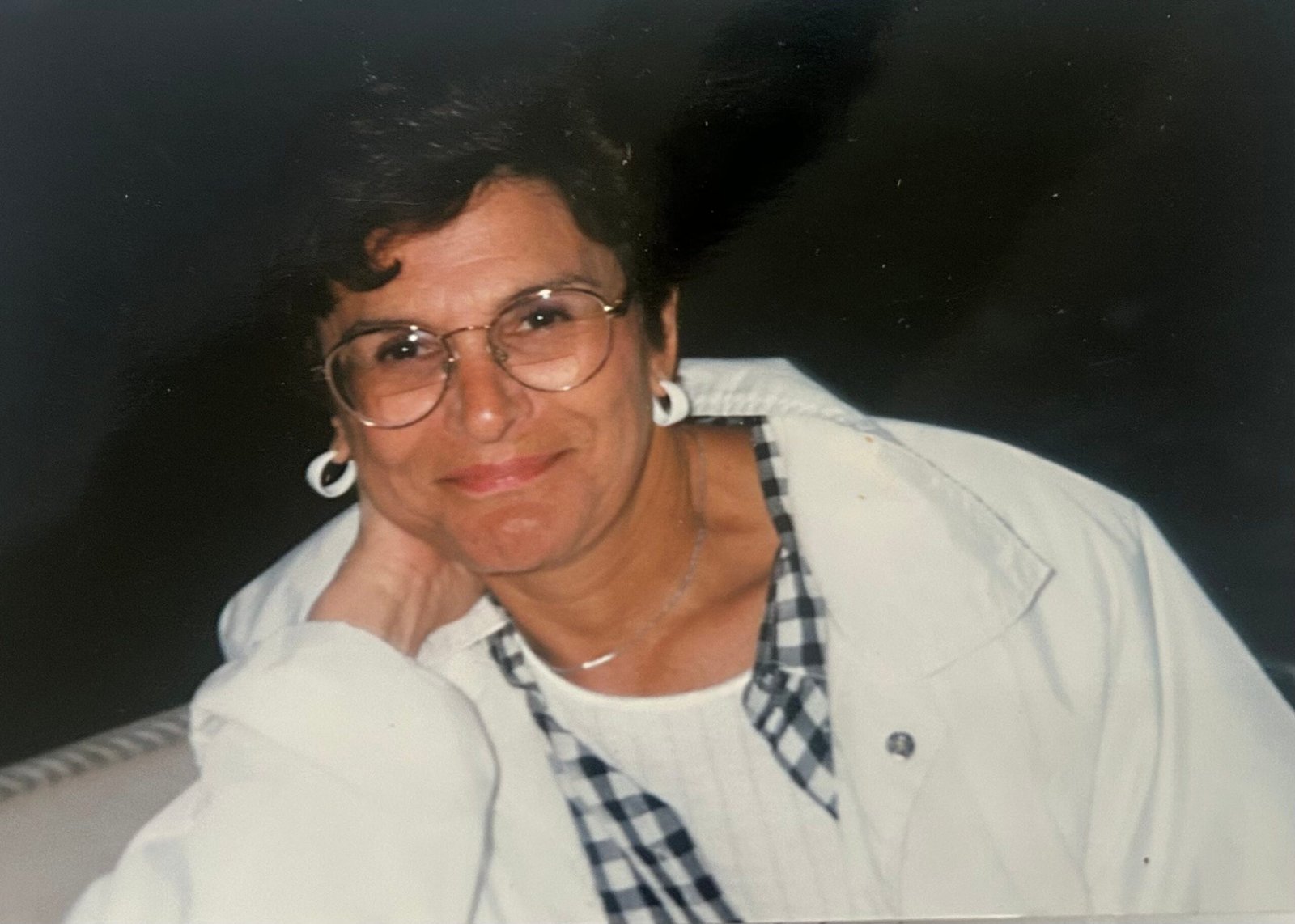
Woman posing for photo in the 80s

I wanted to be perfect like my grandmother. Then she asked me a question that changed my approach to life.

The author’s grandma was a perfectionist.

  • My grandmother’s terminal cancer diagnosis taught us both to let go of perfectionism.
  • Her lifelong pursuit of order and perfection shaped our family’s habits and expectations.
  • Facing illness, she embraced acceptance and inspired me to value effort over unattainable ideals.

My grandmother strove for perfection, convinced that it was an attainable goal if only you worked hard enough.

This meant eating less to lose weight. Food deprivation became a family bonding activity when my grandmother was on a diet. Diets lasted decades. We had marathon cleaning weekends while friends went to the mall. Play clothes were swapped out for school clothes for our rare trips to Burger King. Random dust checks were performed to ensure vacuuming of floors was done correctly. I’ll never forget her finger with a perfectly manicured nail grazing the cool Italian tile floor. Chore lists graced our refrigerator in the same way my friends’ quizzes and pictures graced theirs.

My grandmother wanted and demanded order, believing it led to perfection. My childhood was spent trying to please. She did not expect more from us than she did from herself, though. I hold many memories of Gram chastising herself for her too-big thighs or her less-than-stellar self-control around chocolate. It was a weakness that caused her significant guilt.

I followed her steps

Years later, as I began my own journey toward motherhood, I vowed that my children would not endure what I had. I would allow them to make messes. That dog I always wanted, but was never allowed to have because pets were dirty, would complete the large family I also always wanted. Perfection would become what it was meant to be, a foolish ideal — not a reality to strive for at all costs.

Family birthday
The author’s grandmother was diagnosed with terminal cancer.

Instead, I repeated exactly what I knew. My kids had to have matching outfits, picture-perfect Christmas cards, and all the things perfection required. I would clean and exercise until I reached the point of exhaustion. I worked out through all four pregnancies and directly after.

I recall throwing a birthday party for my son. He was turning 3 or 4. Someone commented on how great I looked. “Nicole makes sure everything is always perfect,” someone else said. I reveled in the praise. Gram heard the comment and smiled. We shared a common bond. When one of us inched closer to it, the other one felt proud.

Then my grandmother was diagnosed with cancer

The exhaustion of parenting four kids and attempting to create the perfect world for them and me was intense. I was stuck in a cycle. It would not break until one sunny fall day. I was running around attempting to clean and wrangle the kids for lunch. The plan was to work out after they took their naps. The phone rang, and my grandmother greeted me on the other end. All I heard was the word sick. I assumed it was regarding my grandfather, who had had heart problems for decades. I thought perhaps it was another heart attack.

“No, baby, it’s me. I’m sick.” It was shocking. Gram had lived a life of such order and perfection. She was in her 70s and active. She took only one pill for high blood pressure. Gram had Stage 4 ovarian cancer, which meant we discovered it late. We looked up the statistical odds of survival. My grandmother had a terminal illness.

The diagnosis changed her. For the first time, her constant need for perfection seemed foolish. Weight didn’t matter, nor did matching a purse to shoes to a blouse. When Gram lost her hair, one of her most beautiful features, and found herself struggling to keep the house clean, she understood things had to change. Maybe a wig wouldn’t be so bad. Maybe hiring someone to come in and help was OK. Her new favorite saying became, “Don’t sweat it.” What mattered was time and how she spent it.

She asked 1 simple question

When she saw me working myself to death to provide a perfect life for my family, Gram realized I had become just like her. She said, “Perfection isn’t worth it. It isn’t even real.” Then, she asked a question that changed everything for me.”Did you do your best?” When I answered that I had, she said, “Well, that’s all you can do then.”

It changed the way I lived my life and significantly reduced the pressure on me.

Watching her health diminish and understanding that she had limited time helped Gram realize what was important. Perfection and holding onto unrealistic expectations and ideals no longer fit into her life. Watching her learn this lesson allowed me to learn it alongside her. She taught me so that I didn’t have to wait until I was in my 70s battling a terminal illness. When I remember her now, I am forever grateful.

Read the original article on Business Insider

Source link

Santacon London

5 of the most unusual Christmas traditions that non-Americans won’t understand

SantaCon.

  • Every country has its own Christmas traditions.
  • The US is no different, and there are many American traditions that baffle the rest of the world.
  • Hiding a pickle ornament and drinking eggs are some of the most interesting US Christmas traditions.

Christmas is the time for gift-giving, spending time with family, reflecting on the year, and … running around bars dressed up as a drunk Santa?

Like any other nation, the US has its own holiday traditions that might seem confusing to people from other countries.

We’ve chosen five Christmas traditions that are as American as fireworks on the Fourth of July and turkey on Thanksgiving.

Some Americans hide pickle ornaments in Christmas trees, but no one can really agree on how this tradition got its start.
pickle ornament
Pickle ornaments.

Many Americans have a pickle ornament for their Christmas tree. Traditionally, the ornament is supposed to be hidden somewhere on the tree, and the first child to find it receives an extra present, but it’s unclear where this tradition started. One website, Why Christmas, points to two potential origin stories.

The first legend goes that two boys were killed by an evil innkeeper, who put their bodies in a pickle barrel, but a passing Saint Nicholas was able to magically revive them.

The other suggests that a German-born soldier in the American Civil War was imprisoned, and begged for one last pickle before he died. A guard took pity on him and gave him a pickle, which miraculously sustained him.

Another theory posits that the pickle ornament got its start in Germany, per The New York Times, though few people there have heard of it. It is more likely that it was a marketing stunt invented by those importing glass decorations from Germany.

Popcorn is another decoration seen on American Christmas trees.
christmas tree popcorn

While Christmas trees as we know them are said to have originated in Germany in the 16th century and brought to German settlements in Pennsylvania, the popcorn garland is an American thing.

As Christmas trees were a relatively new idea, people had to get creative with their décor. Apparently, recently transplanted German Americans favored using fruits and nuts, thus turning to popcorn, which was ubiquitous.

Per The Daily Meal, this practice was originally meant to help feed birds during harsh winters.

However, the rest of the world might have a hard time understanding why everyone’s favorite movie theater snack would appear on a Christmas tree.

Drinking egg yolks is an American tradition that people from other parts of the world just don’t understand.
A glass of eggnog.
Eggnog.

According to The Spruce Eats, eggnog has its roots in posset, a punch with ale, raw eggs, and figs, served warm. British monks drank posset all the way back in the 13th century.

It eventually crossed over to America, where it was renamed eggnog. Its first known use dates back to 1775, according to Merriam-Webster.

Eggnog typically consists of egg yolks beaten with sugar, milk, and/or cream and your choice of alcohol. Rum, whiskey, and sherry are all acceptable options.

While eggnog might not seem that strange to Americans — even George Washington had his own recipe — it’s a hard sell to the rest of the world, who might not find drinking eggs appetizing, let alone when mixed with rum.

Getting drunk dressed as Santa is one festivity that’s spread to other parts of the world.
santa con

SantaCon’s roots are believed to be in ’70s Danish performance art, according to Vox, but it eventually crossed over to San Francisco in the ’90s, as a protest called Santarchy.

A secret society called the San Francisco Suicide Club was dedicated to pranking the city and generally causing chaos for fun. One of their events, Santarchy, began with members dressing as Santa, sneaking into bars and parties, and inciting mayhem.

Over the years, it became a giant pub crawl. One of the biggest SantaCons takes place in New York City every year, and has been advertised as a charity event.

According to Newsweek, the NYC SantaCon raised over $400,000 in the five years leading up to 2018 by asking participants for donations. The money goes to charities across the city, such City Harvest, The Secret Sandy Claus Project, and The Food Bank for New York City.

Mostly, though, it’s a drunken, debaucherously good time.

Raging bonfires help Santa find his way to homes in Louisiana.
christmas bonfire louisiana
Fireworks explode over a row of fires during the Festival of the Bonfires December 24, 2005 in Lutcher, Louisiana. It is said in Louisiana that the fires from the Cajun tradition help show Santa Claus the way to homes in the area on Christmas Eve.

Christmas bonfires are a Christmas Eve tradition in Louisiana, where tree-shaped bonfires are lit up on the levees that keep the Mississippi River under control.

It’s a Cajun tradition, Cajuns being the descendants of French Canadians driven from French colonies in Canada by the British in the 18th century. The bonfires are said to help Papa Noel (Santa Claus) find his way in the dark.

Hundreds of raging fires up and down the Mississippi River might not be everyone’s idea of an idyllic Christmas Eve.

Read the original article on Business Insider

Source link

As-my-teens-get-older-theyre-fiercely-embracing-our-holiday.jpeg

As my teens get older, they’re fiercely embracing our holiday traditions again. I love it.

As a mom of three teens, ages 14 to 18, I’ve had my share of years as the bringer of holiday magic. While I never welcomed the Elf on the Shelf into our home (no regrets), I did pretty much every other holiday tradition, including festive train rides and mall photos with Santa.

In the years when my kids were young, the weekends between Thanksgiving and New Year’s were packed with holiday activities, leaving me exhausted and counting the days until they went back to school in January. The elation of Santa’s arrival was paired with too-early wakeups and too many presents to assemble late at night. I loved seeing the joy in their eyes when they opened that LEGO set or butterfly-growing kit, but man, it was exhausting.

Then came the tween years, which had me begging for someone — anyone — to join me on our annual drive through the neighborhood to look for the best holiday lights. These were the years when everything seemed like forced family fun, and I had to resort to heavy bribery (or light threats) to get anyone to come along.


The author poses next to a Christmas tree with her husband and their three children.

The author said her kids stopped enjoying holiday traditions they once loved when they became tweens. Now that they’re older, they’re starting to enjoy them in new ways.

Courtesy of Kate Loweth


My teens have come back around

It was only in the last year or so that I’ve seen a change in my kids. It started with my 18-year-old daughter planning a trip to the pumpkin patch with her high school friends. I had resigned myself to grocery-store pumpkins the last few years, as nobody seemed excited to make the effort to visit the pumpkin patch (and I wasn’t paying pumpkin-patch prices for grumpy kids). When my daughter mentioned that she and a few friends were going to the pumpkin patch on a Friday night, I was surprised but secretly excited, because who doesn’t love wholesome teen activities?

Then, when I wasn’t immediately busy decorating our house for Christmas after Thanksgiving, my 14-year-old son took it upon himself to hang the stockings and decorate the tree. My middle kid put up the outdoor Christmas lights without any adult prompting or assistance. Then, after skipping the nearby drive-thru lights experience for many years, the kids asked if we’d be going this year. Immediate yes.


The author's son stands on a ladder while hanging holiday lights on the family home.

The author said her middle child took it upon himself to hang holiday lights on the family home.

Courtesy of Kate Loweth


Passing on the holiday magic

These festive activities, which once felt optional and even embarrassing to my kids, now seem to matter to them once again. While there’s nothing like those early years with kids who are all in on Santa and his holiday magic, I’m finding a different kind of joy in this stage. I love watching my teenagers take it upon themselves to fill our house with the holiday spirit, not because I asked them to, but because they wanted to.

For years, I carried the responsibility of creating holiday magic. Now I see that letting go made room for something better. As my kids inch closer to leaving the nest, I love seeing them bring new life to our family traditions.


Source link

We-give-our-teenagers-more-experiences-than-gifts-for-Christmas.jpeg

We give our teenagers more experiences than gifts for Christmas. It brings us closer as a family.

When my kids were little, we embraced the magic of Santa Claus. Christmas morning meant lots of presents to unwrap, some from mom and dad, and plenty from Santa. Still, we valued giving our kids experiences, as well. When grandparents and other relatives asked for holiday gift ideas for our kids, we’d always suggest things like a membership to our local zoo or movie theater gift certificates — gifts that would provide us with time together as a family instead of sending more stuff into our house.

Our gifting style changed when my kids stopped believing in Santa. Sure, we’d give our kids a few actual presents to open on Christmas morning, but we also upped the emphasis on choosing experiences over gifts. From cruises to road trips, we started turning our focus to what we could do together to create memories over the holiday season, away from material things.

We give our kids experiences, but they still get a few things from their wish lists


The author's kids opening gifts on Christmas when they were younger.

The author’s kids have always gotten gifts, but over the years, they’ve gotten fewer presents and more experiences.

Courtesy of Terri Peters


My teenagers are now 15 and 17, and while they look forward to the items from their Christmas list that do end up under our tree, they also like finding things to experience together as a family. And it’s not always the gift of travel we bestow upon them; there’s also magic and memories to be found in the things we do together at home.

As my kids have gotten older, they’ve begun to appreciate our holiday traditions, such as assembling gingerbread houses, hopping in the car to see Christmas lights, and going to a holiday-themed theater production together just as much as they appreciate a new pair of sneakers or a video game on Christmas morning.

Travel is one of the experiences we most love giving our teens


The author with her family on a beach.

The author enjoys traveling with her family as part of their holiday gift.

Courtesy of Terri Peters


Still, travel remains a gift we love giving to our kids over the holidays. This year’s holiday trip was a trek from our home in Florida to New York City, where we stayed in a hotel within walking distance of Central Park and Times Square, saw a Broadway show every night, and ate some seriously good NYC treats all over the city.

In past years, we’ve gone on a 10-day cruise around the Caribbean and taken a 3-hour road trip to spend a few days exploring Miami. Wherever we go and however we get there, traveling helps us tuck away cherished memories of time together, and hopefully, it will teach my kids how important it is to experience the world with people you love.

We also consider holiday-season day trips part of our kids’ Christmas gifts


The author with her son and the Grinch at Univeral.

They also do day trips, including the holiday show at Universal Orlando.

Courtesy of Terri Peters


Living in Central Florida, we have lots of great day trip options, too. Often, we go on the same adventures every single year, like heading to Universal Orlando to see their Grinch-themed holiday stage show or taking a drive to do an airboat ride (a very Florida way to see nature, waterways, and yes, alligators). On these trips, we often let them bring a friend or partner along for the day, teaching them to choose time together with the people they love over spending a lot of money on gifts.

In fact, I was touched this year when my son was telling me the things he’s planning to get his girlfriend for their first Christmas together. Sure, there were some very sweet presents in the mix, but he also asked for my help in presenting her with the gift of an experience they can do together after the holidays. Seeing them pay our family traditions forward in their own ways is pretty heart-warming.

I’m so happy my family simply enjoys being together over the holidays


The author's two kids standing on a balcony.

The author’s kids enjoy spending time with each other and their parents over the holidays.

Courtesy of Terri Peters


My teens truly seem to love our family tradition of focusing on experiences more than presents during the holidays. Not only has it built us a treasure trove of memories (and family photos) throughout the years, but it’s given them a solid foundation of understanding that life isn’t about getting the next big material possession on your wish list; it’s about experiencing everything life has to offer with the people you care about most.

As a mom, I love seeing my kids open the gifts I’ve picked out for them on Christmas morning just as much as the next parent. Still, I’m OK with there being fewer presents under the tree as long as I know we truly enjoyed one another’s presence during the holiday season.


Source link