Jury-rules-against-Meta-YouTube-in-bellwether-teen-addiction-case.jpeg

Jury rules against Meta, YouTube in bellwether teen addiction case — the first of many

Meta and Google were found negligent in social media addiction trial in Los Angeles on Wednesday, potentially setting the stage for dozens of similar lawsuits that have been brought against Big Tech companies.

The case centered on a 20-year-old woman, identified as KGM, who said her use of social media from a young age was detrimental to her mental health and accused the companies of knowingly engineering their products to addict kids.

After nine days of deliberation, the jury found Meta, the parent company of Facebook and Instagram, and Google, which owns YouTube, negligent. In a 10-to-2 vote, the jury also ruled that the two companies knew their design was “dangerous” but failed to warn the plaintiffs.

The jury awarded the plaintiff $3 million in compensatory damages and will proceed to punitive damages, which could increase the amount of money owed.

“We respectfully disagree with the verdict and are evaluating our legal options,” a Meta spokesperson said. Representatives for Google didn’t immediately return a request for comment.

The trial in Los Angeles state court has been viewed as a bellwether, offering a key test of how juries may see similar personal injury lawsuits brought by over 2,000 individuals. Meta has said potential damages in certain cases could reach into the “high tens of billions of dollars.”

TikTok and Snapchat were also defendants, but settled the lawsuit before the trial began.

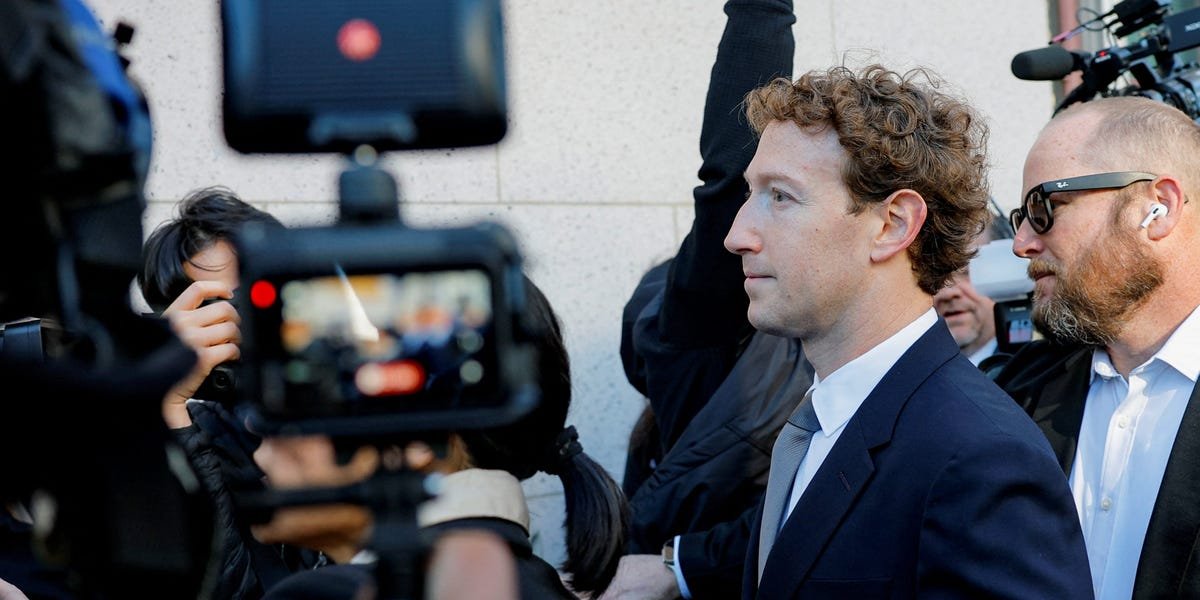
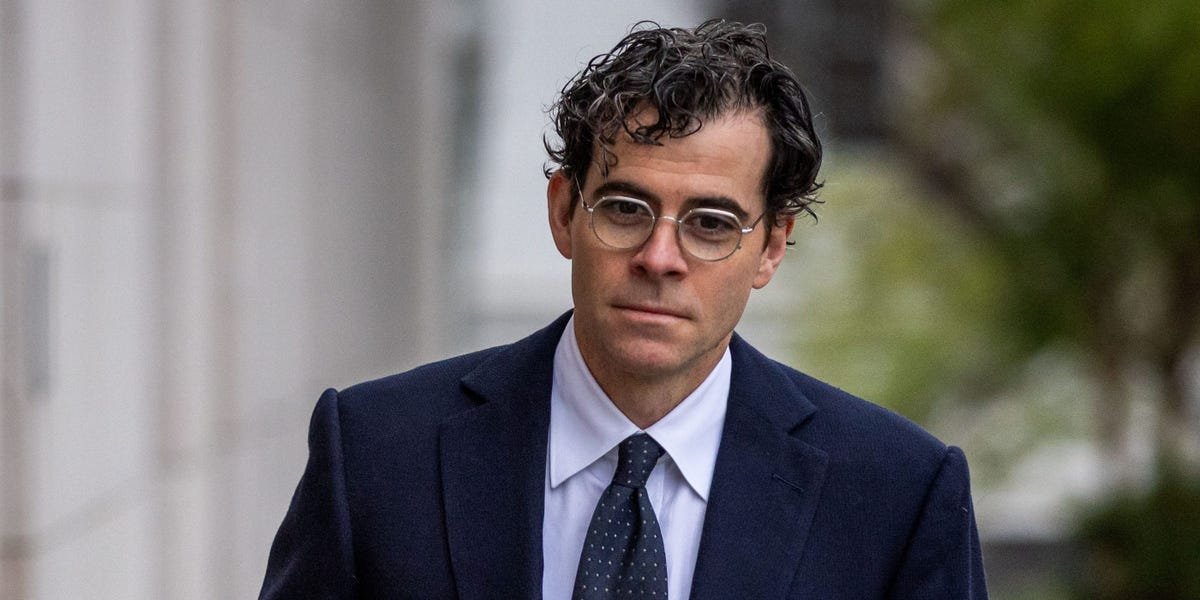
Meta executives testified at the trial last month, including CEO Mark Zuckerberg and Head of Instagram Adam Mosseri, drawing large crowds of media and concerned parents, including some involved in other social media addiction lawsuits.

The companies have argued that plaintiffs’ struggles are due to myriad reasons and can’t necessarily be linked to social media.

During Meta’s closing argument at the Los Angeles trial, Paul Schmidt, one of the company’s attorneys, said the plaintiff needed to prove that if Instagram were taken away from KGM, her “life would be meaningfully different.”

“The evidence has shown just the opposite,” Schmidt said.

In January, Meta warned investors that its mounting legal battles related to youth safety could “significantly impact” its 2026 financial results. Attorneys for more than 100,000 individual arbitration claimants have “sent mass arbitration demands relating to ‘social media addiction'” since late 2024, the company said in a 2026 10-K, specifically noting the case in Los Angeles, as well as a separate case in New Mexico.

The New Mexico case, which occurred at the same time as the Los Angeles trial, addressed different legal and technical issues.

On Tuesday, a jury in New Mexico ordered Meta to pay $375 million after a verdict came down in the state’s lawsuit against the company about sexual exploitation.

Meta said it would appeal the case.


Source link

Parents-showed-up-to-face-Mark-Zuckerberg-as-he-took.jpeg

Parents showed up to face Mark Zuckerberg as he took the stand in a social media addiction trial

Lori Schott, a mother from rural Colorado, said she stared down Meta CEO Mark Zuckerberg as he walked into court in Los Angeles on Wednesday to testify in a landmark trial regarding social media addiction.

Schott lost her 18-year-old daughter, Annalee, to suicide in 2020. She believes the content Annalee saw on social media platforms “destroyed” her mental health.

“I made eye contact with him for quite a long time,” Schott said of Zuckerberg. “I was not backing down.”

Schott is not a plaintiff in the case where Zuckerberg testified on Wednesday, but is among more than 2,000 individuals who have similar personal injury lawsuits pending regarding social media addiction and harm.

The case underway in Los Angeles centers on a 20-year-old woman, identified by the initials KGM, who says her use of social media throughout her childhood negatively affected her mental health, contributing to depression and suicidal thoughts. It is considered a bellwether trial that could indicate how other similar lawsuits related to social media harm, like Schott’s, could play out.


LOS ANGELES, CALIFORNIA - FEBRUARY 18: Lori Schott , holds a picture of her daughter Annalee who died by suicide after consuming social media content on depression, anxiety and suicide, stands outside the Los Angeles Superior Court at United States Court House on February 18, 2026 in Los Angeles, California. A 20-year-old California woman sued Meta and YouTube accusing them of building addictive platforms causing harm to children. Schmitt is not part of this case but has a separate social media case and came to advocate and raise awareness. (Photo by Jill Connelly/Getty Images)

Lori Schott, a mother from rural Colorado, lost her 18-year-old daughter, Annalee, to suicide in 2020.

Jill Connelly/Getty Images


Meta, which owns Instagram and Facebook, was named as a defendant alongside Google-owned YouTube, TikTok, and Snapchat. TikTok and Snapchat both settled the lawsuit out of court.

Last month, Meta warned investors that its mounting legal battles over youth safety could “significantly impact” its 2026 financial results. Attorneys for more than 100,000 individual arbitration claimants have “sent mass arbitration demands relating to ‘social media addiction'” since late 2024, the company said in a 2026 10-K, which warned that potential damages in certain cases could reach into the “high tens of billions of dollars.”

In a statement, Stephanie Otway, a Meta spokesperson, said: “We strongly disagree with these allegations and are confident the evidence will show our longstanding commitment to supporting young people.” Otway highlighted changes the company has made over the past decade, including Teen Accounts, which give parents tools to manage their teens’ accounts.

Google declined to comment. TikTok did not respond to a request for comment. A Snapchat spokesperson said in a statement: “The Parties are pleased to have been able to resolve this matter in an amicable manner.”

On Wednesday, parents showed up hours before the courthouse opened in hopes of getting a seat inside. Many of them had personal stories about how they believed social media use harmed their children.


Parents and family members, including some plaintiffs in the case, hold hands as they pose together before entering the Los Angeles Superior Court for the social media trial tasked to determine whether social media giants deliberately designed their platforms to be addictive to children, in Los Angeles, on February 18, 2026. Meta CEO and Chairman Mark Zuckerberg is scheduled to testify Wednesday. (Photo by Frederic J. Brown / AFP via Getty Images)

Parents gathered outside the Los Angeles Superior Court on Wednesday.

Frederic J. Brown / AFP via Getty Images


“We face a lot of stigma from people telling us we’re bad parents,” said Amy Neville, another parent who attended to show her support. She said that once the evidence comes out in the trial, she believes “the tide will turn, and the general public will be on board with us.”

“It is by design that social media is tearing their family apart,” Neville said.

On the stand, Zuckerberg said that teens represent less than 1% of Meta’s ad revenue and that most teens don’t have disposable income, so it’s not especially valuable to advertisers to reach them.

Zuckerberg said it’s in Meta’s best interest to create a platform that inspires people and makes them want to stick around for the long term.

“If people aren’t happy with a service, eventually over time they’ll stop using it and use something better,” he said.

Sarah Gardner said that regardless of the outcome of the trial, she hopes it raises awareness about how the social media companies, and specifically Zuckerberg, have been operating. Gardner is the CEO of the Heat Initiative, an advocacy group that pressures Big Tech companies to make their platforms safer for kids. She was at the courthouse with the parents who believe they have been affected.

Gardner said she’s hopeful the trial will empower more people to say, “I don’t want to be on Instagram anymore.”


Source link

OpenAI-Meta-and-Apples-latest-battle-Breaking-your-phone-addiction.jpeg

OpenAI, Meta, and Apple’s latest battle: Breaking your phone addiction

The average American picks up their phone more than 200 times a day. Teens are pinged with some 250 notifications a day — during school, after school, and overnight. The apps meant to prevent you from checking apps have done little to stop the problem. Now, some of the tech companies that helped create our screen dependence are trying to disrupt it.

Later this year, OpenAI plans to debut a small, screenless device that Sam Altman describes as more “peaceful” than a smartphone. Apple, the Oz of screentime, is developing smart glasses, a pin, and AirPods with more AI built in, according to a Tuesday report from Bloomberg, with the rumored pendants featuring microphones and cameras to be the “eyes and ears” of the iPhone. Meta has teased its fully augmented reality Orion glasses since 2024. While that device doesn’t have a release date, the company last year sold some 7 million pairs of its smart glasses, which is the start of the post-smartphone future Mark Zuckerberg has predicted. Eventual smart specs could be more screen all-the-time than screenless, but they also rely on AI to make the experience much more hands-free than swiping and scrolling on a phone.

Could AI be what finally breaks our phone addiction?

Since 2007, no device out of Silicon Valley has captured universal imagination the way Steve Jobs did when he put your iPod, your phone, and the internet together on a 3.5-inch screen. Competitors have tried for a decade-plus to get people to shift us from the iPhone to smart glasses, and largely failed. The awe around smartphones has turned to derision, as excessive screen time is linked to disrupted sleep, anxiety, and fractured attention. Now, developers are hoping the AI boom can give us the next big thing.

Beating the smartphone would mean replacing a device that 91% of American adults now carry — a device for which millions of apps have been developed and people now depend on in lieu of wallets and cameras and health monitors. New AI devices can’t just copy what smartphones do, says Ramon Llamas, a research director at a technology intelligence firm IDC: They have to show they have a solution to an everyday problem. If they don’t, Llama says, “these things are just gonna really end up as solutions looking for a problem to solve.”


Critiques of screen time can be as blunt and smoothbrained as what the critics say excessive screen time makes you. A seven-hour daily log may seem like a staggering amount of dependence, but what did the person spend those seven hours doing? Doomscrolling late into the night, or FaceTiming with a far-away friend? With AI wearables, there’s the risk of becoming dependent on the device for different reasons.

“The screen may not be there, but what’s getting filled in the back is already this problem of AI companionship,” says Olivia Gambelin, an AI ethicist and author of the book “Responsible AI.” An AI device designed to do something very specific — like listen to a meeting and then send follow-up emails or messages related to action points discussed — could save people time and keep them from writing tedious emails and Slack messages from their desk. But that same device listening in to personal conversations with family and friends could compromise a relationship, and erode the positive effects that texting a friend to check-in can have on both people (already, my friends are tiring of AI summaries on the iPhone that summarize our group text and become an intermediary into our threads of gossip and jokes in the name of efficiency). Wearing microphones and cameras to social interactions and into businesses is likely to really weird out some of the people around you. More people are entering into romantic, dependent relationships with AI companions, and a swell of loud dissenters are criticizing the technology for taking jobs and attempting to replicate human relationships.

But OpenAI is betting that it can package its technology in a device in a way that calms the user. “When I use current devices or most applications, I feel like I am walking through Times Square in New York and constantly just dealing with all the little indignities along the way,” Altman said in November. OpenAI’s device, he said, would be less Time Square, more “sitting in the most beautiful cabin by a lake and in the mountains and sort of just enjoying the peace and calm.” That’s because the AI device would learn “contextual awareness of your whole life,” and when best to send you alerts.

The screen itself may not be the problem; it’s what’s summoning us to the screen.

Other AI wearables have failed by falling short of that goal. Humane AI sold a wearable pin, priced at $700 plus a monthly fee to connect it, but pulled it from the market a year ago. It failed perhaps because it tried too hard to replace our phones — it didn’t interact with them, but provided a shoddy replacement. Novelty wasn’t a factor that could outshine usability. The AI Friend pendant, which can’t search the internet or help with tasks outside of sending reminders and acts instead as an eavesdropping sycophant around its user’s neck, was mocked relentlessly and sold just a few thousand devices after it hit the market last year.

Companies trying to make AI hardware should focus on “transformative features,” Jason Low, research director at Omdia, tells me in an email. AI wearables must be more than “marginally more convenient,” should integrate with our existing products, and have a clear, stated value. For example, glasses that provide real-time language translation or devices for fitness and health tracking offer features our smartphones can’t do as well. The Oura ring continues to grow in popularity, particularly among women after starting out as a niche tech bro buy, for the novel insights it can offer; the company announced last fall it has sold 5.5 million rings since 2015, with more than 2.5 million sold between June 2024 and September 2025. “These devices often deliver a more polished user experience compared to general-purpose, do-it-all AI devices,” Low says.

Llamas tells me that the AI functions of a wearable have to be “contextual, personalized, and actionable,” like reminding the wearer to send birthday flowers or responding accurately to being asked to direct the user to the nearest Starbucks. A first attempt device shouldn’t try to replace the smartphone, but to integrate with the Apple or Google ecosystems, he says. Apple and OpenAI did not respond to requests for comment about their rumored products for this story.

If anything has hyped Silicon Valley like the iPhone, it’s been AI. But three years after the mainstream adoption of ChatGPT, the value generative AI in the white collar workforce has yet to be fully realized. That could make a product for consumers a hard sell, too. “Some of the overwhelm that’s coming with AI that I see in general users is you can use it for everything, or it’s promoted that way, which is actually quite stifling,” Gambelin says.

In our quest to find a peaceful equilibrium with tech, the screen itself may not be the problem; it’s what’s summoning us to the screen. Its bright colors, games, and infinite scroll give quick dopamine hits that entice us to stay glued to it. But much of what pings my phone throughout the day are useless notifications trying to get me to reopen one of the dozens of apps — a markdown moment on a clothing thrifting app, a like on the Instagram story I’ve posted of my dog from my best friend, and ironically, a report of how much time I’ve already logged. There’s a relentless business model at play to keep us on these apps. No screens would mean no infinite scroll through TikTok, no Candy Crush — but app developers and companies may need to find new ways to reach people if wearables caught on, and an always-there AI device and companion might not be as peaceful as Altman describes. Our collective screen time is a problem, but the AI wearable will have to surprise us all with something novel to be useful.


Amanda Hoover is a senior correspondent at Business Insider covering the tech industry. She writes about the biggest tech companies and trends.

Business Insider’s Discourse stories provide perspectives on the day’s most pressing issues, informed by analysis, reporting, and expertise.



Source link

Instagrams-top-exec-grilled-about-his-pay-at-social-media.jpeg

Instagram’s top exec grilled about his pay at social media addiction trial

Adam Mosseri’s multimillion-dollar pay package took center stage on Wednesday as lawyers sought to link Meta’s profits to platforms that addict children.

As the first of several tech executives to testify in a social media addiction trial playing out in Los Angeles state court, the head of Instagram said he is paid roughly $900,000 a year and receives annual performance-based bonuses that can be as high as half of his salary.

Like many executives of publicly traded social media companies, Mosseri, who’s been head of Meta’s Instagram since 2018, also earns stock-based compensation.

From the witness stand, Mosseri said that his stock-based pay varies year to year but that it has been in the “tens of millions of dollars.” Some years, he said, he believes it’s been over $20 million.

Mosseri made the comments while being questioned in Los Angeles Superior Court over a lawsuit that argues Meta and YouTube knowingly engineered their platforms to addict and cause harm to kids. Snap and TikTok were also named in the lawsuit but settled before trial for undisclosed amounts.

Mark Lanier, the attorney representing the plaintiff, pressed Mosseri on how the company determined its policy on cosmetic filters, such as filters that alter users’ appearances, which was a key topic in court on Wednesday. He brought up Mosseri’s compensation again while asking whether banning filters could have hurt Mosseri’s bottom line by limiting the company’s growth.

“I was never worried about this affecting our stock price,” Mosseri said in court.

Meta declined to comment about Mosseri’s compensation.

The lawsuit centers on a 20-year-old woman, identified by the initials KGM, who says her use of social media throughout her childhood negatively affected her mental health, contributing to depression and suicidal thoughts.

The case is considered a bellwether trial that could indicate how other similar lawsuits related to social media addiction might play out.

“We strongly disagree with these allegations and are confident the evidence will show our longstanding commitment to supporting young people,” Stephanie Otway, a Meta spokesperson, told Business Insider. Otway said the company has been making ” meaningful changes—like introducing Teen Accounts with built-in protections and providing parents with tools to manage their teens’ experiences.”


Source link