
I-started-a-list-of-Black-owned-businesses-in-Maine-6.jpeg

I started a list of Black-owned businesses in Maine 6 years ago. I took it down when ICE showed up.

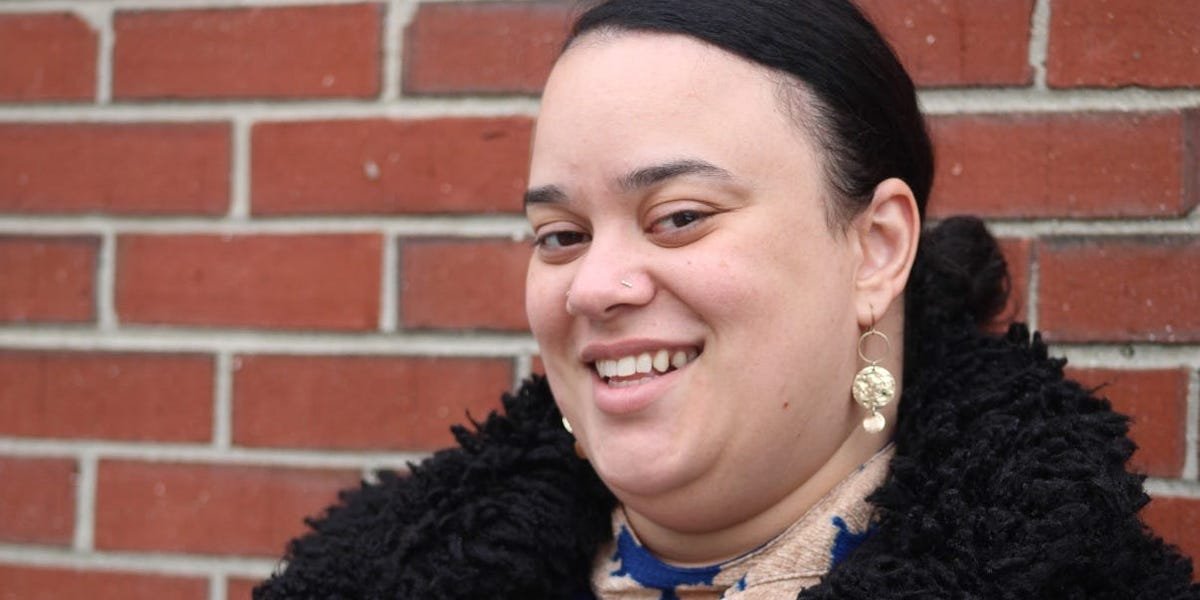
This as-told-to essay is based on a conversation with Rose Barboza, founder of Black Owned Maine. It has been edited for length and clarity.

In the summer of 2020, I started a directory of Black-owned businesses in Maine. I was looking for a way to support the Black community for people who couldn’t attend protests. I also wanted to make a longer-term economic impact.

It immediately took off. These were my neighbors and local businesses that I just hadn’t heard about. That’s the thing: People joke about Maine being the whitest state, but there are actually plenty of Black-owned businesses here. They’re just not in Maine’s heritage industries, so they don’t necessarily get a lot of attention.

The directory took off like a rocket ship. Black Owned Maine now has four employees, including me, and an annual operating budget of about $250,000. In addition to the directory, we host events and business advising to support Black Business owners. As of late 2025, we had 423 businesses on the list, including a gym, beauty salons, restaurants, translation services, and more. About half of them were owned by immigrants.

I felt the directory became too dangerous when ICE arrived in Maine

I’ve always worried about what could happen if the list got into the wrong hands. My concern grew as there were rumors of ICE coming to Maine to do a large-scale raid. I was worried about agents being able to scrape our website and target the businesses that were listed.

My community was hesitant to bring the list down. Many businesses rely on us for free advertising. One beauty salon owner recently told me she got four new clients in one week after we featured her on our social media. I didn’t want to take that away if I didn’t need to.

When ICE arrived in Maine in January, I decided it was too unsafe to have a public-facing list of Black businesses. We took down the directory in late January.

We’re considering putting the list behind a paywall

Creating Black Owned Maine is the biggest thing I’ve ever done, aside from having children. Taking it down felt like a defeat of my life’s work.

When I feel discouraged — which is often these days — I have to remind myself we’re not at the end. There’s a path forward from here, and we just have to see what it is.

One option we’re looking at is putting the directory behind a paywall. It’s expensive to run this nonprofit, and in recent years, grants for this type of work have been hard to come by. We believe people should be compensated for doing social justice work, and charging to access the directory feels like a way to practice what we preach about economic empowerment.

It would take about $100,000 to rebuild the website in a way that can keep information secure. That includes the cost of staff needed to operate it for about two to three years. Still, it’s a lot of money to ask for. Right now, we’re encouraging people who have used our list to donate.

Despite everything, I’m still hopeful

Maine is such an accepting place. And yet, I’ve had business owners reach out to ask me to take down social media posts featuring them. People are scared. It feels like they’re being forced into hiding.

I’m hoping people will continue to support Black and immigrant communities in Maine. Recently, I booked an appointment with a new dentist, an immigrant from Southeast Asia. Her clinic is a little further away, but I want to support her. If we’re all more intentional about where we spend our money, we can make a difference.

Sometimes I think, “Why are we even doing this?” But underneath the difficulties, I’m still hopeful.

Editor’s note: Business Insider reached out to ICE for comment.


Source link

Line chart

ICE’s Minnesota surge is pushing small businesses to abandon business as usual

A second fatal shooting by federal officers in Minneapolis on Saturday has further inflamed tensions in the city.

Immigration agents, in full view of filming protesters, tackled a 37-year-old man to the ground before one shot him multiple times. City officials said in a press conference on Saturday that the man, who they believed to be a US citizen, had died at the scene.

The shooting occurred as thousands of protesters converged in downtown Minneapolis to rally against the Department of Homeland Security’s Operation Metro Surge, which has flooded Minnesota with ICE agents since December. Tensions have been high since officer Jonathan Ross fatally shot 37-year-old Renee Good on January 7.

Caught in the middle of all this are the city’s small businesses, which are typically grappling with a quiet January.

Dan Marshall, the owner of Mischief Toys in neighboring St. Paul, said he usually spends the month cleaning up after Christmas, painting the walls, and doing his taxes.

This year, though, “that’s not what we’re being called to do,” he said. Marshall co-owns the toy and game store with his wife and daughter.

Instead, he said the store has distributed about 4,000 3D printed whistles, which Minnesotans have been using as an alert and protest system against ICE. Marshall said that the store has also served as a space for the community to come in, relax, and process what they’ve been seeing.

“Retail feels totally different right now,” Marshall said. “It feels like a way of connecting with our community that we haven’t really felt before. It’s very raw.”

For small business owners in Minnesota, it’s been an eventful — and not necessarily lucrative — January, as they instead turn their attention to supporting their communities.

Many businesses are also opting into a possible income hit on January 23, when unions and faith leaders are calling for a suspension of work, school, and shopping to protest ICE’s actions. Local news site Bring Me The News compiled a growing list of over 200 local establishments’ social media posts about their plans to participate in the economic blackout day. Some have said they plan to donate that day’s revenue; others are shuttering completely or opening as a free community space.

DHS Assistant Secretary Tricia McLaughlin said in a January 20 press release, “Since President Trump took office, DHS has arrested over 10,000 criminal illegal aliens in Minnesota, and we are NOT slowing down. Our law enforcement officers are saving countless American lives.” ICE did not respond to a request for comment from Business Insider.

In a statement, White House spokesperson Abigail Jackson said that the Trump administration’s immigration operations “have resulted in countless dangerous criminal illegals being removed from the streets.”

“Making American communities safer will create an environment in which all businesses can thrive in the long term and their customers can feel safe,” Jackson said.

Catzen Coffee, a specialty coffee shop with an attached cat lounge, will not be doing business on Friday, but plans to open for those who need a space to hang out — free coffee and cat cuddles included.

Catzen owner Vanessa Beardsley said that the irony of being a business owner and opting out of business for a day never crossed her mind; not making revenue was never part of the calculus.

“We’ve got to do what we can do right now,” Beardsley said.

A topsy-turvy January

“January always sucks,” Matt Cole, the owner of Oh Yeah! Cookie Company, said. “As a business owner, especially in retail business, people spend a lot of money in December and November, and they usually don’t spend a lot of money in January. So January is always a month that’s hurting — and now it’s really hurting.”

National Retail Federation’s spending data shows an average drop in retail sales of 17.3% from December to January over the last five years. January through March has also typically seen the lowest average monthly employment for small businesses across the past few years. An analysis from consumer research firm Consumer Edge of credit and debit card data found that spending in the Minneapolis-St. Paul metro area by households earning under $100,000 has tracked lower than the national average over the four weeks ending January 10.

This year, Cole estimates he’s donated around $300 worth of cookies to groups distributing treats to kids who can’t go to school amid ICE’s presence. He said that if he does make any money right now, he’ll donate 10% of his sales. The full-time role he works in addition to his homemade baking business has been keeping him afloat.

Cole isn’t the only one pivoting from normal business.

JP Pritchett, the owner of adult store Smitten Kitten in Minneapolis, said that they usually devote January to ramping up for Valentine’s Day, which they described as the “Super Bowl” for adult stores.

“Typically in January, we’re ramping up inventory, getting the store stocked, just getting ready to do commerce,” Pritchett said. “But this year, I don’t care about that. Nobody cares about that.”

Instead, Pritchett said, “We stopped all regular business and created a free store inside Smitten Kitten where people could come get food or send a trusted friend or neighbor to come get food, toiletries, lots of diapers, formula, baby wipes — all the things that are really important to sustain life if you’re in hiding.”

Marshall, the owner of Mischief Toys, said that after promoting the store’s whistle distribution, he received a notice from ICE requesting verification of his workers’ employment eligibility. He said that shuttering on the 23rd sends a message “that our community is much more important than our bottom line,” which he believes is a positive.

“We’d like to sell toys,” Marshall said, adding that he’d prefer to spend January cleaning and painting “because it’s so damn cold here,” but with heightened tensions in the city, “we’re going to step up as much as we can.”


Source link