
Simon-Willison-says-the-dark-factory-is-the-next-big.jpeg

Simon Willison says the ‘dark factory’ is the next big thing in AI

AI can already write most of Simon Willison’s code. The bigger question, he says, is what happens when it no longer needs him at all.

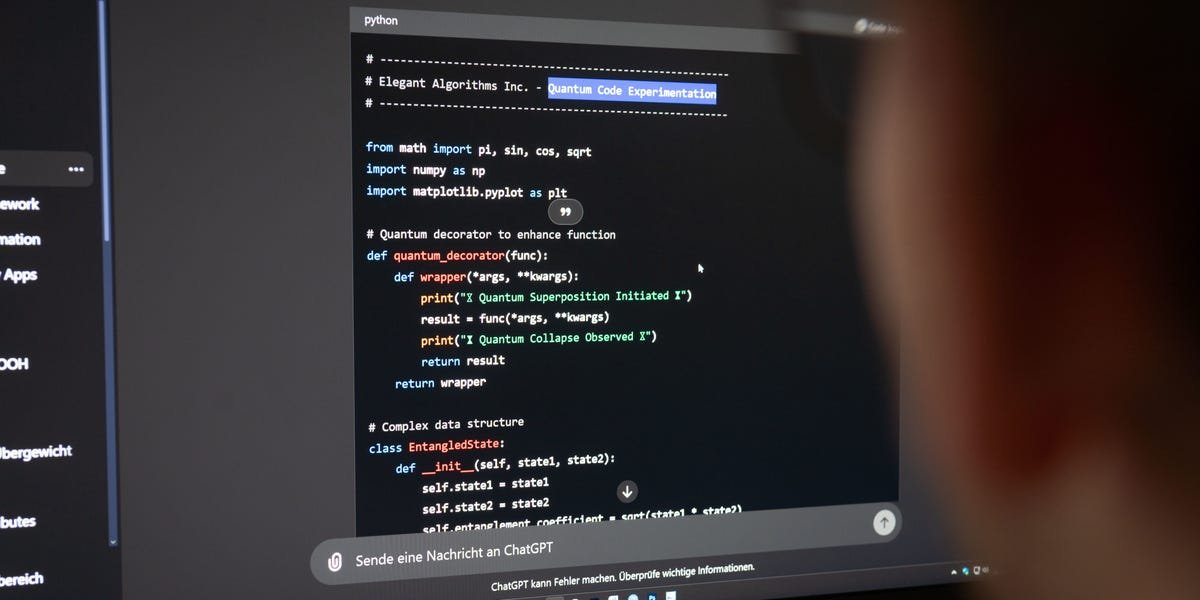
Willison, the co-creator of the Django web framework, which thousands of sites, including Instagram, have used to get started, said professionals who use AI tools typically follow a specific sequence: They tell the AI what they want, monitor its progress, and then review the finished code to ensure it’s correct.

However, what if humans trusted AI to oversee the entire process? That, he said, is called the “dark factory.”

“There’s this idea in factory automation,” Willison said during “Lemmy’s Podcast” on Thursday. “If your factory is so automated that you don’t need people there, you can turn the lights off. Like, the machines can operate in complete darkness if you don’t need people on the factory floor.”

AI has advanced rapidly over the last several years, raising questions over how it could affect the global workforce. While some AI enthusiasts believe the tech will create new jobs, others worry it could replace humans, leaving them unemployed. Some major companies — like Klarna, IBM, Block, and Oracle, to name a few — have all attributed recent layoffs to AI.

Willison said some companies are already telling human staffers not to write code anymore. “Honestly, six months ago, I thought that was crazy, and today, probably 95% of the code that I produce, I didn’t type it myself,” Willison said.

Although vibe coding has made it easier than ever to bring an idea to life, that doesn’t mean everyone will become overnight millionaires. Having an original, creative idea is just as important as having good tech to make it happen.


Source link

Watchdog-sounds-the-alarm-that-PJMs-approval-of-data-centers.jpeg

Watchdog sounds the alarm that PJM’s approval of data centers could leave other customers in the dark

The nation’s largest grid operator is facing a choice — between serving more data centers or keeping the lights on for all its existing customers.

In a complaint filed on November 25 with the Federal Energy Regulatory Commission, Monitoring Analytics, LLC, an independent market monitor for PJM, requested that the regulator mandate that the energy wholesaler only add large data centers to its system if all customers can be reliably served.

“PJM is currently proposing to allow the interconnection of large new data center loads that it cannot serve reliably and that will require load curtailments (black outs) of the data centers or of other customers at times,” the complaint read.

“That result is not consistent with the basic responsibility of PJM to maintain a reliable grid and is therefore not just and reasonable,” the complaint added.

PJM serves over 65 million people, including households and other consumers, across all or parts of 13 states and the District of Columbia. While it is not a utility provider, it helps move electricity across a service area of about 369,000 square miles.

According to the complaint, large data centers are responsible for higher transmission costs, as well as energy and capacity prices. Monitoring Analytics added that existing and expected data center loads already increased PJM’s capacity revenues in its last two capacity auctions by $16.6 billion, and the figure would only “continue to grow.”

The complaint also described a “Critical Issues” meeting among PJM’s Board of Managers to address the issue of data centers, but the board ultimately could not come to an agreement since “most stakeholders simply assume that PJM must agree to add large loads to the system.”

The purpose of the complaint, wrote Monitoring Analytics, is to make the board’s job “significantly more manageable” if a regulator could clarify that PJM does have the authority to “require that the loads can be served reliably before allowing the loads to be added to the system.”

A spokesperson of PJM told Business Insider that the company is still “going through the complaint” and would not comment at this time. The spokesperson added that the Board of Managers is “expected to act on the large load issues raised” in the meeting and “should provide an indication of its next steps over the next few weeks.”

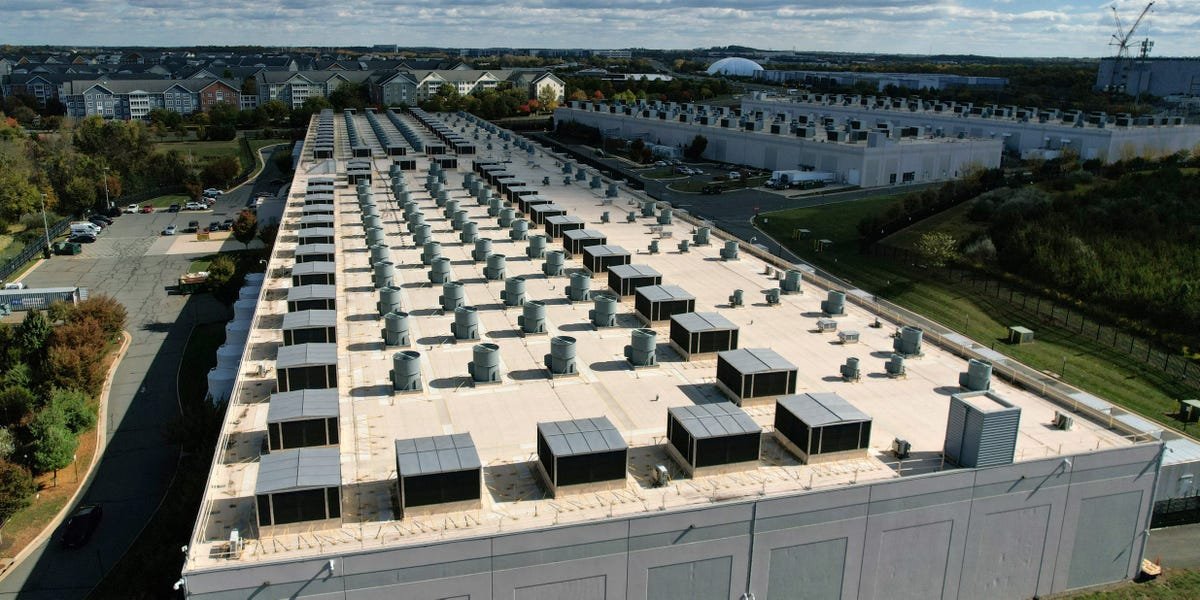
Large data centers have been driving up utility costs nationwide, particularly in states like Virginia, where the “data center alley” is located. The North American Electric Reliability Corporation wrote in a November report that data centers are one of the leading causes of a rise in energy demand this winter, which increases the risk of blackouts.

The Trump administration plans to invest $500 billion to build AI infrastructure in collaboration with OpenAI, Oracle, and Softbank. OpenAI CEO Sam Altman told the White House Office of Science and Technology Policy in a letter in October that the US should add 100 gigawatts of new power capacity annually to stay competitive in the AI race.


Source link