
A-doctor-who-treated-a-22-year-old-with-colon-cancer-shares.jpeg

A doctor, who treated a 22-year-old with colon cancer, shares what everyone should know about cancer symptoms

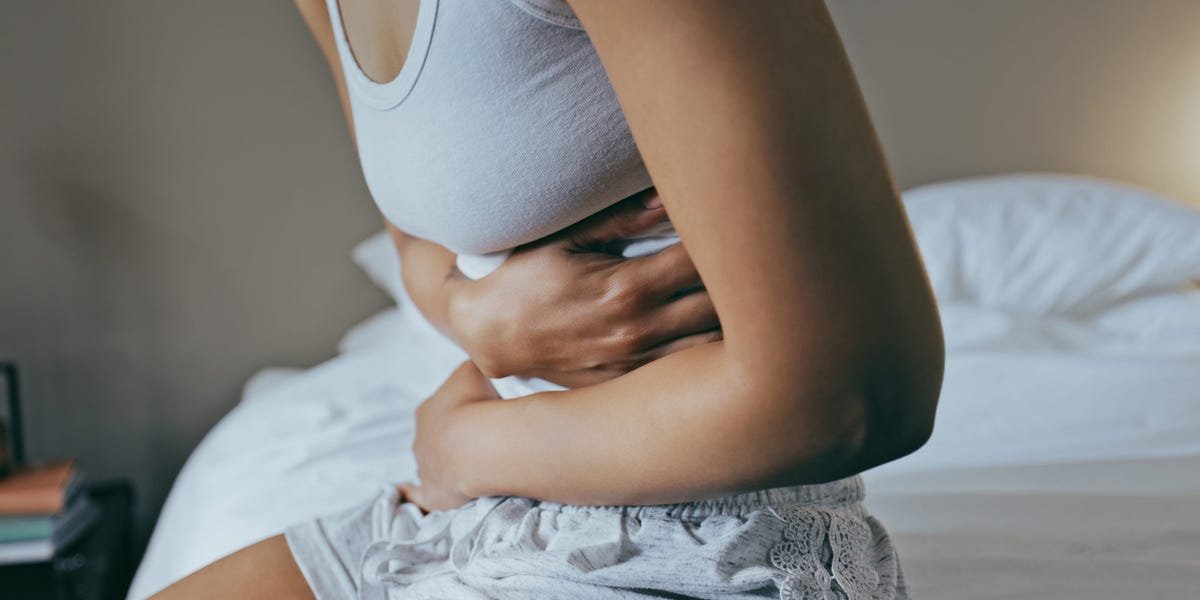
The patient was 22 years old and a recent college graduate, suffering from inexplicable stomach pain.

She’d had the pain off and on for about a year and assumed it was stress-related. She finished her studies and spent a busy summer working at an animal shelter, preparing to apply to veterinary school.

When she saw a doctor, she was told to wait and see if the pain resolved on its own. But when it became so severe, she went to the emergency room. Scans found a tumor large enough to cause a near blockage of her colon. She had no family history of the disease.

It was colon cancer: a growing concern for younger patients, according to Dr. Marc Greenwald, who ultimately treated the patient and wrote a case study on her care.


Dr. Marc Greenwald

Dr. Marc Greenwald, of North Shore University Hospital in New York, said he has been seeing more and more young patients with colorectal cancer. 

Courtesy of Northwell Health


Greenwald, the chief of colorectal clinical services and surgeon-in-chief at North Shore University Hospital in New York, told Business Insider that while colon cancer cases are decreasing in older adults, they’re on the rise in people under 45 as a growing number of young cancer patients are showing up at his hospital.

“There’s no doubt that we’re seeing more people,” he said. “The problem is that a lot of the symptoms are somewhat subtle. If there are new symptoms for somebody, regardless of age, they should seek medical attention.”

Here’s what Greenwald said everyone should know about the symptoms and your options for cancer screening that could catch the disease in time for effective treatment.

Colon cancer symptoms that everyone should know

Decades ago, colon cancer cases in young people were rare.

Stomach pain and indigestion in 20- or 30-something patients would often be attributed to irritable bowel syndrome or dismissed as a minor ailment.

Today, colon cancer is the top cause of cancer-related death in people under 50, prompting doctors and patients alike to be on high alert for possible symptoms.

Most concerning is that in early-onset colon cancers, symptoms may be subtle or may not appear at all until the cancer has advanced.

Greenwald said his 22-year-old patient likely developed the tumor in her colon as a teenager, and it may have continued to grow unnoticed for years.

“The most dangerous misconception is that I have no symptoms, so I must be fine,” he said. “That is really the wrong attitude because if colorectal cancer is caught before symptoms occur, your chance of a cure is much higher than if you wait for symptoms.”

How to get tested for colon cancer

Early onset cases of colon cancer include patients in their 40s, 30s, and as young as their 20s. That’s a problem because there are currently no screening guidelines for people under 45.

Colonoscopies, recommended starting at age 45, help detect cancer and also prevent it by removing any existing polyps or abnormal growths that can develop into tumors.

If you’re too young for a regular colonoscopy, it’s even more crucial to monitor any changes in your health and seek early screening if necessary.

Greenwald said patients can sometimes postpone or avoid a colonoscopy because they’re anxious about the procedure or colonoscopy prep (although a Business Insider health reporter previously shared that it’s easier than you might think).


A lab scientists setting a tray of samples into a machine

Samples to screen for colon cancer can be taken in the privacy of your own home, then set to a lab for analysis. 

Business Wire/AP


There are also less-invasive alternatives to colonoscopies, such as stool tests that can be collected at home and mailed to a lab. Blood tests for cancer are currently under development, too, although their reliability can be mixed.

If you have symptoms, even minor ones like a change in bowel habits or digestion, it’s important to talk to your doctor as soon as possible and find a testing option to rule out cancer.

“If you’re not going to do a colonoscopy, do something to get screened,” Greenwald said.

This article is not a substitute for professional medical advice, diagnosis, or treatment. Always consult your qualified physician or healthcare provider.


Source link

Longevity-doctor-Peter-Attia-steps-down-from-his-CBS-News.jpeg

Longevity doctor Peter Attia steps down from his CBS News contributor role after appearing in the Epstein files

  • Longevity influencer Peter Attia has stepped down from his role as a CBS News contributor.
  • Attia’s name appears in the Epstein files over 1,700 times.
  • Attia also stepped down from his role at David Protein and is no longer listed as an Eight Sleep advisor.

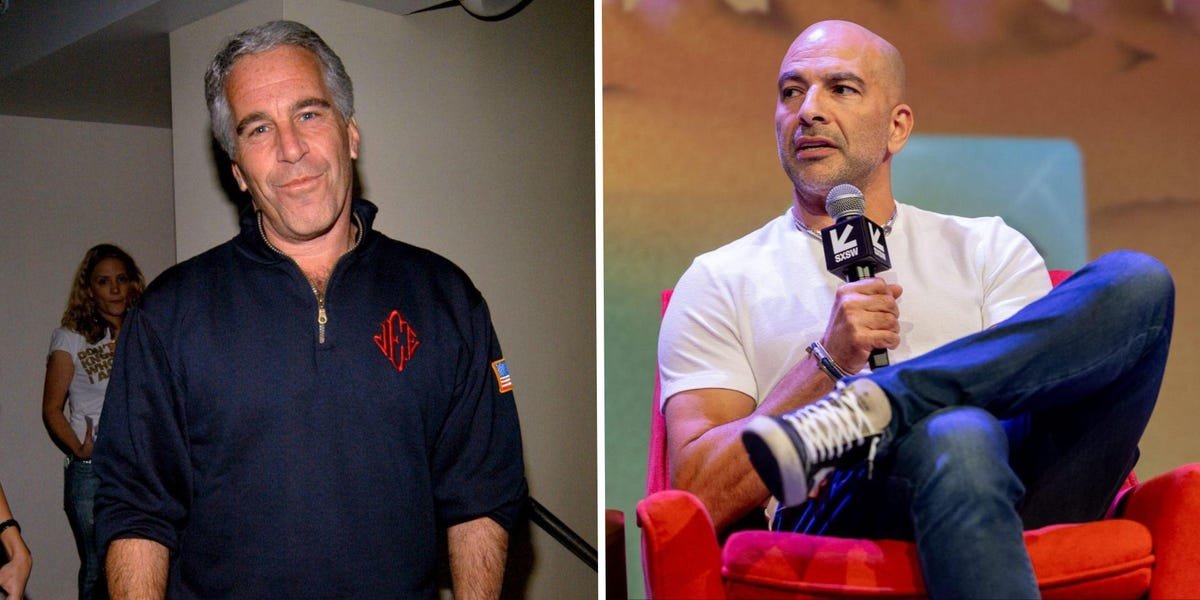
Peter Attia, a popular longevity doctor with ties to Jeffrey Epstein, has stepped aside from his new role as a CBS News contributor, a person familiar with his decision confirmed to Business Insider.

The Hollywood Reporter first reported the news.

The 52-year-old influencer, known for his podcasts and videos about living longer and his book “Outlive: The Science and Art of Longevity,” was brought on by CBS News’ top editor, Bari Weiss, in late January, along with more than a dozen other new contributors.

Days later, the latest round of the Epstein files was released. Attia appears over 1,700 times in the files, which include crude emails he sent about women’s genitalia that he later called “embarrassing, tasteless, and indefensible.”

“The man I am today, roughly ten years later, would not write them and would not associate with Epstein at all,” Attia said of his emails with the disgraced financier and convicted sex criminal.

Attia has also stepped down from his role as chief science officer at the protein bar brand David Protein and is no longer listed as an advisor at Eight Sleep.

Other famous and powerful people, including former Prince Andrew, have also faced consequences after appearing in the Epstein files.


Source link

GabbyLandsverkpic

A weight loss doctor, who specializes in helping high performers, shares her favorite hack to eat healthy without tracking every bite

On a recent trip to France, Dr. Meghan Garcia-Webb was struck by an age-old paradox.

Everywhere she looked, she saw people enjoying cheese, wine, and bread — yet the average person seemed much healthier than the typical American.

In France, despite their reputation for rich cuisine, the obesity rate is a fraction of what we see in the United States, for all our calorie-counting and protein maxxing.

“There isn’t this pervasive diet culture of going to a restaurant and seeing how many calories are in this and how many carbs,” Garcia-Webb told Business Insider. “I do find it is refreshing in the sense that there’s not this fear around food, and the food is very satisfying.”

It’s just one example of how stressing less about your diet can lead to better weight loss and long-term health, she said.

In her concierge medicine practice, Garcia-Webb specializes in helping high achievers, such as CEOs and attorneys, manage their weight. A lot of her job is pushing back on extreme diet fads, including the trend of tracking everything.

“I really enjoy food and the more I do this work, the more compelled I feel to show people that it actually is possible to be healthy and really like to eat,” she said.

Garcia-Webb said her favorite food hack makes it easy to eat well without turning your food journal into a full-time job. Here’s how to try it at home for more nutritious meals.

A stress-free guide to healthy eating

Everyone loves a food hack, and Garcia-Webb said hers is simple: when you prepare a meal, start by making half the plate fruits and non-starchy vegetables.


A colorful salad with greens, nuts, peppers, and grilled chicken.

Filling half your plate with produce is a simple way to eat well without measuring each bite, calorie, or gram of protein.

Magda Tymczyj/Getty Images


“It’s actually very easy,” she said. “You don’t even have to cook them if you don’t want to.”

Think carrots, cucumbers, peppers, greens, tomatoes, berries, grapes, citrus — anything you’d find in the produce aisle (except potatoes). To make it even easier, opt for pre-cut options that are ready to eat or frozen produce, which is as healthy as fresh.

From there, Garcia-Webb builds a full meal by adding a source of protein, like lean meats or fish, to fill another quarter of the plate. The last quarter of the plate is for starchy foods like whole grains, pasta, rice, or potatoes.

The strategy makes it simple to get five servings a day of fruits and veggies. Each serving is about a handful when you’re eyeballing it.

As you fill up on produce, the high-volume, high-fiber food keeps you full and satisfied after eating, so you’re less likely to reach for junk food later. That means you’ll find yourself eating healthier without having to count a single calorie or even measure a portion.

When to track your food for weight loss

There’s nothing inherently wrong with tracking your eating habits, and calculating every gram of protein is fine if that works for you.

Still, for most people, too much tracking can be a burden, taking away the enjoyment of food and making you less likely to stick to your healthy habits long-term.

Instead of trying to track everything you eat forever, Garcia-Webb recommends keeping a food log for a few days: it can give you a baseline sense of your current habits and what you can change to move toward your goals.

“You build this intuitive knowledge, and then you have a rough sense of what it looks like for you,” she said.

A temporary habit of food tracking can be helpful if you feel like you’re doing everything right and wonder why you aren’t losing weight.


A woman in a grocery store comparing two cartons of dairy

Food labels can mislead you by making a processed snack seem healthy because of added protein, but sneaking in extra sugars.

Luke Chan/Getty Images


Garcia-Webb said if you’ve never tracked your habits, it’s common to eat more and exercise less than you realize.

These days, plenty of convenience foods disguise ultra-processed junk with a “health halo” of added protein or other nutrients to make you believe you’re making a nutritious choice.

“People think that they’re eating healthier than they are,” Garcia-Webb said. “Something that we can all fall prey to is very good marketing.”


Source link

A-doctor-shares-3-ways-women-can-lower-their-cancer.jpeg

A doctor shares 3 ways women can lower their cancer risk, starting in their teens and 20s

Over the past five to 10 years, OB-GYN Dr. Thaïs Aliabadi noticed an uptick in younger cancer patients in her practice.

Suddenly, more in their 30s and 40s were getting diagnosed with breast, uterine, and colon cancer, the latter of which is now the leading cause of cancer death in people under 50.

As to the causes, Aliabadi has her own theories.

“I think our lifestyles, our metabolic changes, the rates of obesity, the increase in insulin resistance, our poor diet, lack of exercise, chronic inflammation — these have all played a huge role,” she told Business Insider. She also mentioned environmental pollutants that can disrupt the endocrine system and the fact that women are getting pregnant later or not at all, which can change hormone exposure and increase the risk of breast cancer.

In better news, she also said higher rates of diagnoses also mean “we’ve gotten better and better at cancer detection and risk assessment,” as awareness around early symptoms have also improved.

While so many factors can feel out of our control, “I wish every woman knew that cancer is not always completely random,” Aliabadi said. In some cases, “we can actually see risk long, long before the disease appears.”

Aliabadi shared her three tips for preventing cancers in women (such as breast and ovarian cancer), from analyzing your risk to focusing on your metabolic health.

Improve your metabolic health with diet, sleep, and exercise


People on treadmills

Regular exercise can lower the risk of multiple cancers.

skynesher/Getty Images


In terms of overall prevention, Aliabadi said starting a few healthy habits as early as possible is key.

“If you want to lower your risk of cancer, number one on the list is to maintain a healthy metabolic profile,” she said. It means lowering cholesterol, inflammation, and visceral fat — the fat surrounding your internal organs.

She said exercise, such as strength training and cardio, improves insulin sensitivity, reduces inflammation, and balances hormones, lowering the risk of multiple cancers.

Eating a diet “rich in whole foods” and cutting back on ultra-processed foods can also make a huge difference by boosting gut health and cutting down cholesterol.

Other good habits for metabolic health include stress reduction and getting adequate sleep. “Sleep deprivation is poison to our longevity, and persistent stress can affect our hormones and our immune pathways,” she said.

These habits don’t just decrease cancer risk — they also reduce the risk of cardiovascular disease, diabetes, and other chronic illnesses.

Cut down on carcinogens where you can


Pouring wine

Even moderate drinking increases cancer risk.

Elena Noviello/Getty Images


Aliabadi said environmental toxins, like chemicals in food packaging, can be “a little tougher” to be aware of because of how ubiquitous they are.

However, there are still ways to reduce exposure to carcinogens (cancer-causing agents) and endocrine disruptors. A commonly spoken about one is tobacco, so abstaining from smoking cigarettes or vaping “can significantly lower many cancer risks,” she said.

The one she really emphasized cutting back on is alcohol, as even moderate drinking can increase cancer risks.

“In my office, I have zero tolerance for alcohol,” she said. “Not even a couple of glasses a week.”

Collect data on your body


Young woman mammogram

Depending on risk factors, you might need to start screening earlier.

German Adrasti/Getty Images


While cancer screenings have recommended starting ages — some of which have been recently lowered to reflect an uptick in younger patients — Aliabadi says you shouldn’t rely on them.

“We need to stop thinking that prevention starts at 40, that mammograms start at 40,” she said. “Prevention starts in our teens and in our 20s, believe it or not.”

She urges women to take a two-minute online test and learn their lifetime risk assessment score for breast cancer, which uses information like family history, genetic mutations, and breast density to more accurately estimate when you should get screened. Olivia Munn, a patient of Aliabadi’s, famously took the test and was diagnosed with early-stage breast cancer despite having no symptoms.

Aliabadi said that testing for seemingly unrelated conditions, like PCOS, endometriosis, fertility, genetic conditions, and insulin resistance, can all play a role in evaluating your cancer risk and give you a better idea of how vigilant you should be.

Aliabadi, who herself had a high lifetime risk assessment score for breast cancer and was initially dismissed by doctors, said a patient knowing their body helps them better advocate for themselves and seek out second opinions if needed.

“If someone at the front desk tries to scare her away, she will be her own health advocate,” Aliabadi said. “She will know exactly why she’s there and why she needs that mammogram.”


Source link

To-build-muscle-you-need-a-de-load-week-Heres-how.jpeg

To build muscle, you need a ‘de-load’ week. Here’s how a powerlifting doctor strategizes rest for maximum gains.

Working hard in the gym without seeing results?

A short rest may help you break that plateau, according to a doctor who set state and national records in powerlifting.

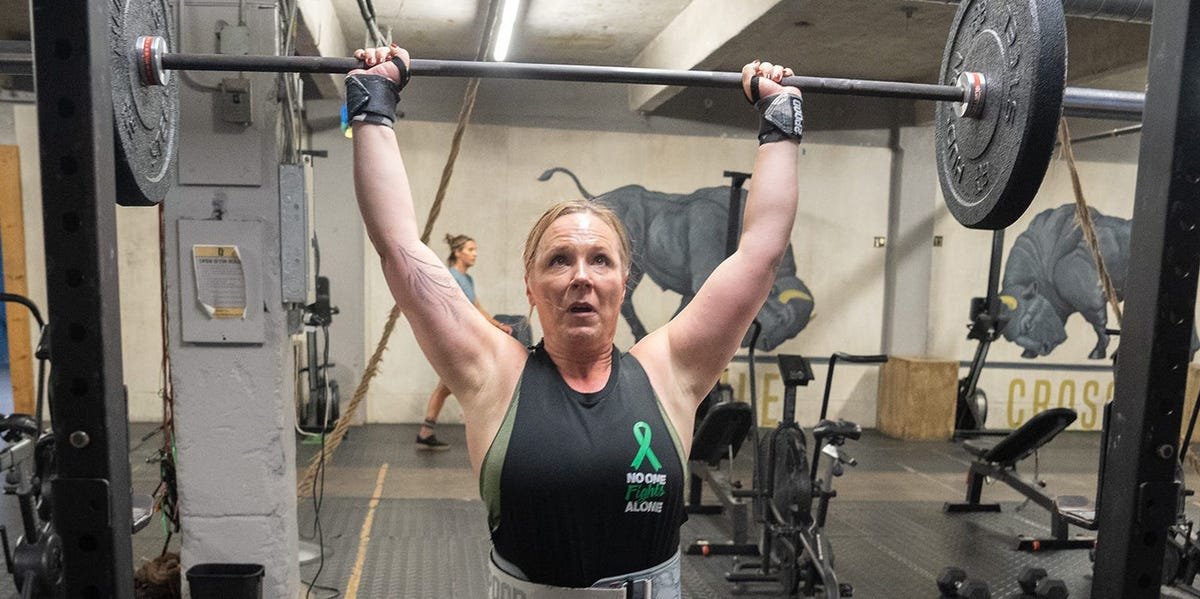
Dr. Shernan Holtan, a hematologist and busy mom of two, has been lifting weights for over a decade. She hits the gym at 5:30 a.m. for an hour of training before heading to her day job as chief of blood and marrow transplant at Roswell Park Comprehensive Cancer Center.

Her key to avoiding physical burnout and keeping up gains: Every four to six weeks, she eases up on her training to let her body recover and build back stronger.

“You give yourself a break. Come back, lower the weight drastically for a week, and really just let your body soak up all of the stress that you just put it through to let it repair and heal,” she told Business Insider.

The strategic break is commonly referred to in the fitness world as a “de-load week.” It’s an evidence-backed way to smash through plateaus, reduce the risk of injury, and boost muscle and strength gains for everyone from elite powerlifters and bodybuilders to everyday athletes.


Dr. Shernan Holtan performing weighted lunges in the gym

Building weights is about challenging your muscles, then resting and recovering.

Roswell Park Comprehensive Cancer Center


For Holtan, deloads have enabled her to maintain steady progress for years, gradually building up the strength to squat 225 pounds (or more) for reps. In that time, she’s also started running and CrossFit, in addition to hiking, biking, and going to the gym (sometimes with her teenage daughter).

“I exercise every day, but I’m not doing crazy stuff every day,” she said.

Here’s how to know if you should take a deload, and the right way to rest for better fitness.

Why resting helps you build more muscle

Unless you’re a pro athlete, less can be more when it comes to exercise.

That’s because muscle and strength gains only happen during the rest periods between gym sessions. A good gym session can break down muscle fibers, prompting them to grow back stronger, but only if you provide them with the time and resources (energy in the form of sufficient calories and protein) to recover.

Holtan said to think of it as a slow and steady effort over time, rather than going all-out at the gym (and being too sore to come back).

“It’s little micro adjustments, tiny increases in weight, a few extra reps,” she said.

Then, over the weeks and months of training, a de-load can help your body to reset and keep making progress.

A de-load can also be a full rest from exercise, and can be a good idea during a vacation or holiday, so you can fully enjoy the time off.

When to take a de-load

The right time to take a rest can vary depending on your training and goals. Trainers typically recommend taking a break every four to 12 weeks.

The length of the rest can vary too.

If you’re consistently in the gym three times a week, you may only need a day or two to deload, and can go two or three months between breaks. Competitive athletes who train five or more days a week might benefit from longer breaks every month or two.

Holtan focuses on a specific goal for four to six weeks, then rests and repeats with a slightly different goal.


Dr Shernan Holtan lifting weights in the gym performing an overhead barbell press

Dr. Holtan said her training schedule prioritizes a specific rep range for four to six weeks, then she takes a break to recover.

Roswell Park Comprehensive Cancer Center


For instance, she might spend a month or so building up to a heavy one-rep max deadlift, bench press, and squat. After her deload week, she might focus on lifting moderate weight for more reps.

This is a type of training cycle known as periodization, which can help prevent athletes from overtraining or getting stuck in a rut.

Listening to your body can also signal that a rest might be beneficial.

If you’re just not enjoying the gym, struggle to finish a workout ,or need to foam roll the pain away, an extra rest day might be just what you need.


Source link