
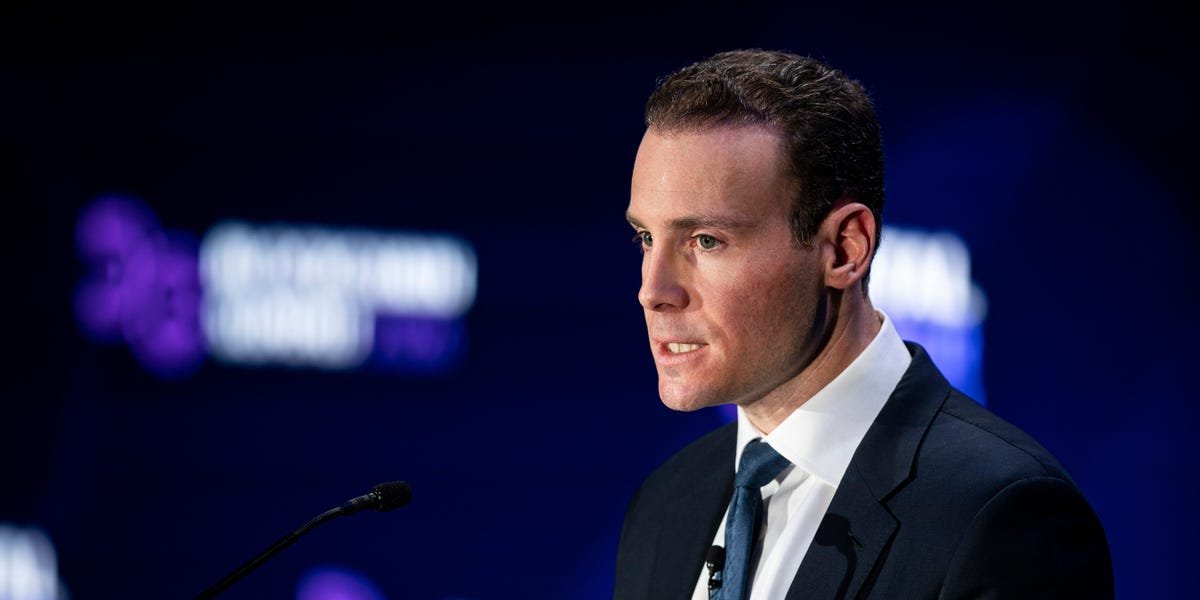
Arizonas-criminal-case-against-Kalshi-was-halted-by-a-federal.jpeg

Arizona’s criminal case against Kalshi was halted by a federal judge after the Trump administration stepped in

A judge on Friday ordered Arizona’s attorney general to temporarily pause its criminal case against Kalshi, handing a win to the Trump administration in its effort to stop states from regulating prediction markets.

Federal Judge Michael Liburdi’s decision to back the US Commodity Futures Trading Commission in the case came at the end of a hectic week of arguments in which a lawyer for the federal regulator said a state criminal case would be a “flawed” way to settle hotly contested questions about whether prediction markets can list sports, politics, and other controversial markets.

State prosecutors filed 20 charges of illegal betting and election betting against Kalshi last month. The charges, all misdemeanors, characterize Kalshi’s contracts as the kind of bets that are either prohibited under Arizona law or require a state gambling license. The criminal case also had the effect of halting a federal challenge that Kalshi had filed to Arizona’s regulatory power.

Then the CFTC stepped in, suing Arizona and two other states earlier this month. The state on Friday argued that Congress never meant to let swaps that bear many similarities to sports bets take place on federally regulated exchanges. Liburdi issued an order that will prevent Arizona from moving forward with a criminal arraignment of Kalshi that had been scheduled for Monday.

“I will enter a temporary restraining order,” the judge said, granting the CFTC’s request to halt the state’s prosecution. He didn’t immediately state what the specific provisions of the order would be, but lawyers for the attorney general agreed to show up to criminal court first thing Monday and ask for their case against Kalshi to be paused.

Robert J. DeNault, a senior lawyer at Kalshi, hailed the decision on X, calling it “a step in the right direction.”

The CFTC’s leader, Michael Selig, has posted videos and made the rounds of podcasts in recent weeks to defend his agency’s authority to regulate prediction markets. The Trump administration has generally applied a light regulatory touch on the industry.

“Arizona’s decision to weaponize state criminal law against companies that comply with federal law sets a dangerous precedent, and the court’s order today sends a clear message that intimidation is not an acceptable tactic to circumvent federal law,” Selig said in a statement after the ruling.

Prediction markets like PredictIt, Kalshi, and Polymarket have existed for years, but they experienced a surge in usage around the 2024 election.

Since Donald Trump returned to office, Trump’s son, Donald Trump Jr., has become a paid advisor to Kalshi, and an investment firm he works for invested in Polymarket. Kalshi also began hosting sports-related markets, which it had not done during the Biden administration.

Federal law prohibits commodities markets related to things like war, assassination, and “gaming,” but the specific meanings of those terms have been debated in court.

Many states, but especially those where the traditional gambling industry holds sway, like Nevada and New Jersey, have argued that the contracts on prediction markets relating to sports, and sometimes politics, are illegal. Some members of Congress have also proposed new laws to regulate prediction markets.


Source link

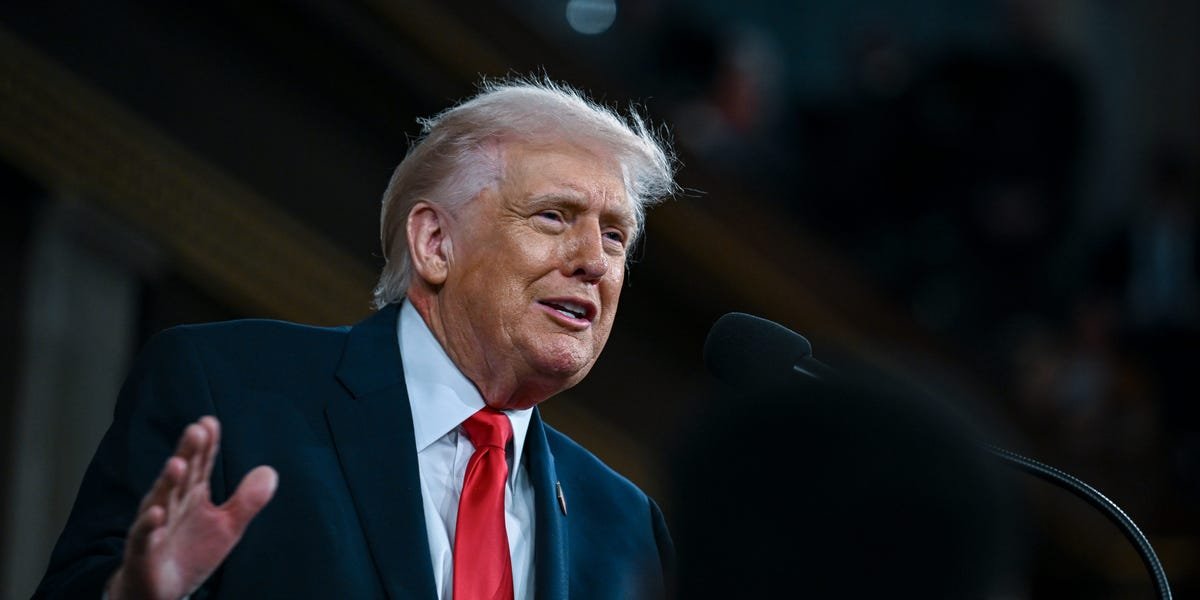
Trump-orders-federal-agencies-to-stop-using-Anthropics-technology.jpeg

Trump orders federal agencies to stop using Anthropic’s technology

President Donald Trump says federal agencies won’t be using Anthropic’s technology anymore.

“We don’t need it, we don’t want it, and will not do business with them again,” Trump wrote on Truth Social on Friday.

It comes amid a dispute between the AI giant and the Department of Defense.

Trump said that there would be a six-month phase-out period for departments, including the Department of Defense, that are “using Anthropic’s products, at various levels.”

“WE will decide the fate of our Country — NOT some out-of-control, Radical Left AI company run by people who have no idea what the real World is all about,” Trump wrote.

Trump’s announcement comes just a few hours before the Friday evening deadline defense officials had given Anthropic to agree to the military’s terms of use for the company’s frontier model, Claude.

Earlier this week, the two parties came to an impasse over how the military can deploy Claude.

The issue appeared to revolve around two safeguards Anthropic was not willing to drop: mass surveillance of US citizens and autonomous weapons.

Defense Secretary Pete Hegseth had given Anthropic’s CEO Dario Amodei until Friday, 5:01 p.m. Eastern Time to get on board with the military. Hegseth also warned that the government could invoke the Defense Production Act — a wartime law that gives the president broad authority over a company’s resources — and designate Anthropic as a supply chain risk.

Both would be unprecedented moves by the government against an American technology company, experts previously told Business Insider.

On Thursday, Amodei published a blog post stating that the Defense Department had added language to its contract allowing for “any lawful use” of its model.

A source familiar with the negotiations told Business Insider that this language effectively gave the military discretion over how it uses Claude.

The Anthropic CEO said in his post that the company would prefer to continue serving the department but that it could not “in good conscience accede to their request.”


Source link

Fed-meeting-updates-Federal-Reserve-to-decide-on-interest-rate.jpeg

Fed meeting updates: Federal Reserve to decide on interest rate cut at final 2025 meeting

Fed leaders have kept monetary policy moderately restrictive in recent months, holding rates steady until September before introducing two quarter-point cuts.

Chair Jerome Powell said in the last meeting that a rate change in December is “not a foregone conclusion, far from it” and “policy is not on a preset course,” though on Wednesday morning, CME FedWatch is showing a roughly 90% chance of another quarter-point reduction.

Fed leaders have kept monetary policy moderately restrictive in recent months, holding rates steady until September before introducing two quarter-point cuts.

Chair Jerome Powell said in the last meeting that a rate change in December is “not a foregone conclusion, far from it” and “policy is not on a preset course,” though on Wednesday morning, CME FedWatch is showing a roughly 90% chance of another quarter-point reduction.

Investors and consumers are hopeful for more cuts. Americans could see more affordable mortgage, auto, and credit card rates in the new year, and businesses would be able to borrow money more easily — a move that could juice the sluggish job market.


Source link