
When-my-daughter-was-born-disabled-I-had-a-hard.jpeg

When my daughter was born disabled, I had a hard time finding a Mom group that felt right for us

Before my daughter was born, I carefully laid the groundwork for the support system everyone told me I would need as a new Mom, especially one living far from family.

I took to heart the advice that I would need a village to make it through the early years of navigating motherhood, and I wanted my child to be surrounded by love.

Yet, when my daughter was born with disabilities and complex medical needs, my village vanished, and I had to create a new one entirely.

I worked hard to meet other first-time moms

As soon as I found out I was pregnant, I joined online groups for women who were due around the same time as me. I signed up for prenatal yoga classes because I enjoyed the gentle stretches that eased my aches and pains. However, I kept going back because I enjoyed the company of other women who, like me, were pregnant for the first time. In my natural birth class, I constantly arranged (decaf) coffee dates and offered rides to other moms-to-be who wanted to look at cribs and bouncers at suburban big-box stores.

I loved navigating pregnancy with my newly found group of expecting mothers. Together, we navigated prenatal woes like the dreaded glucose test and celebrated joys, like settling on the perfect baby name.

I grew close to several of these women. We vowed to support each other by cooking meals for one another after delivery. We vowed to get together at least a couple of times a week during maternity leave. Someone suggested creating a babysitting co-op once our newborns were a few months old, and I was all in.

My daughter was born with disabilities and complex medical needs

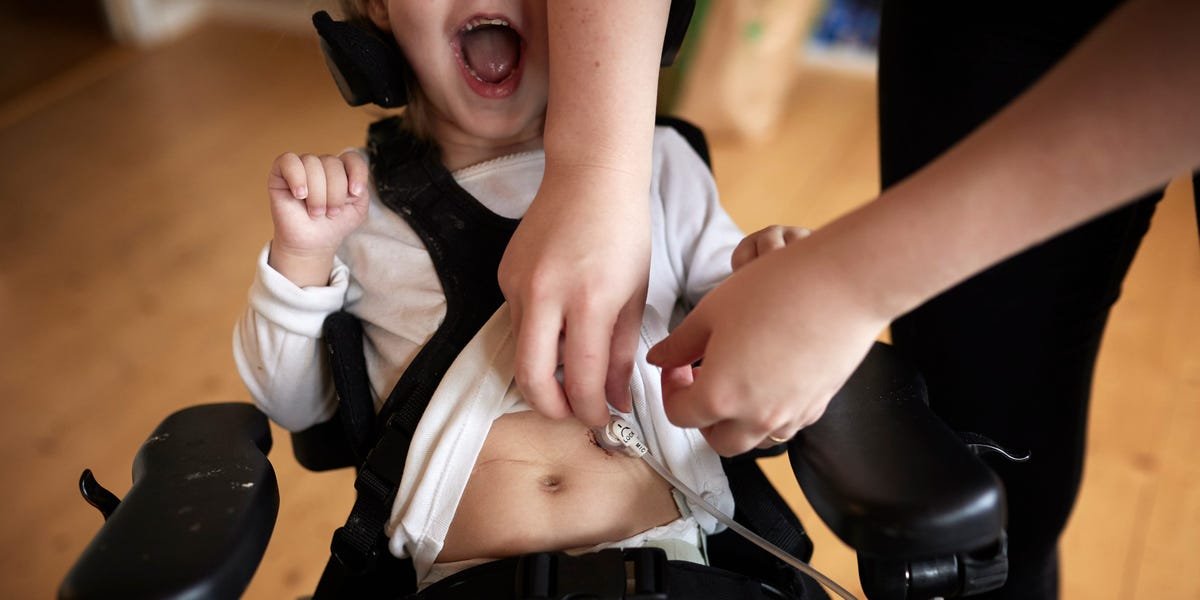
After a picture-perfect pregnancy, everything changed. My daughter was born disabled and with complex medical needs. She spent weeks in the NICU while I pumped milk for her round-the-clock and slept on uncomfortable hospital fold-out chairs made out of vinyl that stuck to my skin.

Most days, I forgot to eat. I didn’t know whether my daughter would live or die, or what kind of life she would live if she ever saw the world outside her hospital room. When it came time to give my daughter a Hebrew name, I chose “Chaya,” meaning “life” or “to be strong.” I was willing her to pull through, but I seemed to be alone.

My daughter survived, but my village disappeared

My daughter survived those fraught few weeks. Eventually, she went home, albeit with monitors and oxygen tanks instead of teddy bears and soft blankets.

I reached out to the moms I had thought would be my support system, knowing I would be there for any one of them if they needed me. I discovered that the moms in the group that formed when we were pregnant had indeed been getting together as planned. They didn’t want to bother me, they said, so they hadn’t reached out. They assumed I needed my space, they told me, when what I really needed was their friendship and support.

I often wondered if I was their worst nightmare, a Mom with a sick and disabled baby who made problems with sleep regression seem like child’s play. Their reaction made sense. Throughout our pregnancies, all we ever heard was that if our babies were born healthy, everything else would be OK. Now that one of us had a baby that had not been born healthy, there was no road map for how to react or for what came next.

Eventually, I found my group. Without meaning for it to happen, all of my close friends have a child with a disability or complex medical needs. I am incredibly grateful that I was able to create a village, even if it’s not the one I originally planned.


Source link

Charissa Cheong

I moved to Canada, but it wasn’t for me. I was cold, isolated, and finding a job was absolutely horrendous.

This as-told-to essay is based on a conversation with Zina Malas, 24, who lives in Beirut. The following has been edited for length and clarity.

When I visited Canada as a 5-year-old, it was the dream.

I was born and raised in Lebanon, and grew up fearing I’d get kidnapped in the streets or a random bomb would fall on me. After war broke out in 2006, our family moved to Canada to escape.

I loved it. There were nice parks, and exotic” activities like ice skating.

After a few months, my family went back to Lebanon, where I did my undergrad.


Zina Malas as a child, wearing a big coat and gloves outside in the snow in Canada.

Malas loved living in Canada as a child.

Courtesy of Zina Malas


In 2022, at 21, I moved to Canada alone.

Three years in, I had struggled to find a job or save money, and began feeling very depressed, so I moved back to Lebanon.

I’d still advise others to try relocating abroad, but living in Canada just didn’t work for me.

I grew desperate to leave Lebanon

Living in Lebanon was a struggle. I felt like I’d lost my youth and was desperate to leave, even if I had to work a minimum wage job.

My time spent studying media and communication at the American University of Beirut was disrupted by a national revolution that started in fall 2019, COVID, and the Beirut explosion in August 2020.

I already had friends in Montreal and Canadian citizenship through one of my parents, so I headed to Canada and gave myself three months to find a job.

I didn’t realize how difficult it would be to find a job in Canada

Even though my Montreal friends warned me that finding a job wouldn’t be easy, I didn’t think it would be that hard.

They were right. It was absolutely horrendous.

In Lebanon, where I had some jobs during my studies, I experienced less competition for work. I was used to sending my application to a potential employer, DM’ing the company on Instagram, and having an interview the next day. But in Canada, I applied for roles across marketing, social media, and business development, which I felt I had the skills for, but didn’t land any.

Some recruiters told me I didn’t have the right experience. I’m not sure if it was because my experience was Lebanese or not Canadian, but it felt like people were treating me like I had no professional history.


Malas taking a mirror selfie

Job hunting was difficult for Malas.

Courtesy of Zina Malas


I also struggled to understand interviewers who spoke Québécois French, a dialect used in Montreal. I went to a French school in Lebanon, so I’m fluent, but I couldn’t for the life of me understand this particular accent, which lost me opportunities.

After applying for what I’d estimate were at least 200 jobs, I connected with a Lebanese HR rep who saw my résumé and gave me the chance to interview for a content manager role. After roughly three months of searching, it became my first job in Canada.

I stayed at the company for 1.5 years, and then moved into tech sales at a different company for a few months.

The cost of living and isolation in Canada drove me to leave

In Lebanon, the work culture was generally less formal. I could show up late to work in a random outfit and no one would say anything. We could have disorganized files and communicate with team members over Whatsapp. It was friendly and laid-back.

In Canada, things were more organized. I knew exactly what my tasks were, and was given proper equipment. I remember being shocked when I was given a MacBook and phone number for work.

My compensation in Canada was good compared with what I could make in Lebanon. I had a nice life, a nice apartment, and ate well. But with the cost of rent, bills, and groceries, I feel like I wasn’t saving much, and was basically living paycheck to paycheck. It’s one of the reasons I left.


Malas walking in throuhg a field on a sunny day, wearing a blue hat.

Malas struggled to make new friends in Canada.

Courtesy of Zina Malas


Another reason was how hard it was to meet new people, and my mental health suffered as a result. Canadian culture is highly individualistic, which is hugely different to the Middle East. In Lebanon, if I go out with one friend to a restaurant, I’ll end up meeting 10 new people. If I tried to talk to people in Canada while I was out, conversations would end abruptly. If my roommate didn’t have friends, with whom I was thankfully able to have a lot of fun, I probably would have been completely alone.

I imagined I’d meet so many new people and have the time of my life, but my expectations weren’t met. Plus, I couldn’t deal with the cold weather.

In September 2025, I went home.

I’m running my own business in Lebanon now, and I’m happier

I’m currently running my own company, Tawlé Consultancy, which helps businesses in the MENA region who are declining or feel stuck. I started it in Canada, but working on it from the West felt weird, as though I was righteously telling people what to do from a distance. Now, I can sit with people, help them come up with new ideas, and feel like I’m making a valuable impact.


Zina Malas

Malas runs her own company in Lebanon

Courtesy of Zina Malas


I’ve noticed many people my age in Lebanon are also trying to build their own thing. Our generation has been through a lot, and we’re trying to figure things out and establish ourselves. When I go to coffee shops, I see so many founders around me. It’s very inspiring.

Being in a stable country like Canada eased my mind, as I wasn’t worried about my physical safety, and it helped me deal with the trauma I experienced in Lebanon.

But I’m happier living in Lebanon. I’ve realized I’m too Lebanese to live anywhere else.

Do you have a story to share about moving abroad and deciding to come home again? Contact this reporter at ccheong@businessinsider.com


Source link