
I-adopted-a-new-fitness-strategy-in-my-40s-thats.jpeg

I adopted a new fitness strategy in my 40s that’s helped me run half-marathons, hold handstands, and do pull-ups as I age

At 61, I did my first unassisted pull-up — something I considered impossible just nine months prior.

It was the goal I’d challenged myself to achieve in my 60s, following a pattern I’d established in the two previous decades. In my 40s, I wanted to finish a half-marathon, and in my 50s, I set out to hold a handstand. I accomplished both.

Reaching a physical milestone as I age spills into every area of my life, particularly when there are curveballs. Whether I’m helping one of my children through an issue, dealing with a health scare, or mourning a loss, I tap into the same mindset I use to do a pull-up, hold a handstand, or run 13.1 miles. It’s one of grit and consistency.

For me, setting physical goals at the top of each decade has improved my perspective on aging.

I first started seeking physical challenges in my 40s


Lorraine C. Ladish doing a half-marathon

I ran a half-marathon with a friend when I was 48 years old. 

Lorraine C. Ladish


Exercise has always been my anchor, and I’ve relied on it to navigate mental health struggles throughout the years. As I grew older, exercise and movement evolved into a means of coping with the effects of aging.

Instead of fixating on how my postpartum body looked or how my skin sagged, I started to focus on how my body felt and what it could do.

In my late 40s, a friend who is 15 years my junior coaxed me to do a half-marathon with them. By then, I’d gone through a divorce and rebuilt my personal and professional life.

Running helped me stay afloat through all the hard moments, so I decided to give 13.1 miles a go. Without realizing it, I’d set my first major goal. When I crossed the finish line, I cried.

I’ve found that the harder the goal is, the more motivated I am to accomplish it


Lorraine C. Ladish doing a handstand

At 57, I accomplished my goal of comfortably holding a handstand. 

Lorraine C. Ladish


I knew that I wanted to challenge myself further as I get older, channeling my strength through the highs — like marrying the love of my life and launching a new business — and the lows — like a close call with colon cancer and parenting struggles.

I picked physical goals that were completely new to me. Even when I did gymnastics in school, I couldn’t do a handstand, yet that’s what I worked toward in my 50s.

It took me years of tireless training, but I did it. The day I finally stood on my hands was a spiritual experience. Time felt like it stood still, and nothing else mattered.

Training for these challenges has given me a healthy perspective on aging


Lorraine C. Ladish doing a pull-up

I regularly practice my unassisted pull-ups at the gym. 

Lorraine C. Ladish


The goals I set have never been about achievement, though I do get a confidence boost when I master them. In my book, the win is working toward something that feels like a long shot and still staying the course.

I’ve found that when I’m running long distances, standing on my hands, and doing pull-ups, I focus on my endurance, strength, and stamina — not the skin sagging on my knees or the veins on my hands.

There’s so much in life I can’t control, including the inevitability of aging, but I can control how I approach it.

Working my body in new, challenging ways as I get older reinforces that I can be strong and visible, no matter how old I am. It also helps me feel better physically and mentally.

Yes, I have aches and pains, but listening to them and working around them is an art. I enjoy each step of the process.

Brainstorming what’s next is also half of the fun. At 62, I can do three overhand-grip, full-range-of-motion pull-ups. Because I want to see how far I can push myself, I hope to do five consecutive pull-ups by the end of the year.

As I look ahead at my 70s, I’m already eyeing a hike along El Camino de Santiago in Spain, where I was born.


Source link

At-80-Ghostbusters-star-Ernie-Hudson-says-his-fitness-goal.jpeg

At 80, ‘Ghostbusters’ star Ernie Hudson says his fitness goal is surprisingly simple

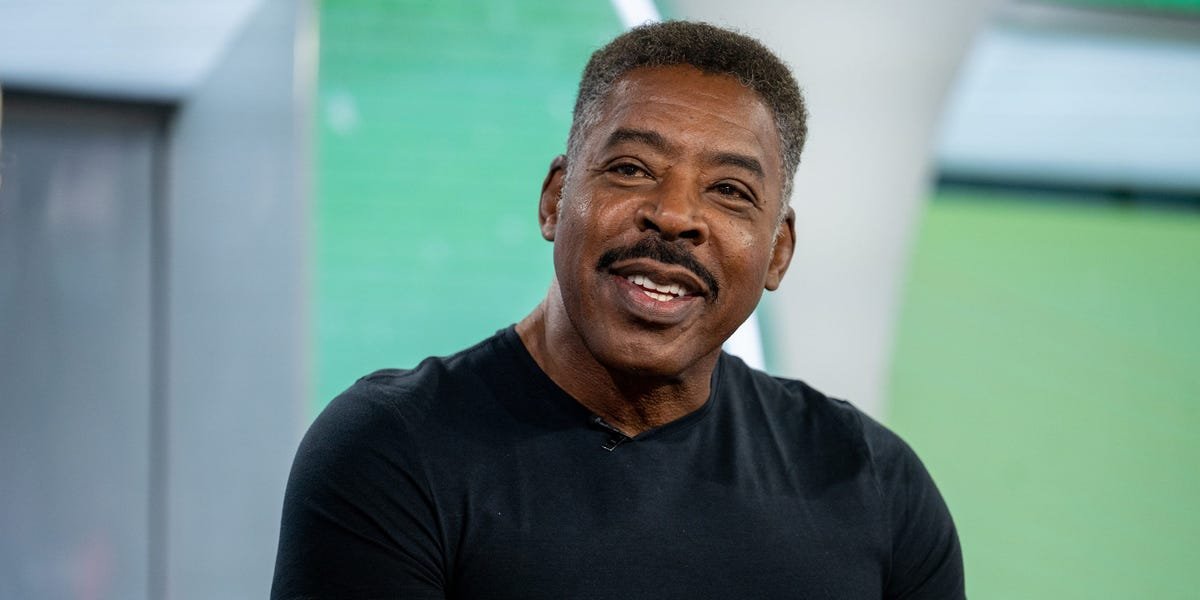
At 80, Ernie Hudson still works out regularly — and it’s all part of his longevity journey.

In an interview with Men’s Health published on Wednesday, the “Ghostbusters” actor said he sees regular exercise as a way for him to live well for longer.

“I guess I’m excited because turning 80 is great. A number I never thought I’d see, but here it is. I always wanted to be an old guy who’s still feeling pretty good,” Hudson told Men’s Health.

Over the years, he’s come to realize the importance of tuning into his body and paying close attention to what it needs. “You just have to quiet your mind enough to listen,” he said.

That philosophy guides how he approaches fitness today.

“My biggest goal right now is just to stay alive,” Hudson said. “Weight becomes a big issue the older you get, especially if you’re from my community, the African American community. Every disease known to man seems to hit us harder, so it’s really important to get the exam, to stay flexible, to stay as mobile as you can.”

He added that mobility becomes especially critical with age.

“The older you get, you want to be at least flexible, so you’re not stumbling and falling down, which is the number one hazard. Falling and breaking something,” Hudson said.

At home in Los Angeles, he trains with a personal trainer two to three times a week. When he’s traveling or in New York City, he swaps in a different workout partner: his son.

“It gives me a chance to hang out in his favorite place, which is the gym,” Hudson said.

Much of Hudson’s training centers on building and maintaining upper-body strength, with workouts that include pushups, seated rows, and barbell bench presses.

He added that he has always believed in having strong arms, “so you appear that you can at least defend yourself.”

Not only that, Hudson said he feels the need to stay in top shape whenever he takes on a role, even if it isn’t especially physical.

“It’s important for a character that you’re able to lose yourself in that world,” he said.

Being fit makes it easier to focus on his job because he isn’t distracted by any physical discomfort or limitations, and regular exercise means he doesn’t have to scramble to get in shape when work calls.

But at the end of the day, exercise is only part of the equation.

“I stay busy, I travel a lot, and work takes precedence. But when you’re busy, diet is, I think, even more important,” Hudson said. “You can work out all you want, but if you aren’t in control of your diet, your eating habits, you’re going to have a problem.”

Hudson has long been serious about his workouts.

In 2024, he told Men’s Health that he goes for a brisk walk whenever he can’t fit in a formal workout and practices Pilates weekly to maintain his mobility.

“Ever since I was a kid, I’ve always made a point of being able to touch my toes,” Hudson said. “So at some point during the day, every day, I’ll do a stretch to make sure I can still touch my toes.”

During a January appearance on the “Today” show, the actor said he fits in sets of pushups throughout his day.

“When I get up, I like to do a set of pushups first thing and throughout the day,” he said. “By the end of the day, I should have at least 100 pushups.”


Source link

One-fitness-supplement-can-help-you-build-muscle-and-maybe.jpeg

One fitness supplement can help you build muscle and maybe boost longevity without breaking the bank, according to experts

Stop wasting your time and money on subpar supplements.

One ingredient should be your first priority for building muscle, burning fat, and aging gracefully, according to exercise science pros.

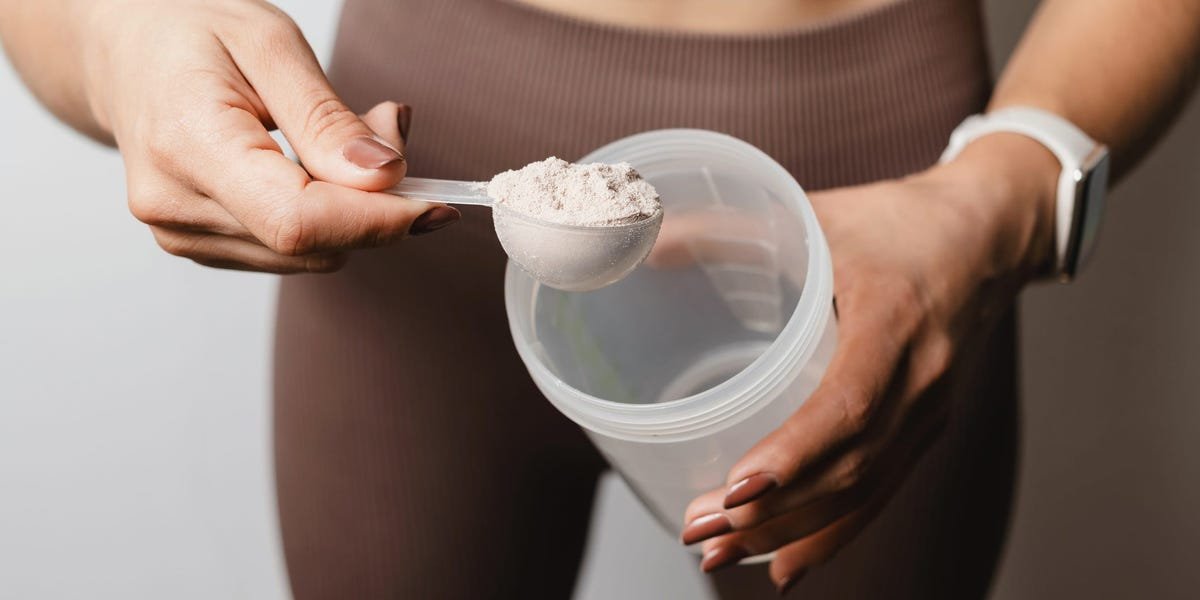
Creatine is a combo of amino acids that provides energy to muscles and other tissues, like the brain. Our bodies produce it naturally, but growing research suggests supplementing with store-bought pills and powders is a smart idea.

It’s long been the uncontested king in the fitness supplement world for fueling gains, personal trainers, dietitians, and researchers told Business Insider. Now, even more studies suggest it has benefits beyond the gym, helping bolster the brain to support mental and cognitive health.

For less than 50 cents a serving, it’s the gold standard of evidence-based health hacks, with an impressive resume of potential perks.

Want to start taking creatine? Here’s how it works, and the best way to use it for peak performance, according to top researchers.

Creatine helps fuel more reps, leading to better gains

Long a staple of the sports world and bodybuilding community alike, creatine has been extensively studied as a fitness supplement for decades. It first caught on in the ’90s thanks to Olympians who swore by it for elite athletic competition.

Since then, researchers have consistently found that it’s safe to use and offers a small but significant boost to performance.

It works by providing extra fuel in the body’s energy cycle. That translates to better gains or faster fat burning if you’re working out, since you can power through more work that you might otherwise.

That makes it a standout performer in the supplement aisle. Creatine has much stronger evidence and broader benefits than products like pre-workouts, which can vary in ingredients and often don’t disclose what’s actually included.

It’s also distinct from protein shakes and powders, which offer the same nutritional benefits as food, but in a more convenient format. There is some creatine in foods like meat and fish, but it’s much harder to get than protein — you’d have to eat more than two pounds of steak to get the amount of creatine in a single scoop of supplement powder.

Other supplements are less evidence-based, less reliable, and can have more risks, particularly when bought online via grey-market websites.

The only supplement that comes close to challenging creatine in terms of wide-ranging benefit and extensive research is caffeine. While caffeine can boost workouts and is relatively safe in moderate doses, it can have serious side effects in large amounts, so you’re better off having a coffee than a concentrated supplement.

The best type of creatine to choose for muscle gains and fat loss

Not all creatine on the market is the same. The most well-researched form is creatine monohydrate, which sports nutritionists consider reliably effective and safe. If you’re worried it causes hair loss or kidney damage, don’t be: these are myths that have been debunked in reputable studies.

Creatine can have side effects like digestive upset, which is typically mild, temporary, and linked to higher doses.

It’s also safe for your wallet. Even with past shortages, creatine monohydrate tends to be the cheapest form, especially if you buy it pure instead of mixed into complicated pre- or post-workout blends.

To take creatine, researchers typically recommend a dose of between 3 to 5 grams a day (people with larger bodies need more). However, emerging studies suggest the brain can benefit from higher doses. Scott Forbes, a sports science researcher and professor at Brandon University, said he recommends around 10 grams a day for cognitive health.

Still, despite all the potential benefits of creatine, it’s not a panacea. No supplement, no matter how well-researched, can match the benefits of healthy lifestyle factors such as nutrition, sleep, and consistent exercise. Trainers recommend starting with high-value habits such as these first before trying supplements.

Once you’re nailing your workouts, diet, and recovery, creatine may be just the thing to give your routine an extra edge.


Source link