

Meryl-Streep-76-says-one-mindset-guides-her-as-a.jpeg

Meryl Streep, 76, says one mindset guides her as a working grandmother: ‘You can’t get anything back’

Meryl Streep, 76, says being a working grandmother is simple: Take whatever time you can get, and don’t waste it.

In a joint Vogue interview with Anna Wintour published on Tuesday, the actor spoke about how she carves out time for family despite her demanding career.

“It’s just grabbing seconds, just grabbing everything you can of them, with the knowledge of how completely fleeting it all is and how rapidly time goes. This is what my mother said to me, and I said, ‘Yeah, yeah,'” Streep told Greta Gerwig, who moderated the interview. “It’s the longest, shortest time. And you can’t get anything back. So take as much as you can…. I find it divine.”

“The Devil Wears Prada” star has six grandchildren, ages 1 to 6.

“I can’t even talk about how much it means to me that my kids give me as much time as they do with their kids. The only thing is that they’re on two coasts, so I’m in the airplane a lot,” Streep said.

She said that mindset of making the most of her time also shapes how she approaches her career.

“Tom Stoppard said, ‘You’ve got to shift your weight.’ You’re always, always on unstable ground. It’s so uncertain being an actor. You’re chronically unemployed. And then there’s no sort of climb, because fame is something you have in a second,” she said.

Stoppard, the acclaimed playwright and screenwriter, was once her partner.

Still, she said building a meaningful body of work requires patience and self-belief.

“That takes time, and you can’t do it at home by yourself — it’s not like writing or composing. I don’t think: I love this job. I’m going to have this job for a long time. I think: This is the world. The unstable world. Everything changes and it’s about learning to sort of be prepared for that,” she said.

Streep said she drew inspiration from Wintour’s leadership and curiosity as she reprised her role as Miranda Priestly in “The Devil Wears Prada 2,” which is set to hit theaters May 1.

That idea of staying engaged also shapes how she thinks about aging.

“That’s the key, I think, to being alive: Always breaking new water. Always breaking the waves. And we’re not done yet,” Streep said.

This isn’t the first time Streep has spoken about managing work and family life. In a 2008 interview with Good Housekeeping, she said it requires constant effort.

“Motherhood, marriage, it’s a balancing act,” Streep said. “Especially when you have a job that you consider rewarding. It’s a challenge but the best kind of challenge.”


Source link

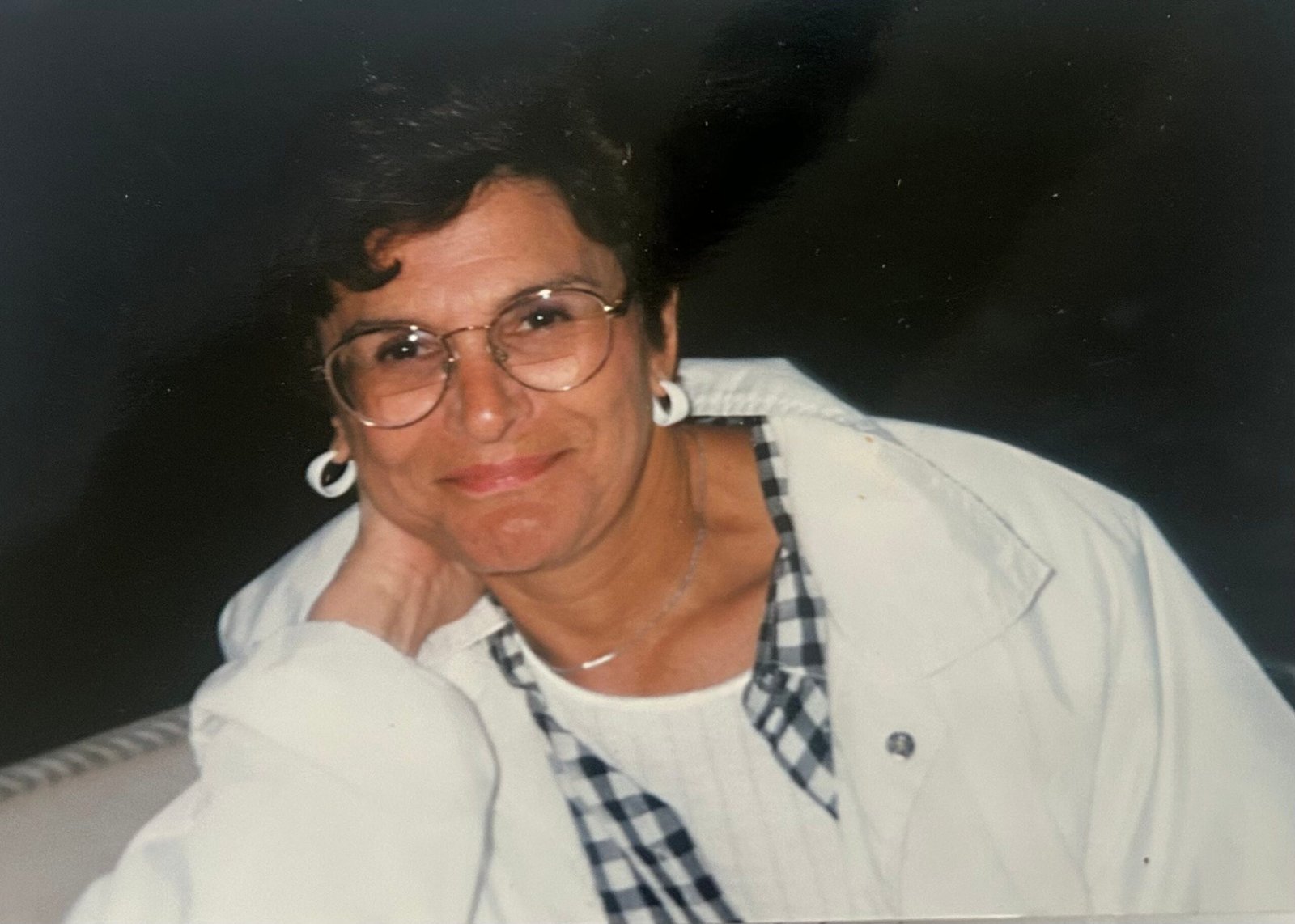
Woman posing for photo in the 80s

I wanted to be perfect like my grandmother. Then she asked me a question that changed my approach to life.

The author’s grandma was a perfectionist.

  • My grandmother’s terminal cancer diagnosis taught us both to let go of perfectionism.
  • Her lifelong pursuit of order and perfection shaped our family’s habits and expectations.
  • Facing illness, she embraced acceptance and inspired me to value effort over unattainable ideals.

My grandmother strove for perfection, convinced that it was an attainable goal if only you worked hard enough.

This meant eating less to lose weight. Food deprivation became a family bonding activity when my grandmother was on a diet. Diets lasted decades. We had marathon cleaning weekends while friends went to the mall. Play clothes were swapped out for school clothes for our rare trips to Burger King. Random dust checks were performed to ensure vacuuming of floors was done correctly. I’ll never forget her finger with a perfectly manicured nail grazing the cool Italian tile floor. Chore lists graced our refrigerator in the same way my friends’ quizzes and pictures graced theirs.

My grandmother wanted and demanded order, believing it led to perfection. My childhood was spent trying to please. She did not expect more from us than she did from herself, though. I hold many memories of Gram chastising herself for her too-big thighs or her less-than-stellar self-control around chocolate. It was a weakness that caused her significant guilt.

I followed her steps

Years later, as I began my own journey toward motherhood, I vowed that my children would not endure what I had. I would allow them to make messes. That dog I always wanted, but was never allowed to have because pets were dirty, would complete the large family I also always wanted. Perfection would become what it was meant to be, a foolish ideal — not a reality to strive for at all costs.

Family birthday
The author’s grandmother was diagnosed with terminal cancer.

Instead, I repeated exactly what I knew. My kids had to have matching outfits, picture-perfect Christmas cards, and all the things perfection required. I would clean and exercise until I reached the point of exhaustion. I worked out through all four pregnancies and directly after.

I recall throwing a birthday party for my son. He was turning 3 or 4. Someone commented on how great I looked. “Nicole makes sure everything is always perfect,” someone else said. I reveled in the praise. Gram heard the comment and smiled. We shared a common bond. When one of us inched closer to it, the other one felt proud.

Then my grandmother was diagnosed with cancer

The exhaustion of parenting four kids and attempting to create the perfect world for them and me was intense. I was stuck in a cycle. It would not break until one sunny fall day. I was running around attempting to clean and wrangle the kids for lunch. The plan was to work out after they took their naps. The phone rang, and my grandmother greeted me on the other end. All I heard was the word sick. I assumed it was regarding my grandfather, who had had heart problems for decades. I thought perhaps it was another heart attack.

“No, baby, it’s me. I’m sick.” It was shocking. Gram had lived a life of such order and perfection. She was in her 70s and active. She took only one pill for high blood pressure. Gram had Stage 4 ovarian cancer, which meant we discovered it late. We looked up the statistical odds of survival. My grandmother had a terminal illness.

The diagnosis changed her. For the first time, her constant need for perfection seemed foolish. Weight didn’t matter, nor did matching a purse to shoes to a blouse. When Gram lost her hair, one of her most beautiful features, and found herself struggling to keep the house clean, she understood things had to change. Maybe a wig wouldn’t be so bad. Maybe hiring someone to come in and help was OK. Her new favorite saying became, “Don’t sweat it.” What mattered was time and how she spent it.

She asked 1 simple question

When she saw me working myself to death to provide a perfect life for my family, Gram realized I had become just like her. She said, “Perfection isn’t worth it. It isn’t even real.” Then, she asked a question that changed everything for me.”Did you do your best?” When I answered that I had, she said, “Well, that’s all you can do then.”

It changed the way I lived my life and significantly reduced the pressure on me.

Watching her health diminish and understanding that she had limited time helped Gram realize what was important. Perfection and holding onto unrealistic expectations and ideals no longer fit into her life. Watching her learn this lesson allowed me to learn it alongside her. She taught me so that I didn’t have to wait until I was in my 70s battling a terminal illness. When I remember her now, I am forever grateful.

Read the original article on Business Insider

Source link