Why-Midi-Health-holds-AI-office-hours.jpeg

Why Midi Health holds AI office hours

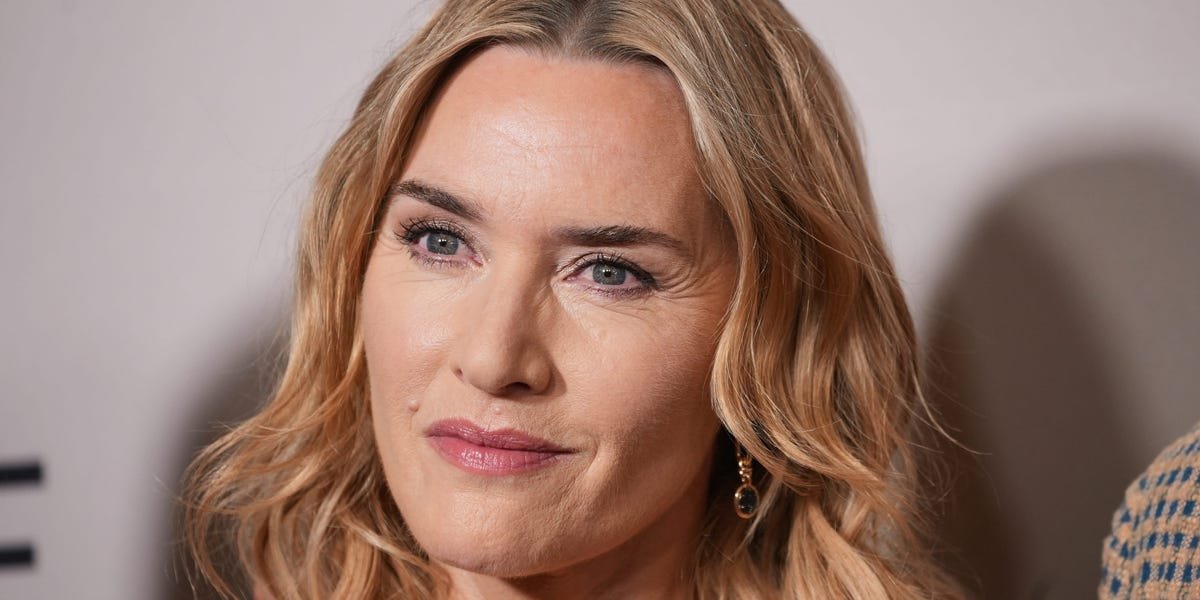
Joanna Strober, founder and CEO of Midi Health, knew there was a business opportunity in women’s health, but it took grit and patience to help investors see it too. What started as a mission to provide digital care for menopausal women has quickly scaled into a unicorn company with big growth ambitions.

Strober sat down with editor in chief Jamie Heller at Business Insider Live’s The Long Play event in San Francisco.


Source link

My-income-dropped-to-less-than-12000-after-burnout-caused.jpeg

My income dropped to less than $12,000 after burnout caused my health to collapse. I had to learn how not to overwork myself.

For most of my career, I relied on pushing through. I built a reputation for delivering under pressure, often pulling things together at the last minute and performing at a high level. That pace came with a cost: long work hours, inconsistent sleep, and a constant sense that I had to stay ahead of everything.

For a while, it worked. Then, last spring, my body stopped cooperating.

After receiving full payment from a new client — the kind of moment that normally would have felt like relief — I found myself on the bathroom floor, crying and unable to respond to messages or continue working.

I didn’t understand what was happening. It would take the better part of a year to begin to make sense of what my body was trying to tell me.

Before the crash, success did not feel stable

From the outside, my life looked successful.

I had been an entrepreneur for more than a decade, written books, and given a TEDx talk. At my peak, I brought in over $140,000.

But it never felt like enough. No matter how much I earned or accomplished, I lived with a constant sense of pressure — always anticipating the next problem, the next demand, or the next thing that could go wrong.

Looking back, I can see that I built my life around overwork. I was burning the candle at both ends, working at all hours, and ignoring the signals my body was sending me.

What I thought was resilience was often something else: pushing past my limits to meet expectations, both external and internal.

My health and housing became unstable

After that moment on the bathroom floor, things intensified.

I began experiencing severe physical symptoms, including intense pain, recurring headaches, digestive issues, and periods of exhaustion that made it nearly impossible to function. At times, the pain felt serious enough to warrant emergency care.

From the outside, these “episodes” may have looked like mental health issues. But in my body, it was deeply physical.

I did seek medical care, but my tests came back normal, even though my body did not feel normal.

At the time, I was renting a room in a shared home with a warm, multigenerational family. The house was lively and full of activity — beautiful in many ways — but overwhelming for a nervous system already overloaded.

As my symptoms became more visible, they drew more attention than I could manage.

A few days later, I left. Around 8 p.m., I packed a laundry basket of clothes, along with some pillows and blankets, into my SUV and drove away without a clear plan.

Over the following months, my living situation was precarious. I no longer had a home base or even a room to return to. My belongings were spread across multiple storage locations, and my car became a place where I felt some sense of safety.

Through a connection, I was able to rent an Airbnb by the beach for $50 a day for a period of time. I also stayed in hotels, spent time in parks, and slept in my car on some nights.

Because income was secondary to survival, it dropped to less than $12,000 for the year.

How I got through it

When people hear my income dropped that low, they usually ask the same question: How did you survive?

The answer is that I stopped trying to do everything alone.

Throughout my life, I was fiercely independent out of necessity. I was the person who handled problems and made chaos work. Accepting support did not come naturally to me.

That season taught me something different. I had always believed in God, but this was the first time I had to rely on that belief in a real, daily way. I didn’t always know how things would come together, but I learned to trust and surrender in a way I never had before.

I also met someone who became my partner, and our stable relationship became an important source of stability during a time when very little was stable.

Through our relationship, I experienced a felt sense of safety in my body for the first time in my life. It also showed me how unfamiliar it was for my body to receive something good without immediately preparing for loss, pressure, or payback.

What I learned about resilience

Over the following year, as I began paying closer attention to my body instead of overriding it, I started to see a pattern.

What I experienced was not just because of burnout. It was the accumulation of years of operating in a constant state of pressure and hypervigilance. It was a system-wide depletion under chronic stress, trauma adaptation, and sustained circumstantial load.

For most of my life, resilience meant enduring difficult environments and making them work.

What I began to understand instead was the difference between surviving and being in environments — and relationships — where there was genuine safety, resonance, and reciprocity.

I’m rebuilding my life and career in a way my body can actually sustain, and I’m no longer doing it alone. I don’t have a stable home, and I’m still building my career back to where it once was.

From the outside, a year where my income dropped below $12,000 might look like failure.

But for me, it became the year I stopped measuring resilience by how much I could endure — and started defining it by whether my life was something my body could actually sustain.

Source link

Everything-a-heart-health-dietitian-eats-in-a-week-including.jpeg

Everything a heart health dietitian eats in a week, including plant-based protein sources and ‘joy foods’

As a registered dietitian, Lena Beal first learned about nutrition from her own family.

“My great-grandparents were farmers, so they grew nearly everything they ate, made their own preserves, the whole thing,” Beal, a cardiovascular dietitian at Piedmont Atlanta Hospital and spokesperson for the Academy of Nutrition and Dietetics, told Business Insider.

Her roots inspired her profession. “It was generational wisdom,” she said. “The foods that give us the most nutrients, the most pleasure, they’re the most sustainable and practical.” In her own life, she focuses on a minimally processed, plant-packed diet, incorporating chicken, fish and eggs on occasion.

Still, it doesn’t mean there isn’t room for flexibility.

Once a week, Beal eats what she calls “joy foods”: things she enjoys, like sweets and alcohol, which are best consumed in moderation. A Christian, Beal links joy foods to her Sabbath, or day of rest.

Eating her joy foods on Sundays is her version of the 80/20 diet, helping her stay on track with eating mostly heart-healthy foods — with the occasional treats. “That way, I can enjoy them intentionally, but without feeling like I’m constantly negotiating with myself,” she said.

Beal shared what she eats in a week to get enough protein — and what a typical Sunday of fun looks like.

She leans on plant-based protein sources


Grain bowl

Beal includes lots of beans and legumes to get extra protein.

vaaseenaa/Getty Images


Given her focus on cardiovascular health, Beal said she has always focused on heart-healthy foods to keep her fueled throughout the day.

“It’s subliminal,” she said. “Those things are extremely important to me: making sure I have hearty, fiber-rich, high-omega-3 foods with those macronutrients.”

On a typical day, her meals look like this:

  • A high-protein, fiber-rich breakfast such as oatmeal with nuts and fruit
  • Lunch, her biggest meal of the day, is usually a hearty salad, grain bowl, or soup. She focuses on plant-based protein sources like legumes, dried beans, and chickpeas, but will sometimes include chopped egg or a piece of fish.
  • Snacks such as mixed nuts, granola bars, or fresh berries with yogurt
  • A light, mostly plant-based dinner such as steamed cabbage with brown rice and black-eyed peas

She focuses a lot on protein because she works out at least 3 to 4 days a week, including resistance training, brisk walking, and yoga. She said her target is reaching 150 minutes of moderate physical activity a week, the recommended goal for most people.

Her diet helps her stay on track. “Because my eating pattern is relatively consistent, it supports strength, energy, and flexibility,” she said.

Cutting down on red meat

Beal was never interested in intentionally following a strict vegan or vegetarian diet. Instead, her diet evolved over the past eight years to naturally involve less red meat.

“I wasn’t a heavy red meat-eater in the first place.” she said. “I no longer enjoyed it. It was heavy for me.” Having it once a week was easier for her because it didn’t feel like much of a sacrifice.

On occasion, she’ll eat leaner animal-based protein sources like chicken or turkey during the week, which have less saturated fat.

Joy meals include mimosas and French toast


French toast

One of Beal’s favorite joy meals is French toast.

Grace Cary/Getty Images


When Sunday rolls around, she doesn’t exactly go all out on sugar or cocktails, either. She still aims to stick to her normal habits, like eating a light dinner, because it ties into better sleep.

“I don’t go too far out of bounds,” she said. Treating herself might look like French toast, a mimosa, or fish in a richer cream sauce than she would pick during the week.

It’s been the easiest way to keep a balance in her life. Beal, who’s taught weight management classes in the past, said that words like “diet” or “cheat foods” can bring up a lot of negative feelings for people.

“I shy away from that language,” she said. “I call them ‘joy foods’ because they absolutely fit if you leave room for them intentionally.”

She focuses on flexibility

Beal takes a few supplements — vitamin D and iron — based on recommendations her doctor made, given her age and medical history.

Otherwise, she gets all her nutrients from her diet, which she feels is easy to maintain because she eats whole foods she loves during the week, while being flexible enough to enjoy a sweet treat or glass of wine, too.

“Healthy eating works best when it leaves room for living,” Beal said. “It ought to feel like when you get up from a meal that you have good feelings, whether it’s nostalgic, whether it satiates you. That’s what food is.”


Source link

I-spent-years-traveling-nonstop-It-took-me-too-long.jpeg

I spent years traveling nonstop. It took me too long to admit my ‘dream life’ was actually horrible for my health.

I was living the dream — flying internationally nearly once a month for my work as a travel writer, crisscrossing the globe to cover incredible destinations.

Invitations like cruising the Norwegian coastline and then jetting off to a buzzy restaurant opening in Las Vegas were too good to refuse, even if they were happening back-to-back.

Meanwhile, the frequent long-haul flights, indulgent meals, packed itineraries, and erratic sleep schedules were quietly taking a toll on my health — I was gaining a substantial amount of weight and frequently feeling exhausted.

I just told myself that less-than-stellar health was just the price of admission for this sort of career. After all, my job consisted of bucket-list-worthy experiences, like hiking in Peru and going on safari in Kenya!

It took me several years to admit to myself that I couldn’t keep living this way.

As much as I love traveling, doing it nonstop wasn’t great for my physical or mental health


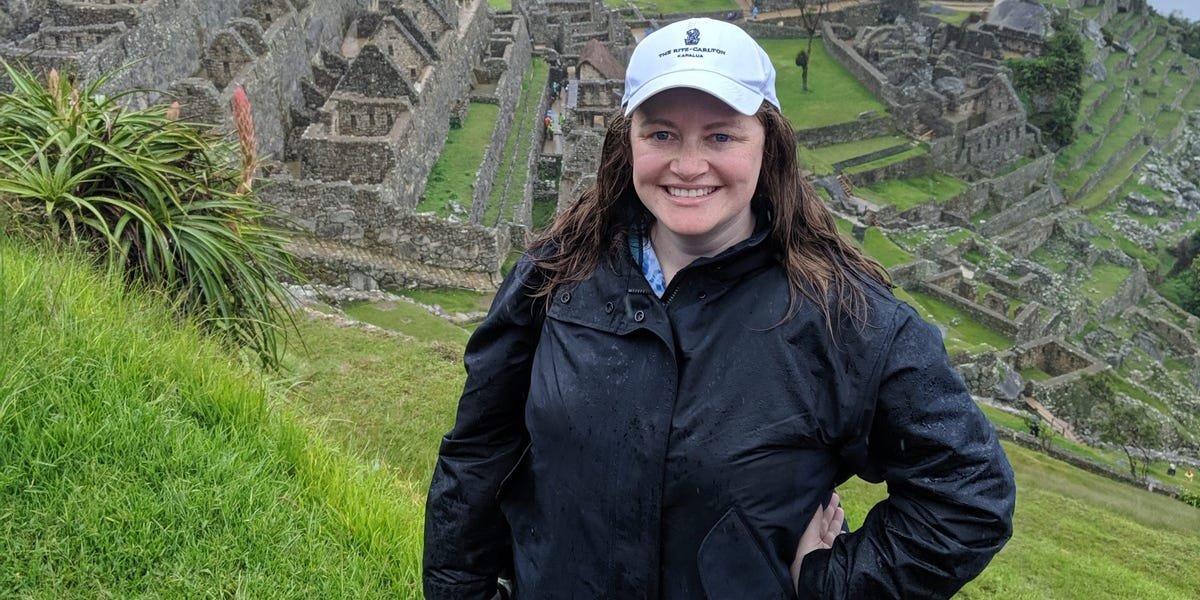
Woman smiling in front of stone relics

I love traveling, but it can be exhausting.

Meredith Bethune


In reality, the job of my dreams consisted of overnight flights where I’d get little to no rest, then hit the ground running as soon as I arrived at my destinations.

After I’d fly back home from some trips, it would take me nearly a week to recover from jet lag. My stress levels were often cranked up, dealing with flight delays, deadlines, and navigation across different states and countries.

With grueling daily schedules on the road, I rarely had time to answer emails. I’d come home to a full inbox and even fuller calendar.

The regular exposure to dry air on planes wasn’t helping my immune system, and neither was all the stress. I felt like I was constantly getting sick with colds, flus, or whatever was going around.

Meanwhile, my diet wasn’t balanced or nutritious. It largely consisted of indulgent meals on press trips, where I felt pressure to try everything so I could write about it.

Saying no felt awkward, even when I knew I’d feel better if I could set firmer boundaries.


Woman peeking out of red phone booth, smiling

I’ve been able to see many places through my work as a travel writer.

Meredith Bethune


On top of all that, I wasn’t exercising. After all, press trips run on tight schedules. I’d return to the hotel late, wake up early, sit in a van for hours between stops, and finish the day with a multicourse dinner.

Some fellow writers managed to fit in workouts, but I didn’t. It wasn’t a priority for me then.

All the travel felt isolating at times, too. I was spending most of my days with publicists, fellow writers, and guides. They were all lovely people, but not permanent fixtures in my life.

My closest friends lived far away, and I kept postponing visits because I was always either traveling or catching up from being away.

Meanwhile, my parents were getting older and needed more support.

After nearly a decade of jet-setting, by 2019, it had become undeniable that my mother’s memory problems went beyond normal aging. Finally, I felt compelled to take my health seriously.

My mother’s diagnosis felt like a wake-up call to prioritize my well-being


Woman smiling in ice hotel

Eventually, I realized I couldn’t travel so much without facing some consequences for my own health.

Meredith Bethune


By that time, my mother’s cognitive difficulties had progressed so much that she no longer seemed like herself. And though her official Alzheimer’s diagnosis came later, by then, it was just a formality. We had already known for years.

There wasn’t anything I could do to stop my mom’s Alzheimer’s from progressing, but I threw myself into researching the disease so I could know more about what the future held for her and, eventually, me.

I worried whether a similar diagnosis — one millions of Americans share — could be in the cards for me someday.

Though it’s not preventable, some studies and members of the medical community suggest that certain lifestyle changes, like being physically active and managing blood sugar and blood pressure levels, may lower one’s risk of developing some forms of the disease or delay its symptoms.

Even if I couldn’t prevent a future diagnosis, I knew finally taking care of my body and mind would be good for me. All that nonstop travel had been quietly wrecking my health, and the way I’d been living and working wasn’t sustainable.

I feel much better now that I’m traveling way less


Woman hiking grand canyon

I can’t control the future, but I can at least prioritize my health.

Meredith Bethune


It’s been over five years since I significantly cut back on travel.

I exercise almost every day and try to regularly follow a balanced diet. I’ve since lost over 50 pounds and sleep much better.

When I do go on trips, I do so with more intention and a lot of focus on the Northeast, close to home.

I probably take an overnight or weekend trip within driving distance about every six weeks. I still fly for work once or twice a year, but I’m no longer constantly on the road, and my body feels the difference.

When I go on bigger trips, I actually feel like I have more opportunities than I did before. Recently, I even hiked the Grand Canyon rim-to-rim, which I would never have attempted back when I was out of shape and constantly feeling drained.

Giving up on my dream job wasn’t easy, but I want to feel good and stay in great shape for as long as I can — even if that means finding peace at home instead of abroad.


Source link

Kate-Winslet-says-becoming-a-mother-helped-save-her-mental.jpeg

Kate Winslet says becoming a mother helped save her mental health after ‘Titanic’

Kate Winslet has a secret to staying sane among the madness of celebrity: motherhood.

“I was very fortunate because I became a mother when I was really young,” Winslet said during an appearance on the podcast “Talk Easy with Sam Fragoso,” which aired Sunday, December 21. “I was, you know, blessed to be taking care of this gorgeous little baby,” she said.

Winslet, 50, had her first child, actor Mia Threapleton, in 2000 when she was 25 years old. She welcomed her eldest son, Joe Anders, 21, in 2003, and her youngest, Bear Blaze Winslet, 12, in 2013.

Caring for her children, two of whom have followed her into the entertainment industry, helped her drown out the outside noise and public scrutiny she has endured over the years, she explained.

When the Hollywood star first became “very famous very quickly,” after starring alongside Leonard DiCaprio in the blockbuster “Titanic” in 1997, her mental health suffered, she said. Winslet, who is English, said she was bodyshamed and “actively bullied” by the British media and that she couldn’t “function like a normal person,” explaining that she would be followed into everyday places like the grocery store.

“I found it quite distressing,” she said.

The actor and director said it made her “really self-critical,” and that there were days when she felt like she “couldn’t face the day,” but being a mother “saved” her.

Winslet is not the only celebrity to cite her kids as a positive force on their mental health. In June, “Mad Max: Fury Road” star Charlize Theron, 49, told the “Call Her Daddy” podcast that adopting her two daughters in 2012 and 2015 was “one of the healthiest decisions” she has ever made. And “Empire State of Mind” singer Alicia Keys has said that motherhood has helped her become more introspective and identify unresolved issues.

Winslet has been on a press tour promoting her directorial debut, “Goodbye June,” which was released in select US and UK theaters on December 12 and will be on Netflix on December 24. The screenplay was written by her son, Anders.

In the interview with podcast host Fragoso, Winslet said that “protecting” herself creatively has also helped her maintain her mental health while living in the public eye.

Since rising to fame in 1997, she said she has only pursued roles that would make her happy.

“I had the good sense to know that I loved acting and that somehow the most important thing in terms of opportunity was only to pursue things that I really want to do,” she said.


Source link