
A-nutrition-scientist-who-loves-snacking-chooses-these-5-to.jpeg

A nutrition scientist who loves snacking chooses these 5 to protect her heart

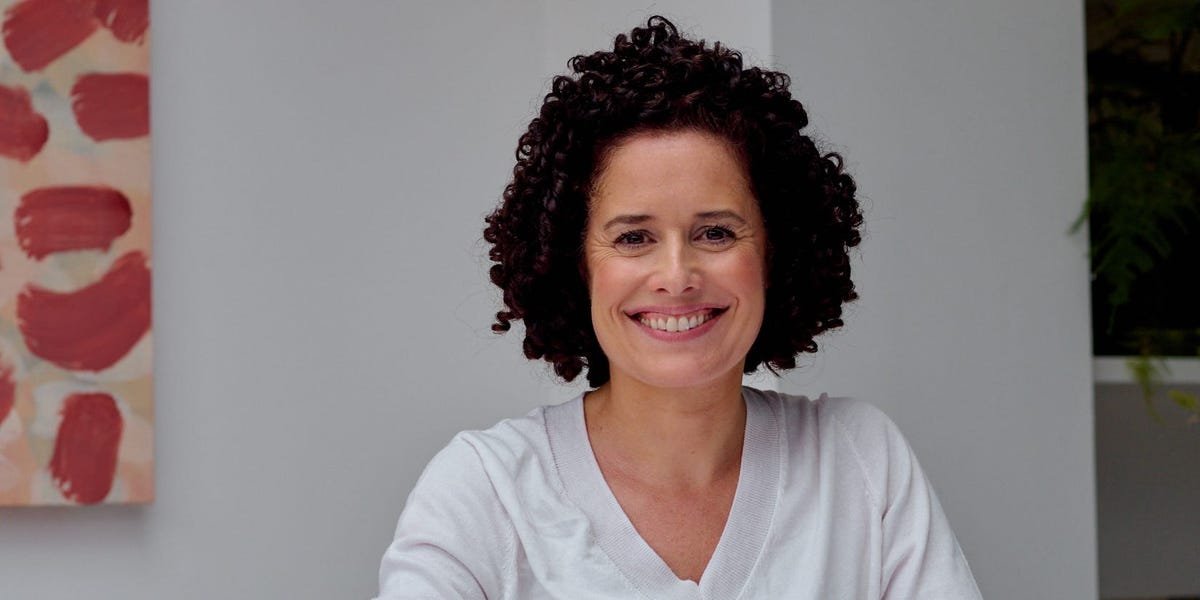
When it comes to her diet, Professor Sarah Berry, a nutrition scientist who specializes in cardiometabolic health, is a realist. As a self-professed snacker, instead of forcing herself to snack less, she chooses snacks that can provide health benefits.

Ninety-five percent of Americans snack at least once a day, according to ongoing US government dietary tracking survey data, and snacks account for 24% of the average American’s daily calories and 43% of added sugars. This makes picking nutritious snacks a simple and smart way to boost your health, Berry, who is a professor of nutrition at King’s College London, told Business Insider.

“If you are adding in healthy foods, naturally, you’re going to displace something else in your diet, and typically it may displace unhealthy foods,” she said.

For her heart health, Berry focuses on whole foods that are high in fiber and healthy fats, like nuts and seeds. Research consistently shows that a diet high in these foods lowers the risk of cardiovascular disease. They can help to keep cholesterol levels in check, reduce inflammatory biomarkers, and keep the gut microbiome, the trillions of microbes that live in the colon, happy, which research suggests can indirectly support heart health.

Berry stressed that her advice to eat healthy snacks is aimed at people who already snack. “I’m not suggesting non-snackers should start snacking,” she said.

She shared the five heart-healthy snacks she reaches for again and again.

Nut, seed, and fruit mix

At all times, Berry has a jar of chopped nuts, seeds, and dried fruits in her kitchen, which she grabs a handful of when she’s hungry. She also likes to sprinkle the mixture over yogurt as a nutritious snack.

The mix usually contains walnuts, almonds, sunflower seeds, chia seeds, goji berries, and dried cranberries, and lasts up to four weeks.

“I’m getting plant diversity, I’m getting fiber, I’m getting protein, I’m getting fermented food from the yogurt, I’m getting heart-healthy oils, I’m getting bioactives,” she said, referring to bioactive compounds or substances in the body that may promote good health, such as antioxidants.

Cheese on a wholegrain cracker


Ricotta cheese on a wholegrain cracker.

Berry loves to have a slice of cheese on a fibrous wholegrain cracker as a quick snack. 

LauriPatterson/Getty Images


Berry believes that cheese is unfairly demonized. Although it’s high in saturated fat — the type that raises cholesterol — the latest research suggests that fermented forms of dairy, including cheese and yogurt, may not increase cholesterol in the way we previously thought, she said.

There is some evidence to suggest that the fermentation process makes beneficial substances in the dairy more bioavailable, which has a protective effect on the cardiovascular system.

She loves to have a slice of cheese on a fibrous wholegrain cracker as a quick snack. “Having a reasonable amount of cheese as part of your diet can be very healthy,” she said.

Oatmeal with nut butter

Oatmeal with nut butter and a sprinkle of her nut and fruit mixture is a go-to breakfast or snack for Berry. She typically opts for peanut butter because she likes the taste but any nut butter would work.

The oats contain a particular soluble fibre called beta-glucan, she said, which can lower your LDL or “bad” cholesterol and therefore reduce the risk of cardiovascular disease.

Fruit


A fresh fruit stall.

Fruit is a convenient, nutritious snack you can eat on the go, Berry said. 

Alexander Spatari/Getty Images


People underestimate fruit, Berry said. They freak out about the sugar content, but shouldn’t avoid eating it because it is highly nutritious and convenient.

It contains fiber and antioxidants, which are beneficial for heart health. “It can be put in our bag, it’s easily transportable, long-lasting, and very cheap,” she said.

Her favorites are strawberries, raspberries, and mangoes.

“Unfortunately, all the expensive fruit,” she joked.

Almonds


A birdseye view of a jar of almonds.

Berry was influenced by her research to eat more almonds. 

Kentaroo Tryman/Getty Images


Berry snacks on almonds regularly, as they are a great source of healthy fats and vitamins.

She said she was influenced by the findings of a study she worked on that found almonds to be beneficial for cardiovascular health. The study was supported by the Almond Board of California.

In the 2020 study published in The American Journal of Nutrition, 105 participants were split into two groups. For six weeks, one group was given whole almonds to snack on throughout the day, while the other was given muffins containing the same amount of calories as the almonds. By the end of the trial, the almond group had lower LDL or “bad” cholesterol and better endothelial function, a sign of healthy, functioning blood vessels, than the muffin group. These are both indicators of good heart health.


Source link

A woman in glasses wearing a blue dress standing in front of a bush.

90-year-old determined not to miss birthday party, despite heart attack

My father has always been a sociable person who loves nothing better than chatting with relatives, friends, and ex-colleagues.

So it seemed like a fun idea to throw him a surprise party for his milestone 90th birthday at a cricket club in the English town where I grew up.

Our intention was “go big or go home,” and my sister, Alison, and I asked dozens of people to join the celebration.

We decided on a newspaper theme because Dad was the former editor in chief of a local newspaper. I spent hours designing the invitation, emphasizing that the event was top secret, and using the font of an old-fashioned typewriter.

The party was organized with military precision

Mom was also kept in the dark because we wanted it to be a surprise for her, too.

The guest list grew by the day as we contacted people from every part of Dad’s life, including his sister-in-law, cousin, nieces, nephews, and neighbors.

Most of the attendees were journalists who’d worked with him during his seven decades in print. We imagined his delight when he met them again.

My sister and I planned the party with military precision from our homes on either side of the Atlantic Ocean.


A group of people at a birthday party.

The party took place after all.

Courtesy of the author.


We bought runners for the tables, framed a huge welcome poster, made bunting, and ordered a massive cake that looked like the front page of Dad’s beloved paper.

Then, two weeks before the party, Dad had a cardiac arrest. He’d shown signs of slowing down over the previous few months, but it was a terrible shock.

Thankfully, the heart attack was relatively mild — but it was enough to keep him in the hospital, followed by a rehab facility for the next seven days.

Mom and Ali stayed at his bedside, while I made concerned calls from the US. It was horrible to live so far away while my family was in need.

The worry was bad enough, but I admit it was compounded by the fact that we’d organized the birthday party. Dad’s health was the absolute priority, but people had been looking forward to the occasion and booked train tickets and hotels.

Dad could have made a virtual appearance

I felt selfish for having those thoughts, but couldn’t bring myself to cancel the celebration quite yet. I consulted with Ali, who agreed we should reassess in a few days’ time.

While Dad quickly showed signs of improvement, we faced a dilemma. Should we do the “sensible thing” and call off the party? Perhaps there was a compromise. What if the event went ahead in Dad’s honor, whether he attended or not?

He was as generous as he was sociable, and wouldn’t have wanted anyone to be disappointed or sad. Besides, he’d get a kick out of all the tributes to him.

We sent an email to tell the guests what had happened. We said we understood if they wanted to decline, but hoped they wouldn’t. Dad could even make a virtual appearance on a giant TV screen, we said.


A woman in a blue dress making a speech

The author making a speech at her father’s birthday party.

Courtesy of the author.


Most people thought it would be nice to get together for a reunion and celebrate Dad. If they couldn’t raise a glass and appreciate him together, then when could they?

To our relief, Dad rallied over the following week. He returned from the hospital and became quite jovial again. My husband and I flew to England as planned, and he was pleased to see us.

Nevertheless, a big question mark remained over the party. Dad’s medical team was impressed by his continued recovery, and Ali sought their advice. She wanted to know whether it was safe for him to attend. They said it would boost his morale and give him something to look forward to.

Dad delivered a speech himself

Obviously, we no longer kept the lunch a surprise and asked Dad for his opinion. There was no pressure, we said, but if the thought of a celebration appealed to him, we’d do our best to get him there.

His face lit up. “I can’t wait to see everyone,” he said.

We left it until the morning itself for him to finally decide. If he felt up to coming, great. If not, that would be fine. It didn’t really matter because he’d be there in spirit.

Still, proud and determined, Dad made it in person. He shook hands with everyone in the room and laughed at the speeches. He even gave one himself.

The party was a roaring success. Ali and I agreed that we’d done the right thing. We hadn’t seen Dad so happy in years.


Source link

Heart-disease-is-on-the-rise-in-younger-adults-A.jpeg

Heart disease is on the rise in younger adults. A cardiologist says prevention needs to start sooner.

You wouldn’t wait until your 50s to start saving for retirement — so why wait until your heart is already at risk to start protecting it?

Heart disease is spiking among younger people, in part because people in their 20s, 30s, and 40s are procrastinating on their health, according to Dr. Sadiya Khan.

Khan, a professor of cardiovascular epidemiology at Northwestern University, told Business Insider that changes to your diet and exercise habits now can pay big dividends as you age.

“You can’t just become older and then hope to make all these changes,” she said.

The earlier you understand your heart health, the better equipped you are to make healthy decisions for future you.

Your heart may be aging too quickly

Right now, most of us are behind in our investments to our cardiovascular health. The average American’s heart is 4 to 7 years older than their calendar age, according to Khan’s research.

“All of us are naturally driven to procrastinate,” she said. “You try to worry about the things that are immediately in front of you, and it’s harder to prioritize and give as much attention to something that is a long-term consequence.

An online tool, developed by Khan and her team, helps forecast a person’s risk of heart attack or stroke over the next 30 years by illustrating how they stack up to their peers. It shows their percentile rank for heart health: in other words, out of 100 people the same age and sex, how many have a higher or lower risk of cardiovascular disease.

Khan said the new tool uniquely uses percentiles to help people manage their health by understanding their risk and making changes if needed. Patients can then prioritize which habits provide the best bang for their buck in terms of health benefits, starting with what Khan recommends most.

How to invest in your heart health now

Khan said a big challenge with heart health is that it can be highly individualized. All the factors involved — diet, exercise habits, genetics, and stress — can vary widely from person to person.

“It’s not going to be a one-size-fits-all,” she said. “It’s this overarching goal that we need to personalize how we communicate risk and how we can share that information in a way that works for each patient.”

That makes it hard to recommend a specific game plan to boost everyone’s heart health. However, there are a few strategies that can pay off for most people.

  • Stop smoking. It may seem obvious, but if you’re a smoker even occasionally, quitting is one of the most effective ways you can reduce heart health risks (and yes, smoking cannabis is bad for your heart, too).
  • Get your steps in. Exercise helps strengthen the heart and stave off age-related disease, and most of us don’t get enough. Walking an extra 500 steps a day can help start building better fitness from the ground up. Short bursts of high-intensity movement quickly add up for better health.
  • Lift weights. Strength training is increasingly linked to better longevity, and movements like squats and deadlifts or at-home exercises like push-ups or wall sits can support a strong heart.
  • Eat more beans. Most of us could benefit from eating more nutrients like fiber that protect heart health. Affordable foods like whole grains and beans offer protein, fiber, and nutrients to fuel better heart health. Plant-based whole foods also help to keep you full, making it easier to cut back on sweets and processed foods that can be hard on your heart.
  • Take a tai chi break. It’s no secret that stress can be harmful, and over time, it can take a major toll on your heart. Relaxing habits like spending time outdoors and doing yoga or tai chi help to lower your blood pressure and reduce cardiovascular strain. Getting enough quality, consistent sleep is crucial, too.

For best results, try to make small, sustainable changes that you can keep up over time.

“It depends on what works for you and what you are able to stick with,” Khan said. “They all matter, but you don’t also need to do it all at once.”


Source link

Ive-traveled-to-incredible-destinations-across-44-countries-but-just.jpeg

I’ve traveled to incredible destinations across 44 countries, but just one island in Southeast Asia has stolen my heart

As an American who’s traveled to 44 countries over the last 30 years, I’ve seen my fair share of unforgettable places.

But if I had to choose one place to visit again and again, it would be Bali, an island and province in Indonesia that combines vibrant culture, natural beauty, and a pace of life that feels both energizing and restorative.

After spending a month on the island in 2023, I fell in love. Here’s what made my trip to Bali so special.

The food scene is incredible


A plate of Tahu Tek, made with fried tofu, bean sprouts, peanut sauce, and a pile of crackers on top.

I enjoyed a Javanese meal called Tahu Tek.

Gabby Garcia


One of my favorite meals during my time in Bali came from a street vendor. The Javanese meal, called Tahu Tek, featured fried tofu, bean sprouts, a thick peanut sauce, and a pile of crackers on top. It cost me less than $2 (USD), but it was packed with flavor.

Bali’s food scene goes far beyond street food, though. Even dining at restaurants felt affordable, making it easy to try local specialties, including babi guling, a traditional whole roasted pig.

Plus, I could easily find international cuisine alongside local dishes.

I often went to Milk & Madu, which served American-style food like pizza and burgers. I also loved spending mornings at cafés in Canggu, sipping smoothies and enjoying breakfast bowls.

Both the locals and expats in Bali were warm and welcoming

One of the main things that makes Bali truly special is its people. I’ve been to many destinations where the locals aren’t always open to expats and travelers. But here, everyone I met was warm, welcoming, and genuinely kind.

For example, I used an app called Grab, similar to Uber, where drivers can pick up passengers on their motorbikes or in their cars.

I was wary about riding on the back of a stranger’s bike, but the friendly drivers I had across several rides quickly made me feel at ease. Some would even check in with me during the ride to make sure everything was OK or to ask if I needed them to slow down.

Plus, I found an amazing community of digital nomads, creatives, and expats who decided to trade their office jobs for laptops in cafés. As an American living abroad, this made me feel at home.

It gave me a sense of familiarity in a new environment and made it easier to connect, since there was no language barrier. I felt more comfortable starting conversations and sharing experiences with other expats and long-term travelers.

During my time in Uluwatu, I met another nomad, and a simple conversation turned into spending the next few days together exploring. These kinds of moments felt much more natural and common in Bali than in other places I’ve visited, and I felt a strong sense of openness and connection.

There was always something exciting to do


A photo of Gabby with a long piece of pink fabric on a swing over lush greenery.

I rode on a unique swing at Alas Harum.

Gabby Garcia


Another thing I loved about Bali was the diverse range of activities available. Whether I was in the mood to visit temples or relax on the beach, there was always something to do.

For example, in Ubud, I wandered through the Sacred Monkey Forest Sanctuary, where ancient temples sit under jungle canopies. There were signs everywhere warning visitors to hold onto their belongings, and for good reason. The sanctuary is home to over 1,260 monkeys, who I saw climbing railings and jumping between statues.

On the opposite end of the spectrum, I also visited Alas Harum, a tourism destination in Tegallalang with lots of opportunities for adventure. Here, I flew out on a giant swing that went over rice fields. Taking in the view from way above the terraces was equal parts terrifying and fun.

And when I wanted to relax, I visited the beach clubs, where I lounged by the water with music playing and a drink in my hand.

I’m already dreaming of returning to Bali

After traveling to 44 countries, I can confidently say I’m no stranger to exploring new places.

Every destination I’ve visited has shown me new ways of living, but in Bali, I experienced a way of life that felt joyful, balanced, and connected. Plus, the tropical, warm, and consistent weather didn’t hurt either.

Between the amazing food, the warm people, and the sense of adventure, I’m already dreaming of my next trip to this beautiful island.


Source link

Everything-a-heart-health-dietitian-eats-in-a-week-including.jpeg

Everything a heart health dietitian eats in a week, including plant-based protein sources and ‘joy foods’

As a registered dietitian, Lena Beal first learned about nutrition from her own family.

“My great-grandparents were farmers, so they grew nearly everything they ate, made their own preserves, the whole thing,” Beal, a cardiovascular dietitian at Piedmont Atlanta Hospital and spokesperson for the Academy of Nutrition and Dietetics, told Business Insider.

Her roots inspired her profession. “It was generational wisdom,” she said. “The foods that give us the most nutrients, the most pleasure, they’re the most sustainable and practical.” In her own life, she focuses on a minimally processed, plant-packed diet, incorporating chicken, fish and eggs on occasion.

Still, it doesn’t mean there isn’t room for flexibility.

Once a week, Beal eats what she calls “joy foods”: things she enjoys, like sweets and alcohol, which are best consumed in moderation. A Christian, Beal links joy foods to her Sabbath, or day of rest.

Eating her joy foods on Sundays is her version of the 80/20 diet, helping her stay on track with eating mostly heart-healthy foods — with the occasional treats. “That way, I can enjoy them intentionally, but without feeling like I’m constantly negotiating with myself,” she said.

Beal shared what she eats in a week to get enough protein — and what a typical Sunday of fun looks like.

She leans on plant-based protein sources


Grain bowl

Beal includes lots of beans and legumes to get extra protein.

vaaseenaa/Getty Images


Given her focus on cardiovascular health, Beal said she has always focused on heart-healthy foods to keep her fueled throughout the day.

“It’s subliminal,” she said. “Those things are extremely important to me: making sure I have hearty, fiber-rich, high-omega-3 foods with those macronutrients.”

On a typical day, her meals look like this:

  • A high-protein, fiber-rich breakfast such as oatmeal with nuts and fruit
  • Lunch, her biggest meal of the day, is usually a hearty salad, grain bowl, or soup. She focuses on plant-based protein sources like legumes, dried beans, and chickpeas, but will sometimes include chopped egg or a piece of fish.
  • Snacks such as mixed nuts, granola bars, or fresh berries with yogurt
  • A light, mostly plant-based dinner such as steamed cabbage with brown rice and black-eyed peas

She focuses a lot on protein because she works out at least 3 to 4 days a week, including resistance training, brisk walking, and yoga. She said her target is reaching 150 minutes of moderate physical activity a week, the recommended goal for most people.

Her diet helps her stay on track. “Because my eating pattern is relatively consistent, it supports strength, energy, and flexibility,” she said.

Cutting down on red meat

Beal was never interested in intentionally following a strict vegan or vegetarian diet. Instead, her diet evolved over the past eight years to naturally involve less red meat.

“I wasn’t a heavy red meat-eater in the first place.” she said. “I no longer enjoyed it. It was heavy for me.” Having it once a week was easier for her because it didn’t feel like much of a sacrifice.

On occasion, she’ll eat leaner animal-based protein sources like chicken or turkey during the week, which have less saturated fat.

Joy meals include mimosas and French toast


French toast

One of Beal’s favorite joy meals is French toast.

Grace Cary/Getty Images


When Sunday rolls around, she doesn’t exactly go all out on sugar or cocktails, either. She still aims to stick to her normal habits, like eating a light dinner, because it ties into better sleep.

“I don’t go too far out of bounds,” she said. Treating herself might look like French toast, a mimosa, or fish in a richer cream sauce than she would pick during the week.

It’s been the easiest way to keep a balance in her life. Beal, who’s taught weight management classes in the past, said that words like “diet” or “cheat foods” can bring up a lot of negative feelings for people.

“I shy away from that language,” she said. “I call them ‘joy foods’ because they absolutely fit if you leave room for them intentionally.”

She focuses on flexibility

Beal takes a few supplements — vitamin D and iron — based on recommendations her doctor made, given her age and medical history.

Otherwise, she gets all her nutrients from her diet, which she feels is easy to maintain because she eats whole foods she loves during the week, while being flexible enough to enjoy a sweet treat or glass of wine, too.

“Healthy eating works best when it leaves room for living,” Beal said. “It ought to feel like when you get up from a meal that you have good feelings, whether it’s nostalgic, whether it satiates you. That’s what food is.”


Source link