
Sandy-A-10s-the-Air-Force-says-it-no-longer-needs.jpeg

‘Sandy’ A-10s the Air Force says it no longer needs flew ‘close-in gunfights’ in high-risk Iran rescues

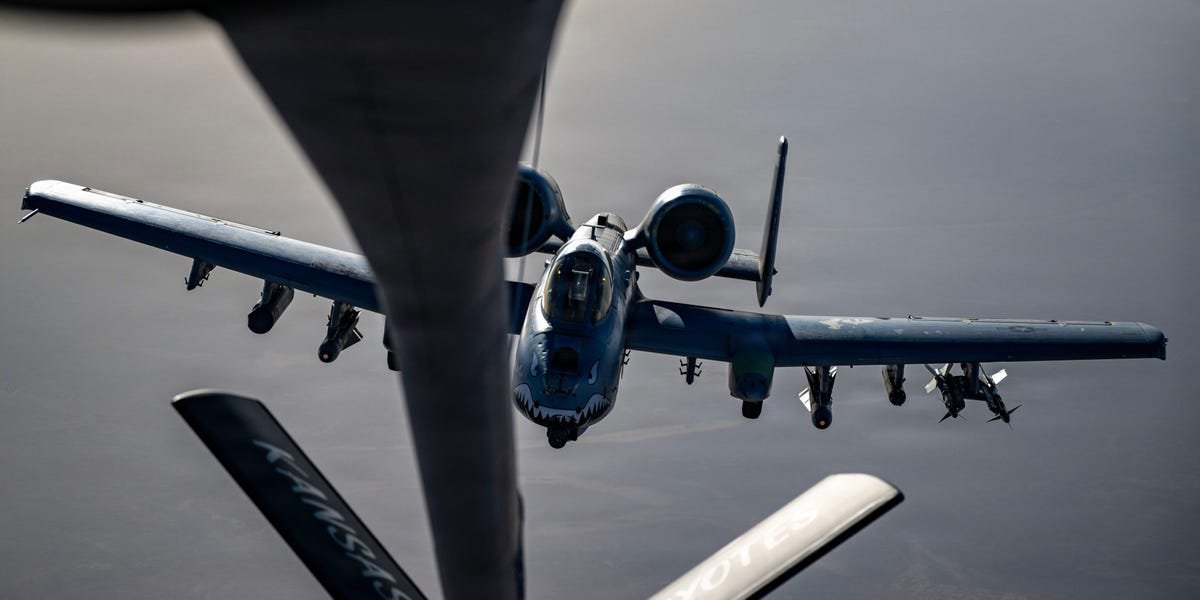
US Air Force A-10 Warthogs, decades-old attack aircraft the service has been pushing into retirement, were part of the risky rescue missions to retrieve downed American airmen in Iran.

The Warthogs flew in their “Sandy” roles, supporting search and rescue while engaging in close-in battles at low altitudes. The rescue marks the latest involvement of the A-10 in the US war in Iran despite the Air Force’s plans to imminently shelve its remaining fleet.

Air Force Gen. Dan Caine, chairman of the Joint Chiefs of Staff, shared details on the aircraft used in the mission during a Monday briefing on the rescue of the pilot and weapon systems officer after an F-15E Strike Eagle was shot down over Iran last week.

Caine said that a task force including A-10 Thunderbolt II attack aircraft, commonly called Warthogs, “audaciously penetrated enemy territory in broad daylight” to rescue the F-15E pilot. “This was an incredibly dangerous mission,” he added, sharing the task force faced Iranian fire while locating and retrieving the downed pilot.

In the operation, the A-10s, along with other aircraft, including drones, flew in so-called “Sandy” roles, “violently suppressing and engaging the enemy in a close-in gunfight” to draw attention away from the rescue activities, as well as keep the enemy at bay.

During the engagement, one A-10 aircraft was hit by enemy fire. The pilot flew it into friendly airspace but determined that they wouldn’t be able to land it. The pilot ejected as the plane went down. They were recovered safely.


A US A-10 Thunderbolt II attack aircraft flying in the Middle East

The Air Force has deemed the A-10s obsolete for a potential future war with China. 

US Air Force photo


“A ‘Sandy’ has one mission: get to the survivor, bring the rescue force forward, and put themselves between that survivor on the ground and the enemy,” Caine said.

The “Sandy” role originated during the Vietnam War as the call sign for A-1 Skyraiders leading combat search-and-rescue missions. These aircraft located downed airmen, coordinated rescue efforts, and suppressed enemy fire to protect helicopters.

As the A-1 retired, the Sandy role — a mission, not a platform — passed to aircraft like the A-10 Warthog.

These “Sandy” aircraft are part of the larger CSAR package, which includes HH-60 helicopters and highly trained rescue personnel, HC-130 refueling tankers, fighter escorts, and intelligence, reconnaissance, and surveillance assets.

“The A-10 force and the rescue force did a fantastic job,” Caine said Monday. Earlier in the war, the top general highlighted the involvement of Warthogs in hunting down Iranian fast-attack boats in the Strait of Hormuz.

The A-10’s days are, however, numbered. The Air Force is planning the aircraft’s retirement, though it has run into roadblocks. Congressional intervention has repeatedly thrown the attack plane a lifeline and prevented the service from fully retiring the entire fleet. There are over 160 Warthogs in service.

Pushing for the retirement of the fleet, Air Force leadership has previously argued that “the aircraft does not deter or survive against our pacing challenge,” a reference to China. The service has been looking into whether F-35A Lightning II stealth fighters can fulfill the A-10’s missions, such as close-air support. Supporters of the A-10 argue no other aircraft can currently fulfill its missions.

The A-10 was introduced in the 1970s and intended to be a tank-killer capable of blunting a Soviet armored assault. It can carry rockets, missiles, and bombs, but is best known for its 30mm GAU-8 Avenger seven-barrel Gatling-style autocannon.


Source link
Trump-says-US-forces-pulled-off-a-high-risk-rescue-of.jpeg

Trump says US forces pulled off a high-risk rescue of a downed airman being hunted ‘deep inside’ Iran

A US airman who was missing after his aircraft was shot down over Iran on Friday has been rescued, President Donald Trump announced early on Sunday.

“WE GOT HIM!” Trump posted on Truth Social, praising the military for carrying out what he described as “one of the most daring” search-and-rescue operations in US history.

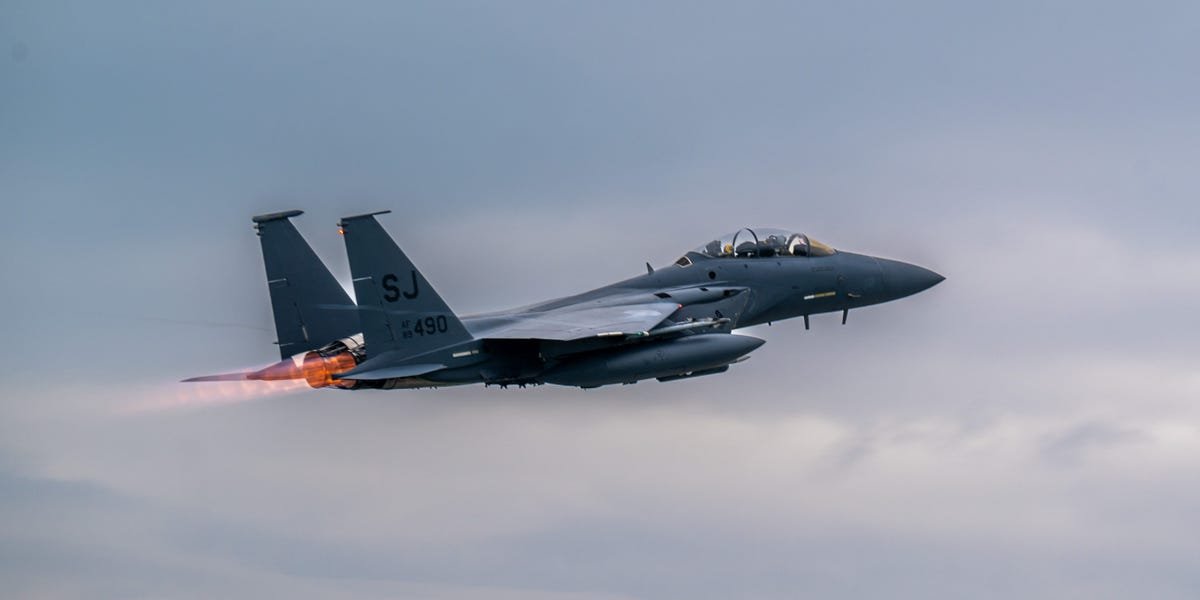
The mission, which a current search-and-rescue pilot described as unbelievably bold in conversations with Business Insider about these challenging operations, was launched after an F-15E Strike Eagle fighter jet, carrying a pilot and weapons system officer, went down over Iran on Friday.

Not long after the aircraft loss, photos of debris said to be from an F-15E fighter jet and video footage appearing to show search-and-rescue operations with Black Hawk helicopters and a C-130 Hercules aircraft began circulating online.

US forces rescued the pilot several hours after their F-15 went down. Trump said the military on Saturday sent dozens of aircraft to retrieve the weapons system officer, a colonel, from “deep inside the mountains of Iran” as Iranian forces closed in on his location.

The president said the airman was “being hunted down by our enemies, who were getting closer and closer by the hour.”

The airman’s condition is unclear. Trump said “he sustained injuries, but he will be just fine.” He later described the injuries as serious.

Combat search-and-rescue missions like this one are rare and rely on highly trained personnel, from the skilled aircrews operating helicopters and refueling tankers to the Pararescue Jumpers that are often sent out with them.

Friday’s F-15 Strike Eagle incident marked the first manned aircraft loss over Iran but not the first US aircraft loss of the war. The Air Force has lost other aircraft since the start of Operation Epic Fury on February 28.

At the start of the Iran war, three US F-15s were mistakenly shot down by Kuwaiti forces in what US Central Command — which oversees American forces in the Middle East characterized as “an apparent friendly fire incident.” All six crew members survived.

Then on March 12, a US KC-135 refueling aircraft crashed in western Iraq, killing all six crew members. A second American aircraft involved in the incident landed safely.

Iran has also shot down several MQ-9 Reaper drones and destroyed or damaged support aircraft on the ground at American bases in the Gulf region.

Reports Friday indicated that in addition to the fighter jet downed over Iran, an A-10 attack aircraft mobilized in support was also hit. It went down over friendly territory, with the pilot ejecting safely.

There have been several close calls as well. A US F-35 stealth fighter jet, for instance, was forced to make an emergency landing at a Middle East base on March 19 after flying a combat mission over Iran, reportedly after it was damaged by Iranian fire.

And in late March, video footage circulating online appeared to show a US Navy F/A-18 Super Hornet narrowly avoiding an Iranian surface-to-air missile.

More than 350 US service members have been wounded in the war, though most of them have already returned to duty. Thirteen troops have been killed.