Ukrainian-troops-say-their-hard-won-lessons-on-Iranian-Shaheds-apply.jpeg

Ukrainian troops say their hard-won lessons on Iranian Shaheds apply far beyond their war at home

The drones Iran is launching at US forces are the same ones Ukraine has fought for years. Ukrainian soldiers say their battlefield experience offers lessons that matter in this fight.

Alex Eine, the commander of a small Ukrainian drone unit, said it was “surprising” to see reports out of the Middle East of multimillion-dollar interceptors being used to combat cheap Iranian one-way attack drones.

“When long-range drones are flying at you, don’t shoot them down with $3 million PAC-3s from Patriots,” he said, referring to a top interceptor for the most advanced US surface-to-air missile system.

Through trial and error, Ukraine developed low-cost defenses to counter Russia’s Geran drones, copies of Iran’s Shahed drones. Ukrainians involved in defending their country and Western analysts say other countries facing these threats need to be doing the same.

A 122nd Brigade sergeant with Ukraine’s Territorial Defense Forces who asked to be identified only by their call sign Fast, said that Ukrainian soldiers “were sure the US had some secret weapon,” some foolproof shield for stopping Shaheds. They were expecting to see it in action when this new war began, he said.

Instead, what they saw were viral video clips of an Iranian delta-wing drone sailing past defenses and slamming into a US Navy base in Bahrain, causing serious damage.


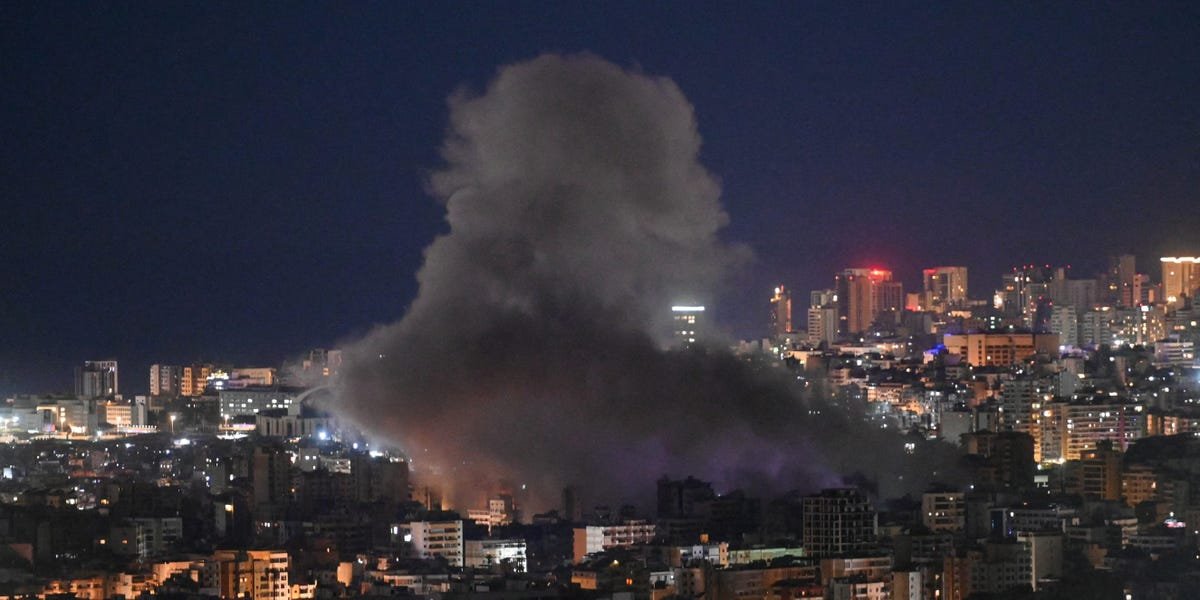
Smoke rises from a skyline with water in the foreground under a blue sky

Iran has been firing missiles and drones at US targets and its Middle East allies.

Stringer/Anadolu via Getty Images


“Now we see that it is a hard task, even for the US,” Fast said of defending against Shaheds.

On Wednesday, CNN reported, citing an unnamed source who attended a closed-door briefing, that Defense Secretary Pete Hegseth and the top general, Dan Caine, told congressional leaders that Shaheds pose a greater challenge for the US and allies than initially expected.

The Pentagon did not respond to requests for comment.

Speaking at a press conference on Thursday afternoon, Adm. Brad Cooper, the head of US Central Command, said that the US is “very familiar with the Iranian capabilities” and “planned for it right from the outset.”

He added that while he felt good about what the plan was, the military has been making adjustments.

Dimko Zhluktenko, a Ukrainian drone pilot with Ukraine’s Unmanned Systems Forces, said the US and others should lean more into the kind of low-cost systems that Ukraine has proven work against Shaheds.

Hard-won combat lessons

The reality of any major air defense battle is that some threats are likely to break through.

“I’m not surprised that some Iranian drones penetrated their defenses, as they act like a swarm,” said Ukrainian lawmaker Maryan Zablotskyy, who was an early advocate for interceptor drone air defenses. “It’s very difficult to intercept a whole bunch of them flying at the same time.”


A man wearing camoufage stands on the back of a camoufage-painted truck pointing a weapon into a cloudy and blue sky, with another man standing beside

Ukraine has developed mobile fire groups as part of its response to Shahed-style drones.

Andriy Dubchak/Frontliner/Getty Images


Last year, Ukraine saw Russian drones break through and kill over 500 civilians.

“There is no 100% counteraction,” said Oleksandr Skarlat, the director of the Sternenko Foundation, a crowdfunding organization for combat drones. “The question is no longer whether such drones will break through,” he argued, “but what the cost of destroying them will be and how quickly defense systems can adapt.”

Ukraine says it can intercept about 90% of Russia’s Shaheds. That rate isn’t perfect, but Kyiv is able to achieve largely effective coverage and do so with systems that are cheap enough to field at scale, helping it save its missiles like the Patriot and the National Advanced Surface-to-Air Missile Systems, or NASAMS, for Russia’s more dangerous threats.

Ukraine depends on a host of low-cost solutions against Shaheds, including electronic warfare, mobile gun teams, and interceptor drones.

A cofounder of Wild Hornets, the Ukrainian firm behind the popular Sting interceptor drone, said the Shahed threat “forced” their country to develop an entirely new branch of service dedicated to using drones to fight drones.

Ukraine began surging production of cheap interceptor drones, designed to fly at high speeds to intercept Shaheds, in 2025. It says it now produces over 1,000 of them a day.


A man in camouflage gear and a black beanie stands in a snowy field in front of trees holding a black and beige drone, standing beside black equipment

Ukraine has developed interceptor drones designed to take out Shaheds and other drones.

Alex Nikitenko/Global Images Ukraine via Getty Images


Math problems

Hegseth said on Wednesday that the US has “the most sophisticated air and missile defense network ever fielded” and that it has vaporized thousands of Iranian threats, both missiles and one-way attack drones.

“We have pushed every counter-UAS system possible forward, sparing no expense or capability,” he said, using an acronym for counter-Unmanned Aerial Systems.

Among the higher-end air defenses on the front lines of this multinational air defense fight are the MIM-104 Patriot and Terminal High Altitude Area Defense (THAAD) systems. Ship-based interceptors, like the SM-series missiles, and planes armed with air-to-air missiles are also in play.

Dara Massicot, a Carnegie Endowment for International Peace defense expert, wrote in an assessment on Monday that drone attacks are being intercepted “at an impressive rate,” but at the cost of “extensive resources of near-constant defensive counter air patrols and the use of ground-based air defense systems that are otherwise needed for intercepting inbound Iranian missiles.”

Zablotskyy, the Ukrainian lawmaker, said that the important thing is to “start thinking low-cost war.” Ukraine’s interceptor drones are priced at around $2,300 to $6,000 each, while Shaheds are generally estimated to cost $20,000 to $50,000 apiece.


Two men bending over holding a large grey drone between trees

Ukraine has more experience operating and stopping drones than any of its allies.

ROMAN PILIPEY/AFP via Getty Images


That cost ratio is much better than expending a multimillion-dollar interceptor missile on a drone costing only thousands. American military leadership says that they are working to address past imbalances.

“Interceptors, in general, we’ve had a number of new capabilities being fielded,” Cooper said on Thursday. “I think you have seen over a period of time us kind of get on the other side of this cost curve on drones.”

“If I just walk back a couple of years, you remember you used to always hear: ‘We’re shooting down a $50,000 drone with a $2 million missile.’ These days, we’re spending a lot of time shooting down $100,000 drones with $10,000 weapons,” he said.

The admiral declined to go into specifics on the new capabilities being fielded.

The US and Israel are flying over Iran and destroying as much as they can of Iran’s missile arsenal to try to limit its offensive attacks — a state-of-the-art air campaign that Ukraine can’t match, and it has cut both missile and drone attacks down tremendously since the war began.

Offers to help

The US military has taken broader drone lessons from Ukraine; however, observers say it has not adopted Kyiv’s low-cost interception architecture at the scale it needs for this and future wars.


A large camouflaged truck-mounted weapon beside trees and under a white sky

The US military’s Patriot air defense system is powerful, but every use is costly.

Thomas Frey/picture alliance via Getty Images


Ukrainians told Business Insider that the US should invest deeply in interceptor drones like the ones they use while also layering in electronic warfare and short-range air defenses.

“The use of interceptor drones might be the key to the Shahed challenge in the Middle East and elsewhere,” said Taras Tymochko, who led the Dronefall project, a program under the charity foundation ComeBackAlive that funded early development of interceptor drones in Ukraine.

“Of course, there is not much time to learn how to use interceptors,” he said. “But it is better to be late than very late.”

On Thursday, Ukrainian President Volodymyr Zelenskyy said that Ukraine “received a request from the United States for specific support in protection against ‘shaheds’ in the Middle East region.” At the same time, reports emerged that the US and other partners were considering purchasing Ukrainian interceptor drones.


A rocket trail is seen in the sky above the Israeli coastal city of Tel Aviv on March 5, 2026.

In the past, the cost of interception was often vastly more expensive than the target. Cheap interceptor drones are designed to change that.

Jack GUEZ/AFP via Getty Images


Massicot said that while this deeper “learning should have started long ago, now is the time to start — and catch up quickly.”

Several Ukrainians said the urgency for the US to learn from their country extends past the fighting with Iran or the threat from Russia. These countries aren’t its only foes that might rely on Shahed-type drones or swarms.

“Air defense in the Middle East is already unable to withstand the intensity of Shahed attacks,” Skarlat said. “Imagine what will happen if China gets involved” in the drone swarm way of war, he said.

“The world is not ready for massive attacks by Iranian drones,” he said.


Source link

The-State-Department-says-its-boosting-flights-across-the-Middle.jpeg

The State Department says it’s boosting flights across the Middle East to get Americans home

US embassies in the Middle East are changing their language about helping US citizens evacuate from the region.

Previously, multiple embassies said they were unable to assist citizens in leaving, urging them to evacuate by commercial means. The embassy in Jerusalem said in a notice on Tuesday: “The US Embassy is not in a position at this time to evacuate or directly assist Americans in departing Israel.”

However, they are now issuing notices telling Americans that government assistance is available.

In an X post late on Wednesday, the US Department of State said, “Today, a Department of State charter flight of American citizens departed the Middle East in route to the United States, as part of our ongoing efforts to assist Americans return home.”

It added that “additional flights will be surged across the region.”

The post did not say which Middle Eastern country the charter flight on Wednesday had departed from. The State Department post included photos showing consular staff standing next to US Embassy banners at an airport, with the country’s name blurred on the signage.

The embassy in Jerusalem said in a late Wednesday notice that the US government is “ready to help Americans leave the Middle East if you choose to take advantage of the options available.”

A security alert by the US embassy in Kuwait communicated the same message.

In the notice, the embassy added a link to a crisis intake form, which included the option, “I am seeking U.S. government departure assistance.”

The US embassy in Riyadh, Saudi Arabia, said in an X post on Wednesday that “Americans trying to get home from Israel, Saudi Arabia, the United Arab Emirates, or Qatar,” should fill out the crisis intake form.

The Wednesday notice from the embassy in Doha, Qatar, however, said it’s “currently exploring options to assist U.S. citizens in reaching a safe destination,” but did not provide a link to the crisis intake form.

The State Department said on Monday that Americans in the following countries should vacate: Bahrain, Egypt, Iran, Iraq, Israel, the West Bank and Gaza, Jordan, Kuwait, Lebanon, Oman, Qatar, Saudi Arabia, Syria, the United Arab Emirates, and Yemen.

In a Monday X post, the US Department of State Consular Affairs shared three steps for US citizens in the region to follow:

1) Enroll in http://step.state.gov for security updates from the nearest US Embassy.

2) Follow @travelgov on social media or the WhatsApp channel “U.S. Department of State – Security Updates for U.S. Citizens.”

3) For emergency assistance, call:

  • +1-202-501-4444 from overseas
  • +1-888-407-4747 from the US and Canada

Air travel remains disrupted

Meanwhile, commercial air travel remains disrupted. Most airports in the region, such as Dubai International Airport and Zayed International Airport in Abu Dhabi, are telling customers not to come unless their airlines have confirmed their flights. Travellers in the region spoke to Business Insider about feeling stranded and terrified.

Some Emirates flights have resumed, prioritizing travelers with earlier bookings. The airline said in a Wednesday X post that it continues to operate a “limited flight schedule,” and data from FlightRadar24 shows that Emirates has scheduled flights on Thursday to Warsaw, San Francisco, Chicago, Tokyo, and other destinations.

Representatives for the State Department did not respond to a request for comment from Business Insider.


Source link

My-city-was-filling-up-with-digital-nomads-I-saw.jpeg

My city was filling up with digital nomads. I saw a business opportunity in our family home.

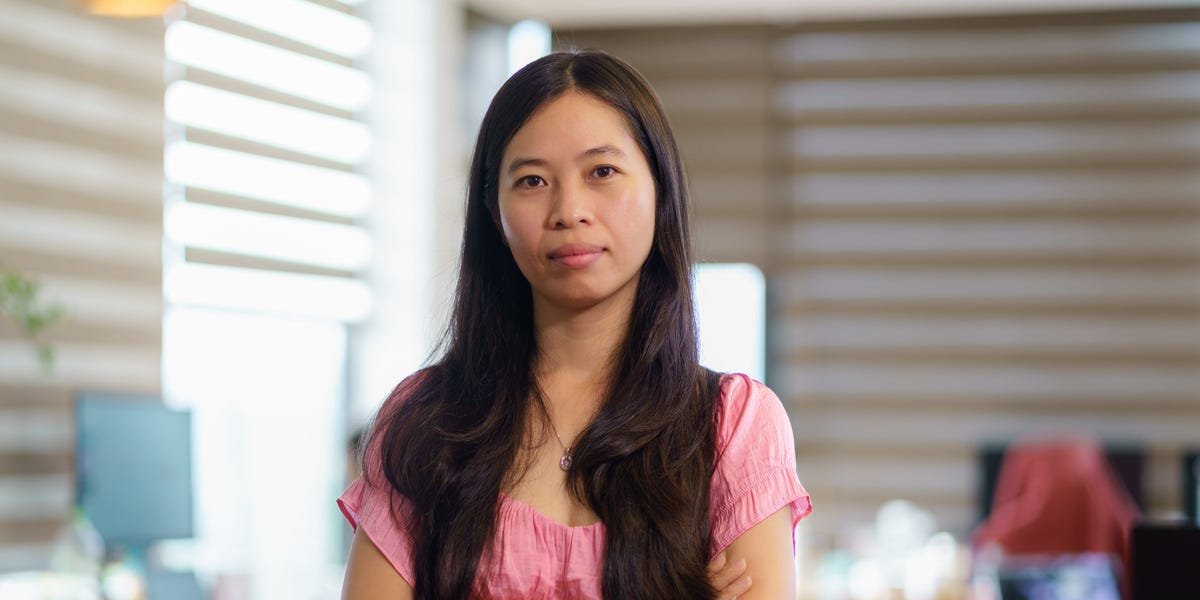
This as-told-to essay is based on an interview with Nguyen Thị Thanh Thơ, aka Hana Nguyen, 36, founder of Hana’s Coworking in Da Nang, Vietnam. It has been edited for length and clarity

I never planned to work with digital nomads. In fact, three years ago, I didn’t even know what “coworking” meant.

I was born in the countryside of central Vietnam and, in my teens, moved to Da Nang with my family for college. I first studied business administration, and later trained to become a pharmacist.

After graduating in 2016, I found a job in a local pharmacy. It was the typical job for many Vietnamese graduates: stable but low-paying; not especially challenging but also very boring.

I couldn’t get excited about it, and I didn’t see a future for myself there.

In 2023, I met a foreigner on an online forum who wanted to go hiking in the Marble Mountains, a group of cave-like temple structures in southern Da Nang. I decided to join.

At that time, I was curious about foreigners, but my English was poor, and I didn’t really know how to connect with people from other countries.

That small encounter changed everything. A few days after visiting the mountains, my new foreign friend took me to a coworking space. I had never seen anything like it before — people from all over the world working on laptops, speaking in English, and sharing ideas.

Something clicked immediately.


Group of people playing pool in Da Nang, Vietnam.

She began organizing events for both locals and digital nomads.

Provided by Hana Nguyen


I felt drawn to the community

I didn’t have money or experience, but I had motivation. In early 2024, I spoke to a friend who owned a hotel with an unused floor.

I offered to manage a coworking space there. I told her that I could try working there for two months for free. If it worked out, we could talk about money. If it didn’t, we could both move on.

After a few months, the project really took off, and I got some good exposure from Vietnamese TV and visiting content creators.

I worked there full-time for more than a year, doing everything myself — managing the space, cleaning, talking to customers, and organizing events. I negotiated a salary of about $250 a month, which wasn’t much, but I loved it.

Eventually, I realized I was building something valuable and with potential — but I didn’t own it. I began feeling exhausted and knew it wasn’t sustainable. Around the same time, my dad fell ill with cancer. I knew I needed to make more money to help my family, so when another friend offered me a space inside his bar — unused during the day — I said yes.

That was the first coworking space where I felt some ownership.

I didn’t have to pay rent, which worked because I had very little money — I couldn’t even afford to hire staff. But still, I managed to build the community. I organized events, beach trips, yoga, dinners — anything that helped people connect.

Since I wasn’t paying rent, I knew this arrangement could only be temporary, so I worked up the courage to ask my parents if we could convert one of the floors in our three-story family home into a coworking space. I explained that I’d need to borrow money from family members and spend a few months renovating the house.


Hana  Nguyễn

Duc Nguyen for BI


Despite the risk, my parents agreed

It wasn’t easy. I was working nonstop and felt stressed, but the top floor, which can seat 18, filled up quickly, so I expanded the coworking space to other parts of the house. I can now fit 30 people and charge $76 a month.

I still manage everything myself. I don’t have employees. My father is a guard at the entrance, and my mother cleans the place, so it’s still very much a family business.

Many people ask me why there are so many digital nomads in Da Nang. I think it’s because the city is friendly, affordable, and super convenient. You have the beach, mountains, urban life, and an international airport close by.


On the beach in Da Nang, Vietnam.

Da Nang has a mix of beaches, mountains, urban life, and an international airport nearby.

Provided by Hana Nguyen


Da Nang is the kind of place where you can go for a walk along the beach in the morning, work during the day, swim in the sea in the afternoon, and eat great food in the evening — and it’s not expensive.

The biggest challenge I’ve seen among digital nomads is loneliness. Many people arrive alone, without friends, and everything feels unfamiliar — the culture, transportation, and daily life. That’s why community is so important. Everyone researches online before they come, but a real connection only happens in person. That’s exactly what I’m trying to foster with my coworking space.

At my events, around 20% of participants are Vietnamese. Many come to practice English, but they also learn about different ways of working and living. Some locals have even found freelance work with nomads in design, tech, and marketing. That makes me proud.

I’m still learning. I don’t have a big master plan. I just know I love connecting people, and I believe community can change lives — including mine.

Do you have a story to share about living abroad? Contact the editor at akarplus@businessinsider.com.


Source link

I-flew-to-Dubai-for-my-30th-birthday-Now-Im.jpeg

I flew to Dubai for my 30th birthday. Now I’m stranded 8,000 miles from home and terrified after the US strikes on Iran.

This as-told-to essay is based on a conversation with Shanice Day, a 30-year-old stylist based in Houston, who is stuck in Dubai after traveling there to celebrate her birthday with a friend. It’s been edited for length and clarity.

I came to Dubai with one of my best friends. We left Texas on February 23 and arrived in Dubai early on the 24th, the day of my 30th birthday.

The hotel staff gave me a cake, roses, and drinks. They even sang “Happy Birthday.” It was wonderful. Every time I told someone it was my birthday, they made me feel special.

February 28 was meant to be the last full day of my birthday trip to Dubai. That was when the Iranian strikes started. Since then, we’ve been trying to get back to the US, but we’ve hit so many roadblocks.

I planned my birthday trip to Dubai about 5 months ago

I had planned this trip for my best friend and me about five months ago. We usually travel everywhere together. We decided that this time, Dubai would be a good place to go for such a big birthday. I’d always wanted to visit the Middle East.

At the start of our trip, we did a lot of cultural things. We visited a mosque, the Miracle Garden, and the beaches. We really indulged ourselves and tried so many different kinds of food.

Dubai is a beautiful city. Everyone here is very kind, and in my first few days, I felt the safest I’d ever felt. I never expected anything like this would happen here.

The final day of my trip

On Saturday, the 28th, I was shopping at the Dubai Mall. My best friend stayed behind to go to the beach at our resort.

When I went into a store, I asked the clerk if I could come back before my flight. He told me I might not be able to, and I didn’t understand why. I checked my phone and immediately saw that the US and Israel had struck Iran. My best friend called me and told me that I needed to get back to the resort.

I was shaken up by the strike in Dubai

We’re staying at a five-star hotel in the Jumeirah Beach Residence area. It’s not too far from the Fairmont The Palm, which caught on fire during an Iranian air attack on Saturday night. I didn’t see the smoke, but I heard the sounds from the air-defense systems.

In the US, we don’t hear things like that. It really shook me up. A lot. It felt like an out-of-body experience.

Sunday in Dubai felt very eerie. On Monday, we went out just to get a bite to eat, but the energy still felt off. I think people are trying to make the best of the situation, but the mood has shifted.

We broke down in tears when our flights from Dubai were canceled

Our flight was meant to depart on March 1 at 5.30. The night before, we were notified that it had been canceled. We broke down in tears. We’re 8,000 miles away from our family and friends. We don’t know when this will be over. We didn’t know how we were going to get out.

We immediately started looking for any way out. When we realized we couldn’t find one, our hearts broke. We were devastated and scared. I’m very spiritual, so we both started to pray.

My friends and family back in Texas are concerned about us. I had to tell my immediate family that I don’t know when we’ll make it home.

I feel traumatized and am hesitant to travel overseas right now

I’m trying to see the positive now: We’re still in Dubai, and we’re still safe. Our hotel has taken precautions to make us feel at home, but it’s still very traumatic.

I’ve been traveling since I was 14. I love experiencing different cultures, but this has been overwhelming. I’d say that traveling overseas will not be at the top of my priority list after this.

I’ll probably get therapy after this experience. I know it’s going to take me a while to build up the courage to travel again.

All I want is to get home to my dog, my cat, my mom, and my friends, and honestly, I even miss my job as a personal stylist.

I love Dubai, but I want to be home and at ease

My friend, who is watching my cat and dog while we’re away, FaceTimed me with my pets. I got to see my babies. I just want to see them again. I just want to feel normal again.

I’m not at ease, and I don’t think I will be until I cuddle up with my animals again.

But despite all this, I still love Dubai.

Do you have a story to share about leaving or trying to leave the United Arab Emirates? Contact this reporter at jzitser@businessinsider.com.


Source link

Tim Paradis

I led communications at FEMA during a hurricane — and had to flee my home after a death threat

This as-told-to essay is based on a conversation with Jaclyn Rothenberg, senior vice president for reputation management at Avoq, a communications and lobbying firm. From July 2021 to late 2024, she was a spokesperson and director of public affairs at the Federal Emergency Management Agency. The following has been edited for brevity and clarity.

It was the fall of 2024. I was the director of public affairs at FEMA during Hurricanes Helene and Milton, which was a huge moment in the world of misinformation because there was so much of it, so fast. And it was in the middle of the election cycle.

My job was to communicate on behalf of the administration. The primary goal was to make sure that people were connected to services and support so they could get back on their feet.

In the middle of the response, as we were communicating safety and recovery information, other public officials and I were targeted. A mix of people were insinuating that we weren’t doing our job. They were also spreading misinformation.

As I reflect, what was really surprising to me at the time was getting attacked for my religion. I’m Jewish. There were a lot of people online who could say anything and everything without knowing me — very hurtful things.

‘How can you keep doing this?’

I remember my husband saying how upset he was. I think I had mentally tried to block out as much as I could because I felt empowered by continuing to do my job and communicating life-saving information.

I remember him saying, “How can you keep doing this?” The reality is, I was hired to do a job. In Judaism, they really do teach you to do what’s best for people. It’s a phrase called tikkun olam.

I continued to work through it as much as I could. The social media posts made fun of my appearance, my last name. There were very terrible things said and photos that were shared, and very antisemitic rhetoric.

It forced the agency to put security protection on me, because someone threatened to kill me. That was surreal because I was hired to be a communications lead for the agency. I was technically a political appointee, as a Biden administration official. Still, it felt like one of the first times when people weren’t just going after politicians, but also federal employees for doing what they were hired to do.

A contractor had been working with us to help identify misinformation. I believe they alerted the senior-most folks at my agency, who then brought the threat to my attention. Everyone was working almost 24-hour days. A colleague said, “We need to speak with you urgently.” They told me that there was a real, serious threat.

Staying vigilant

The catalyst was a public statement I had put out, pushing back against misinformation. I left my home because the people who were targeting me online found my address, my husband, and my parents. They looked into my work history. I called my husband and said, “We need to call our friends. We need to sleep there. Let’s get the dogs and go.”

Members of senior leadership personally reached out to ensure that I felt safe.

It wasn’t just my parents and my husband. They identified my extended relatives and posted those on social media. The agency worked hard to help me scrub some of that, and I’m thankful for it, but it’s something that a lot of companies should be thinking about. It’s important for people to stay vigilant.

It’s not just the CEO they’re going after

In hindsight, the incident was probably more traumatizing than it felt in the moment, because I think I was in shock. Also, I was still doing my job. I was committed to communicating in these critical moments for survivors, and I don’t think it fully hit me — the magnitude of that incident — until months later. The fact that I had to be silenced for my own protection and couldn’t help other people was hard for me.

I had to tone down public communication from the spokesperson account. I had to stop doing media interviews about the topics that I was trying to get out there. We saw a decrease in registration for assistance. There was real impact.

As a result, one of the things I’ve counseled clients on, both at the C-suite level and below, is that it’s not just the CEO they’re going after. They’ll go after the head of HR, the head of communications.

This is the new normal, unfortunately. It’s important for companies to do exercises on how to respond and how they can protect their senior executives and employees at the same time.

Companies have to think about what protection looks like from a privacy standpoint on social media. I don’t think people really realize the online footprint that they have.

Do you have a story to share about a challenging experience in your career? Contact this reporter at tparadis@businessinsider.com.


Source link

Joshua Zitser's face on a grey background

We’re a couple in our 30s who dreamed of building a tiny home. My parents had concerns, so we made a pitch deck to convince them.

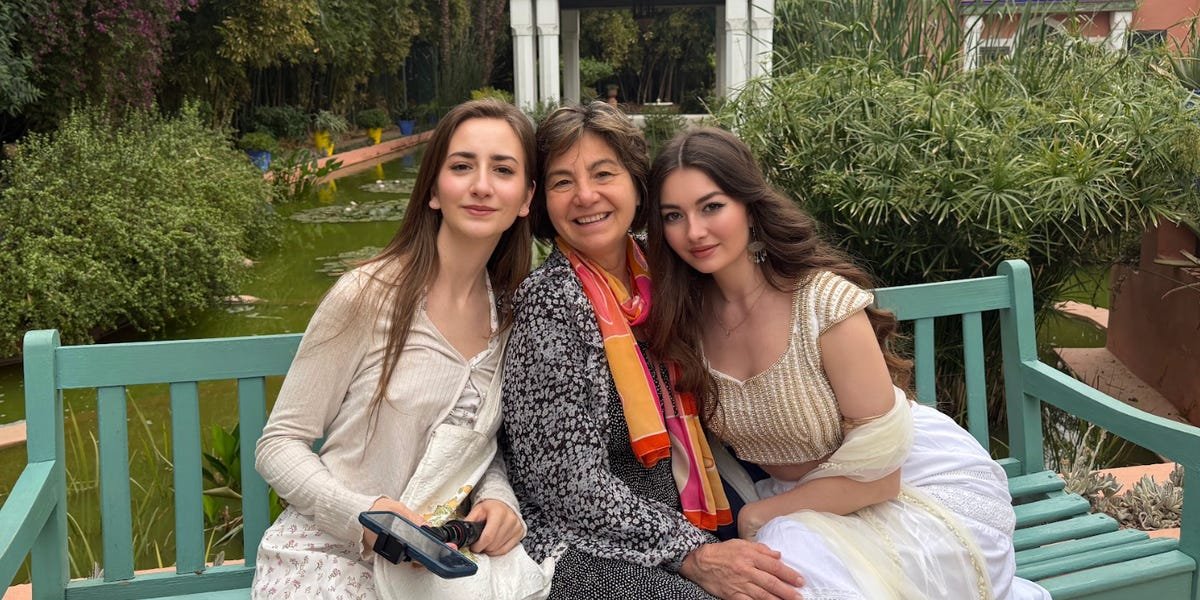
This as-told-to essay is based on a conversation with Anne Leijdekkers, 32, a Dutch arts entrepreneur, and Simone Solazzo, 31, an Italian who used to work in tech. Last year, the couple moved into the house they built in the tiny-home village of Minitopia in Valkenswaard, the Netherlands. This piece has been edited for length and clarity.

Anne: At first, my parents were sceptical about our plan to build our own tiny home.

Friends will always stand behind you, but family members can be more critical. It was important for us to have them on board.

Simone used to work in the corporate world and loves PowerPoint presentations, so on Christmas Day in 2024, we used one to pitch our dream to my family.

We wanted to be financially autonomous

Simone: I liked the idea of being able to explain to them why we wanted to do this and what we were planning. The first slide said, in Dutch, “We are building our home. We’d like your support.”

In the presentation, we told them about the plan, the timeline, and where we would be living. We included our budget, which ranged from 40,000 to 80,000 euros ($47,000 to $94,000).

Mostly, the slides outlined our motivations. The first reason was to be financially autonomous.

If we were to buy a big house, we’d be committing to a big mortgage. Instead, we used our savings to pay for the construction of the tiny home, and its transportation to the Minitopia site in Valkenswaard. In total, the project cost us 75,000 euros.

We don’t have a mortgage, and our monthly costs are relatively low. We spend about 500 euros a month on ground rent, utilities, and insurance. I imagine the monthly costs of running a larger property would be considerably higher.

Living in a tiny house is like being a snail

Simone: When you have a smaller space, you have to limit your possessions to what you actually need.

Anne: It was important for us to find out whether we were capable of doing that. We wanted to show that there’s a different way to live. You don’t need an attic at the end of your life filled with so many things.

It wasn’t about being minimalist as much as decluttering. It’s almost like being a snail. We keep things compact and can move our home whenever we want.

That’s how we arrived here: putting our tiny house on a truck and moving it.

Simone: We also like that the house can evolve with us. This means it can be our forever home. For example, if we decide one day to have kids, we could easily build a second module on top.


Simone Solazzo shows photos of construction and presentation

In the presentation, the couple shared their motivations for building a tiny home, which included financial autonomy.

Joshua Nelken-Zitser


Living in a tiny home encourages you to spend time outdoors

Simone: We both felt that knowing how to build and dismantle things was an important skill to learn. We like to challenge ourselves, and building our own home felt like the ultimate challenge. It turned out to be a real learning experience.

We’ve become handier. Sometimes, when it’s raining heavily, I wake up in the middle of the night worried about a leak. But now, if something goes wrong, I know how to deal with it.

Another bonus of living in a tiny house is that it encourages you to spend more time outdoors. When you have a big house, you can do most things inside. When your home is tiny, you need to get outside and move around in nature. We haven’t lived here in the spring or summer yet, so we’re looking forward to seeing what that is like.

My parents had concerns, but they stood behind us

Anne: The final slide said, “Let’s think about it and make it together — as a family.”

Before the presentation, my parents had concerns: was it a sensible investment? What if we wanted to have children? Were we actually capable of building it ourselves? My brother even suggested we buy a pre-made tiny house on Amazon.

After the presentation, they still had concerns about the financial rationale, but they understood our dream and 100% stood behind us. That was an amazing feeling.

We spent two months planning, budgeting, and designing, and then we started building. We began the process exactly a year ago, and it took about five months. Now that it’s finished, they’re very proud of us.

Simone: Anne’s father, who is in his 70s, even helped us build it. It gave her a beautiful opportunity to spend time with him and to build new memories.

Anne: It turned out to be a really warm period in our lives.


Source link

I-moved-from-Southern-California-to-Michigan-so-I-could.jpeg

I moved from Southern California to Michigan so I could afford to buy a home. Living here changed me in surprising ways.

Born and raised in Orange County, I never considered leaving California until I got married.

We wanted to buy a house and start a family, but generally, the ones we could afford were fixer-uppers in neighborhoods we didn’t love.

So, we began looking at other states where we had family. My husband, who moved from Michigan to Los Angeles in middle school, swore he would never go back — and I couldn’t identify Michigan on a map or tell you one fact about it.

We didn’t want to be beholden to a big mortgage, though, and in Michigan, we could purchase an affordable home in a town known for having some of the state’s top public schools. Even better, we’d be welcomed by my husband’s big Italian family, who lived nearby.

When we told our friends we were moving to Michigan, they were shocked. All any Californian knew about Michigan was that it was cold and snowy — why would anyone choose that?

Now, 20 years later, I can confidently say it was a great decision.

When I first moved to Michigan, I experienced some culture shock


Fresh produce at a farmers market in Michigan.

At first, I had to adjust to the feeling of making small talk at markets and shops.

Kristi Valentini


In Orange County, I was the kind of person who would bury my nose in a magazine to avoid chatting with a hairdresser. I rushed through the checkout line and never said, “How are you doing?” to someone I didn’t know.

If small talk was ever forced upon me, I gave away as little about myself as possible. I never understood the point in discussing my life — or even something as simple as the weather — with someone I didn’t know.

In Michigan, though, small talk is unavoidable. I quickly learned that there’s no getting around friendly cashiers and shop owners. I was begrudgingly polite, but it initially took some effort to hide my impatience.

Chatting with neighbors feels much more commonplace here, too, especially because my subdivision doesn’t allow fences.

I was shocked to go from Orange County’s 6-foot cinder-block backyard walls to wide-open lawns and zero privacy, practically forcing me to interact with my new neighbors any time I gardened or enjoyed a glass of wine on the patio.

Over time, I noticed that having friendly neighbors and being a part of a community made me feel safer and more relaxed


A green backyard in Michigan with several trees.

My new neighborhood has less privacy than my old home did, but I’m glad I’ve gotten to know my neighbors.

Kristi Valentini


The kindness of Michiganders started to change me.

In my first year of living in Michigan, our mailbox got hit by a car while my husband and I were at the gym. Our neighbors had cleaned up the mess and gotten the driver’s info for us by the time we got home.

I was so surprised they would do that for us; it struck me as something that probably wouldn’t have happened back in California.

Then, when we had a baby three years into living here, another neighbor further down the street — one I hadn’t even met yet — brought us dinner just because she saw a baby announcement sign in our yard. I was touched that a stranger would go out of their way to do that for us.

When we started taking our kids trick-or-treating for Halloween, I discovered that Midwesterners do that differently, too. They didn’t just spoil the kids. They set up tables of spiked hot chocolate and Jell-O shots for the adults and invited people to warm up by their driveway bonfires. It became a community event.

Eventually, I found myself initiating connections with neighbors, too — and even starting up some small talk. It began with other dog-walkers in my neighborhood as our pups sniffed each other, and at the grocery store as a pleasant way to pass the time while being rung up.

Living in Michigan has changed what I value in a hometown


The writer posing with her two children in costumes on Halloween.

Living in Michigan has made me appreciate community in a new way.

Kristi Valentini


When I visited California to see friends and family a few years after living in Michigan, I could tell how much I’d changed already. It seemed rude to me when people didn’t say hi when passing me on a sidewalk, or when cashiers didn’t make chit-chat.

Because now, I’m the kind of person who makes caramel apples for my neighbors. I chat with fellow shoppers about candle scents in Crate and Barrel and know about my hairdresser’s children and chickens.

I even decorate my front porch — something I’ve noticed that nearly everyone in my neighborhood does. Seasonal wreaths and flowerpots, chairs with pillows and throw blankets, encourage people passing by to come on up and say hi.

I do sometimes miss California’s backyard privacy, and I’ll never stop using SoCal slang like “cool” and “dude.” Still, I’m glad I moved to a place that helped me become a friendlier person and taught me the value of community. I couldn’t imagine raising my children anywhere else.


Source link

I-used-to-think-living-at-home-as-an-adult.jpeg

I used to think living at home as an adult meant going backward. Losing my dad made me realize I was wrong.

Growing up, when I imagined my 20s, I pictured living in a huge city apartment on my own, with a partner or a quirky group of roommates. I’d decorate my home with chic art pieces, paint the walls a dusty rose, and host dinner parties for my friends.

I was desperate to begin my life. I thought adulthood started when you moved out; anything else felt like going backward.

Then, my dad died, and my entire reality shifted.

Living with family as an adult is often framed as a “failure to launch,” but navigating grief at home with my mom and younger sister helped me rethink growth.

Living at home in my 20s wasn’t easy at first


The writer posing while skiing with her dad and sister.

Initially, I was eager to move out of my parents’ house and live with my boyfriend.

Maya Kokerov


After I finished college at 22, I moved in with my parents while I figured out what my long-term plan would be.

I hoped this would be a very brief stint. Impatient to be more “independent” and worried I was falling behind my peers, I vowed to rent an apartment with my boyfriend as soon as we could afford one.

Before I had a chance to move out, though, the COVID-19 pandemic pushed us into a lockdown. I settled back into living with my family until further notice. There were practical benefits, such as saving money, but I still felt restless.

In ways, I reverted back to a teenager: whispering on FaceTime, sending messages on Snapchat, even sneaking out of my window to meet up with my partner after everyone had gone to sleep. At 22, I felt emotionally crowded and missed the freedom I’d experienced at college.

More than a loss of privacy, though, I was ashamed that I was still “waiting” to reach what I saw as the first big marker of adulthood.

After my dad died, living together became a lifeline


The writer posing on vacation with her parents and sister.

Losing my dad shifted my priorities.

Maya Kokerov


Four years after I moved back home, my dad suddenly passed away.

We couldn’t properly say goodbye. Instead, we sat in fear for months. His chair was empty, leaving a hole in our home.

As guilty as I felt for not always appreciating the years I’d spent with him, I realized how lucky I was to have gotten to spend his last few years at home with him.

Many fathers who get to grow old may never spend as much time with their children as I did with mine, precisely because I stayed home.

My dad had moved out of his house at a young age and lived in four countries. In one of our last one-on-one conversations, shortly before he was admitted into the hospital, he told me how everyone keeps moving to find their place, but everywhere is virtually the same. The main difference is the people that you’re leaving behind.

Looking back, those extra years at home were convenient, yes, but they were also the happiest I’ve ever been. Now, having my mom and sister by my side gives us space to grieve together and mutually support each other.

Memories and rituals reshaped how I define adulthood

As a very tight-knit family, we built our life around traditions, from holidays and vacations to sports and movie nights.

My dad’s favorite activity was spending time with us. He taught us skills like skiing, languages, and playing tennis.

Healing came from returning to the traditions he loved. Although it was challenging at first, we forced ourselves to engage with his hobbies and rituals, reliving our memories together. We cooked his favorite food, sang songs he loved, and played lots of tennis.

With time, the sadness became more tolerable as we created new rituals while preserving treasured old ones.

This wasn’t the “20-something” life I had envisioned, but this version of home became a symbol of my growth precisely because of how much I loved my past. I realized that living at home at 27 isn’t a lack of maturity or a so-called “failure to launch.”

If anything, grief sharpened my sense of responsibility. Adulthood can be communal, and I feel lucky to have familial support. Grief has made living with my family more meaningful, grounding, and empowering than ever.


Source link

My-husband-and-I-work-from-home-and-try-to.jpeg

My husband and I work from home and try to follow a nutritious diet. Here are 10 of our favorite groceries to buy at Aldi.

  • As empty nesters who work from home, my husband and I love shopping at Aldi.
  • The Elevation energy bars and Summit Popz prebiotic sodas are good substitutes for pricier brands.
  • I love snacking on the Simply Nature coconut clusters and Southern Grove trail mix.

As empty nesters who both work from home, my husband and I try our best to choose nutritious food options while keeping our grocery costs low.

Luckily, shopping at Aldi helps us achieve both of these goals. Here are some of our favorite products to buy.

My husband enjoys the peanut butter Elevation energy bars.

Elevation energy bars are a great afternoon pick-me-up.

Amy Barnes

My husband recently stopped buying Clif Bars and replaced them with the more budget-friendly Elevation energy bars from Aldi.

These come out to just about $1 per bar, and he says the taste and texture are great.

He likes to enjoy them as a snack or an afternoon pick-me-up.

I love snacking on the Simply Nature coconut clusters.


Bags of Simply Nature coconut clusters on display at Aldi.

The Simply Nature coconut clusters are made with pumpkin, sunflower, and hemp seeds.

Amy Barnes

The Simply Nature coconut clusters satisfy my sweet tooth, with only 160 calories per serving.

These crunchy clusters are made with a mix of pumpkin, sunflower, and hemp seeds.

Southern Grove trail mix is great for when I’m hiking.


Boxes of Southern Grove trail mix on display at Aldi.

This Southern Grove trail mix is made with cranberries, sunflower kernels, almonds, edamame, chocolate, and peanuts.

Amy Barnes

Whenever I head to Aldi, I like to grab snack-size portions of trail mix. I especially love the Southern Grove version because it doesn’t include raisins.

Packed with cranberries, sunflower kernels, almonds, edamame, chocolate, and peanuts, this mix is easy to snack on at home or when we’re hiking with our dog.

I prefer Aldi’s egg bites to the Starbucks version.


Boxes of Whole & Simple omelet breakfast bites on display at Aldi.

The Whole & Simple egg bites are easy to heat up in the morning.

Amy Barnes

I’m always hunting for delicious protein options to start my day, and I often find myself craving the egg bites from Starbucks. However, my wallet doesn’t love them as much as I do.

So, I’ve switched to Aldi’s Whole & Simple version, made with bell peppers, uncured ham, and cheddar. I think they taste similar to the Starbucks version and they’re easy to heat up at home.

We love the Happy Farms spreadable cheese wedges.


Containers of Happy Farms spreadable cheeses on display at Aldi.

There are lots of different varieties of Happy Farms spreadable cheese.

Amy Barnes

Since we both work from home, my husband and I are always looking for quick lunch options. We like the Happy Farms spreadable cheese wedges, which cost less than $3 each, and taste great on their own or in wraps.

Simply Nature popcorn is great for movie night.


Bags of Simply Nature popcorn on display at Aldi.

Each cup of Simply Nature sea-salt popcorn contains 35 calories.

Amy Barnes

At only 35 calories per cup, I like to have Simply Nature popcorn with my lunch or as a movie-watching snack when the kids come back home. It’s also a good source of fiber and is gluten-free.

Aldi’s steamed vegetable medleys make dinner easy.


Bags of steamed vegetables on display at Aldi.

I love the Season’s Choice Asian-seasoned vegetable medley.

Amy Barnes

Whenever I take a trip to Aldi, I look for the Season’s Choice steamed vegetable medleys. These bags of brightly-colored veggies are reasonably priced and easy to make.

I like to season my veggies with Burman’s stir-fry sauces.


Bottles of Burman's sweet and sour stir-fry sauce on display at Aldi.

Burman’s stir-fry sauces are a great way to add flavor to steamed vegetables.

Amy Barnes

Instead of ordering take-out, I like to season my steamed vegetables with Burman’s orange or sweet and sour sauces. I just add some chicken to create an easy stir-fry meal.

Aldi sells a great substitute for brand-name probiotic sodas.


Cans of Summit Popz prebiotic soda on display at Aldi.

I love the Summit Popz prebiotic sodas.

Amy Barnes

Staying hydrated while working from home is a necessity, and I love sipping on the Summit Popz prebiotic sodas. I think they’re a great alternative to the more expensive Poppi sodas.

Click to keep reading Aldi diaries like this one.


Source link

Take-a-look-inside-the-Air-Force-One-plane-that.jpeg

Take a look inside the Air Force One plane that carried 8 presidents and brought home JFK’s body from Dallas

Updated

  • SAM 26000 operated as Air Force One from 1962 to 1998, carrying eight US presidents.
  • Lyndon Johnson was sworn in on board, and the plane transported John F. Kennedy’s body from Texas.
  • SAM 26000 is housed at the National Museum of the US Air Force, where visitors can walk through it.

“If history itself had wings, it would probably be this aircraft,” Vice President Al Gore said of the SAM 26000 Air Force One plane upon its retirement in 1998.

The first Air Force jet designed and built specifically for US presidents, SAM 26000 (pronounced two six thousand) carried eight presidents between 1962 and 1998 — every leader from John F. Kennedy to Bill Clinton.

After 13,000 flying hours over 36 years of service, the plane was retired to the National Museum of the US Air Force in Dayton, Ohio, where it remains on display.

I visited the museum in August and walked through the historic aircraft. Take a look inside.

The SAM 26000 Air Force One jet, a Boeing VC-137C, was completed in 1962 for President John F. Kennedy.

SAM 26000 at the National Museum of the US Air Force.

US Air Force photo by Ken LaRock

The Boeing VC-137C was a customized and modified version of a civilian 707-320B airliner. It was powered by four Pratt & Whitney TF33 engines, each with 18,000 pounds of thrust.

First lady Jacqueline Kennedy chose the plane’s blue and white paint colors in coordination with industrial designer Raymond Loewy.


A blue and white plane on display in a museum, with

Eight US presidents flew on this Air Force One plane known as SAM 26000.

US Air Force photo by Jim Copes

The first lady also added the words “United States of America” to the aircraft to signal its importance as the president’s plane.

In a tragic period of American history, SAM 26000 transported President John F. Kennedy’s body home after his assassination in 1963.


Air Force One arrives with President John F. Kennedy's coffin.

President John F. Kennedy’s coffin was transported on Air Force One after his assassination.

Schulman-Sachs/picture alliance via Getty Images

President Lyndon Johnson was sworn in as president aboard the plane hours after Kennedy was pronounced dead.

Now an interactive museum artifact, visitors can board the plane the same way US presidents did via a staircase leading into the cabin.


Air Force One at the National Museum of the US Air Force.

Air Force One.

Talia Lakritz/Business Insider

Admission to the National Museum of the US Air Force is free.

SAM 26000 is located in the museum’s William E. Boeing Presidential Gallery, which includes other presidential planes such as the Douglas VC-54C, the first presidential aircraft, which was known as the “Sacred Cow.”

The first stop on my self-guided tour was the cockpit, which featured a four-person crew.


The flight deck of SAM 26000.

The cockpit.

Talia Lakritz/Business Insider

The crew consisted of a pilot, copilot, navigator, and flight engineer. The navigator and flight engineer roles were eventually replaced by GPS and computerized technology on later Air Force One planes.

Two phones were located behind the flight deck.


Two phones aboard Air Force One, SAM 26000.

Two phones aboard Air Force One.

Talia Lakritz/Business Insider

A plaque above the phones read, “This telephone is subject to monitoring at all times. Use of this telephone constitutes consent to monitoring.”

An equipment storage space featured a first aid kit and firearms.


A first aid kit and weapons on Air Force One SAM 26000.

A first aid kit and weapons on Air Force One.

Talia Lakritz/Business Insider

The closet also had a rack to hang suits and coats.

Next, I walked by the plane’s communication facility.


The communication facility on board SAM 26000.

The communication facility.

Talia Lakritz/Business Insider

The secure communication center allowed presidents to place calls anywhere in the world while in flight.

Meals were prepared in the galley.


The galley on board SAM 26000.

The galley.

Talia Lakritz/Business Insider

The galley included a stovetop, oven, and sink.

This seating area was used by presidential staff, members of the press, and Secret Service agents.


A seating area aboard SAM 26000.

A seating area aboard SAM 26000.

Talia Lakritz/Business Insider

The aircraft could hold up to 40 passengers.

The seating area, like many areas of the plane, is now protected by plastic barricades.

I noticed fox decals above the seats, which a museum volunteer told me was a nod to the 89th Airlift Wing, which operates Air Force One.


A fox decal on Air Force One SAM 26000.

A fox decal on Air Force One.

Talia Lakritz/Business Insider

Stationed at Joint Base Andrews in Maryland, the 89th Airlift Wing is tasked with flying the president and high-ranking government officials. The group is also referred to as “SAM FOX,” which stands for “Special Air Missions Foreign.”

The presidential stateroom was located down a long hallway.


A hallway on Air Force One.

A hallway on Air Force One.

Talia Lakritz/Business Insider

The benches in the hallway were hollow to offer additional storage.

The president’s spacious quarters featured a desk, couch, television, and private bathroom.


The president's stateroom aboard SAM 26000.

The president’s stateroom.

Talia Lakritz/Business Insider

In 1969, Nixon redesigned Air Force One and moved the presidential quarters over the wings, which was the quietest and smoothest part of the plane during flight.

The stateroom came with two phones, each with different purposes.


Two phones in the president's stateroom on Air Force One SAM 26000.

Two phones in the president’s stateroom.

Talia Lakritz/Business Insider

Presidents used the white phone to communicate with crew members and other passengers on the plane, while the beige phone could be used to call anywhere in the world.

Behind the presidential stateroom, a conference room provided more meeting space.


A conference room on SAM 26000.

A conference room.

Talia Lakritz/Business Insider

The room was furnished with throne chairs, a folding table, and another TV.

Additional conference areas provided more seating for staff, Secret Service members, and VIPs.


Seating aboard SAM 26000.

A conference room aboard SAM 26000.

Talia Lakritz/Business Insider

Presidents Nixon, Ford, and Carter sat here while flying to attend Egyptian President Anwar El-Sadat’s funeral in 1981.

An office area across the aisle featured an electric typewriter, scanner, and more phones.


A conference room with a map of the United States aboard SAM 26000.

A conference room.

Talia Lakritz/Business Insider

Presidents used the electric typewriter to write and edit speeches while on board the plane.

The wall of the office space was decorated with a map of the United States.

President Lyndon Johnson was sworn in as president in this area of Air Force One’s cabin after Kennedy’s assassination in 1963.


Lyndon Johnson takes the oath of office aboard Air Force One after the assassination of John F. Kennedy.

President Lyndon Johnson was sworn in on board Air Force One after President John F. Kennedy’s assassination.

Universal History Archive/Getty Images

Kennedy was assassinated on November 22, 1963, while visiting Dallas. He was pronounced dead at Parkland Memorial Hospital at 1 p.m., and Johnson took the oath of office at 2:38 p.m.

Jacqueline Kennedy’s pink suit was still smeared with blood when Federal Judge Sarah T. Hughes administered the oath of office on Air Force One. Johnson’s wife, Lady Bird Johnson, stood to his right.

Standing in the very spot where Johnson was sworn in after Kennedy’s assassination was awe-inspiring.


A hallway on SAM 26000.

A hallway between conference rooms on SAM 26000.

Talia Lakritz/Business Insider

Even blocked off by plastic barricades, the plane’s cabin preserves a pivotal moment in US history.

These four seats toward the back of the plane were removed to make room for Kennedy’s coffin on the flight from Dallas back to Washington, DC, in 1963.


Seats on Air Force One.

Seats on Air Force One.

Talia Lakritz/Business Insider

The Secret Service had to break the handles off the casket to make it fit through the plane door.

Air Force security personnel operated out of this area at the back of the aircraft to secure the plane while it was on the ground.


Seats for security personnel aboard SAM 26000.

Seats for security personnel.

Talia Lakritz/Business Insider

The seating area featured six seats, a phone, and a folding table.

My tour ended at the back of the plane with a view of its call sign on the tail and an American flag.


The tail of SAM 26000.

The tail of SAM 26000.

Talia Lakritz/Business Insider

According to US Flag Code, an American flag decal must always be positioned so that the stars face forward.

Air Force One remains an instantly recognizable symbol of US might, making my walkthrough tour a memorable experience.


The presidential seal on Air Force One.

The presidential seal on Air Force One.

Talia Lakritz/Business Insider

Like many modes of presidential transportation, such as the bulletproof limousine known as “The Beast” and the Marine One helicopter, Air Force One is about more than simply getting the president from point A to point B. It symbolizes the power of the United States and its elected leader wherever it goes.

The image projected by presidential planes remains of great interest to President Donald Trump, who opted to accept a luxurious Boeing 747-8 jet from the Qatari royal family instead of waiting for Boeing to deliver its long-delayed new Air Force One jets.


Source link