
We-went-from-being-a-2-car-household-to-just-sharing.jpeg

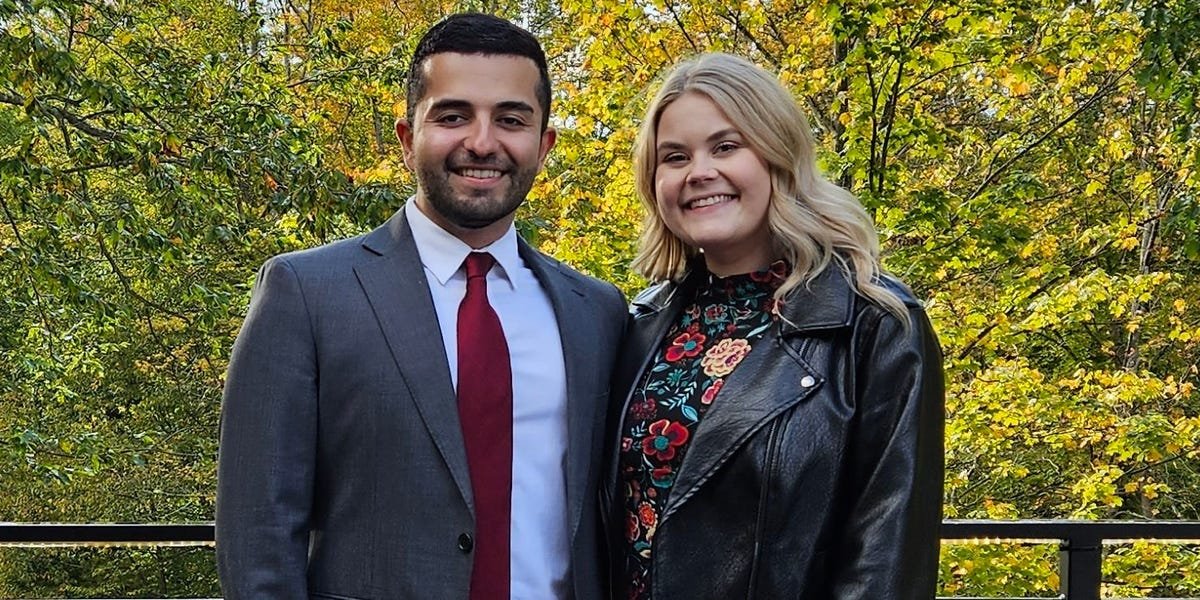
We went from being a 2-car household to just sharing one. So far, the benefits have outweighed the inconvenience.

One week into 2026, I totaled the first car I ever owned: my beloved 14-year-old Nissan Altima.

The logical next step would’ve been to start car shopping, but between planning a wedding, saving up for a house, and navigating a career shift, 2026 was already shaping up to be expensive. Taking on a new car payment felt like working in direct opposition of my money-saving goals.

So, my fiancé and I decided to share his car. Two months into our new arrangement, I can say it’s been challenging but more worthwhile than I expected.

I worried that sharing a car would mean sacrificing independence


Abby Lane partner (left) and Abby Lane at NFL game

Now that we share a car, we have to communicate about our plans more than we used to. 

Abby Lane


I live in an area that isn’t particularly walkable, and public transportation isn’t a reliable option. So before I got into the accident, my fiancé and I were fortunate enough to operate as a two-car household.

Having our own cars gave us freedom, spontaneity, and independence — three things I value in a relationship.

When we decided to share a car, I worried I’d feel stuck at home if my partner had plans without me (and vice versa). What if we needed the car at the same time? Would having to coordinate every errand create tension? Would one of us quietly start to resent the other?

In the immediate aftermath of the accident, I was still commuting an hour round-trip for work. My fiancé works remotely, so the car defaulted to me most of the week.

Now, we both work from home, so things are less straightforward. No one has a claim over the car during business hours. Although that ambiguity can be frustrating, it’s helped us be more mindful of each other’s time and priorities and highlighted the ways we put one another first.

The financial gains are worth the trade-offs

The biggest benefit of sharing a car is the money we’re saving. By not replacing my car, I avoided another monthly payment. Even leasing or financing a used vehicle could’ve easily led to me spending a few hundred dollars a month. I’m also sidestepping maintenance, registration fees, and inevitable repairs.

We do occasionally spend money on rideshares, but those expenses are minimal compared to what it would cost to own and maintain a second car.

Every month without an additional car payment is money we can put toward our wedding and down payment funds. It’s given us a bit of breathing room.

That’s not to say it hasn’t been challenging. Sharing one car means we have to coordinate almost everything, from grocery runs to social plans. It requires more check-ins than we’re used to, but using a joint calendar and discussing plans further in advance has helped.

Sharing a car has taught us to work together in new ways


Abby Lane and her partner in their car - selfie

Two months into the arrangement, we’re not in a rush to get another car. 

Abby Lane


The last thing I expected was for my accident — and our subsequent decision to share a car — to strengthen my relationship.

It’s forced us to be intentional as we plan together, communicate openly, and navigate the occasional bump in the road. We’re working as a team instead of living in our own little bubbles.

My fiancé has been incredibly generous and flexible throughout this transition. Watching him share without hesitation, and adjusting my own expectations in return, has made me pause and recognize how we show up for each other.

I don’t expect we’ll share a car forever, but I’m not in a rush to get my own. When I do start shopping, I want to choose one I’ll keep for years, not just a quick replacement for the one I lost.

However, I don’t anticipate making that purchase until after we’ve had our wedding and bought a home.

For now, we’re happy to trade a little comfort for space to save, plan, and focus on our shared goals. I’ve realized that true freedom and independence don’t come from a single item, like a car, but from what we’re building together in the long term.




Source link

Bull

Median household wealth for Black Americans is projected to hit $0 by 2053. My estate plan is designed to protect me from that.

  • I’m working hard to build wealth, and I want to make sure it lasts forever.
  • My estate plan is designed to maintain my assets and ensure I don’t leave any surprise debt behind.
  • This article is part of “My Financial Life,” a series helping people live and spend better.

Estate planning is a fancy way of saying you’re planning for the future — a time when you’ll be unable to manage your health and wealth.

Many people focus on financial planning, but not as many think about the broader picture. However, the process doesn’t need to be complicated — it’s a matter of creating legal documents appointing people to speak and act for you.

I’m an estate-planning attorney, and I’ve seen how important this process is and where some people’s plans fall short.

I want to continue helping others after I’m physically unable to do so. A 2017 study by the Institute for Policy Studies looking at long-term projections for the racial wealth gap found that median Black household wealth could reach zero by 2053. That means my long-term goals need to factor into my estate plan to secure generational wealth.

I want to thrive today and help my future beneficiaries avoid conflicts, excessive taxes, financial burdens, and disputes that could cost time and money.

My financial plan and my estate are intertwined

I considered several questions about my estate when deciding on my financial goals:

  1. When I reflect on the wealth I have — and the wealth I’m building — what do I want done with it when I die?
  2. Who is or will be capable of managing my assets?
  3. What will happen to my digital legacy — my online accounts, digital files, pictures, and investments?
  4. What tax consequences will my choices have now and in the future?
  5. How will I keep my estate plan and financial plan updated as my life changes?

My estate plan consists of a financial power of attorney, an advance directive, a guardian nomination, a will, and a trust. As an estate-planning attorney, I frequently encounter families who created a trust but didn’t understand how it works and don’t have a plan for its upkeep.

My estate plan is designed to support all the assets I leave behind and ensure the financial moves I’m making now stay on track. For example, if I buy a house, I have to make sure there’s a plan so my trust (and the trustees I leave in charge) can continue paying for the house. I’m accounting for a mortgage, maintenance and remodeling costs, and property taxes. In one case I saw property taxes go from $3,000 to $11,000 a year following a property transfer.

I want to minimize the debt my trust will have to pay off

If your estate plan is set up correctly, some debts cannot be collected after death. I’ve chosen to save, invest, and pay down debts to minimize the bills my estate and trust would be responsible for. Considering my estate plan early in life will help me figure out which debts I should pay off first.

When it comes to my plans, the most important part is educating the people around me about my moves and my wishes. It’s easy for your plan to fail when the people you leave in charge don’t know what to do or how to do it. Having financial conversations and being transparent is the best way to ensure my financial and estate plans remain on track.

My goal is to create a comprehensive financial road map that will address my current needs and future aspirations. I’ve thought about my financial stability at every stage of life. I’ve found it helps to think about your long-term goals and values first. Then you can ask yourself the big questions — the who, what, why, and how — and get the ball rolling.


Source link