Meet-the-ICE-contractor-pivoting-from-detention-facilities-to-man.jpeg

Meet the ICE contractor pivoting from detention facilities to ‘man camps’ for data center construction workers

A low-profile Texas company that provides temporary housing for immigrant detainees and oil riggers could get a boost from the data center boom.

Target Hospitality’s stock is up about 60% since March 31. The company announced on April 1 that it had signed a $550 million deal with a top hyperscaler to house thousands of construction workers building a data center campus in Texas.

The deal is a “landmark” for Target Hospitality, Stifel analyst Stephen Gengaro said Monday in a note to investors.

Target Hospitality has become one of the many non-technology companies hoping to cash in on the AI boom, which has fueled the company’s “largest commercial pipeline ever,” CEO James Brad Archer said last month in an earnings call with investors.

For its new data center client, which the company has not named but has said is a “top 5 hyperscaler,” Target Hospitality is building facilities for 4,000 workers adjacent to a data center construction site in North Texas. The site will feature “elevated hospitality service offerings,” according to a press release.

Target Hospitality specializes in setting up and running large-scale temporary living facilities, also known as “man camps.” Man camps are longtime fixtures of the oil and gas industry, which sends workers to remote locations for extended periods.

The camps are essentially tiny villages of prefab housing units built to be deployed and dismantled quickly. Man camps often feature on-site food, laundry facilities, and gyms for hundreds to thousands of workers at a time.

Amenities Target Hospitality has provided at other sites include swimming pools, on-site housekeeping, volleyball courts, and golf simulators.

Target refers to these camps as “communities.” The company has historically balanced this business with government contracts.

Most recently, Target Hospitality operated two Texas detention centers for US Immigration and Customs Enforcement, according to a company filing.

Target is not the first hospitality company to jump on the bandwagon. Last year, Wyndham said it was planning to open more of its budget hotel chains in areas with heavy data center construction, such as Mississippi and Ohio.

Now, Target is at an “inflection point,” Archer said.

“To be blunt, we’re focused on growing the WHS segment,” Archer said, referring to the company’s Workforce Hospitality Solutions division, or the man camp side of the business.

“We believe it offers the most value creation,” Archer said.

Target Hospitality did not respond to a request for comment from Business Insider.



Source link

A-recording-of-CEO-Marc-Benioffs-keynote-was-posted-on.jpeg

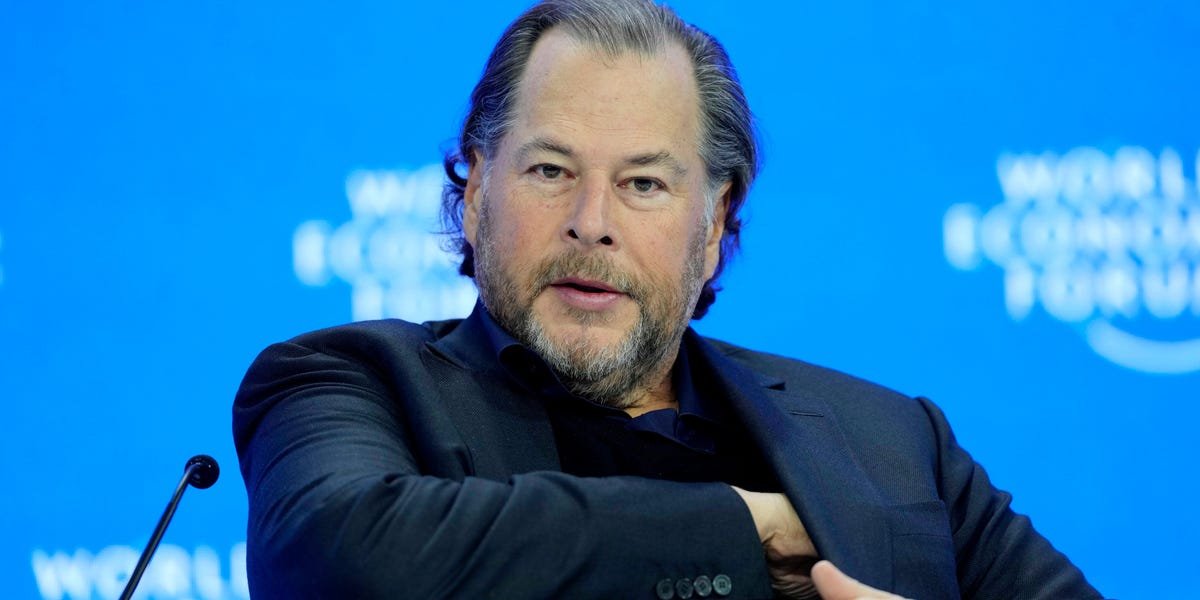
A recording of CEO Marc Benioff’s keynote was posted on Salesforce’s internal site. His jokes about ICE weren’t included.

  • Salesforce CEO Marc Benioff made jokes about ICE during a keynote at an employee event.
  • The company posted a recording of the keynote without Benioff’s ICE remarks.
  • The comments drew criticism from many employees, including executives.

A recording of Salesforce CEO Marc Benioff’s keynote this week was posted on the company’s internal site, and his jokes about Immigration and Customs Enforcement weren’t included, according to internal messages and an excerpt of the video viewed by Business Insider.

“The recording of Marc’s CKO keynote is posted,” one employee wrote in a message on the company’s internal Slack, referring to the “Company Kickoff” event for employees. “Anyone going to watch it to see the ICE ‘jokes’ will discover they have been edited out of the recording.”

An excerpt of the recording viewed by Business Insider appears to show a jump cut during the introduction of Benioff’s speech, where the frame switches to a view of the audience, and then Benioff appears on the opposite side of the stage.

Several employees who heard the remarks told Business Insider that Benioff asked people in the audience to stand if they came from outside the US, and then apparently joked that ICE agents were in the back room. Benioff also complained about Bad Bunny’s Super Bowl performance, the people said.

Salesforce hasn’t responded to multiple requests about Benioff’s comments and did not immediately respond to a request for comment for this story.

Salesforce executives, including Slack’s new general manager, addressed Benioff’s jokes. Slack general manager Rob Seaman wrote in an internal Slack message viewed by Business Insider: “I cannot defend or explain them. They do not align with my personal values and I know this to be the case for many of you as well.”

Some Salesforce employees said they received an email asking them to explain their absence from the event following Benioff’s remarks.

Have a tip? Contact this reporter via email at astewart@businessinsider.com or Signal at +1-425-344-8242. Use a personal email address and a nonwork device; here’s our guide to sharing information securely.


Source link

Slacks-new-head-just-denounced-Salesforce-CEO-Marc-Benioffs-ICE.jpeg

Slack’s new head just denounced Salesforce CEO Marc Benioff’s ICE jokes in internal messages

Salesforce executives, including Slack’s new general manager, addressed Salesforce CEO Marc Benioff’s jokes about Immigration and Customs Enforcement, according to internal messages.

Benioff angered some employees with the comments on Tuesday, including one about ICE surveilling employees’ travel.

“I want to acknowledge the jokes that happened this morning at CKO,” Slack general manager Rob Seaman wrote in an internal Slack message viewed by Business Insider. “I cannot defend or explain them. They do not align with my personal values and I know this to be the case for many of you as well.

Salesforce has yet to respond to repeated requests about Benioff’s comments and did not immediately respond to a request for comment for this story.

“I assume there will be a statement that addresses them,” Seaman wrote. “If there isn’t, I’ll talk about it in the next all Slack call, and then I hope we can highlight what was actually super positive from the morning – real, authentic acknowledgment of the work that you’ve all done and the importance of Slack right now.

Salesforce recently promoted Seaman to executive vice president and general manager of Slack, following Slack CEO Denise Dresser’s departure in December to become OpenAI’s chief revenue officer. The company also promoted Joe Inzerillo, its previous chief digital officer, to president of enterprise and AI technology, overseeing both Slack and Agentforce.

Craig Broscow, a VP, also addressed Benioff’s comments on Slack, calling on Benioff to publicly respond.

“Marc has so much valuable insight to share on the Agentic Transformation,” Broscow wrote in a message viewed by Business Insider. “And the quarter was so strong. Everyone’s excited to be here. Most of us love our work and appreciate the privilege of working here. But for the senior leaders who I’m sure follow this thread to engage employee sentiment: this is overshadowing everything else and for everyone who has the courage to post there are 100+ people in Vegas who share their deep disappointment. It would be a step in the right direction and for Marc to acknowledge as soon as possible – ideally publicly – that his attempted joke was extremely upsetting to large segments of his employee base.”

Have a tip? Contact this reporter via email at astewart@businessinsider.com or Signal at +1-425-344-8242. Use a personal email address and a nonwork device; here’s our guide to sharing information securely.


Source link

I-started-a-list-of-Black-owned-businesses-in-Maine-6.jpeg

I started a list of Black-owned businesses in Maine 6 years ago. I took it down when ICE showed up.

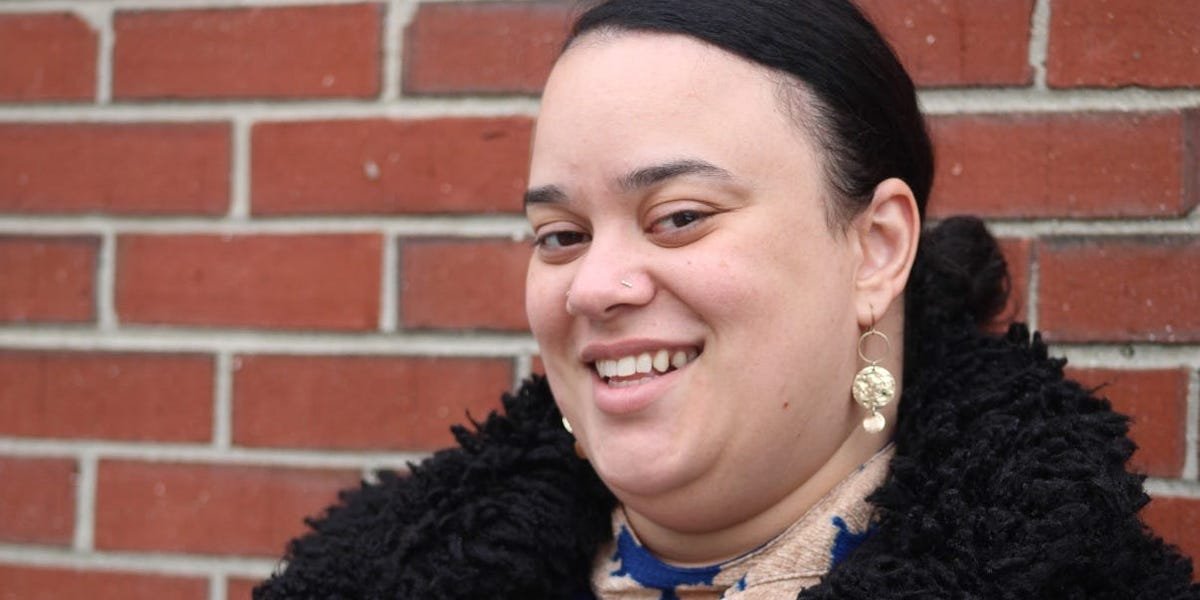
This as-told-to essay is based on a conversation with Rose Barboza, founder of Black Owned Maine. It has been edited for length and clarity.

In the summer of 2020, I started a directory of Black-owned businesses in Maine. I was looking for a way to support the Black community for people who couldn’t attend protests. I also wanted to make a longer-term economic impact.

It immediately took off. These were my neighbors and local businesses that I just hadn’t heard about. That’s the thing: People joke about Maine being the whitest state, but there are actually plenty of Black-owned businesses here. They’re just not in Maine’s heritage industries, so they don’t necessarily get a lot of attention.

The directory took off like a rocket ship. Black Owned Maine now has four employees, including me, and an annual operating budget of about $250,000. In addition to the directory, we host events and business advising to support Black Business owners. As of late 2025, we had 423 businesses on the list, including a gym, beauty salons, restaurants, translation services, and more. About half of them were owned by immigrants.

I felt the directory became too dangerous when ICE arrived in Maine

I’ve always worried about what could happen if the list got into the wrong hands. My concern grew as there were rumors of ICE coming to Maine to do a large-scale raid. I was worried about agents being able to scrape our website and target the businesses that were listed.

My community was hesitant to bring the list down. Many businesses rely on us for free advertising. One beauty salon owner recently told me she got four new clients in one week after we featured her on our social media. I didn’t want to take that away if I didn’t need to.

When ICE arrived in Maine in January, I decided it was too unsafe to have a public-facing list of Black businesses. We took down the directory in late January.

We’re considering putting the list behind a paywall

Creating Black Owned Maine is the biggest thing I’ve ever done, aside from having children. Taking it down felt like a defeat of my life’s work.

When I feel discouraged — which is often these days — I have to remind myself we’re not at the end. There’s a path forward from here, and we just have to see what it is.

One option we’re looking at is putting the directory behind a paywall. It’s expensive to run this nonprofit, and in recent years, grants for this type of work have been hard to come by. We believe people should be compensated for doing social justice work, and charging to access the directory feels like a way to practice what we preach about economic empowerment.

It would take about $100,000 to rebuild the website in a way that can keep information secure. That includes the cost of staff needed to operate it for about two to three years. Still, it’s a lot of money to ask for. Right now, we’re encouraging people who have used our list to donate.

Despite everything, I’m still hopeful

Maine is such an accepting place. And yet, I’ve had business owners reach out to ask me to take down social media posts featuring them. People are scared. It feels like they’re being forced into hiding.

I’m hoping people will continue to support Black and immigrant communities in Maine. Recently, I booked an appointment with a new dentist, an immigrant from Southeast Asia. Her clinic is a little further away, but I want to support her. If we’re all more intentional about where we spend our money, we can make a difference.

Sometimes I think, “Why are we even doing this?” But underneath the difficulties, I’m still hopeful.

Editor’s note: Business Insider reached out to ICE for comment.


Source link