
Everything-a-heart-health-dietitian-eats-in-a-week-including.jpeg

Everything a heart health dietitian eats in a week, including plant-based protein sources and ‘joy foods’

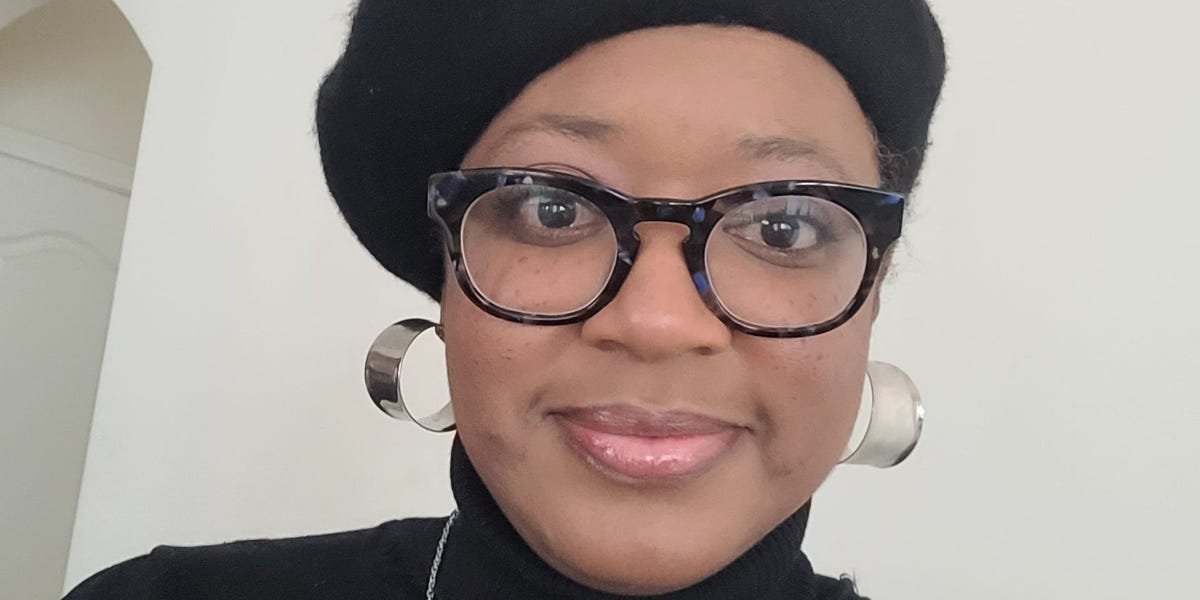
As a registered dietitian, Lena Beal first learned about nutrition from her own family.

“My great-grandparents were farmers, so they grew nearly everything they ate, made their own preserves, the whole thing,” Beal, a cardiovascular dietitian at Piedmont Atlanta Hospital and spokesperson for the Academy of Nutrition and Dietetics, told Business Insider.

Her roots inspired her profession. “It was generational wisdom,” she said. “The foods that give us the most nutrients, the most pleasure, they’re the most sustainable and practical.” In her own life, she focuses on a minimally processed, plant-packed diet, incorporating chicken, fish and eggs on occasion.

Still, it doesn’t mean there isn’t room for flexibility.

Once a week, Beal eats what she calls “joy foods”: things she enjoys, like sweets and alcohol, which are best consumed in moderation. A Christian, Beal links joy foods to her Sabbath, or day of rest.

Eating her joy foods on Sundays is her version of the 80/20 diet, helping her stay on track with eating mostly heart-healthy foods — with the occasional treats. “That way, I can enjoy them intentionally, but without feeling like I’m constantly negotiating with myself,” she said.

Beal shared what she eats in a week to get enough protein — and what a typical Sunday of fun looks like.

She leans on plant-based protein sources


Grain bowl

Beal includes lots of beans and legumes to get extra protein.

vaaseenaa/Getty Images


Given her focus on cardiovascular health, Beal said she has always focused on heart-healthy foods to keep her fueled throughout the day.

“It’s subliminal,” she said. “Those things are extremely important to me: making sure I have hearty, fiber-rich, high-omega-3 foods with those macronutrients.”

On a typical day, her meals look like this:

  • A high-protein, fiber-rich breakfast such as oatmeal with nuts and fruit
  • Lunch, her biggest meal of the day, is usually a hearty salad, grain bowl, or soup. She focuses on plant-based protein sources like legumes, dried beans, and chickpeas, but will sometimes include chopped egg or a piece of fish.
  • Snacks such as mixed nuts, granola bars, or fresh berries with yogurt
  • A light, mostly plant-based dinner such as steamed cabbage with brown rice and black-eyed peas

She focuses a lot on protein because she works out at least 3 to 4 days a week, including resistance training, brisk walking, and yoga. She said her target is reaching 150 minutes of moderate physical activity a week, the recommended goal for most people.

Her diet helps her stay on track. “Because my eating pattern is relatively consistent, it supports strength, energy, and flexibility,” she said.

Cutting down on red meat

Beal was never interested in intentionally following a strict vegan or vegetarian diet. Instead, her diet evolved over the past eight years to naturally involve less red meat.

“I wasn’t a heavy red meat-eater in the first place.” she said. “I no longer enjoyed it. It was heavy for me.” Having it once a week was easier for her because it didn’t feel like much of a sacrifice.

On occasion, she’ll eat leaner animal-based protein sources like chicken or turkey during the week, which have less saturated fat.

Joy meals include mimosas and French toast


French toast

One of Beal’s favorite joy meals is French toast.

Grace Cary/Getty Images


When Sunday rolls around, she doesn’t exactly go all out on sugar or cocktails, either. She still aims to stick to her normal habits, like eating a light dinner, because it ties into better sleep.

“I don’t go too far out of bounds,” she said. Treating herself might look like French toast, a mimosa, or fish in a richer cream sauce than she would pick during the week.

It’s been the easiest way to keep a balance in her life. Beal, who’s taught weight management classes in the past, said that words like “diet” or “cheat foods” can bring up a lot of negative feelings for people.

“I shy away from that language,” she said. “I call them ‘joy foods’ because they absolutely fit if you leave room for them intentionally.”

She focuses on flexibility

Beal takes a few supplements — vitamin D and iron — based on recommendations her doctor made, given her age and medical history.

Otherwise, she gets all her nutrients from her diet, which she feels is easy to maintain because she eats whole foods she loves during the week, while being flexible enough to enjoy a sweet treat or glass of wine, too.

“Healthy eating works best when it leaves room for living,” Beal said. “It ought to feel like when you get up from a meal that you have good feelings, whether it’s nostalgic, whether it satiates you. That’s what food is.”


Source link

I-used-to-obsess-over-perfect-holiday-cards-When-I.jpeg

I used to obsess over perfect holiday cards. When I finally stopped sending them, I found more joy in the season.

I grew up in a house where coordinated family photos were the norm. My mom would line up the four of us kids in matching outfits — one year, freshly pressed sailor suits; the next, velvet dresses, with my brother in a matching tie. Every stray hair would be tucked in or sprayed down.

We were bribed (or more like lightly threatened) to smile with our eyes open, something that’s more difficult than it should be when you’re a kid who just wants to be DONE.

Then came the card — glossy, cheerful, and perfectly posed — the proof that our family had it all together, at least for one photo.

I kept the tradition going with my own kids

So when I had my own kids, I continued this tradition without question. Every year, I’d book a family photo session well in advance of Thanksgiving, hoping that temperamental Chicago weather wouldn’t put a damper on our outdoor photos.

I’d scour Pinterest for outfit inspiration, aiming for a coordinated but not totally matching vibe. The goal was to capture one frame of perfection — a photo worthy of the hundreds of envelopes I’d soon address by hand.


Holiday card

The author continued the tradition of holiday cards with her family.

Courtesy of the author


But the reality behind those photos was far from picture-perfect. There were bribes of hot chocolate and complaints about itchy sweaters. I’d smile through gritted teeth while the photographer tried to get everyone looking in the same direction. By the end, the kids were shivering, my husband was done, and I was wondering why we put ourselves through this every year.

And that was just phase one.

Once we had a “good enough” photo, I’d spend hours designing the cards online, tweaking fonts, choosing layouts, and agonizing over whether to include a photo of the whole family or the cuter one of just the kids.

Then came the addressing, stamping, and mailing — usually squeezed in between wrapping gifts, decorating the house, and trying to keep the ambiance somewhat festive. What was meant to be a joyful holiday tradition had turned into yet another item on my never-ending to-do list.

Quitting holiday cards lifted a huge weight

Two years ago, I finally asked myself, “Why am I doing this?”

When I couldn’t come up with a satisfying answer beyond “because we’ve always done it,” I decided to stop. No family photo shoot. No card design. No envelopes or stamps.


Family at ski resort

The author feels her family photos feel more authentic now.

Courtesy of the author


That first year without holiday cards felt strange at first, like I’d forgotten to do something important. December rolled around, and my mailbox filled with cheerful greetings from family and friends, each one featuring those perfectly posed families and braggy year-end recaps. For a fleeting moment, I felt a pang of guilt, like I’d dropped out of a club I’d been part of my entire adult life.

But then the feeling passed. What replaced it was a deep sense of relief.

Without the looming card deadline, December suddenly opened up. I had more time to actually enjoy the holidays — to bake sugar cookies in the shape of stars and drive through neighborhoods adorned in holiday lights. The pressure to present our family in a certain way — smiling, coordinated, festive — simply disappeared.

Now our photos (and holidays) feel more authentic

Instead of orchestrating a posed photo, we started taking more spontaneous pictures: messy, candid, real. A selfie at a local holiday market. A blurry shot of everyone laughing in front of our silver faux Christmas tree. A snowy mountain scene after a day of skiing. These pictures weren’t perfect, but they were us. And when I looked at them later, they didn’t remind me of how stressed I felt trying to get everyone to cooperate — they reminded me of how much fun we actually had.


Family posing by tree

The author and her family.

Courtesy of the author


Something else unexpected also happened: no one seemed to miss the cards. The people who truly wanted to connect reached out in other ways. It made me realize that keeping in touch didn’t have to involve postage and cardstock.

Letting go of the holiday card tradition didn’t make the end of the year any less special — it made them more so. It gave me permission to simplify and remember that the memories that matter most aren’t ones you send in the mail. They’re the ones you make together, no matching outfits required.


Source link