This as-told-to essay is based on a conversation with Kassidy Angelo, a 25-year-old managing director at Gioia Hospitality Group in Fort Lauderdale, Florida. It has been edited for length and clarity.
I never imagined myself entering the restaurant business at the age of 24. I majored in American Studies at Georgetown University with the hope of attending law school.
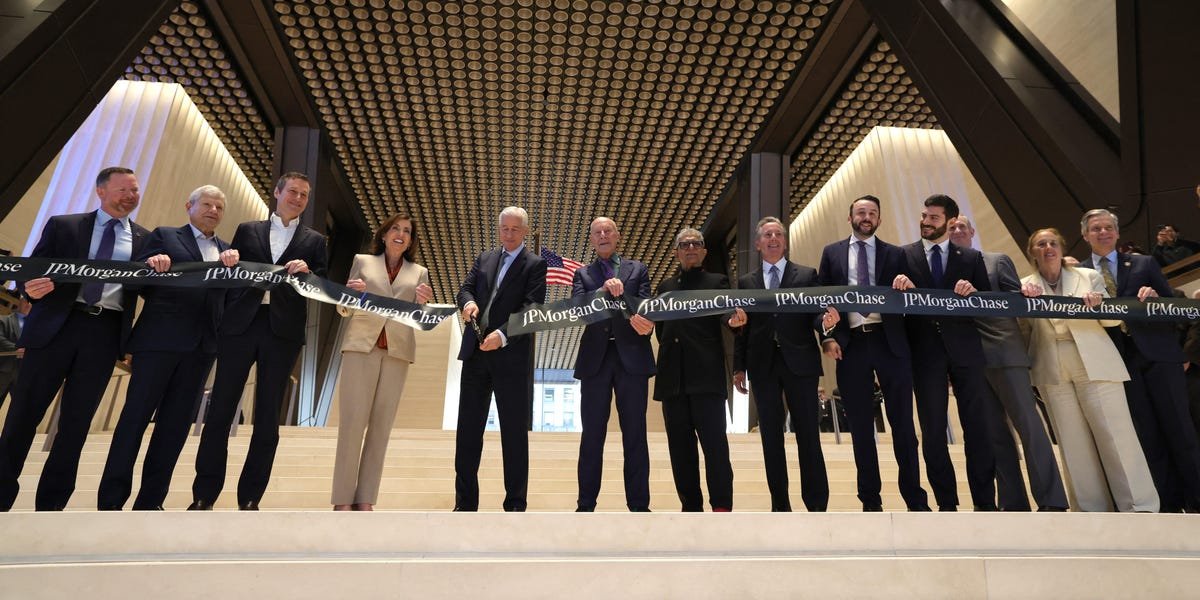
Instead of pursuing a law career, I decided to apply for finance jobs and eventually landed an internship at JPMorgan in New York. Ultimately, I became an analyst in Miami, but I quit after two years.
My dad, an attorney by trade and restaurateur for many years, asked me if I’d ever consider partnering with him on a new venture. He already owned successful restaurants, and I thought this was a unique opportunity to learn from him and pursue my own entrepreneurial path. It’s the best decision I have ever made.
My biggest concern was how working together would change our father-daughter dynamic
Together, my dad and I are attempting to create a new world-class dining experience from the ground up, Daniel’s Steakhouse, in Fort Lauderdale. My dad is 62 years old and already owns several other successful restaurants, so he doesn’t really need to build this brand for himself.
Every time Michelle publishes a story, you’ll get an alert straight to your inbox!
Stay connected to Michelle and get more of their work as it publishes.
Working with him, I can gain hands-on experience alongside someone who has already mastered the art of entrepreneurship. We’ve always had a close relationship, and I’ve long admired his work ethic; however, I wasn’t sure how it would feel to work side by side, day in and day out.
Before I left my job at JPMorgan, we had a long conversation about expectations and how we wouldn’t only build a strong professional relationship but also maintain the personal closeness we had created throughout my life. He’s an amazing dad and has become an incredible business partner.
If the opportunity to work with my dad had not happened, I probably would have stayed in finance
Working in finance is always a great opportunity to seize. It helped me become more financially literate and gave me a lot of experience working with all types of people.
Ultimately, you’re in a client service role. Private finance, especially, is a people business. Every single day, I communicated with clients, assistants, coworkers, and others, and ultimately, I learned to work as part of a team and how to correspond effectively with high-net-worth individuals. But working in finance has a lot of pressures too.
The analyst role at JPMorgan is intended to be a two-year program. When the opportunity to work with my father came up, I had to make a decision: stay for the full two years and then make the leap, or leave to go through the process of a true restaurant opening.
Ultimately, I realized that if I were going to pursue a career in the restaurant industry, learning the ins and outs of an opening would be the best way to truly understand the business. I viewed it as a once-in-a-lifetime opportunity not only to work with my dad, but to build something from the ground up.
There are lots of positives, but it’s sometimes difficult to separate work and family
Working with family has been one of the most rewarding experiences of my life. One of the biggest pros is the amount of quality time I get to spend with my father. He understands my day-to-day, where my head is at, and where I may be struggling, and he’s always in my corner — not just as a resource, but as a true partner.
In terms of cons, I wouldn’t say there’s anything inherently negative, but it can sometimes be hard to find the “off button.” Family dinners, vacations, and time away often circle back to conversations about how we can improve and grow the business.
Being a financial analyst helped prepare me for building a new restaurant
I entered the restaurant industry with less experience, but more authority than I had as an analyst, which is the bottom of the totem pole in finance. Having worked with senior management at JPMorgan, I had the confidence to run the restaurant.
I also believe it was important that I worked for someone else before working with my dad. It taught me how to take constructive criticism, recognize my shortcomings, and develop confidence outside of my family’s influence. On my first day at the restaurant, I learned how to run the door, be a hostess, serve, and run private events. Now, I’m mentoring a woman who works for us, and I work six days a week on the floor, overseeing everything that goes into running a restaurant.
While there may not be the same financial benefits in the short term, and I must work holidays like Thanksgiving and Christmas, being an entrepreneur allows me to work and live in my home city.
Taking the unknown route can sometimes be the most rewarding
Working at JPMorgan immediately after graduating gave me an instant sense of accomplishment. On the other hand, joining a family business at its foundation was a bigger risk — but one that has been incredibly fulfilling.
I never like to say never to going back to finance, but I truly believe I’ve found my calling in the hospitality world, and doing it alongside my dad makes it even more meaningful.
Do you work with a family member and want to share your story? Please email this editor, Manseen Logan, at mlogan@businessinsider.com.