
North-Korean-ballistic-missiles-made-with-outdated-methods-from-up.jpeg

North Korean ballistic missiles made with ‘outdated methods’ from up to 50 years ago: Ukraine MOD

A new Ukrainian analysis of two North Korean ballistic missile types found that the weapons were built with commercial electronics, but likely made with methods that were outdated by up to 50 years.

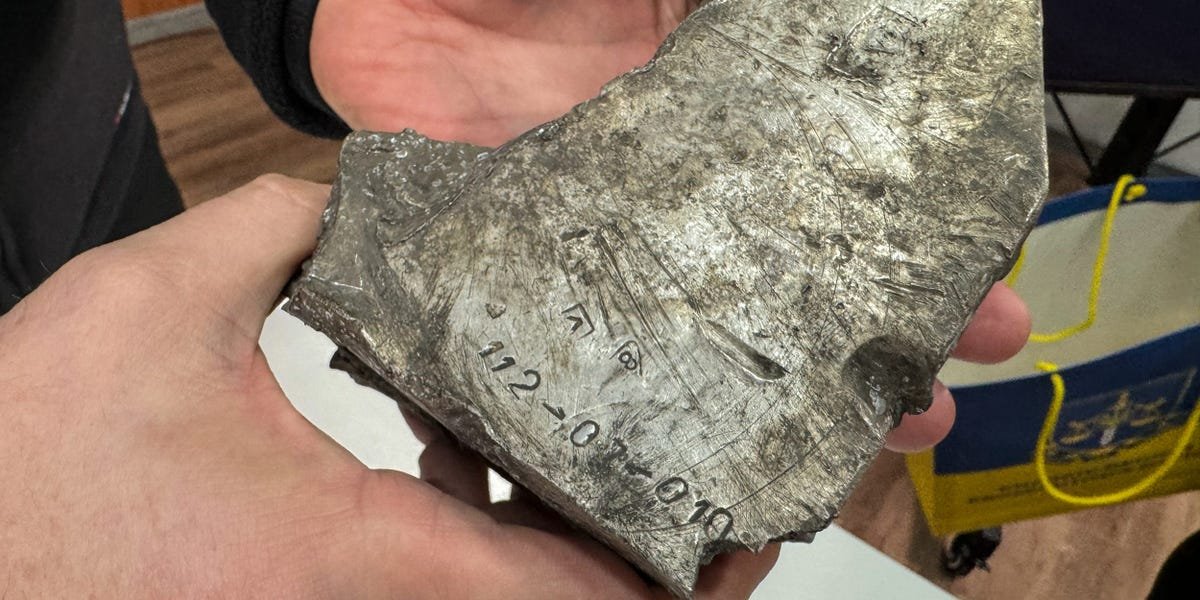
Officials said the findings, published by Ukraine’s defense ministry on Thursday, came after military engineers and scientists conducted “laboratory studies” on debris from solid-fuel KN-23 and KN-24 missiles used on Ukrainian territory in early 2024.

The report found that while the North Korean missiles bore similarities to Russian counterparts, they used less energy-efficient fuel and required engines that were 50% larger to travel the same range.

“At the same time, outdated methods are used during production, and the quality of the soldering is about 50 years old,” the defense ministry wrote.

It added that forensics had found the missiles to be tipped with graphite, a “relatively cheap solution” to protect them from heat while in flight.

The defense ministry said its forensics team identified the KN-23 and KN-24 using South Korean schematics and photographs from North Korean factories, denoting seven key similarities. It added that the KN-23 had a specific frame diameter used only by North Korea.

The KN-23, also known as the Hwasong-11A, was first revealed by Pyongyang during a military parade in 2018, and is often compared to Russia’s Iskander-M short-range ballistic missile. The other missile, the KN-24, made its public debut as the Hwasong-11B in 2019, and bears some similarities to the US-made ATACMS tactical ballistic missile.

The Ukrainian report, however, wrote that instead of being direct analogs to the Iskander-9M723 missile, the North Korean missiles showed signs that Pyongyang had “refined some initial version of the Iskander ballistic missile development.”

Meanwhile, the missiles’ control units were found to contain “civilian components from leading brands,” the defense ministry said.

“Pyongyang is apparently purchasing these chips to circumvent sanctions,” its statement read.

Ukraine’s military intelligence agency, GUR, said in late 2024 that it had found components in the KN-23 and KN-24 manufactured by companies in China, Japan, Switzerland, the UK, and the US.


Head of the Kharkiv Regional Prosecutor's Office Oleksandr Filchakov holds wreckage of a North Korean missile.

Ukraine said in 2024 that the debris it found was consistent with that of North Korean missiles. 

Denys Glushko /Gwara Media/Global Images Ukraine via Getty Images


Kyiv first reported the use of the KN-23 in January of that year, saying that Russia had launched the missiles at Kharkiv. Ukrainian officials said at the time that the munitions were highly inaccurate and unreliable, with at least half exploding in the air before reaching their targets.

The next month, Ukraine also said it had shot down KN-24 missiles launched by Russia against Kyiv. It accused North Korea in early 2025 of supplying the Kremlin with at least 148 ballistic missiles.

Since the start of the war, Russia has sought to strengthen ties with North Korea, receiving troops and arms to help drive Ukraine out of Kursk and sustain its invasion. The US and South Korea have raised concerns beyond that, warning that Pyongyang has been gaining valuable combat knowledge in both troop tactics and arms-making.


Source link

Another-South-Korean-shipbuilder-just-won-a-US-Navy-maintenance.jpeg

Another South Korean shipbuilder just won a US Navy maintenance job as the country’s yards scoop up more American work

South Korean shipyards are steadily becoming an integral part of US Navy maintenance work. Following in the footsteps of some of the nation’s shipbuilding giants, another local shipbuilder just secured a new contract.

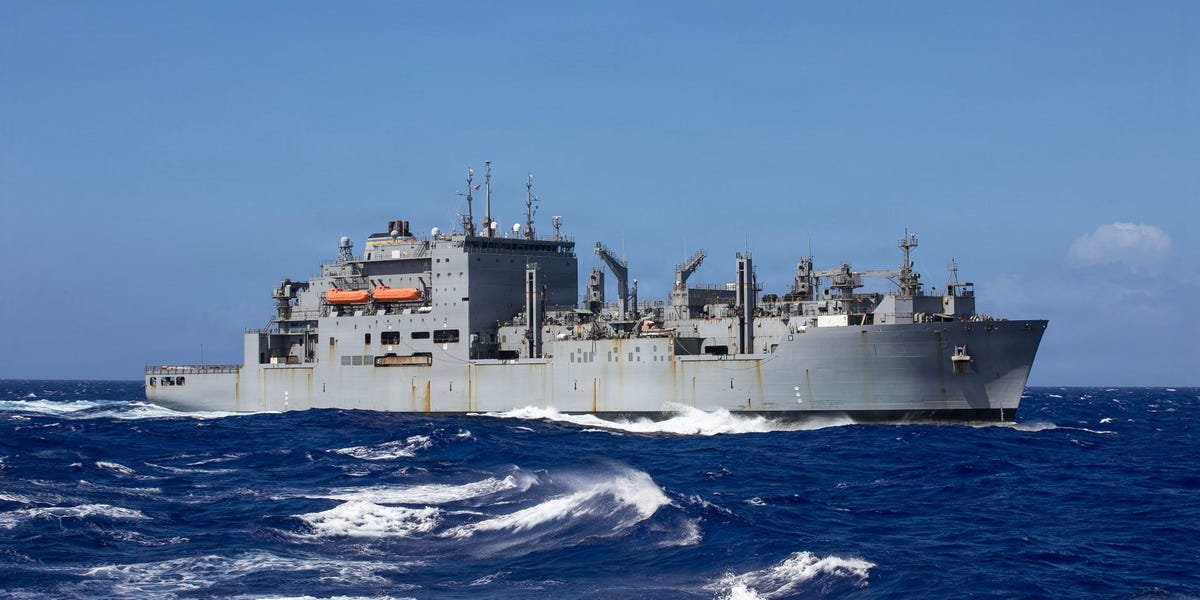
HJ Shipbuilding and Construction announced on Monday that it won a deal to service a US Navy vessel — the Lewis and Clark-class dry cargo ship USNS Amelia Earhart — as Washington increasingly turns to South Korea’s impressive commercial shipbuilding sector to support strained American yards and keep the fleet afloat.

The maintenance contract is with the Navy’s Naval Supply System Command and Military Sealift Command.

The work on the Amelia Earhart — which will include an inspection of the ship’s hull and systems, follow-up repairs and replacements, and a paint job — will begin in January 2026 at the Yeongdo Shipyard in Busan. The vessel will be delivered to the Navy by the end of March.

The Amelia Earhart is one of the Navy’s supply ships that refuels and resupplies aircraft carriers and warships at sea. Its overhaul adds to a growing list of US Navy work going to South Korean companies.


A grey vessel sails in the dark blue ocean next to an aircraft carrier with a fighter jet sitting on it. The sky is blue in the background.

South Korea is investing billions in US shipbuilding initiatives, including upgrades to shipyards and equipment.

Official US Navy photo


Major South Korean shipbuilder Hanwha Ocean finished repairs on the USNS Wally Schirra, another Lewis and Clark-class vessel, in March, marking a first for a South Korean shipyard. And then HD Hyundai Heavy Industries, one of the country’s largest shipbuilders, received a maintenance contract for another ship in the class, the USNS Alan Shepard.

HJ Shipbuilding and Construction said it’s the first midsize shipbuilder in South Korea to win a maintenance contract with the US Navy.

While smaller voyage repairs to US Navy ships occur regularly at allied yards, the continued contract wins for South Korean shipyards highlight the growing shipbuilding collaboration between Washington and Seoul.

That partnership, which has included business deals for South Korean companies abroad as well as investments in American yards, is part of a broader willingness by the Trump administration to rely on its Pacific ally amid efforts to fix US shipbuilding issues.

Billions of dollars are being put into modernizing US shipyards and addressing workforce and training issues as South Korea’s government calls its investments a plan to “Make American Shipbuilding Great Again.” The US is also turning to Japan, another large shipbuilder, for assistance.

South Korea and Japan are the second and third largest shipbuilders in the world, respectively, and Navy leadership is increasingly recognizing their value in this sector. China, however, dominates the shipbuilding industry, relying heavily on its dual-use yards, workforce, and equipment to make military and commercial vessels at a rapid pace.


Source link