AI logo

Atlassian lays off 10% of its global workforce and attributes the cut to the ‘AI era’


Dado Ruvic/REUTERS

  • Atlassian announced plans to cut 1,600 jobs to focus on AI and enterprise growth initiatives.
  • CEO Mike Cannon-Brookes cited AI’s impact on workforce needs as a reason for the layoffs.
  • 30% of the job cuts impact Atlassian employees based in Australia, reflecting global changes.

Another tech company is making job cuts and attributing them to AI.

Atlassian, an Australian-American proprietary software company, said on Wednesday that it is cutting about 1,600 jobs, roughly 10% of its global workforce, as the company restructures to focus on AI and enterprise growth.

In a filing with the US Securities and Exchange Commission, the Sydney-headquartered company said the layoffs are part of a broader effort to reposition the business for what CEO Mike Cannon-Brookes described as the “AI era.” About 30% of the affected roles are based in Australia.

In a message to employees, Cannon-Brookes acknowledged the growing influence of AI on the company’s workforce needs.

“It would be disingenuous to pretend AI doesn’t change the mix of skills we need or the number of roles required in certain areas. It does,” Cannon-Brookes wrote.

“I believe this is the right decision for Atlassian. But that doesn’t mean it’s easy. Far from it,” Cannon-Brookes added. “I know this has a huge impact on each of you, and it weighs heavily on me and Atlassian today.”

This is a developing story. Check back for updates.


Source link

SoftBank-backed-unicorn-LTK-lays-off-staff-and-doubles-down-on.jpeg

SoftBank-backed unicorn LTK lays off staff and doubles down on new tech for brands

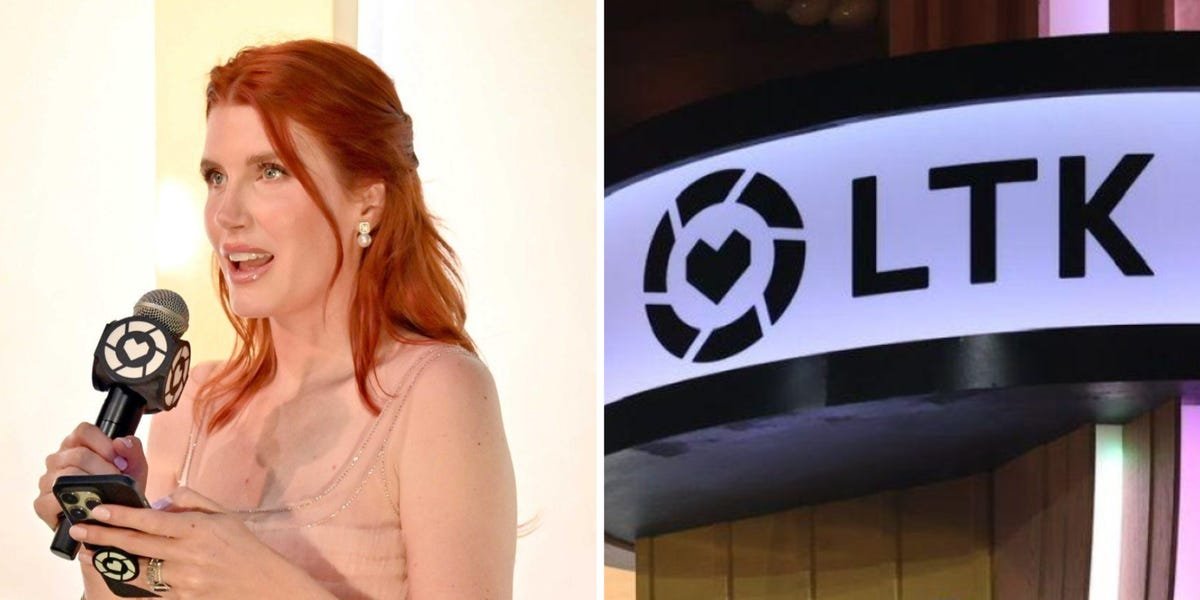
LTK, a Softbank-backed startup and creator economy unicorn, let go of some staff on Thursday as part of a reorganization, a company spokesperson confirmed to Business Insider.

The cuts were designed to refocus LTK’s business around its revamped brand platform and to account for structural changes to internal teams like marketing, according to the company.

The job reductions, which hit a variety of roles including software engineers and staffers who worked with creators, affected a low single-digit percentage of LTK’s overall head count, which numbers over 550 employees, they said.

“LTK recently completed a targeted organizational restructure to ensure we are aligned around the skills and priorities required for our next phase of growth,” the spokesperson said. “This was not a broad-based layoff, but a strategic realignment focused on strengthening performance and positioning the business for long-term success.”

LTK, previously known as RewardStyle, was founded around 15 years ago by president Amber Venz Box. The company, which says it’s profitable and doubled its EBITDA in 2025, has raised a little over $300 million in its lifetime. Most of that capital came in a 2021 round from SoftBank’s Vision Fund 2, which valued the startup at $2 billion.

Over the last decade, LTK has established itself as one of the leading players in affiliate marketing, building a network of influencers who promote products on social media in exchange for commissions.

Recently, the company has made a series of moves to establish itself beyond social media affiliate marketing.

The company relaunched its app for influencer-driven shopping, called LTK, in early 2025, to add more consumer-facing features as it sought to build its own brand identity with consumers.

In late 2025, the company announced it was revamping its platform for brands, offering features such as creator discovery and performance tracking at no cost. LTK makes money by collecting a commission on sales. The company said that over 1,000 brands have been onboarded onto the platform.

LTK is one of several creator economy startups that have focused their businesses on e-commerce. Other big players in the space include affiliate platform ShopMy and live-selling app Whatnot, which in October raised $225 million at an $11.5 billion valuation.


Source link

Goldmans-CEO-lays-out-the-3-forces-lining-up-to.jpeg

Goldman’s CEO lays out the 3 forces lining up to make this a breakout year for dealmaking

David Solomon is officially done playing defense.

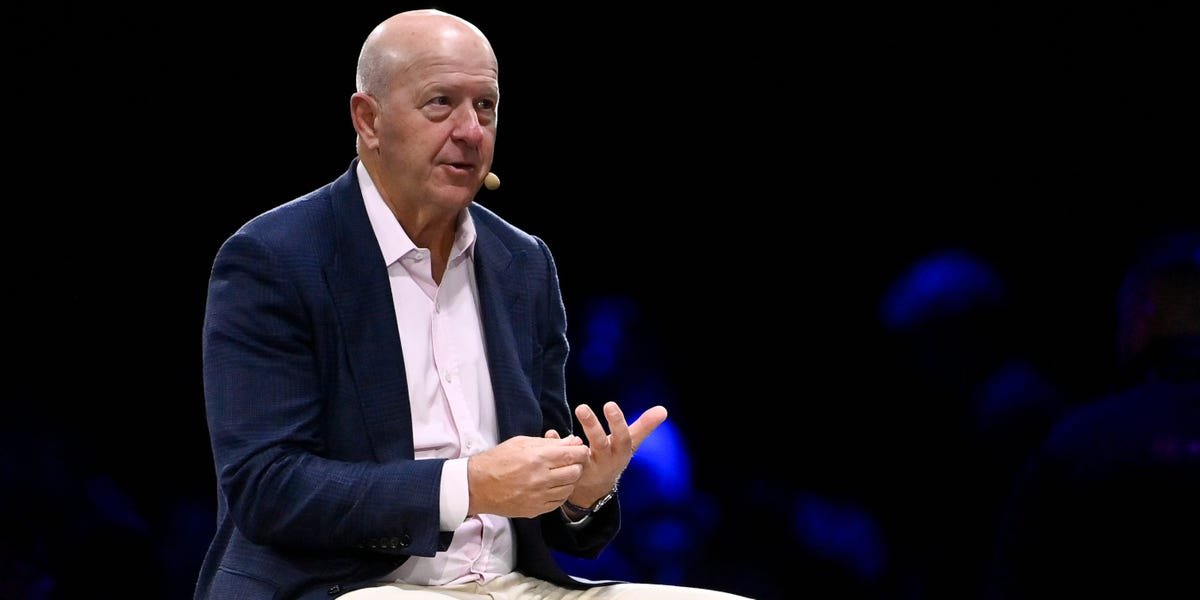
The Goldman Sachs CEO has steered the bank through several grueling years for the industry, including a multi-year drought in private equity spending and extreme trading volatility. But after a booming 2025, Solomon told investors at a UBS financial services conference on Tuesday that the firm is entering 2026 with the wind at its back.

Solomon praised policymakers in Washington for spurring acquisitive appetites. “You have a massive deregulatory trend in the United States after a very tough regulatory period in the United States, across all industries,” Solomon said.

The receptive comments about the government’s heightened support for M&A came just months after President Donald Trump lashed out at Solomon on Truth Social in August, mocking his former side gig as a DJ and encouraging him to step down from the CEO throne. Trump’s rebuke came after a Goldman Sachs economist suggested that tariff policies could cost consumers.

Despite that dustup, Solomon is now leaning into the administration’s growth-oriented agenda, arguing that the friction of the past has been replaced by a “constructive” new reality for the banking sector.

Here are the three factors Solomon named on Tuesday that have left him feeling bullish about 2026’s dealmaking forecast.

From a ‘no’ to a ‘maybe’

Solomon thinks that, coming off strong results last quarter, 2026 will represent an inflection point for the global mood toward M&A. For the past five years, he said, strategic buyers had encountered a “different regulatory regime,” adding: “Whatever the question was, the answer was no.”

“Now, whatever the question is, the answer’s maybe,” he told UBS Erika Najarian, who hosted the discussion.

That, too, he said, could drive a resurgence in the IPO market, which has been expected to return this year. And in terms of mergers and the kind of corporate dealmaking that is Goldman’s bread and butter, “this could be a top decile” year, Solomon said.

And one major driver he pointed to is cash-rich, asset-heavy private equity sponsors.

The PE gambit

A key pipeline for Goldman has been banking for the world’s top private equity sponsors, many of whom held assets longer than their own investors would like while waiting out a period of lackluster valuations and uncomfortably high interest rates.

That’s left limited partners hungry for capital returns to reinvest in future deals, the secondaries and continuation vehicles markets booming, and banks praying that 2026 is the year that their private equity clients finally indicate they’re ready for action.

Solomon said the pressure for sponsors to return capital to their investors has reached a breaking point.

“We’re reaching a point in time where that unlock” is starting to occur, Solomon said. He pointed to mounting “pressure from the LP community and the cycle life of fundraising has reached a point in time for most of these firms that they can’t get into the valuation debate as much. They’ve got to move forward.”

The downstream effects of AI investments

Solomon has been on a mission to make Goldman AI-ready and has pointed to the massive investment in the space. “The need for capital to continue on this technology cycle is going to have an impact on the overall capital-raising cycle, so I see all this stuff accelerating, and I feel pretty good about it,” he said. He cited mega-tech names that have turned to the debt market to raise liquidity for AI-related projects.

It won’t always be smooth sailing, Solomon conceded, framing Trump’s governing style as something of an open question for markets. “He also has a tendency in policy to move from policy action to policy action,” he said. “I’d still say there’s uncertainty around trade. There is uncertainty around inflation, and there’s uncertainty on geopolitics.”

But, he concluded, “I think the likely outcome in 2026 is we’re going to have a pretty constructive year for capital markets, a pretty constructive year for M&A — particularly large-cap, strategic M&A — and the result of that should be very favorable for the people in this room.”


Source link