
Meta-CTO-shares-7-traits-he-likes-to-see-in.jpeg

Meta CTO shares 7 traits he likes to see in an employee

Want to work at Meta? Boz just gave you a guide.

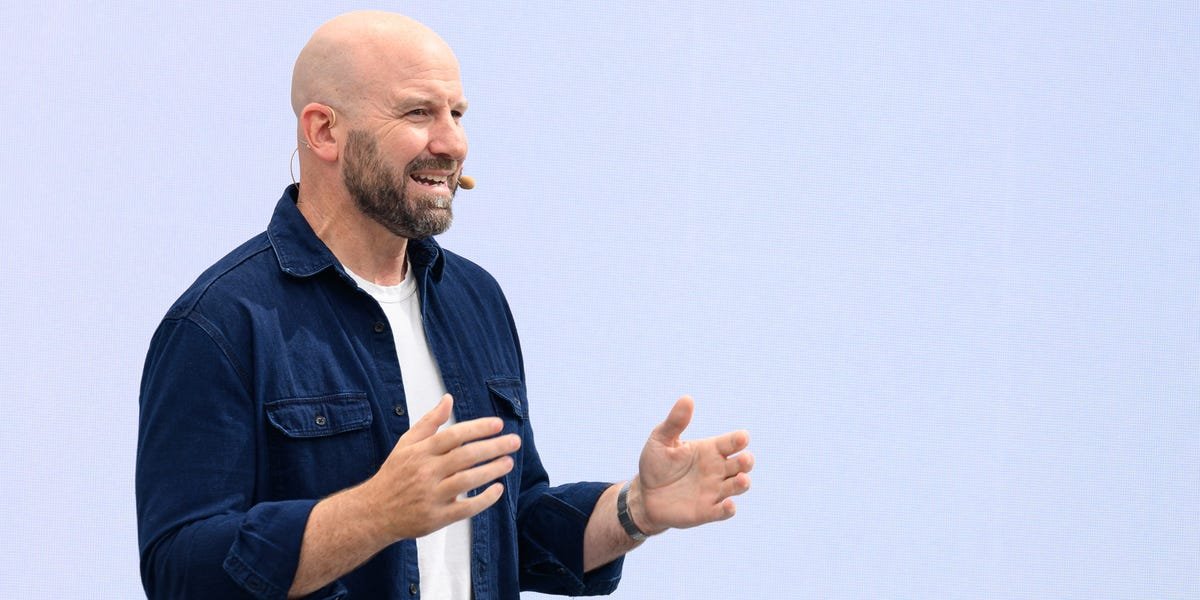
Andrew Bosworth — also known as “Boz” — is Meta’s chief technology officer, overseeing divisions from the metaverse and gaming to AI glasses. On Monday, a respondent to his Instagram AMA asked what “type of person” thrived at Meta.

“It’s a good question,” Bosworth said. “You should probably ask my org.”

Bosworth went on to share seven traits that he liked in an employee.

First, they have to be “relentless in pursuit of doing great work.” Meta employees take “pride and ownership” in their work, he said. They also “take it personally.”

Two of Bosworth’s tips were based on communication. Good Meta employees are both direct and appreciate directness in return.

Employees should take direct communication “in the spirit it’s intended and turn it into progress,” Bosworth said.

Direct communication can cause conflict. Luckily, Bosworth has a solution there, too. In a September blog post, he shared four steps for resolving workplace disputes, something that he has done “so many times” that he sometimes uses the same tools on himself.

Another trait Bosworth valued was the ability to roll with the punches. Bosworth called this being “adaptable.”

“When plans change, their first reaction isn’t a knee-jerk fear of change, but rather a tremendous curiosity and enthusiasm about what that might mean for them,” he said.

Indeed, things often change at Meta — including in Bosworth’s divisions. In his last AMA, he explained the company’s stance on VR after recent cuts. Bosworth said the company was still “bullish,” but its investment had to “match the size of growth.”

The final trait Bosworth said he looked for?

“Just a good person,” he said.


Source link

Henry Chandonnet is pictured

The creator of Anthropic’s Claude Code likes to hire engineers who do ‘side quests’ like making kombucha

Want a job at Anthropic? It might help to get a hobby.

The AI boom is changing the job requirements for an engineer. Not only do they need to have coding skills, but they also must know how to operate vibecoding tools and stay up to date with new AI models.

Anthropic leader Boris Cherny looks for something else: “Side quests.”

“When I hire engineers, this is definitely something I look for,” he said on “The Peterman Pod.”

Cherny’s definition of side quests includes “cool weekend projects,” like someone who’s “really into making kombucha.” It’s a sign that the engineer is curious and interested in other things, he said.

Much of Cherny’s own growth came from his side projects. Cherny is now a key figure at Anthropic. He created Claude Code, a tool that is now popular with engineers across the country.

“These are well-rounded people,” he said. “These are the kind of people I enjoy working with.”

Cherny also said he prefers that his new hires be “generalists.”

He gave the example of an engineer who can code, but is also able to work on product and design. That all-star engineer also seeks out user feedback.

“This is how we recruit for all functions, now,” he said. “Our project managers code, our data scientists code, our user researcher codes a little bit.”

Cherny isn’t alone in pushing for jobs to become more generalist. Figma CEO Dylan Field said in October that AI was causing job titles to merge, resulting in everyone being a “product builder.”

What else is Anthropic looking for? For some time, it monitored whether candidates use AI in their applications.

In May, Business Insider reported that Anthropic asked candidates for certain jobs not to use AI in their written responses so the company could test their “non-AI-assisted communication skills.”

Anthropic changed its policy in July, allowing candidates to seek out assistance from Claude.

For the younger engineers, a job at Anthropic may be hard to come by. In May, CPO Mike Krieger said on “Hard Fork” that he was focused on hiring experienced engineers — and had “some hesitancy” with entry-level workers.

On the podcast, Cherny said that his love of generalists came from his career trajectory. Working at startups since 18, Cherny had to do everything, he said.

“At big companies, you get forced into this particular swim lane,” he said. “It’s just so artificial.”


Source link