This story is available exclusively to Business Insider
subscribers. Become an Insider
and start reading now. Have an account? .
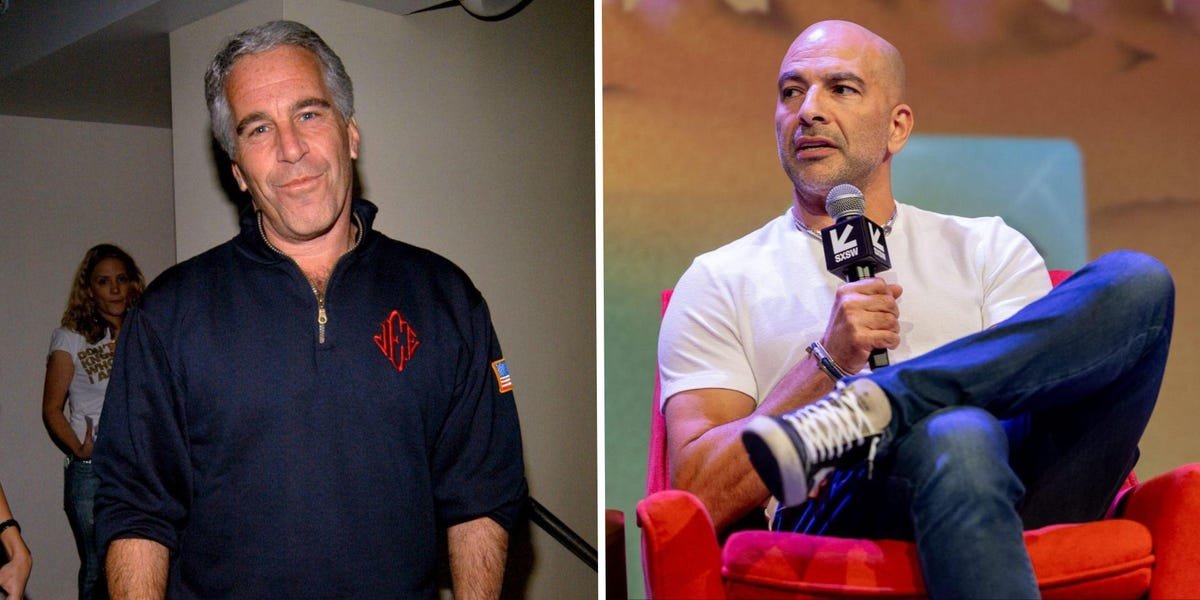
Longevity influencer Peter Attia has stepped down from his role as a CBS News contributor.
Attia’s name appears in the Epstein files over 1,700 times.
Attia also stepped down from his role at David Protein and is no longer listed as an Eight Sleep advisor.
Peter Attia, a popular longevity doctor with ties to Jeffrey Epstein, has stepped aside from his new role as a CBS News contributor, a person familiar with his decision confirmed to Business Insider.
The 52-year-old influencer, known for his podcasts and videos about living longer and his book “Outlive: The Science and Art of Longevity,” was brought on by CBS News’ top editor, Bari Weiss, in late January, along with more than a dozen other new contributors.
Days later, the latest round of the Epstein files was released. Attia appears over 1,700 times in the files, which include crude emails he sent about women’s genitalia that he later called “embarrassing, tasteless, and indefensible.”
“The man I am today, roughly ten years later, would not write them and would not associate with Epstein at all,” Attia said of his emails with the disgraced financier and convicted sex criminal.
Attia has also stepped down from his role as chief science officer at the protein bar brand David Protein and is no longer listed as an advisor at Eight Sleep.
Other famous and powerful people, including former Prince Andrew, have also faced consequences after appearing in the Epstein files.
As the director of an anti-aging research nonprofit, he’s deeply aware that exercise might be the closest thing we have to a longevity cure-all.
That’s why he puts in about an hour a day on his bike or in the weight room as part of his longevity routine.
“I don’t take any supplements. I don’t even take a multivitamin, but I do spend a lot of time in the gym,” he told Business Insider
But on a recent research trip, Austad met with centenarians who stayed spry with a completely different style of exercise, and it changed how he thinks about working out.
Every time Gabby publishes a story, you’ll get an alert straight to your inbox!
Stay connected to Gabby and get more of their work as it publishes.
“I met all these hundred-year-olds and talked to them and watched them,” he said. “They get a lot of exercise, but it’s not heavy exercise.”
Here’s what we know about the healthiest kind of movement — and why being a little bit lazy may be the key to a long, healthy life.
The best exercise for longevity
Sardinia, Italy is one of the few places in the world where people regularly live to be 100 (or even older).
Known as Blue Zones, residents in these regions have traditions that scientists suspect are linked to enduring good health. Despite being spread around the globe, from Okinawa, Japan to Nicoya, Costa Rica, Blue Zones tend to share lifestyle habits like staying active, eating simple, mostly veggie-based superfoods, and building strong social communities.
Austad traveled to Sardinia last year while working on a research paper about whether longevity hotspots live up to the hype. He wanted to test the theory that the high number of centenarians in Blue Zones is more about poor record-keeping than any exceptional anti-aging habits.
Longevity researcher Steven Austad visited active centenarians in Sardinia, Italy, who get their exercise on their local hillsides instead of the gym.
Steven Austad/Getty Images — miroslav_1
What he found is that Sardinian elders are legit. Not only did he verify that residents of the island are active and vibrant into their 90s and 100s, but what he saw changed his own approach to healthy living.
Villages in Sardinia are dotted throughout the region’s rugged, mountainous terrain. As a result, people who live there are consistently hiking as part of their day-to-day activities to get around.
Combined with other household chores like gardening, Sardinians tick all the boxes of longevity exercise without ever setting foot in a gym: lots of easy cardio, a bit of high-intensity effort from walking uphill, and muscle-strengthening movements using a full range of motion.
Austad also spoke with a regenerative medicine doctor in the area, who specializes in staving off problems caused by injury or aging.
She told him that her patients are primarily young people who hurt themselves in the gym.
Austad was stunned. All the 90- and 100-year-olds he had met were vibrant and healthy, while the younger generations needed medical care for pushing themselves too hard.
“That’s just remarkable,” Austad said. “It convinced me that you don’t have to be fanatical about this stuff.”
Take it easy for a longer life
Coming back from his Italian excursion, Austad couldn’t help but rethink his own approach to exercise.
Residents of Italy’s longevity hotspot are known for relaxing habits like drinking wine and socializing, along with their active lifestyles.
Connect Images/Zero Creatives/Getty Images
Previously, he liked hit the gym hard, leaning into the addictive rush of endorphins from intense exercise, and was constantly tempted to push for an extra set or more time working out. For him, rest days felt like a distraction.
“The occasional day off, it drives me nuts,” he said. “I’ve got this one bad knee, and if I overdo it with that knee, I pay the price. So that kind of keeps me real, tells me when I’m starting to overdo it.”
Austad still hits the gym regularly, with a mix of cardio and strength training that prioritizes core stability and everyday motions like pulling and pressing.
But since his recent studies on the Blue Zones, he said he’s more likely to give himself a break without stressing about it.
“It makes me feel a little bit less guilty on the days when I decide that I shouldn’t work out,” Austad said.
Longevity doctor and media personality Peter Attia has stepped down from his role at a popular wellness brand after newly released documents revealed friendly exchanges with the late financier and convicted sex offender Jeffrey Epstein.
Attia stepped down as chief science officer of David Protein, a protein snack bar company he helped promote and invest in, the company confirmed on Monday.
The move comes after the Department of Justice released a new tranche of Epstein-related court documents last week, drawing scrutiny to Attia’s past correspondence with Epstein.
“Dr. Peter Attia has stepped down from his role as Chief Science Officer at David. We remain focused on serving our customers,” founder Peter Rahal wrote on X.
Attia was also named among 19 new CBS News contributors just days before the emails between him and Epstein were made public. CBS editor in chief Bari Weiss has since faced public calls to cut ties with him.
CBS News and David Protein could not be reached for comment.
In emails from 2015 and 2016, included in the latest release, Attia used joking and familiar language with Epstein, including references to Epstein’s “outrageous” lifestyle and a crude sexual joke.
On Monday, Attia issued a public apology, calling some of the emails “embarrassing, tasteless, and indefensible,” and saying he was “ashamed of myself for everything about this.”
Attia, 52, is a well-known antiaging and longevity expert with roughly 1.6 million Instagram followers.
“I am not asking anyone to ignore the emails or pretend they aren’t ugly,” he wrote on X. “They simply are.”
He said he was not involved in any criminal activity and said his interactions with Epstein had nothing to do with Epstein’s sexual abuse or exploitation.
“The man I am today, roughly ten years later, would not write them and would not associate with Epstein at all,” he said.
Stop wasting your time and money on subpar supplements.
One ingredient should be your first priority for building muscle, burning fat, and aging gracefully, according to exercise science pros.
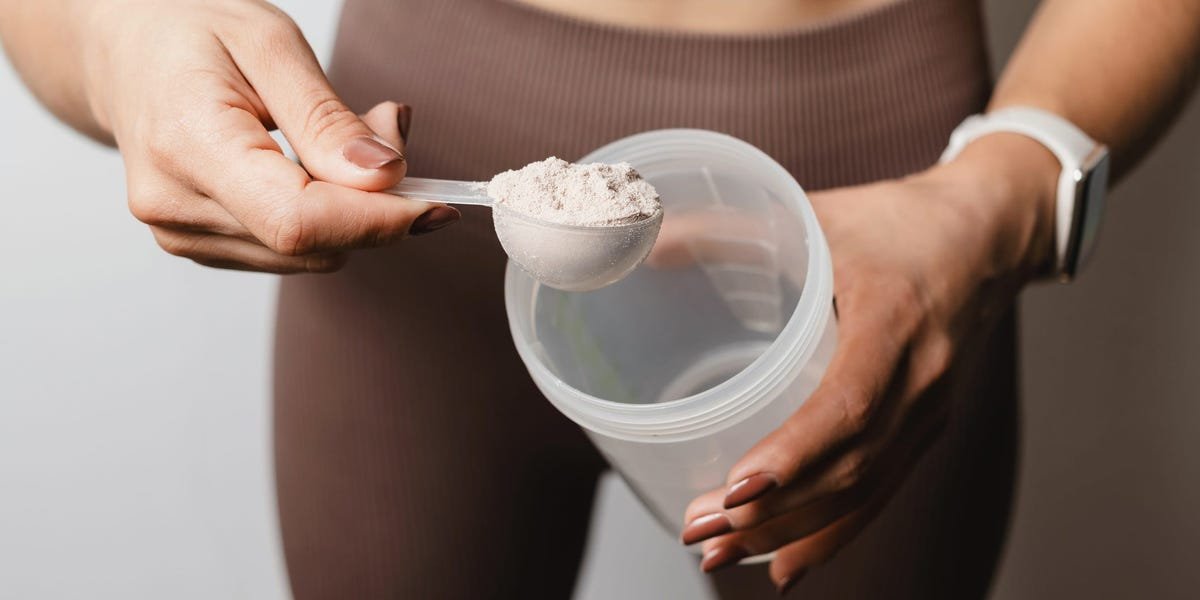
Creatine is a combo of amino acids that provides energy to muscles and other tissues, like the brain. Our bodies produce it naturally, but growing research suggests supplementing with store-bought pills and powders is a smart idea.
It’s long been the uncontested king in the fitness supplement world for fueling gains, personal trainers, dietitians, and researchers told Business Insider. Now, even more studies suggest it has benefits beyond the gym, helping bolster the brain to support mental and cognitive health.
For less than 50 cents a serving, it’s the gold standard of evidence-based health hacks, with an impressive resume of potential perks.
Want to start taking creatine? Here’s how it works, and the best way to use it for peak performance, according to top researchers.
Creatine helps fuel more reps, leading to better gains
Long a staple of the sports world and bodybuilding community alike, creatine has been extensively studied as a fitness supplement for decades. It first caught on in the ’90s thanks to Olympians who swore by it for elite athletic competition.
Since then, researchers have consistently found that it’s safe to use and offers a small but significant boost to performance.
It works by providing extra fuel in the body’s energy cycle. That translates to better gains or faster fat burning if you’re working out, since you can power through more work that you might otherwise.
That makes it a standout performer in the supplement aisle. Creatine has much stronger evidence and broader benefits than products like pre-workouts, which can vary in ingredients and often don’t disclose what’s actually included.
It’s also distinct from protein shakes and powders, which offer the same nutritional benefits as food, but in a more convenient format. There is some creatine in foods like meat and fish, but it’s much harder to get than protein — you’d have to eat more than two pounds of steak to get the amount of creatine in a single scoop of supplement powder.
Other supplements are less evidence-based, less reliable, and can have more risks, particularly when bought online via grey-market websites.
The only supplement that comes close to challenging creatine in terms of wide-ranging benefit and extensive research is caffeine. While caffeine can boost workouts and is relatively safe in moderate doses, it can have serious side effects in large amounts, so you’re better off having a coffee than a concentrated supplement.
The best type of creatine to choose for muscle gains and fat loss
Not all creatine on the market is the same. The most well-researched form is creatine monohydrate, which sports nutritionists consider reliably effective and safe. If you’re worried it causes hair loss or kidney damage, don’t be: these are myths that have been debunked in reputable studies.
Creatine can have side effects like digestive upset, which is typically mild, temporary, and linked to higher doses.
It’s also safe for your wallet. Even with past shortages, creatine monohydrate tends to be the cheapest form, especially if you buy it pure instead of mixed into complicated pre- or post-workout blends.
To take creatine, researchers typically recommend a dose of between 3 to 5 grams a day (people with larger bodies need more). However, emerging studies suggest the brain can benefit from higher doses. Scott Forbes, a sports science researcher and professor at Brandon University, said he recommends around 10 grams a day for cognitive health.
Still, despite all the potential benefits of creatine, it’s not a panacea. No supplement, no matter how well-researched, can match the benefits of healthy lifestyle factors such as nutrition, sleep, and consistent exercise. Trainers recommend starting with high-value habits such as these first before trying supplements.
Once you’re nailing your workouts, diet, and recovery, creatine may be just the thing to give your routine an extra edge.