
Working hard in the gym without seeing results?
A short rest may help you break that plateau, according to a doctor who set state and national records in powerlifting.
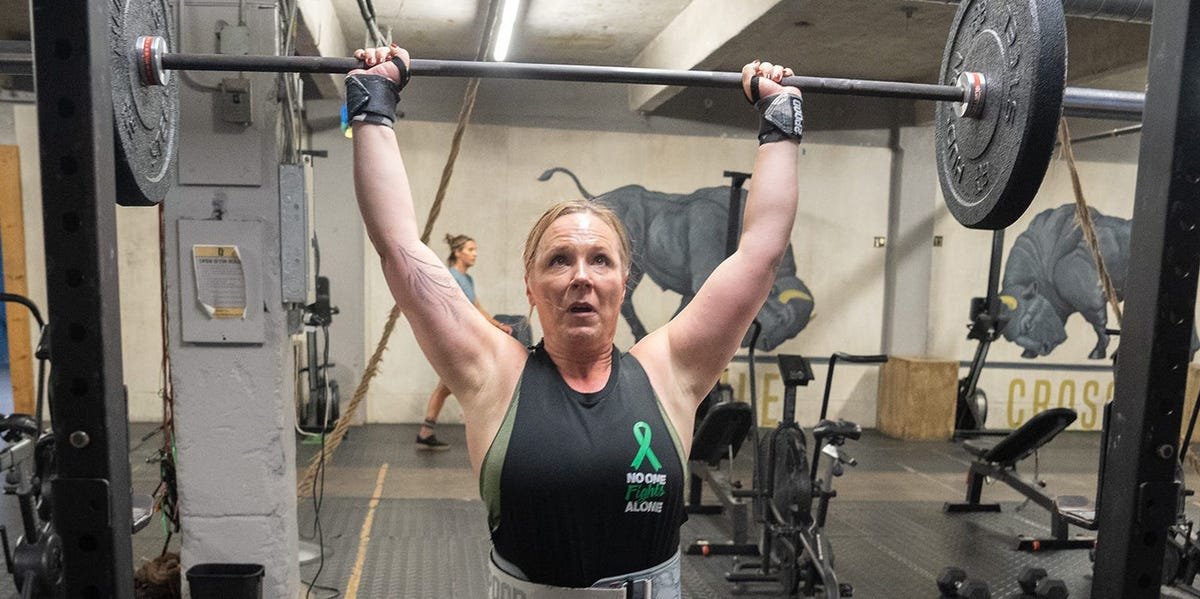
Dr. Shernan Holtan, a hematologist and busy mom of two, has been lifting weights for over a decade. She hits the gym at 5:30 a.m. for an hour of training before heading to her day job as chief of blood and marrow transplant at Roswell Park Comprehensive Cancer Center.
Her key to avoiding physical burnout and keeping up gains: Every four to six weeks, she eases up on her training to let her body recover and build back stronger.
“You give yourself a break. Come back, lower the weight drastically for a week, and really just let your body soak up all of the stress that you just put it through to let it repair and heal,” she told Business Insider.
The strategic break is commonly referred to in the fitness world as a “de-load week.” It’s an evidence-backed way to smash through plateaus, reduce the risk of injury, and boost muscle and strength gains for everyone from elite powerlifters and bodybuilders to everyday athletes.
Roswell Park Comprehensive Cancer Center
For Holtan, deloads have enabled her to maintain steady progress for years, gradually building up the strength to squat 225 pounds (or more) for reps. In that time, she’s also started running and CrossFit, in addition to hiking, biking, and going to the gym (sometimes with her teenage daughter).
“I exercise every day, but I’m not doing crazy stuff every day,” she said.
Here’s how to know if you should take a deload, and the right way to rest for better fitness.
Why resting helps you build more muscle
Unless you’re a pro athlete, less can be more when it comes to exercise.
That’s because muscle and strength gains only happen during the rest periods between gym sessions. A good gym session can break down muscle fibers, prompting them to grow back stronger, but only if you provide them with the time and resources (energy in the form of sufficient calories and protein) to recover.
Holtan said to think of it as a slow and steady effort over time, rather than going all-out at the gym (and being too sore to come back).
“It’s little micro adjustments, tiny increases in weight, a few extra reps,” she said.
Then, over the weeks and months of training, a de-load can help your body to reset and keep making progress.
A de-load can also be a full rest from exercise, and can be a good idea during a vacation or holiday, so you can fully enjoy the time off.
When to take a de-load
The right time to take a rest can vary depending on your training and goals. Trainers typically recommend taking a break every four to 12 weeks.
The length of the rest can vary too.
If you’re consistently in the gym three times a week, you may only need a day or two to deload, and can go two or three months between breaks. Competitive athletes who train five or more days a week might benefit from longer breaks every month or two.
Holtan focuses on a specific goal for four to six weeks, then rests and repeats with a slightly different goal.
Roswell Park Comprehensive Cancer Center
For instance, she might spend a month or so building up to a heavy one-rep max deadlift, bench press, and squat. After her deload week, she might focus on lifting moderate weight for more reps.
This is a type of training cycle known as periodization, which can help prevent athletes from overtraining or getting stuck in a rut.
Listening to your body can also signal that a rest might be beneficial.
If you’re just not enjoying the gym, struggle to finish a workout ,or need to foam roll the pain away, an extra rest day might be just what you need.
