
When-my-daughter-was-born-disabled-I-had-a-hard.jpeg

When my daughter was born disabled, I had a hard time finding a Mom group that felt right for us

Before my daughter was born, I carefully laid the groundwork for the support system everyone told me I would need as a new Mom, especially one living far from family.

I took to heart the advice that I would need a village to make it through the early years of navigating motherhood, and I wanted my child to be surrounded by love.

Yet, when my daughter was born with disabilities and complex medical needs, my village vanished, and I had to create a new one entirely.

I worked hard to meet other first-time moms

As soon as I found out I was pregnant, I joined online groups for women who were due around the same time as me. I signed up for prenatal yoga classes because I enjoyed the gentle stretches that eased my aches and pains. However, I kept going back because I enjoyed the company of other women who, like me, were pregnant for the first time. In my natural birth class, I constantly arranged (decaf) coffee dates and offered rides to other moms-to-be who wanted to look at cribs and bouncers at suburban big-box stores.

I loved navigating pregnancy with my newly found group of expecting mothers. Together, we navigated prenatal woes like the dreaded glucose test and celebrated joys, like settling on the perfect baby name.

I grew close to several of these women. We vowed to support each other by cooking meals for one another after delivery. We vowed to get together at least a couple of times a week during maternity leave. Someone suggested creating a babysitting co-op once our newborns were a few months old, and I was all in.

My daughter was born with disabilities and complex medical needs

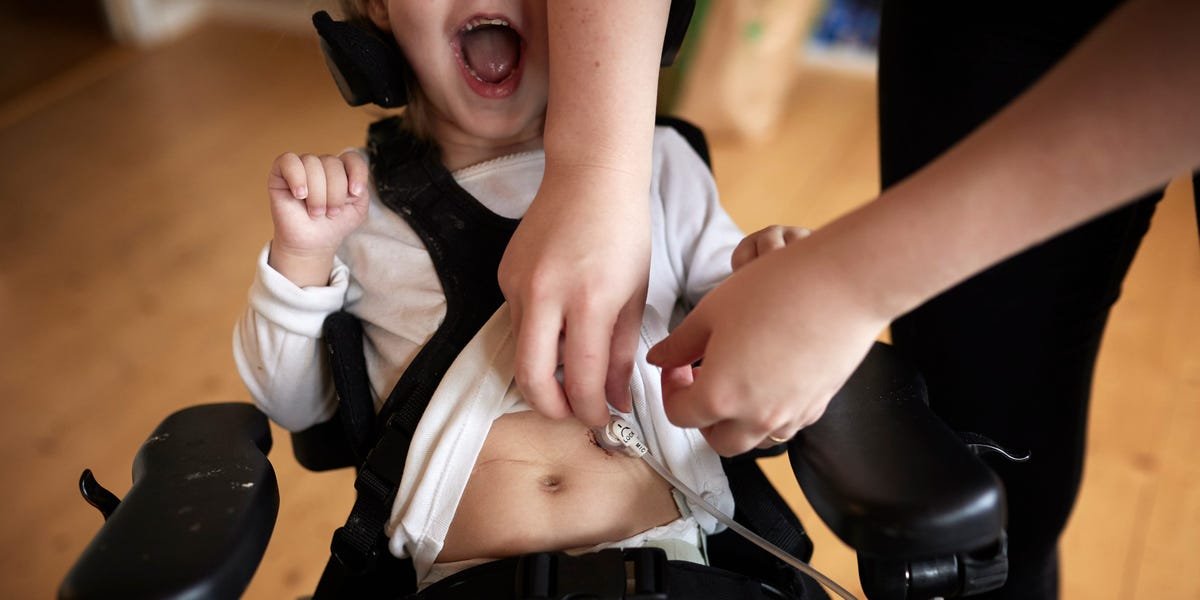
After a picture-perfect pregnancy, everything changed. My daughter was born disabled and with complex medical needs. She spent weeks in the NICU while I pumped milk for her round-the-clock and slept on uncomfortable hospital fold-out chairs made out of vinyl that stuck to my skin.

Most days, I forgot to eat. I didn’t know whether my daughter would live or die, or what kind of life she would live if she ever saw the world outside her hospital room. When it came time to give my daughter a Hebrew name, I chose “Chaya,” meaning “life” or “to be strong.” I was willing her to pull through, but I seemed to be alone.

My daughter survived, but my village disappeared

My daughter survived those fraught few weeks. Eventually, she went home, albeit with monitors and oxygen tanks instead of teddy bears and soft blankets.

I reached out to the moms I had thought would be my support system, knowing I would be there for any one of them if they needed me. I discovered that the moms in the group that formed when we were pregnant had indeed been getting together as planned. They didn’t want to bother me, they said, so they hadn’t reached out. They assumed I needed my space, they told me, when what I really needed was their friendship and support.

I often wondered if I was their worst nightmare, a Mom with a sick and disabled baby who made problems with sleep regression seem like child’s play. Their reaction made sense. Throughout our pregnancies, all we ever heard was that if our babies were born healthy, everything else would be OK. Now that one of us had a baby that had not been born healthy, there was no road map for how to react or for what came next.

Eventually, I found my group. Without meaning for it to happen, all of my close friends have a child with a disability or complex medical needs. I am incredibly grateful that I was able to create a village, even if it’s not the one I originally planned.

Source link

I-bought-my-grandparents-house-and-lived-next-to-my.jpeg

I bought my grandparents’ house and lived next to my mom. When she decided to move, it was hard on both of us.

Until recently, if you had mentioned multigenerational living to me, I wouldn’t have assumed you were talking about my mom and me. After all, we haven’t lived under the same roof for nearly 20 years.

In the 20 years since I last lived with Mom, I’ve gotten married, become a mom, finished graduate school, and had a few different careers. In those same years, Mom built a life post-divorce, returned to the workforce and retired, served on the board of a nonprofit, became an activist for LGBTQ+ rights, and became Grandma to 10.

We also spent 14 of those years as next-door neighbors. This year brought a big change, though. She moved an hour and a half away, and we now find ourselves adapting to a post-multigenerational lifestyle.

My siblings teased me when I moved next door to our mom

When my family and I first bought my late grandparents’ house and moved next door to Mom, my siblings teased me. They said I was trying to be Mom’s favorite out of the four of us. But apart from the teasing, we all agreed that it was a perfect situation.

My husband, who suffers from severe respiratory disease, was going through a particularly difficult health decade, and my mom was still adapting to life after she and my dad amicably divorced. Being next door felt like a smart move for all of us.


Woman with dog

The author bought her grandparents’ home and moved next door to her mom. 

Courtesy of the author


Our side-by-side houses shared a couple of acres of wooded land, and I took over the care of both properties. Mowing, mulching leaves, helping Mom with her landscaping, moving 100 plants outside every spring and back inside every fall. Meanwhile, she was available anytime I needed to take my husband to the hospital or to another city for medical tests. She stayed with my kids while we dealt with ER trips and hospital stays.

When I got a call from Mom one day that I needed to come quickly — there was blood everywhere — I was at her side in less than a minute. She had suffered a nasty injury that required emergency care. When she had different surgeries over the years, it was easy for me to care for her in the comfort of her own home.

During the first year of COVID-19, we were in our own little world, gardening, swimming, and walking in the woods. After teaching online and writing all day, I could always stop by for a glass of wine and a chat. We also benefited from being each other’s dog-sitters — we never had to worry about our dogs staying in an unfamiliar kennel or with strangers.

My mom decided to move

Despite our rather idyllic life, with a little gravel path through the woods connecting the two homes, last year forced Mom to make some hard decisions. A new health diagnosis set things in motion: her spacious home and gorgeous landscaping would eventually be too much to manage.


woman with umbrella

The author’s mom decided to move away. 

Courtesy of the author


After a period of reflection, she knew it was time to move.

I was relieved when she found a beautiful one-story home less than a mile from my sister’s house, yet sad that she would be 60 miles from me. I spent the entire summer helping her pack her things and sort her belongings for a giant moving sale that was the talk of the town.

The move arrived sooner than we expected.

In the months that have followed, the adjustment has been difficult. My kids miss her — and they also miss sneaking into her house to steal a can of pop or leave little drawings of hearts in all her drawers. She and my sister’s family are enjoying their new status as neighbors, but Mom does not yet feel at home. Living in one city for more than 70 years and then moving away isn’t easy.

Neither of us realized how lucky we were

I don’t think either of us realized how different it was to have family right next door and to have family a mile down the road. We didn’t know how lucky we had been, with such an easy distance between us.

There are a few small bright spots in all of this. First, my brother and his family bought her house and moved in next door, so our treasured little corner of the world remains in our family’s hands. Mom can walk her nature trail in the woods anytime she visits. Second, Mom and I now get to be overnight guests in each other’s homes, something that never happened before, because home was just a few steps away. This means that even though our visits are less frequent, they last longer now.

Every few weeks, I spend the weekend with her. She stays with us, too, sleeping over when she’s in town for a doctor’s appointment, a kid’s school performance, or a visit. How lovely it has been to have her stay all night, then share breakfast and coffee in the morning. It feels as familiar as always, but now, it feels more special.


Source link

I-found-making-friends-as-a-new-mom-so-hard.jpeg

I found making friends as a new mom so hard. A stranger on the street changed everything.

Ever since I became a mother, I have seen many acts of kindness.

Like the woman who rushed to give me a paper bag after my child was sick on the bus, hurriedly taking her stuff out of it. Or the waitress who would take my baby and walk around the restaurant with him so I could eat in peace.

Most of these moments of kindness are fleeting, from random strangers I never see again. But one act of kindness led to a lot more than that.

A stranger offered me a double stroller

When my third child was born, he hated being in the stroller and insisted on being in the baby sling.

I was walking home up a steep hill with my oldest on the buggy board and my middle child in the stroller. The baby was in a baby carrier, and my back was aching. It was raining cats and dogs, and we were all drenched.


Woman babywearing

The author’s third child did not like riding on a stroller.

Courtesy of the author


In my peripheral vision, I saw someone in a car waving at me, assuming they were going to ask for directions, I walked toward them. A lovely woman wound the window down and asked if I wanted a double stroller. She said she saw me walking up and down the hill a lot and was worried about my back.

I was surprised, but I said yes. The next day, I nervously went to collect it with a box of chocolates. We had a wonderful conversation and instantly connected. We exchanged numbers, and she invited me over for breakfast.


Women posing for selfie

A stranger offered the author (black shirt) a double stroller, and they became instant friends.

Courtesy of the author


This is how I met my friend, Salma. Salma is an amazing cook, and the huevos rancheros for breakfast were amazing. She even made mint tea from scratch.

It was hard to make friends as a mom

The next time we met up, we were going to a coffee shop, but we met at the library first. I was saying goodbye to my friend, Nadia, whom I met when our oldest children went to preschool together.

I was totally out of my depth when my oldest started preschool. It is such a sociable time, but I did not know how to make friends with the other moms. Most of them had older children who had been at the school for years, and they were all friends. It felt impenetrable. Other moms were working moms rushing to office jobs, while I worked from home as a freelance writer. Nadia was my savior. A down-to-earth, genuine, and kind person who came from the same part of Scotland as me. Since we became friends, we have had two more children each, bringing our total to four. Our children have grown up together.


Mexican food made my mom

The author’s friend cooks fo her.

Courtesy of the author


That fateful day, it felt too weird to leave Nadia behind. I looked at Salma, and she said Nadia should come too. We quickly realized how much we all had in common. We don’t talk enough about how friendship is about chemistry. It is something you cannot explain. We all lived in the same area. That is the thing about motherhood, it is not enough on its own to bind. You have to genuinely like each other. Our trio was born.

We support each other

Motherhood was never supposed to be done alone, and thanks to Nadia and Salma, it never has been. But we are more than just mothers. More than our children. When one of us passes a test or achieves something career-wise, we celebrate that too.

For one big birthday, Nadia bought me beautiful earrings, and they remind me of our beautiful friendship every time I wear them. There is something about knowing that these women have my back, that we have created this little village between us.


Close up of earrings

The author’s new friend gifted her a pair of earrings.

Courtesy of the author


We have all had a fourth child since we first became friends, and Salma came round with delicious food. I never had that with my other babies, and it made such a difference. Nadia was thoughtful enough to buy lots of baby clothes, which saved my life many times.

Our friendship means that not only are we growing up together, but so are our children. As our families grow together, we troubleshoot together. Asking for advice and reassurance. The emotional support makes all the difference. We keep each other sane through Instagram Reels and sage advice. I know they have my back and that if anything serious happened, they would be there for me. Ditto for them.

We don’t talk enough about how hard it is to make and keep friends. Life always gets in the way despite our good intentions. Having two good friends who are also friends with each other makes me feel like the luckiest woman in the world.


Source link

My-mom-has-been-collecting-miniatures-for-50-years-They.jpeg

My mom has been collecting miniatures for 50 years. They have taken over our 1000-square-foot basement.

This as-told-to essay is based on a conversation with Celina Myers. It has been edited for length and clarity.

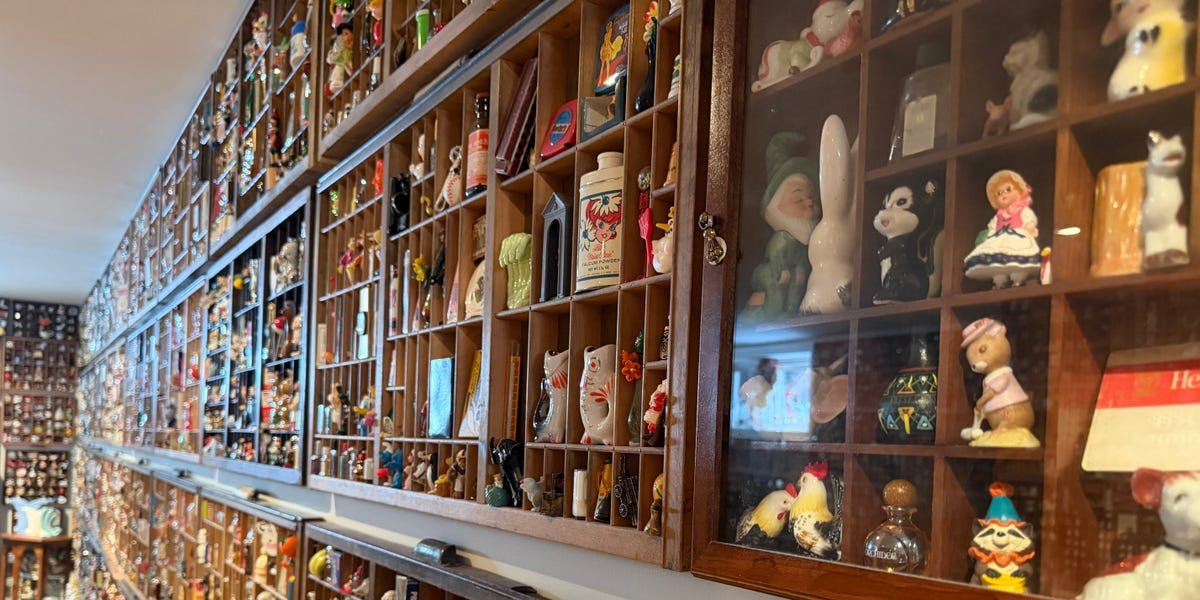
When I was a little girl, I remember having birthday parties at my house and taking my friends down to our basement to see my mom’s huge collection of tiny figures, neatly organised in typeset trays hanging all over the walls. Our entire 1000-square-foot basement had been turned into a sort of antique warehouse.

It all started when my mom was 14, in the early 70s. Her friend had been given a typeset tray and put little items in it. My mom wanted to do the same, so she went to a garage sale and found a tray like the one her friend had.


Photo of woman on cork

Celina Myers’s mom started buying miniatures with the $2 her aunt would give her for her birthday.

Courtesy of Celina Myers


Each birthday, her aunts would gift her $2 to buy a charm for her charm bracelet, but instead of buying a charm, Mom would buy a miniature for her tray.

One after another, typeset trays filled. And this is still happening even today.

My friends love to see the collection

As a kid, my friends loved coming to our house because they wanted to see the collection in the basement. They all jumped from hole to hole to see what new miniature she had added most recently.

My personal favorites were the Spice Girls dolls, crazy bones, and old playing cards. I loved the nostalgic ones most, the ones I remember buying with mom.

Although mom never stopped us from looking at her special finds, she always said that we had to look with our eyes and not touch with our fingers.


Miniature collection

Celina Myers’ mom collected miniatures for 50 years.

Courtesy of Celina Myers


It never occurred to me that her collection was weird. In fact, I thought she was this really cool mom who everyone loved.

Every Saturday, my mom, grandma, and I would head out to the garage sales to find new additions. We called ourselves the Three Musketeers. We’d scan all the knickknacks to see what we liked, what we didn’t have, and what would fit in the typeset box compartments.

Mom also went to antique shops, and I’d add my own Happy Meal items.

It was a family adventure.

This is collecting, not hoarding

We never got rid of anything, but I wouldn’t call this hoarding. I’d call it collecting, because she displayed everything beautifully, always making sure the miniatures were dusted.

When I think about the future of clearing out this space when she’s no longer with us, I sometimes feel intimidated. But she finds so much joy in her collection, and I wouldn’t ever want to ask her to downsize what she has on display.


Miniature collection

Celina Myers says her mom still feels joy looking at her collection.

Courtesy Celina Myers


I’ve told her that one day, I want to open a museum or a breakfast restaurant with her collection behind Plexiglas. I’d call it Joanne’s. Everyone can enjoy it then — that’s what she wants.

Each miniature is a piece of my mom that means so much to her.

She still finds joy in her collection

In the last few years, she’s become severely disabled, and one of her greatest joys throughout has been describing exactly where and when she found a particular miniature, and the story behind it.

Since she can’t get out easily to garage sales and antique stores to find miniatures now that she is in a wheelchair, she loves using Facebook Marketplace and Craigslist. She’ll find something she wants online, and Dad will pack up the wheelchair, and off they go to collect the knickknack.


Miniature collection

Celina Myers is thinking about setting up a P.O. Box so people can send miniatures to her mom.

Courtesy of Celina Myers


After I posted a video of her collection on Instagram, there were 12,000 comments, and mom wanted to read each one. She loved it.

I’m planning to open a PO Box and then post a YouTube video asking people to send her collectibles, along with a note explaining the item and its story.

I know she’ll sit for hours, looking at what’s been sent to her and enjoying the letters that accompany it. It will light her up, make her so happy.


Source link

Im-a-British-mom-in-the-US-who-only-connected.jpeg

I’m a British mom in the US who only connected with other Brits. Now, in my 50s, my closest friends are American.

My move to San Diego came at the end of a long, restless journey around the world.

I left London for Australia at 22, not long after my mom died. I’d spent the final year of her life as her full-time caregiver as she battled with cancer.

When she was gone, I needed to escape my hometown.

I’ll never forget my friend seeing me off, excitedly saying, “You’re so lucky to move to Australia!” I forced a smile because I felt the complete opposite. I was literally running away from my grief.

For the next 15 years, I moved countries every few years, filling my life with adventure while trying to find purpose. Distraction is powerful, and it worked to some degree.

Melbourne came first, then Los Angeles, back to Sydney, and eventually Dubai in the Middle East. I chased my dream of becoming an actor, built a journalism career, and went on overland camping trips through India and Africa.

Deep down, though, I knew I was seeking a “big life” to avoid the sadness of losing my mom.


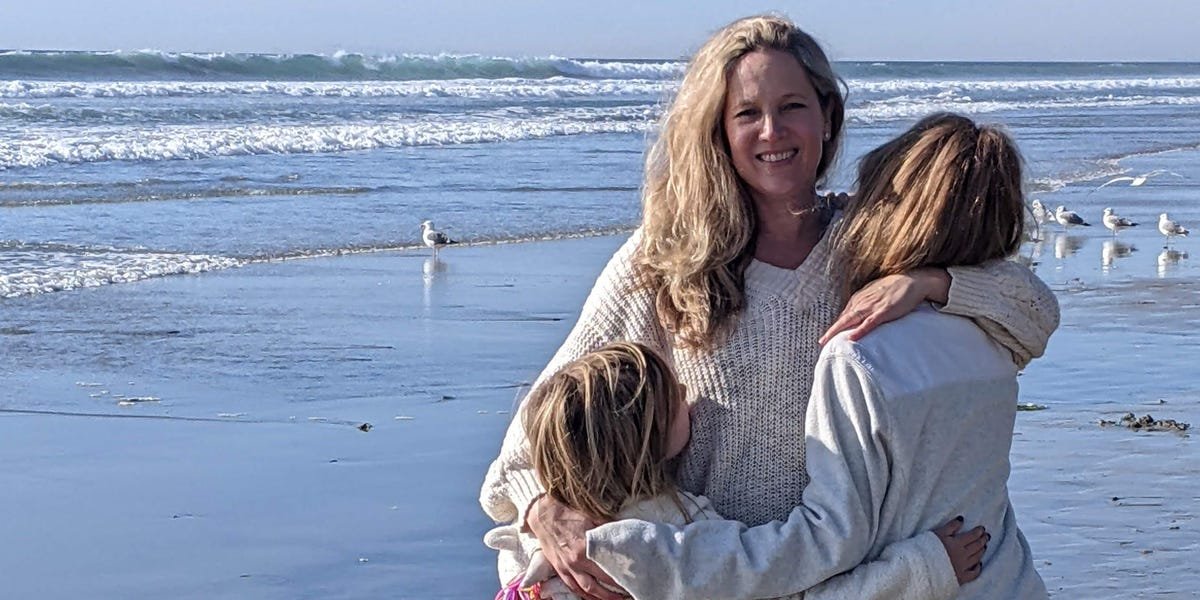
Mother and daughter on the beach together.

Collins left London at 22, after her mom died.

Provided by Madeleine Collins


Building bonds far from home

Wherever I lived as an expat, I formed close friendships with local women — apart from Dubai, where friendships with Emirati women were either discouraged or impossible.

Often, my closest friends were the women I lived with. Some of my roommates had family nearby and folded me into their lives. I spent Christmases with them and found comfort in borrowed families.

None of them were British, and I never sought that out. As a result, some of my dearest friends are now scattered across the globe.

Motherhood changed everything

I met my husband during a vacation to his native South Africa, and we bonded over our shared experiences of travel and adventure.

However, when we moved to San Diego with our baby daughter in 2009, everything — including, apparently, me — changed.

Suddenly, the unknown scared me. Adventure was replaced by Target and Trader Joe’s runs, and surviving sleep deprivation.

I joined local moms’ groups but felt out of sync. The language was different — “dummy” became “pacifier,” “pram” became “stroller” — but the deeper disconnect came from conversations I couldn’t join. Many women had grandparents nearby who helped with childcare or stepped in on weekends. I had no one, and constantly felt like an outsider.

It was hard to tell whether we had anything in common beyond motherhood, and I often wondered whether people assumed I’d eventually move back to England.

Luckily, I found a nearby British mom’s group. One friendship led to another, and soon I discovered a whole network of us in San Diego.

It felt comforting: the shared humor, the homesickness, the feeling of being outsiders together. The kinship was powerful, but it also marked a shift in me that I didn’t like.

The expat bubble I didn’t recognize

At some point, I noticed I’d become someone I didn’t recognize. I often joked that I only wanted English friends — and I meant it. It turned into a casual “them and us” mentality, even though we all felt lucky to live in California.

For someone who had moved country so many times and embraced all the challenges that come with it, I became cocooned in an expat bubble of my own making.

It felt wrong — embarrassing, even — to live in a country while avoiding the people from here. I worried that this smaller, more fearful version of myself was permanent.


A group of four women in their 50s.

In her 50s, she made friends with American women in her book club.

Provided by Madeleine Collins


Turning 50, and opening up again

Then I hit my 50s, and things changed again.

Because I had children in my early 40s, most of my English friends were about a decade younger than me, and they couldn’t relate to my new midlife woes. Mentioning HRT over dinner was met with silence and a sympathetic smile. I found myself prefacing everything with, “Well, because I’m older…”

Around that time, I joined my neighborhood book club, which was made up entirely of American women in their late 40s, 50s, and 60s. They were funny, warm, and deeply interesting. The group included women from all walks of life, from a nanny to a scientist.

After discussing the book each month, conversations quickly turned personal. We bonded over menopause, parenting teenagers, and aging parents. These women became my people.

Finding a sense of belonging

I still value my English friends in San Diego, but my American friendships have instilled in me a sense of belonging.

They laugh at my English-isms, which I love, but I’ve learned that belonging isn’t about shared accents or passports. It’s about shared seasons of life.

While I would still move home to be near my extended family, my husband doesn’t want to, and our children are in the education system here now. This season isn’t changing any time soon, and I’m finally happy about that.

Do you have a story to share about living abroad? Contact the editor at akarplus@businessinsider.com.


Source link