Mothering is a continual history, one that is constantly being written as the work of affirming and sustaining life continues.
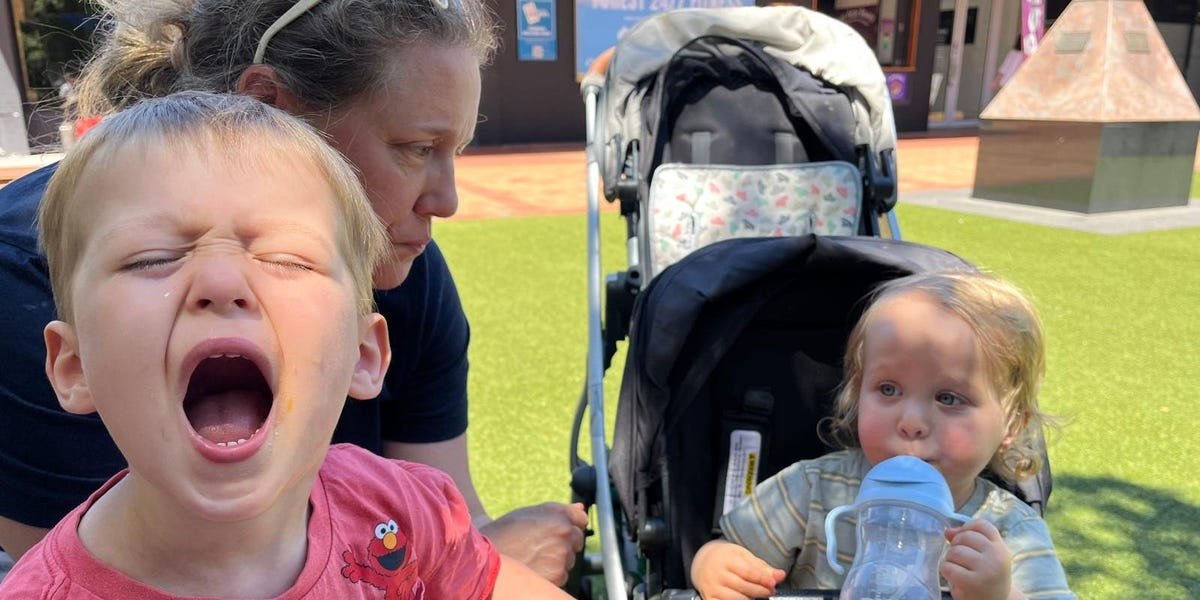
I have been a mother for 18 years. I am past the time when my children needed everything from me, when caring for them subsumed all my time and energy. I look at them now, thoughtful and kind, gentle and funny, and think, I made you. They are entirely themselves; they are their own people.
But I did make them, not only in my body, but with my constant attention and thought, my endless acts of tending that let them know “I am here, I am yours.”
I’ve had a lot of privileges in motherhood
I know how privileged I am to have had the material resources, home safety, and support of friends and family to provide for my children and me. I’ve never experienced the fear of wondering how I was going to feed, clothe, and shelter us. I’ve been able to mother without having to give up my career and surrender my ambitions.
When I became pregnant for the first time, I had the right to choose whether to continue my pregnancy. After I made the choice to become a mother, my health needs and those of my potential child were met by the UK’s National Health Service. I gave birth to my eldest son in the safety of a hospital with the help of informed and experienced midwives. My second son was born at home after a terrifyingly fast and risky labor, but he and I were cared for in an NHS maternity ward for the first 10 days of his life.
All the rights and privileges of my motherhood have been granted to me by the maternal activists, reformers, and change-makers who fought over the centuries for mothers of all kinds to be recognized and respected as people. But these hard‑won cornerstones of liberated mothering are, today, precarious. And for too many mothers, they remain out of reach.
Mothers are resilient
The future, for millions of people who mother, feels horribly uncertain. But the history of motherhood teaches us that this is by no means the first time that patriarchal systems of power have colluded to control mothers’ bodies, lives, and rights. Women have mothered through every past attempt to govern who gets to be a mother. The patriarchy has long insisted that bearing and raising children exempts women from knowledge creation, social inclusion, and political participation. But mothering has always compelled women to contribute to and transform their societies.
The resilience and ingenuity of people who mothered in resistance, against adversity has inspired some of history’s most significant political movements. And the breadth of thought that has sprung from the experiences of bearing, birthing, and caregiving has enriched culture in immeasurable ways.
I feel so grateful to be a mother at a time when what it feels like and means to do the work of mothering, in all its diversity, has been brought so meaningfully into the cultural conversation. My own identity as a mother and my relationship to mothering have been molded by the thought, art, and activism of the many writers and artists who, over the last 50 years, have made motherhood a subject of serious inquiry and a source of incredible creativity.
Many extraordinary writers have illuminated the personal meanings and political significances of mothering and maternity. They have challenged the oppressions and suppressions of mothering and maternal knowledge. They attested to the diversity of maternal experience and revealed that the personal experience of being a mother can be inherently and powerfully political. And they showed how mothering holds within it everything that makes us human — fear and persistence, uncertainty and longing, strength and vulnerability, and love.
There is no end to the history of mothering
The patriarchy might try to repeat its history, but mothers always have and always will rewrite it. Across our mothering history — the resilient, collaborative, tender, and powerful history of caring for children, ourselves, our communities, and our societies — we have weathered such storms before. Mothers have ensured their stories and experiences would not be erased. Since antiquity, midwives and maternity caregivers have fought for birthing people and mothers to be believed, trusted, supported, and respected.
Thanks to Mary Wollstonecraft, Francis Ellen Watkins Harper, Sojourner Truth, Johnnie Tillmon, and many others, motherhood has been at the very heart of political and social change. Every person who has ever mothered or been mothered understands that the work of mothering is the work of living.
There is no end to the history of mothering. Every person who mothers is carrying this history with them, as they forge through the uncertainty, holding hope in the hands that hold us all together.
Mothers make history. And as mothers continue this history, their mothering will make the world.
Adapted from “A Woman’s Work: Reclaiming the Radical History of Mothering” by Elinor Cleghorn. Copyright 2026 by Elinor Cleghorn. Published by Dutton, an imprint of Penguin Random House.