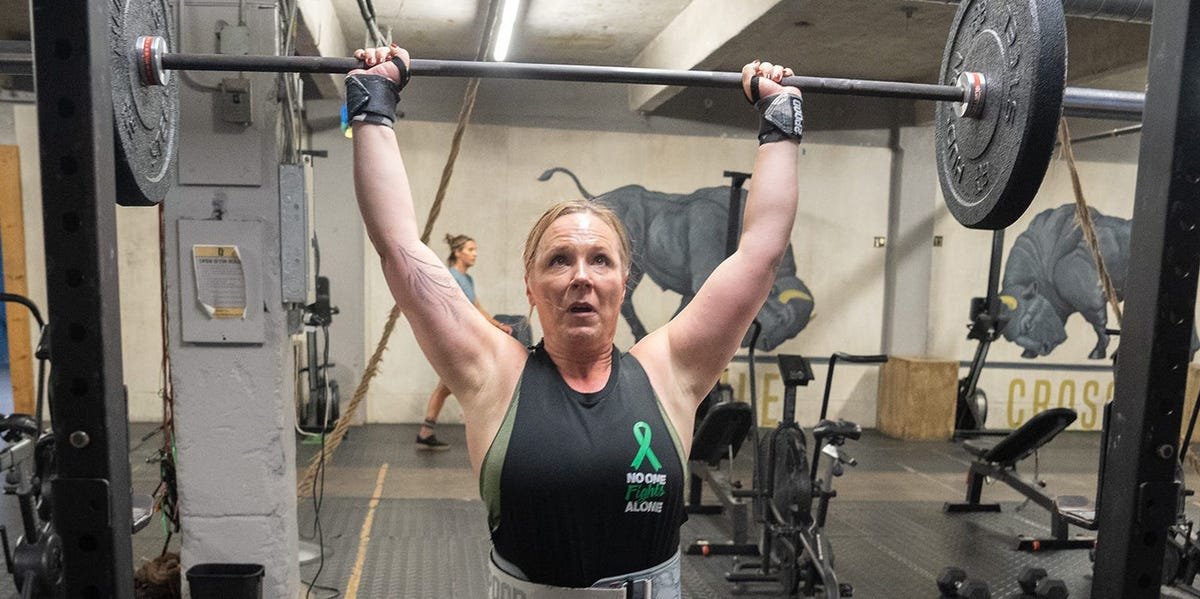
I could never stick to food-tracking weight loss apps for more than a few days.
I’d quickly get frustrated when I couldn’t find the exact product on the app’s database or recall the portion size I consumed, which is important when tracking every calorie.
Plus, over time, as my knowledge of nutrition developed, I didn’t want to just focus on calorie restriction or fat loss. I also wanted to build muscle mass and eat more fiber, which wasn’t the primary goal of the apps I used.
So, I tried using ChatGPT to track my protein, fiber, and calorie intake for two weeks. I hoped it would be better at recognizing larger patterns in my eating habits, which could help me tweak my diet.
Every day, I typed everything I ate and drank into the same chat conversation. I included the estimated amounts, brands when applicable, and specific restaurants I visited. It felt easier to dump everything into one chat instead of searching for each individual product like I did on food-tracking apps.
I also included how many calories I burned in my Orangetheory classes (as estimated by a heart rate monitor I wore in class), how many steps I walked, and how many calories I burn at rest, which I learned from my latest body composition analysis.
ChatGPT/Julia Pugachevsky
I’m not the only one using AI to fine-tune my diet. Lately, Shannon O’Meara, a registered dietitian at Orlando Health, a healthcare organization in Florida, has seen patients use AI to whip up recipes based on what’s in their fridge or within their budgets. I asked her to help me assess how helpful ChatGPT’s advice was, and if she’d recommended using it for diet tips in general.
“There are a lot of positive aspects,” she said, noting that, as with any AI-related task, how you interact with the technology determines the results. “You’re only going to get out what you put in,” she said.
By the end of the two weeks, I got better at choosing protein-rich meals, which helped me stay fuller without relying on empty calories.
Here’s where AI was useful, and where it fell short.
AI gave sound advice on sneaking more protein into my diet
Julia Pugachevsky
Based on the advice a Life Time trainer gave me in January with the aim of helping me build muscle mass and lose fat, I’d been aiming to consume between 90 to 100 grams of protein a day, particularly on the three to four days per week that I work out. I’d consume a full scoop of protein powder and eat meal-prepped, protein-forward dinners, but still struggled to hit the target.
I tended to drop off on rest days, omitting the protein powder because I didn’t want to consume more ultra-processed food than I had to. Those were days I was also more likely to be in the office or going out after work, where I could lose track of my protein goals.
ChatGPT advised aiming for at least 80 grams of protein on rest days — slightly more doable.
ChatGPT/Julia Pugachevsky
I liked when ChatGPT encouraged me to eat more food and make more helpful, satiating choices, such as Greek yogurt over chips. I also appreciated that, even though I forgot to mention that I’m a pescetarian, ChatGPT seemed to have picked up on my habits from my meal outlines, and never suggested products like meat sticks.
Looking at the protein advice ChatGPT gave me, O’Meara said the tips made sense. “Those are protein-containing foods, so I think it sounds fine,” she said.
Her only concern was who set the nutrition goal: a professional — such as a doctor, dietitian, or personal trainer — or AI?
“If you want to hit a certain calorie or protein goal, just make sure those goals are sound,” she said.
AI was great at recognizing hidden eating patterns that made it harder to lose fat
Julia Pugachevsky
One of the biggest perks of using ChatGPT was how quickly it identified patterns in my eating, which helped me to make more conscious decisions around my meals and snacks.
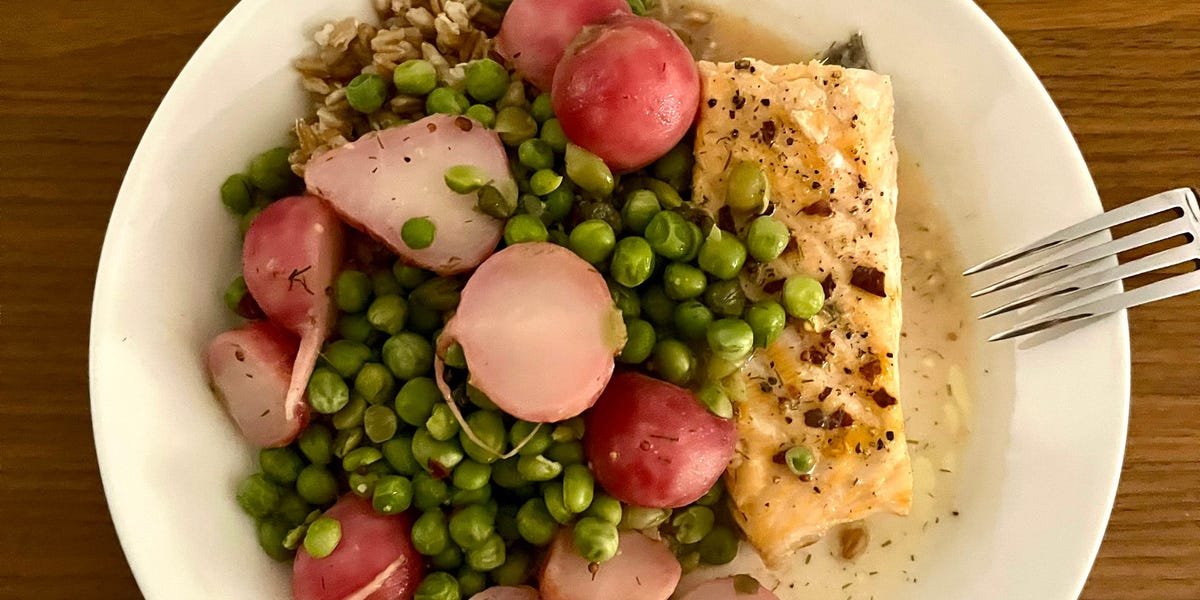
I realized that I essentially had two modes. Half the time, I’d finish my morning Orangetheory class, chug my protein shakes, and eat my meal-prepped sheet pan salmon dinners. I normally abstained from alcohol on these days.
The rest of the time, I’d walk for exercise (the length of walking greatly varying), generally eat less protein, and have no limitations at dinners out. I’d get drinks, order appetizers, and split desserts, feeling like I’d earned it.
ChatGPT/Julia Pugachevsky
ChatGPT taught me that a few tweaks on my rest days could better set me up for success. It suggested doing more steps, and making cuts to help achieve my fat loss goal, like dialing down the cheese in salads or using slightly less peanut butter in my morning oats.
O’Meara said noting patterns — such as consistently surpassing calorie goals — makes it easier to course-correct. “If someone does tend to go over on calories, limiting that extra stuff could really help with actually getting to whatever your calorie goals are,” she said. “Maybe we cut back on the portion sizes, but we don’t have to totally eliminate the food from your diet.”
Julia Pugachevsky
O’Meara’s only concern was that AI was responding to a pattern, not a one-off indulgent dinner, when recommending cuts. She said it’s good to pay attention to how often you overeat, to see if it’s a pattern actually worth tweaking.
“Honestly, the issue I have with most of my patients is that they don’t eat enough,” she said. Being in a major calorie deficit, such as eating as little as 1,200 calories a day, can backfire and slow your metabolism.
Some of the tips felt restrictive
Julia Pugachevsky
ChatGPT seemed to give me trustworthy advice. It’s just that sometimes it felt overwhelming to hear that, despite burning 538 calories in the morning, I should slow down on the goat cheese in my grain bowl. It was a little demoralizing, after eating the majority of my protein-centric meals at home, that I should feel a little bad for having a cocktail with a slice of cake.
What was worse, ChatGPT always couched these notes with lots of faux cheerfulness, reassuring me that I was on the overall “right track.” It felt condescending after being told to not “free-pour” my homemade salad dressing.
ChatGPT/Julia Pugachevsky
“AI is essentially a robot, it’s going to give you that robot response,” O’Meara said. Unlike a dietitian, it’s not going to think about the emotional benefits of a dinner out with friends where no one utters the word “macros.”
Unless prompted, it might also give you more restrictions than swaps. A dietitian, O’Meara said, might suggest a mocktail or cutting back on appetizers if you really want the dessert and drink.
Overall, I was very impressed with how easily I tracked my eating habits with ChatGPT, and I was left with clear action steps. I got closer to building more muscle mass and cutting back on fat, and believe the habits helped me lose a pound since I started.
I also felt like a computer speaking to another computer, obsessively reducing my life to calorie and step counts. I took my Americanized gym rat lifestyle to its final conclusion, all the while imagining a chiller European sitting on a lawn somewhere, laughing into their buttered baguette.
It really made me want a glass of wine — with a side of dessert.