
Im-a-TSA-agent-and-my-most-recent-paycheck-was.jpeg

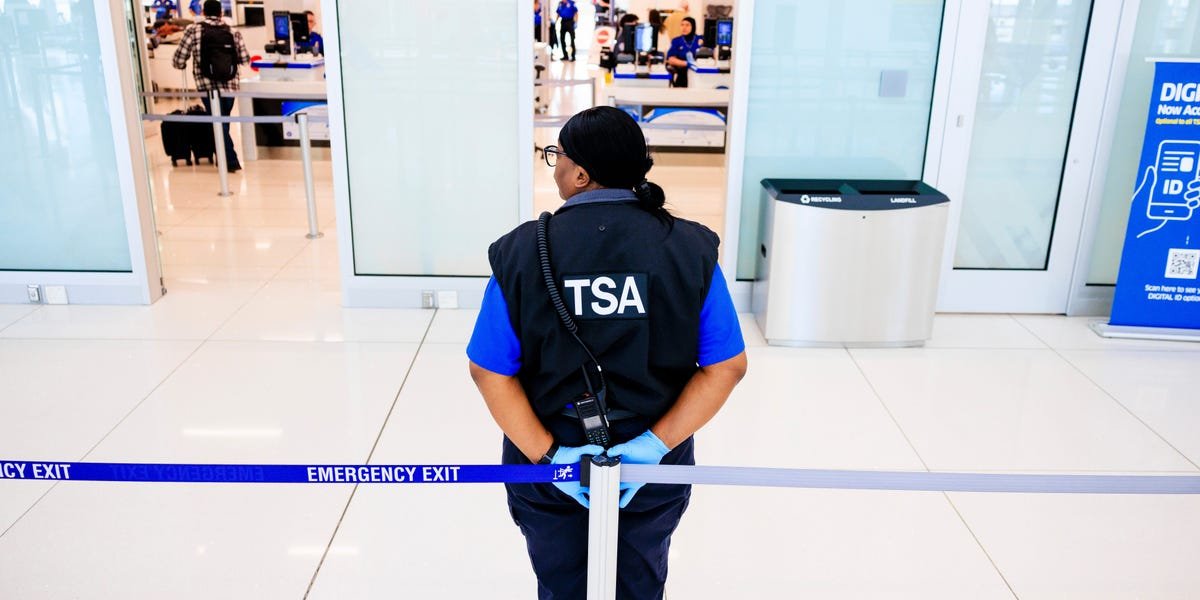
I’m a TSA agent, and my most recent paycheck was just $4 thanks to the government shutdown. I can’t afford rent.

This interview is based on a conversation with Sharre Quick, who is a TSA agent in Nevada. It has been edited for length and clarity.

I have worked for the Transportation Security Administration for years. Every day, I put on my uniform and report to work to help keep America’s travelers safe.

Like thousands of other officers across the country, I am part of the workforce that protects our skies through the Department of Homeland Security.

But right now, I am doing that job without being paid. My last paycheck was $4.27.

This is my second major government shutdown since joining DHS

The first time I experienced a government shutdown while working in the DHS, I had to swallow my pride and visit food pantries organized by my employer to help TSA officers who suddenly had no income. I never imagined that protecting the country would one day mean standing in line for food.

What makes this even harder is that federal employees like me cannot simply go find another job to make ends meet. We must receive prior approval before working anywhere else. That means when the government stops paying us, we are essentially stuck, expected to work full time without a paycheck while our bills continue to pile up.

The reality is that there were only three months between government shutdown threats and instability before we were right back in the same position again. Three months is not enough time to rebuild savings, pay off loans, or recover financially from the last crisis.

I’m struggling financially

My recent paychecks are not enough to buy a gallon of gas in my city. It’s certainly not enough to feed a family, pay rent, or keep the lights on. Yet like every other TSA officer, I am still expected to show up to work.

Meanwhile, the world outside government keeps moving. Rent is still due. Utility bills still arrive. Groceries still cost what they cost. And bill collectors do not care that federal workers are not being paid.

The financial stress has taken a real toll. I’m exhausted, stressed, and physically ill from the anxiety of trying to survive while doing a job that requires focus, vigilance, and professionalism. We are responsible for protecting millions of passengers, but we are doing it while wondering how we will pay for our next meal.

I wish people understood how difficult this has been

When people travel through the airport, they see TSA officers checking bags, scanning boarding passes, and monitoring security lines.

While they thank us for our service, what they don’t see is the burden many of us are experiencing as we wonder how we will pay our bills.

Yes, we are government employees. But we are also private citizens with families, rent, car payments, and medical bills. We are expected to report to work every day, even without pay, because our jobs are considered essential. But the financial strain is crushing, and I sometimes feel like no one cares.

The safety of our nation’s transportation system should never depend on workers who are struggling to survive. Because when the government shuts down, the consequences don’t just appear in Washington. They show up in paychecks like mine.


Source link

I-quit-my-job-because-I-couldnt-afford-to-rent.jpeg

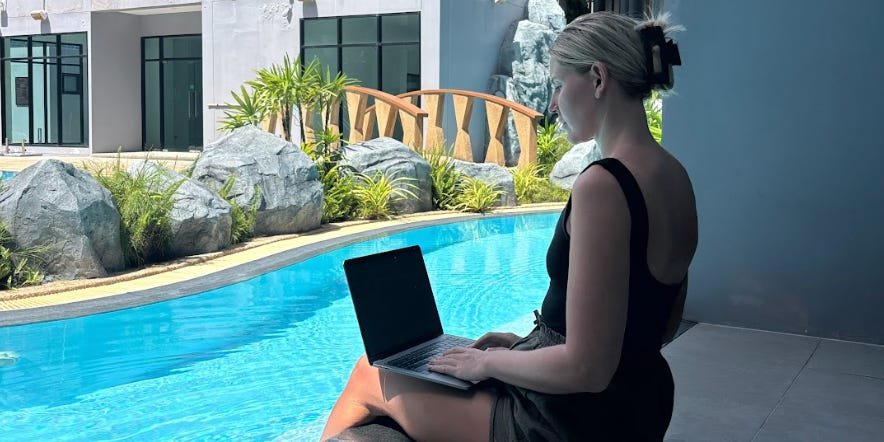
I quit my job because I couldn’t afford to rent or buy a house. I then moved to Thailand, where the cost of living is cheaper.

My stable job in the UK allowed me to save, but rental prices in my area would have taken up a huge portion of my income. Each month, I withdrew from my savings as everyday expenses became luxuries. I still had bills to pay, such as car finance, insurance, gas, phone, and a contribution to my parents’ mortgage.

I couldn’t move out of my parents’ house at 28. My goal was to buy my own place, but this was unrealistic. Renting was just as high as a monthly mortgage payment. Saving for a down payment while renting in the UK was impossible on a single average salary.

Even though I was employed, I couldn’t afford the life I wanted. I felt like I was surviving, not living. I was craving financial freedom and independence, but the UK couldn’t offer them.

Two years prior, I had traveled around Thailand and fallen in love with the food, the pace of life, and the value for money. It was a country that had always been on my mind, and eventually I reached a point where I couldn’t live comfortably in the UK anymore. I felt financially stuck and embarrassed that I was still living with my parents.

The only way out was to quit my job, become a freelancer, and relocate to Bangkok — a city filled with opportunity where housing costs half as much as in the UK.

Staying in the UK no longer felt sustainable

For months, I was figuring out what to do. I could spend years trying to catch up, or I could change my environment and live a more affordable lifestyle.

After researching Thailand and reminiscing about my travels there, I realized it was the perfect country to start my own business as a freelance writer.

While I was backpacking there previously, I ate freshly cooked meals for as little as $1. I looked into rental listings in Bangkok, and I was shocked. A modern one-bedroom condominium with a gym and swimming pool costs as little as $400 a month.


Sally seaton sitting at a table in a restaurant with bangkok skyline in the background

The author in Thailand.


In comparison, the average rent in my area of the UK was around $1,200 — more than a third of my monthly salary before bills. In Bangkok, I could pay half that and have more space and amenities.

I had been building a freelance writing business alongside my 9 to 5 job to create freedom to live in Thailand. By the time I decided to leave, I had one client secured. It didn’t guarantee stability, but there was no positive future for me in the UK.

Last June, I handed in my notice and booked a one-way flight to Bangkok. Within a month, I said my goodbyes, packed up my life, and left the UK behind.

My life in Thailand costs less, I get more, and I’m happier

Moving to a new country alone and starting my own business was terrifying, but I knew it would eventually give me the financial independence I couldn’t find in the UK.

Now that I’m my own boss, I still work hard. But the difference is that I’m building something for myself. In the eight months I’ve lived in Bangkok, my client base has grown. I earn slightly less, but my money stretches further.

I rent my own condominium for $500 a month, which includes a swimming pool, a gym, and a coworking space. My electricity bill is $40 a month, and water costs just $2.

Things that once felt like luxury in the UK are now part of my everyday life. I buy fresh fruit from local markets. I pay $6 an hour for a weekly cleaner. I don’t cook; I eat out every day without calculating whether I should skip it to save money.

Getting around is affordable, too. I no longer own a car. A train journey costs around $1, and bike rental rides start at $1.

Since moving to Thailand, I’ve embraced what the Thais call “sabai sabai” — a stress-free way of life. For the first time in years, I feel fulfilled, financially free, and happy.


Source link

I-moved-to-Coral-Gables-for-my-dogs-Im-spending.jpeg

I moved to Coral Gables for my dogs. I’m spending almost $2,000 more in rent, but we get to walk everywhere.

I’ve learned that there are three types of dog owners in the world: those who have dogs but treat them like pets with basic needs, those who absolutely love their dogs and spoil them, and those who treat their dogs like children.

I’m proudly in the third category.

I grocery shop for my dogs so I can home-cook their meals. I buy them Christmas presents, post photos of them on their Instagram account to more than 12,000 followers (whom I reply to on their behalf), take them to photoshoots and brand partnerships, and got them European passports so I can take them on vacation with me.

Not only that, but I play Bluey, SpongeBob SquarePants, and meditation music for them while I’m busy working to keep them entertained. I let them lick my vanilla ice-cream cone, and they sleep in my bed, cuddled under the covers at night.

But all of those things directly align with my lifestyle and the tasks I already do regularly; however, six months ago, I did the most drastic thing in my life for their benefit. I moved zip codes, prioritizing their well-being.

I chose a neighborhood where I could walk with them everywhere

Last year, while deciding where to move, I focused on finding a neighborhood where I could walk almost everywhere and bring them with me, while feeling safe walking at any hour of the day or night. After researching the best neighborhoods in the city for dog parents, all signs pointed to Coral Gables — one of the most expensive and also most dog-friendly areas in Miami.


French bulldogs on bed

The author is paying almost $2,000 more in rent for her dogs to have a better lifestyle.

Courtesy of the author


Moving to Coral Gables from Doral meant switching from an apartment with a $2,500 monthly rent to one with a $4,700 a month rent. While that is a drastic shift in rent pricing I’m choosing to make, given my current priorities and the lifestyle I want my dogs to have, it makes sense. People always say, “You’re paying for the location,” and quite frankly, that’s never felt more true to me.

Many of the residential buildings in Coral Gables allow pets, which takes the stress off people who need to move but can’t find dog-friendly places. Since the dog culture is so pronounced in this part of Miami, many buildings make it acceptable to have more than one dog.

I moved from Europe to Florida with my dogs

I lived in Europe for nearly five years — three of them in London, then the South of France, and finally Rome — before moving back to Florida in 2022. While in London, I became a dog mom after someone gifted me Bentley for Christmas.


Woman in Rome with dogs

The author moved from Europe back to Miami with her two dogs.

Courtesy of the author


During my time in Europe, I never owned a car because public transportation made getting around effortless. When I moved to Miami, that was what I missed most. Since moving back, I’ve been eager for something that comes as close as possible to the life I lived in Europe, with the dog-friendly energy that comes with it.

My French Bulldogs have many special needs. Being brachycephalic, they can only walk at certain temperatures, which means our walks have to happen during specific hours of the day so it’s not too hot. They also need to maintain a healthy weight, since excess weight can affect their backs and ligaments. Frenchies are prone to skin allergies as well, which I’ve never seen manifest in mine — and I credit that to their fully home-cooked diet.


Dog in the alps

The author wanted a lifestyle that allowed her to take her dogs with her.

Courtesy of the author


While we often get compliments at the vet for being among “the healthiest Frenchies” they’ve ever seen, that level of care comes with real responsibility and sacrifice. Owning a French Bulldog means shaping your lifestyle around its health and wellness needs. I never planned to have this breed, but life had other plans, and I ended up with two that I love with my whole heart.

They’re my buddies, my besties, and I’m grateful I found a place in Miami that makes me miss Europe a little less — while giving me more time to simply be with them and involve them in my daily activities.


Source link

We-sold-our-house-in-Utah-to-rent-in-Denver.jpeg

We sold our house in Utah to rent in Denver. The move was a big financial risk, but it was worth it.

Sometimes, a decision doesn’t make sense on paper, but it just feels right to your soul. That’s what my family’s big move was like.

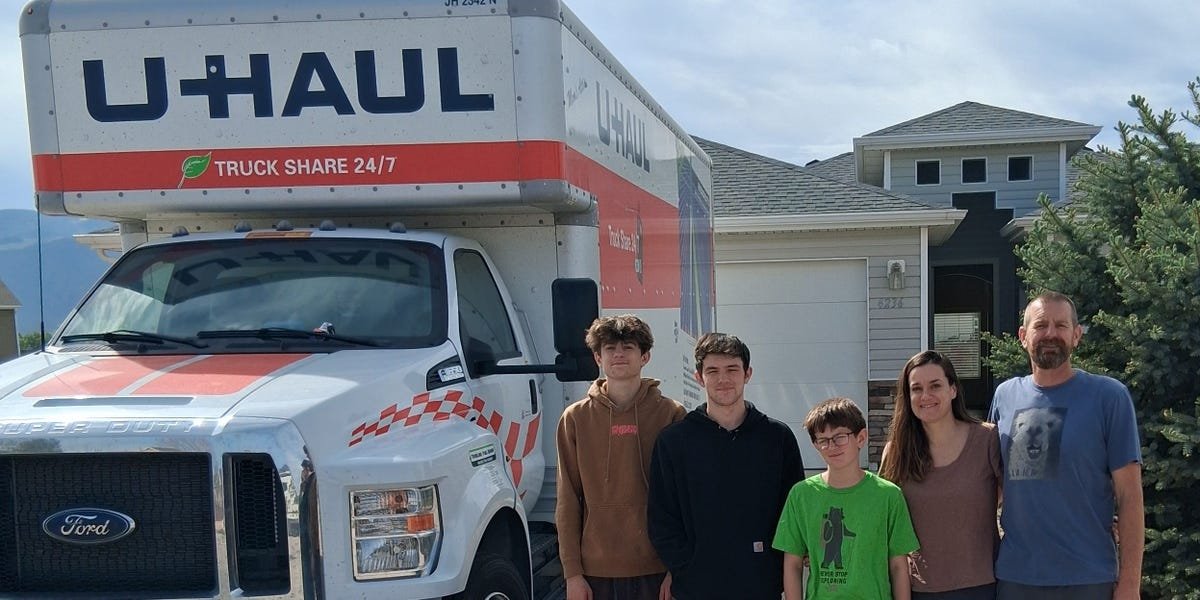
Last year, our family of five sold our affordable home in rural southern Utah to move into a more expensive rental in a Denver suburb.

We had wanted a change for a long time, and the timing finally felt right. We could’ve stayed where we were “safe” financially, but all our family members were struggling in different ways.

I couldn’t shake the feeling that nothing would really get better until we were brave enough to make a big change — so we did.

Moving from Utah to Denver was a difficult financial decision

One of the hardest parts to accept about moving was leaving our extended family and a house that we had lived in for 13 years.

Even more difficult was that our house in Utah was affordable. We were privileged to buy a house when prices were reasonable, and mortgage rates were low. We would have moved a long time ago, but we felt stuck in a home we had outgrown because it was cheap.

We knew that if we sold our house, we would be paying a lot more elsewhere. But the decision still felt right for our family.

We figured Denver was worth the price increase

We chose a Denver suburb because we love the outdoors and also miss the opportunities that a city provides. We have friends in the area, so we knew we would have a community once we arrived.


Katy Anderson's kids in nature in denver

The author’s kids enjoy Denver’s nature.

Courtesy of Katy Anderson


We chose an area known for its “small town feel.” As soon as we moved in, I immediately fell in love with the neighborhood. We are surrounded by an abundance of mature trees, and are within walking distance of wonderful trails for walking and biking.

I’ve been amazed at the wildlife around us, especially considering we live in a Metro area.

Just walking the trails in our neighborhood, we’ve seen rabbits, coyotes, elk, raccoons, turkeys, and many different species of birds. We feel closer to nature here than we did in rural Utah.

After living here for a few weeks, we decided to purchase e-bikes so we could ride much farther along the trails, including to coffee shops, restaurants, city gardens, and parks.

This area also provides us with access to shopping, museums, concerts, and sporting venues. After living in a secluded town for so many years, having these amenities feels like a luxury.

We’re saving money in other ways

Our rent is high in Denver, and that has been the biggest adjustment.

Before we made the move, I was also worried about the cost of living, but I have been pleasantly surprised. Our kids even get free school lunch thanks to a statewide Healthy School Meals for All program. My kids have all commented that the food is of better quality. They actually want to eat the school lunches here.

We are paying much less for gas in Colorado, as we are driving substantially less. In Utah, we lived on the outskirts of town and had to drive 15 to 20 minutes to get to work or to the nearest grocery store.

When we moved to Colorado, we also immediately ended most of our subscriptions and streaming services. We’ve cut down on our discretionary spending and are eating more family meals at home.

We also chose jobs that would help us adjust to our new housing costs

We knew we would be paying more for housing no matter where we moved, so we chose a location with ample work opportunities. My husband is a psychiatric nurse practitioner, and I have picked up a part time job in addition to my freelance writing business.

We are all making more money in Colorado than we could in Utah, where the minimum wage is still $7.25 per hour. Two of my teenage sons were amazed when they realized how much more they could earn in their new city.

Right now, we are enjoying the freedom of renting. Buying a home in this economy feels daunting, and we want to take our time exploring Colorado to see where we may want to buy if it feels right.

For now, I am grateful that my kids have a chance to experience living in a bigger city with more diversity and opportunities. Overall, I feel like we fit in here in a way that we never did in our old town, and that is priceless.


Source link