
A-Silicon-Valley-airport-is-easing-travel-snarls-with-its.jpeg

A Silicon Valley airport is easing travel snarls with its newest hire: ‘José’ the robot

One of Silicon Valley’s main airports just made its newest hire, a robot named “José.”

San José Mineta International Airport is turning to artificial intelligence to ease the strain of modern air travel, debuting “José,” a humanoid robot, as some US airports grapple with staffing shortages and widespread delays.

Developed by Silicon Valley startup IntBot, José is designed to greet passengers, answer questions, and provide real-time updates while autonomously navigating busy terminals.

The robot will be stationed in SJC’s Terminal B as part of a four-month pilot, “singlehandedly running his own gate,” according to an email previewing the test that referred to José as the airport’s “newest hire.”

Airport officials said the launch highlights San José’s role as a testing ground for emerging technologies to improve customer service.

“By piloting IntBot, we’re exploring how artificial intelligence can enhance the passenger journey while reinforcing SJC’s role as the gateway to Silicon Valley,” said SJC Director of Aviation Mookie Patel.

The timing is notable. Airports across the US have been hit by long security lines and travel chaos, driven in part by many Transportation Security Administration workers not reporting to work during a partial government shutdown. With TSA agents going unpaid at the height of the spring break season, some airports have struggled to maintain normal operations.

José the robot represents a broader push to automate parts of the airport experience, from passenger assistance to information delivery.

SJC officials said the pilot will help evaluate how multimodal AI, combining vision, audio, and language, performs in real-world environments.

The future of air travel may include a robotic helping hand — and it can’t come fast enough for weary vacationers stuck in long lines.

Sign up for BI’s Tech Memo newsletter here. Reach out to me via email at abarr@businessinsider.com.


Source link

Figure-AI-CEO-says-over-170000-people-have-applied-to.jpeg

Figure AI CEO says over 170,000 people have applied to his robot company in the last 3 years. He hired fewer than 500.

A humanoid robotics startup in Silicon Valley appears to have an acceptance rate lower than any Ivy League university.

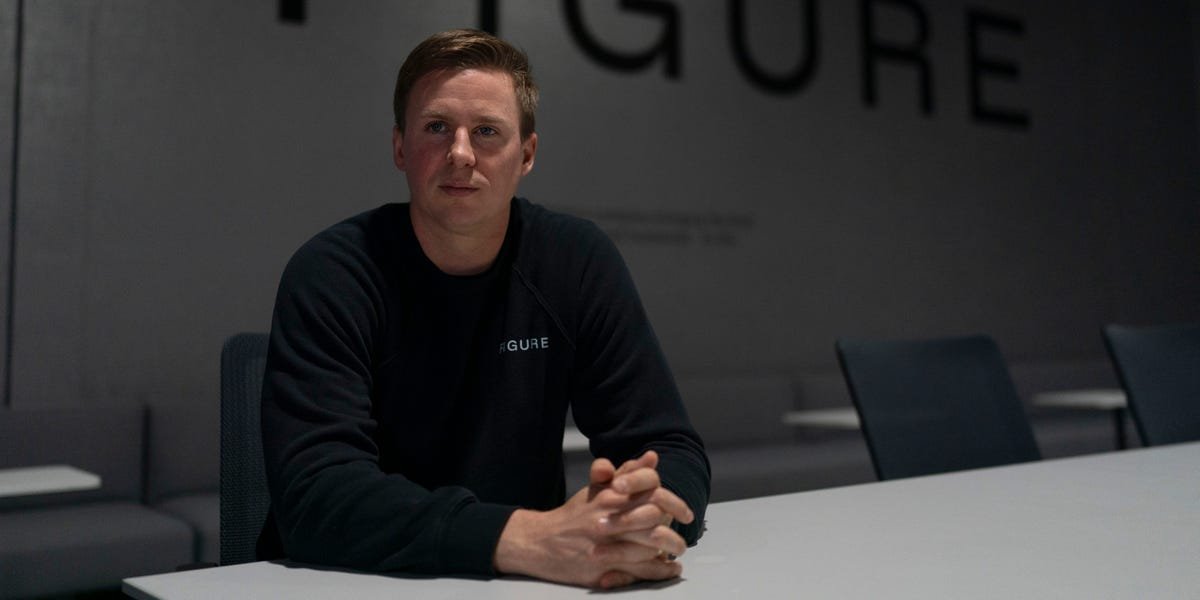
Figure AI has been flooded with résumés since its founding in 2022, according to the startup’s founder and CEO, Brett Adcock.

“Just checked, 176,000 job applications at Figure the last 3 years,” he wrote in an X post on Saturday. “We’ve hired ~425 people.”

That amounts to a hiring rate of about .24% within the three years. Adcock wrote that most of the submissions were “slop.”

The spread of the 176,000 applications over the three years is unclear. Adcock did not immediately respond to a request for comment.

Even if the number of applications were divided equally among the years Figure AI was operating — just under 59,000 applications a year — the acceptance rate would still be lower than that of the hardest university to get into. Caltech had the lowest acceptance rate of 3%, according to US News & World Report’s rankings list.

Adcock wrote in the comments of his X post that the review process has been a slog.

“We go through these one by one like a monkey — it’s incredibly time consuming,” he wrote.

According to the CEO, the “ATS” or applicant tracking system — a software employers use to sift through résumés — can’t save a lot of time if a company is being barraged with hundreds of thousands of applications.

“In the ATS it takes at least 20 seconds of button clicks per submission even if it’s garbage,” he wrote.

Adcock did not immediately respond to a request for comment.

A company like Figure AI sits right in the intersection of two trends within the job market.

Today’s job candidates aren’t applying to just a handful of roles. Business Insider’s chief correspondent Aki Ito reported that the average job opening saw 242 applications, citing data from Greenhouse, a leading ATS platform.

“Applying to a job in 2025 really is the statistical equivalent of hurling your résumé into a black hole,” Ito wrote.

On the other hand, Figure AI operates in one of the hottest spaces of the tech industry, that is, robotics and artificial intelligence.

Top tech firms like Meta and OpenAI are in the midst of an AI talent war, offering up to seven- to nine-figure pay packages just to poach superstar AI researchers.

Even tech startups are scrapping for AI talent, floating higher equity packages and other perks that may not come as easily at a big company, such as a co-founding title or more time for research.

Figure AI happens to be one of the leading names in the humanoid robotics space.

The company recently raised more than $1 billion in its Series C funding round — with backing from Parkway Venture Capital, Brookfield Asset Management, and Nvidia, among others — for a $39 billion valuation.

Adcock said on X that he may need to find another way to sift through résumés.

“Need a model to do this for us better, maybe I’ll work on one,” he wrote.


Source link