
Some-ships-are-sailing-through-the-Strait-of-Hormuz-Others.jpeg

Some ships are sailing through the Strait of Hormuz. Others are turning around. Here’s what ‘completely open’ looks like for now.

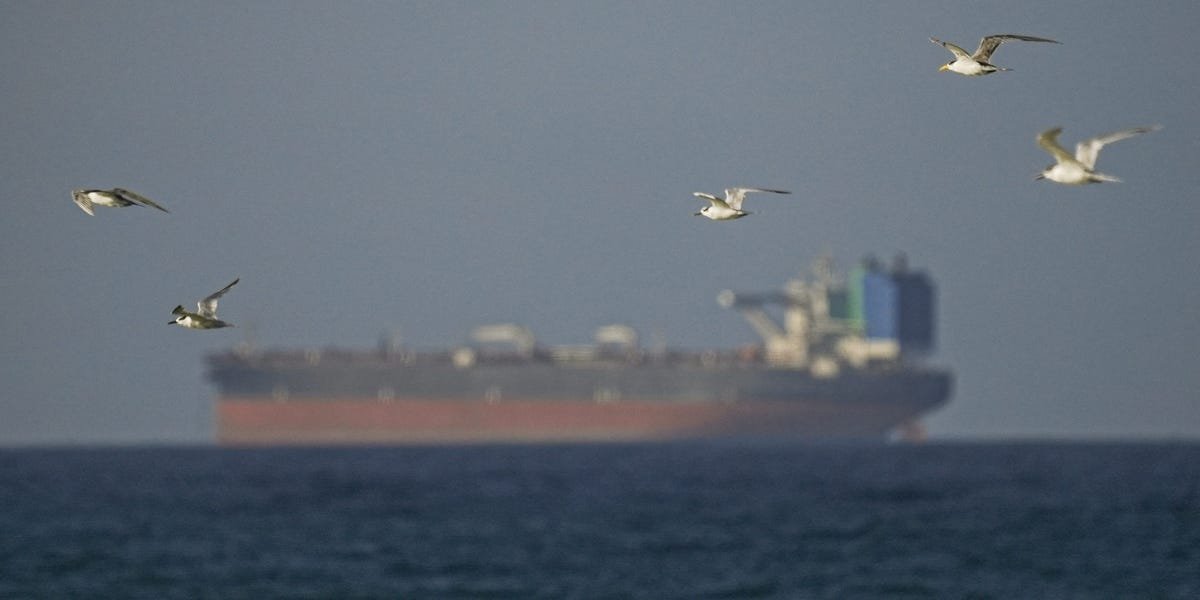
Iran announced Friday morning that the Strait of Hormuz is open for maritime traffic, and mid-afternoon data showed that commercial vessels were passing through the strategic waterway, though only a small number.

Friday evening, a large group of vessels sailed toward the strait but inexplicably turned away, ship-tracking data shows, raising questions about the status of this critical chokepoint.

Opening the strait has been a central demand since the start of a fragile ceasefire earlier this month and amid the ongoing negotiations between Washington and Tehran.

Seyed Abbas Araghchi, Iran’s foreign minister, said in a statement on social media Friday that “the passage for all commercial vessels through Strait of Hormuz is declared completely open for the remaining period of ceasefire, on the coordinated route as already announced by Ports and Maritime Organization of the Islamic Rep. of Iran.” The announcement follows a ceasefire between Israel and Lebanon.

Iran’s coordinated route appears to refer to previously released guidance that takes ships through the northern part of the waterway closest to Iran, which has said that the route was determined by security needs. Separate from Iranian considerations, US forces have been working to establish safe passage in the strait, where mines continue to represent a potential threat.

Shipping organizations have had mixed reactions. Some welcomed the news as a positive signal, while others urged caution. It is unclear how much has changed with Friday’s announcement from Iran.

President Donald Trump acknowledged Iran’s Friday statement in a Truth Social post, writing that “Iran has just announced that the Strait of Iran is fully open and ready for passage.” The market reaction to the announcement saw stocks climb higher and oil fall.

The strategic Strait of Hormuz is a narrow chokepoint linking the Persian Gulf to the Gulf of Oman and a major artery for global shipments of oil and natural gas.

MarineTraffic data from Friday afternoon showed that just over half a dozen commercial vessels had transited the strait since the announcement.

Data from KPler, a real-time trade intelligence platform, showed that eight commercial vessels had crossed as of 2 pm EST Friday compared to five on Thursday. The data refers to commercial fleets of crude tankers, LPG, LNG, and dry bulk vessels. Containerships are not included in the count. But by the evening, new data showed ships were turning back.

The limited number of ships that have gone through is a fraction of the pre-war normal. Before the war, the strait saw an average of over 120 transits daily.

Earlier in the week, days before the announcement on the strait, US Navy warships set up a blockade of Iranian ships and ports. Trump said the blockade will remain in effect until Washington and Tehran reach a deal to end the war.

US Air Force Gen. Dan Caine, chairman of the Joint Chiefs of Staff, has highlighted the role of the Navy’s Arleigh Burke-class destroyers in the blockade during a briefing Thursday but didn’t specify numbers involved.

Dozens of surveillance aircraft, refueling planes, and drones are also involved in the blockade. US Central Command, which oversees operations in the Middle East, said Friday that 19 vessels have turned around to comply with blockade restrictions since it began on Monday.

The US set up the blockade amid a tenuous ceasefire between the US and Iran, which was reached after more than a month of war. US military leaders have asserted that American forces remain poised to resume combat operations should the negotiations fail.


Source link
Ive-worked-on-cruise-ships-for-years-Here-are-6.jpeg

I’ve worked on cruise ships for years. Here are 6 things passengers should pack and 5 they shouldn’t.

After about a decade of working on cruise ships, I’ve helped a lot of passengers navigate tricky situations at sea and in ports.

I’ve also learned that many people, especially first-time cruisers, don’t know how or what to pack for this unique traveling experience.

Fortunately, I’ve become quite efficient at packing for trips at sea.

Whether you’re bringing a 50-pound suitcase or just one backpack, here are a few things you should and shouldn’t bring on your cruise.

Protect yourself from the sun with headgear and lots of sunscreen


Brown sun hat on handle of white suitcase

The sun can be very strong in some destinations. 

Nakayama Toshio/EyeEm/Getty Images


Bringing UV protection may seem obvious, but the sun in most cruise-friendly places can be very harsh and may have you burning in no time.

At sea, the sun can also feel a lot stronger than what you may be used to — especially on Caribbean trips.

I’ve seen the tops of many heads get red an hour into a tour or pool day. So, make a conscious decision to protect your head with hats or scarves throughout your trip.

Pack lots of sunscreen, too. Otherwise, you’ll have to buy it on board or in a port, where it’ll likely be a lot more expensive.

Motion-sickness pills can come in handy

Even if you don’t think you’ll get seasick, it doesn’t hurt to prepare.

Cruises usually have motion-sickness or anti-nausea medications on board, but after too much partying and some swaying seas at 2 a.m., you’ll be happy to have your own stash in your stateroom.

Make sure you pack appropriate attire if you want to participate in your ship’s formal night


someone putting nude-colored pointed high heels on their feet

Pack any formal shoes and accessories you may need. 

Ladanifer/Shutterstock


Always check your cruise itinerary for themed events and formal nights — most sailings have at least one of the latter.

Participating is often optional, but I’ve seen so many disappointed and underprepared cruisers who didn’t realize a fancy event was happening until they were at sea.

If you plan to attend a formal night, be sure to pack a lovely gown or suit and the proper dress shoes and accessories to go with it.

Lanyards with a cardholder can make it easy to keep track of your key

When you step onto the ship, your room key becomes an important companion. It’s typically how you pay for everything on board, open your door, and sign on and off the boat in ports.

They’re small and easy to lose, so make your life easier by bringing a lanyard with a key holder. Even if you don’t wear it, this lanyard can help you quickly find your card in a big purse or beach bag.

Walking shoes are important on land and at sea


Woman wearing jeans and red sneakers on rocky beach

You’ll likely have to do a lot of walking on the ship. 

ICHAUVEL/Getty Images


When people imagine cruise footwear, they usually picture sandals. However, some ships nowadays are massive, and walking back and forth can add up to a good number of steps.

So, make sure you pack at least one comfortable pair of sneakers. (Some more adventurous shore excursions even require them.)

If you pack wine, don’t forget to bring a corkscrew 

On most cruise ships, you can bring a limited amount of wine on board, though the number of bottles varies by cruise line.

However, once it’s on board, you’ll typically be charged a corkage fee to open it. Save yourself the money by bringing a corkscrew to do it yourself.

On the other hand, super-high heels aren’t worth the risk


person wearing green high heels with red bottoms

High heels can be tricky on a swaying ship. 

Dominique Charriau/Getty Images


I’m not saying don’t bring heels — I want you to look fabulous on vacation — but excessively high shoes on a swaying ship can lead to injury. I speak from personal experience.

If you’re packing heels, go for a chunkier style that’s easier to balance on and less likely to get stuck between deck slats.

Don’t bother trying to pack alcohol in shampoo bottles

It’s a common ruse for cruisers to attempt to sneak alcohol onto a ship in inconspicuous containers, like empty shampoo or mouthwash bottles.

Besides the soapy taste the booze takes on, security is trained to look out for these tricks and will confiscate the liquor.

Skip the irons and steamers, too

While heated hair appliances are OK, clothing irons and handheld streamers are forbidden on most cruises since they can be a fire hazard.

If you pack one of these, your bag can be flagged and items confiscated by security until you depart from the cruise.

Fortunately, hair irons can help get out small wrinkles in clothes in a pinch. Anti-wrinkle spray can also come in handy (and it’s often sold in travel-sized bottles), and some ships also offer professional pressing services.

Use the beach towels provided to you instead of lugging your own on board


Two yellow beach towels laid out on the sand

Oftentimes, a cruise line provides lots of clean towels. 

Michael Edwards/Getty Images


Save space in your luggage by leaving out towels, which can be bulky and difficult to clean at sea.

Fortunately, you’ll be just fine getting them on board. Every ship I’ve been on has had multiple stations where guests can grab fresh towels for a pool or beach day. Oftentimes, they’re replenished throughout the day.

It’s probably not worth bringing a drone, either

Many cruise lines allow travelers to pack drones. However, there can be a lot of strict guidelines around using them.

For one, it’s very likely you won’t be allowed to fly your drone on the ship, so that million-dollar shot of the vessel at sea isn’t happening.

You can potentially use your drone when you get off the ship, but keep in mind that many ports don’t allow people to fly them without special authorization or permits, either.

So, unless you plan to do a lot of prep and paperwork, you may want to save space in your suitcase and leave it at home.

This story was originally published in 2022 and most recently updated on March 31, 2026.


Source link

Fighting-with-Iran-has-spread-to-tankers-at-sea-Ships.jpeg

Fighting with Iran has spread to tankers at sea. Ships are coming under fire around the busy Strait of Hormuz.

Deadly fighting in the Middle East has spread to tankers around the strategic Strait of Hormuz, with multiple ships coming under fire on Sunday, opening up a new front in the conflict.

The Palau-flagged oil tanker Skylight (IMO 9330020) was “targeted” a few miles north of the Khasab port in Oman, the country’s Maritime Security Center said, adding that the 20-person crew was evacuated. At least four people were injured.

An official with Operation Aspides, the European Union’s counter-Houthi mission, told Business Insider that Omani authorities carried out the rescue operations.

The US Treasury Department sanctioned Skylight and more than two dozen other “shadow fleet vessels” in December for illegally moving Iranian oil.

No one claimed responsibility for the attack, but the Gulf Cooperation Council said it condemned the “brutal Iranian attacks” targeting the Duqm port in Oman and “an oil tanker off its coast.”

The incident marked the first time that a ship had come under fire since the US and Israel began a strike campaign against Iran on Saturday morning. Tehran has retaliated by launching missiles and drones across the Middle East.

The United Kingdom Maritime Trade Operations, an element of the Royal Navy, has reported at least two additional attacks off the coast of Oman. Two vessels were struck by an “unknown projectile,” it said.


A cargo ship is pictured off the coast of the city of Fujairah, in the Strait of Hormuz in the northern Emirate on February 25, 2026.

Multiple ships came under attack near the Strait of Hormuz on Sunday.

Photo by Giuseppe CACACE/AFP via Getty Images


Iran has a history of carrying out attacks against ships near the Strait of Hormuz, including with its Shahed one-way attack drones, which have gained notoriety as Russia uses them extensively in Ukraine. Its proxies have also attacked commercial vessels.

The incidents underscore the new risk to shipping near the Strait of Hormuz. The narrow body of water between Iran and Oman is one of the world’s most important global trade routes, with about 20% of the world’s daily oil supply passing through it.

On Saturday, an Operation Aspides official said that ships had received radio transmissions from the Iranian Islamic Revolutionary Guard Corps (IRGC) stating that vessels were barred from entering the Strait of Hormuz.

However, the UKMTO said on Sunday that “no official closure of the Strait of Hormuz has been formally communicated to the maritime industry through recognized maritime safety channels.”

It said that the maritime safety situation in the region remained “highly volatile,” with the ongoing fighting creating an “elevated threat to commercial shipping.” Britain warned that vessels could face military miscalculation and electronic interference.

Some vessels are avoiding the Straight of Hormuz, with international shipping companies suspending transits until further notice. Marine traffic trackers showed a significant drop in traffic through the strait after the US and Israeli strikes began on Saturday.

Iran previously threatened to shut the Strait of Hormuz in retaliation for any attacks or moves it deemed hostile by the US. A full blockade, or even a sufficiently dangerous environment to deter enough ships from traveling through, could send oil prices soaring.

Israel and Iran continued to trade strikes into Sunday. Retaliatory fire from Tehran has targeted more than half a dozen other Middle East countries, including bases hosting US troops across the region.


Source link

Trump-says-2-new-Trump-class-ships-will-be-added-to.jpeg

Trump says 2 new ‘Trump-class’ ships will be added to ‘Golden Fleet’

  • President Donald Trump announced new “Trump-class” ships for the US Navy Golden Fleet.
  • Trump said up to 25 ships will be built, with construction starting immediately.
  • The first of these ships is the USS Defiant.

President Donald Trump on Monday shared details about new additions to what he’s calling the US Navy’s “Golden Fleet.”

Two “Trump-class” ships, which the president described as “battleships,” were announced Monday afternoon at a press conference alongside Pentagon chief Pete Hegseth, Navy Secretary John Phelan, and Secretary of State Marco Rubio.

Trump said they would be “AI-controlled” and have “lasers,” and he said that the design would be led by the US Navy with his aesthetic input.

The first of these ships will be called the USS Defiant, Phelan said. Posters of the warship were on display at the press conference held at Trump’s Mar-a-Lago Club in Palm Beach, Florida.

“We’re desperately in need of ships, and I have approved a plan for the Navy to begin construction of two large battleships,” he said. “We used to build the Iowa, the Missouri, the Alabama. These will be 100 times the force and power. Each one of these will be the largest battleships built in the history of our country.”

The president said that eventually “20 to 25” of the “Trump-class” ships will be made, and construction will start “immediately.”

The ships will be triple the size of an Arleigh Burke-class destroyer, according to the US Navy, and they will be capable of launching Conventional Prompt Strike hypersonic missiles and the Surface Launch Cruise Missile-Nuclear.


Source link