
Parents-showed-up-to-face-Mark-Zuckerberg-as-he-took.jpeg

Parents showed up to face Mark Zuckerberg as he took the stand in a social media addiction trial

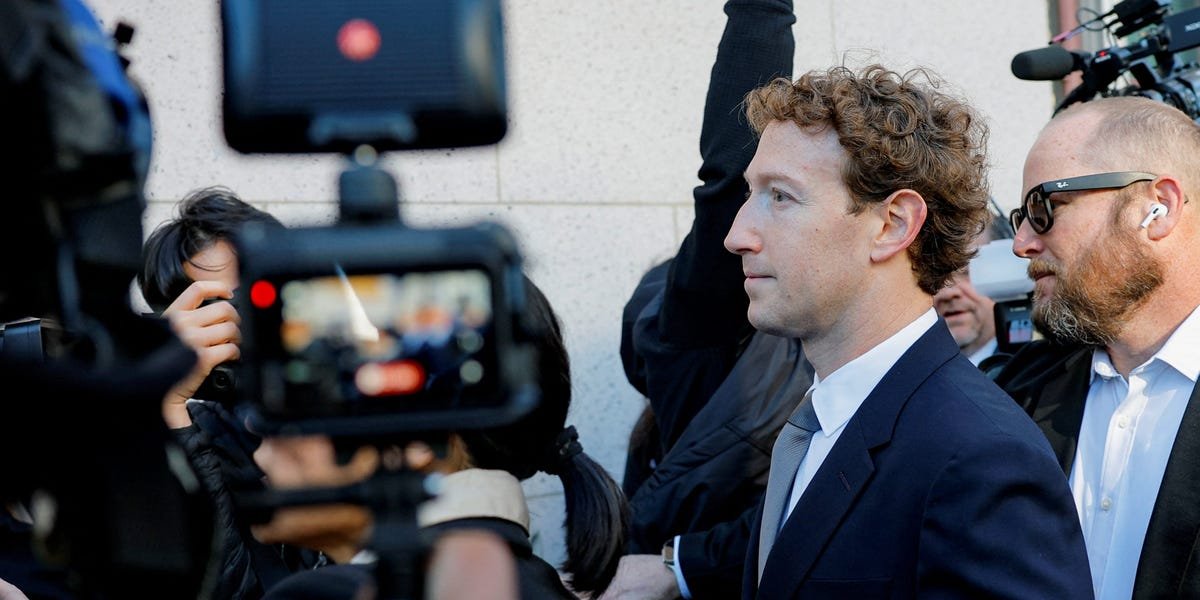
Lori Schott, a mother from rural Colorado, said she stared down Meta CEO Mark Zuckerberg as he walked into court in Los Angeles on Wednesday to testify in a landmark trial regarding social media addiction.

Schott lost her 18-year-old daughter, Annalee, to suicide in 2020. She believes the content Annalee saw on social media platforms “destroyed” her mental health.

“I made eye contact with him for quite a long time,” Schott said of Zuckerberg. “I was not backing down.”

Schott is not a plaintiff in the case where Zuckerberg testified on Wednesday, but is among more than 2,000 individuals who have similar personal injury lawsuits pending regarding social media addiction and harm.

The case underway in Los Angeles centers on a 20-year-old woman, identified by the initials KGM, who says her use of social media throughout her childhood negatively affected her mental health, contributing to depression and suicidal thoughts. It is considered a bellwether trial that could indicate how other similar lawsuits related to social media harm, like Schott’s, could play out.


LOS ANGELES, CALIFORNIA - FEBRUARY 18: Lori Schott , holds a picture of her daughter Annalee who died by suicide after consuming social media content on depression, anxiety and suicide, stands outside the Los Angeles Superior Court at United States Court House on February 18, 2026 in Los Angeles, California. A 20-year-old California woman sued Meta and YouTube accusing them of building addictive platforms causing harm to children. Schmitt is not part of this case but has a separate social media case and came to advocate and raise awareness. (Photo by Jill Connelly/Getty Images)

Lori Schott, a mother from rural Colorado, lost her 18-year-old daughter, Annalee, to suicide in 2020.

Jill Connelly/Getty Images


Meta, which owns Instagram and Facebook, was named as a defendant alongside Google-owned YouTube, TikTok, and Snapchat. TikTok and Snapchat both settled the lawsuit out of court.

Last month, Meta warned investors that its mounting legal battles over youth safety could “significantly impact” its 2026 financial results. Attorneys for more than 100,000 individual arbitration claimants have “sent mass arbitration demands relating to ‘social media addiction'” since late 2024, the company said in a 2026 10-K, which warned that potential damages in certain cases could reach into the “high tens of billions of dollars.”

In a statement, Stephanie Otway, a Meta spokesperson, said: “We strongly disagree with these allegations and are confident the evidence will show our longstanding commitment to supporting young people.” Otway highlighted changes the company has made over the past decade, including Teen Accounts, which give parents tools to manage their teens’ accounts.

Google declined to comment. TikTok did not respond to a request for comment. A Snapchat spokesperson said in a statement: “The Parties are pleased to have been able to resolve this matter in an amicable manner.”

On Wednesday, parents showed up hours before the courthouse opened in hopes of getting a seat inside. Many of them had personal stories about how they believed social media use harmed their children.


Parents and family members, including some plaintiffs in the case, hold hands as they pose together before entering the Los Angeles Superior Court for the social media trial tasked to determine whether social media giants deliberately designed their platforms to be addictive to children, in Los Angeles, on February 18, 2026. Meta CEO and Chairman Mark Zuckerberg is scheduled to testify Wednesday. (Photo by Frederic J. Brown / AFP via Getty Images)

Parents gathered outside the Los Angeles Superior Court on Wednesday.

Frederic J. Brown / AFP via Getty Images


“We face a lot of stigma from people telling us we’re bad parents,” said Amy Neville, another parent who attended to show her support. She said that once the evidence comes out in the trial, she believes “the tide will turn, and the general public will be on board with us.”

“It is by design that social media is tearing their family apart,” Neville said.

On the stand, Zuckerberg said that teens represent less than 1% of Meta’s ad revenue and that most teens don’t have disposable income, so it’s not especially valuable to advertisers to reach them.

Zuckerberg said it’s in Meta’s best interest to create a platform that inspires people and makes them want to stick around for the long term.

“If people aren’t happy with a service, eventually over time they’ll stop using it and use something better,” he said.

Sarah Gardner said that regardless of the outcome of the trial, she hopes it raises awareness about how the social media companies, and specifically Zuckerberg, have been operating. Gardner is the CEO of the Heat Initiative, an advocacy group that pressures Big Tech companies to make their platforms safer for kids. She was at the courthouse with the parents who believe they have been affected.

Gardner said she’s hopeful the trial will empower more people to say, “I don’t want to be on Instagram anymore.”


Source link

3-successful-job-seekers-share-how-they-used-LinkedIn-to.jpeg

3 successful job seekers share how they used LinkedIn to stand out and land new roles

Finding a job on LinkedIn can feel overwhelming as some roles draw hundreds — or even thousands — of applicants within hours or days. The challenge for job seekers using the platform is standing out among the crowd.

Some LinkedIn users, however, have successfully done so. Whether by using overlooked job filters, crafting a targeted cold outreach, or intentionally sharing their work, people have found ways to secure new jobs on the platform.

Below are three people who strategically landed their roles through LinkedIn. They shared with Business Insider how they did it. Quotes have been edited for length and clarity.

Using a strategic filter on LinkedIn helped me find a new role


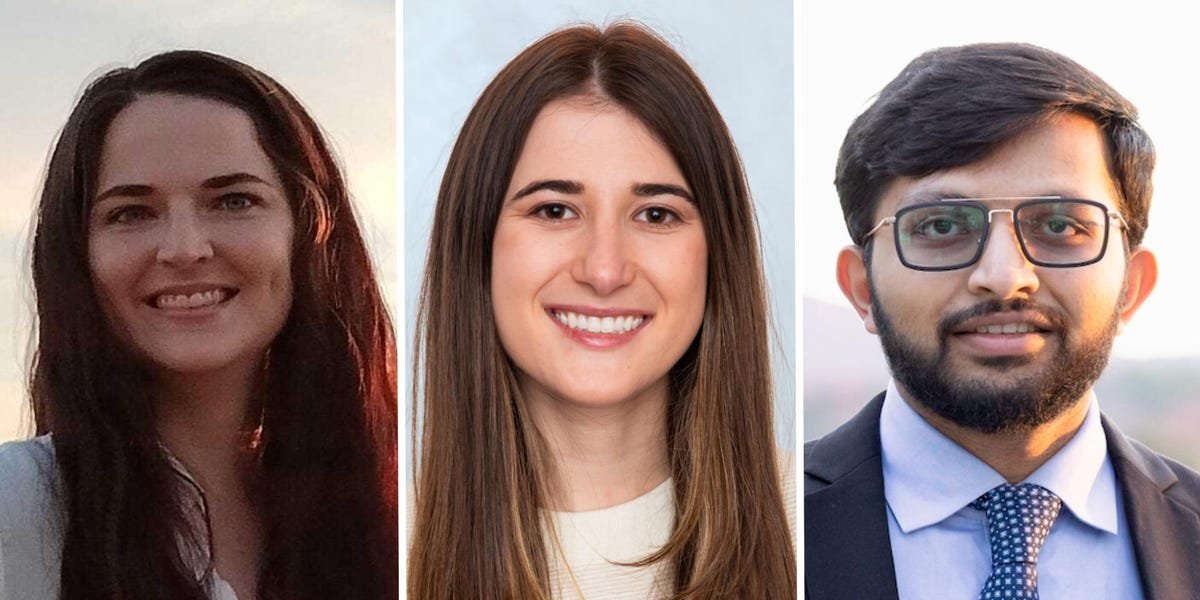
Lauren Young headshot.

Lauren Young used the “under 10 applicants” filter to enhance her chances of securing a new job on LinkedIn.

Photo courtesy of Lauren Young


Lauren Young is a 28-year-old continuing education specialist in Indiana.

Last spring, I was becoming increasingly unhappy and stressed out at work, so I started applying to multiple jobs a day. Even within the short time that I was back in the job market, from March to June, it was getting worse, and I started to panic. I was having no luck landing a new role.

I live outside Chicago, and some of the jobs that would come up would be at huge Fortune 500 corporations. Even if the role was posted within the last day or the last hour, hundreds of applicants still applied immediately. I started experimenting with LinkedIn filters, trying to be more strategic about how I spent my time searching for work.

That’s when I found the “under 10 applicants” filter. It’s one of the last options under the function that says “all filters,” pretty close to the bottom. Once I started using it, I saw roles at small businesses that didn’t have a huge following on LinkedIn.

My role now is to help medical professionals who are seeking different educational opportunities or want to pursue further licensing. I didn’t think I would be a top applicant since I’d never worked in the medical industry, but the posting had just been posted and had very few applicants. I landed my first interview at the end of May and received my offer letter in mid-June.

My new role has been completely life-changing. I work primarily remotely and visit the office about once a month. The company offers excellent benefits, a generous PTO policy, and a great work-life balance.

A well-crafted cold outreach helped me land my job at OpenAI


Sophie Rose

Sophie Rose’s cold outreach on LinkedIn led to a job offer within five weeks of sending her message.

Photo courtesy of Sophie Rose


Sophie Rose is an OpenAI employee in her late 20s based in San Francisco.

In 2023, I joined OpenAI to build out what was then the associate team. I noticed that a leader on the go-to-market team had posted on LinkedIn that she was hiring a founding account associate, so I directly messaged her about the opportunity. Within five weeks of sending that message, I had an offer in hand.

I constructed my note by congratulating the lead on her role and said I saw she was hiring for this founding account associate job. I added that I’d love to learn more, plan to apply, and would be willing to relocate for the opportunity. I also asked if she could hop on a call.

In her response, she said she couldn’t jump on a call but would push my résumé through the initial screening. I applied the next day and immediately followed up with her, thanking her and saying I looked forward to exploring the opportunity with OpenAI.

There are two things I would warn people against doing: asking for time right away and rushing the follow-up.

I asked for time in my note, which I wouldn’t have done in hindsight. If you do ask for time, be very clear about why you need it. Also, try not to send that generic follow-up. Wait — maybe three weeks later — or look for something new that the person you’re reaching out to is posting or talking about.

For many of my peers, their OpenAI job started with a cold outreach to someone they might have heard of or had a mutual connection with. I think that’s how you can ultimately get ahead or pivot in your career.

Posting on LinkedIn brought the recruiters straight to my inbox


Dhyey Mavani headshot

Dhyey Mavani strategically posted online to attract recruiters and mentors and grow his professional network.

Photo courtesy of Dhyey Mavani


Dhyey Mavani is a 21-year-old software engineer at LinkedIn, based in Sunnyvale, CA.

I moved to the US from India in 2021 to attend Amherst College, where I triple-majored in computer science, mathematics, and statistics.

I started posting because people on campus were reaching out and asking to chat through ideas and career advice. I wanted to share my resources, so I decided to document my learnings and my progress and share them online for everyone. Since I started posting, I’ve significantly expanded my network to over 500 connections and more than 6,000 followers.

I posted about a research paper I wrote, and in the post walked through a short summary about my research, how I got there, what the key accomplishments were, and what things I’m still looking into for future work. That gained some traction with over 45,000 post impressions on LinkedIn. I had people working in research labs at Princeton and other universities reach out to me.

It’s helpful to phrase the posts you share in a value-first manner, where you provide some of your own perspective and explain why you stand by it. When I share my work online, I like to walk readers through why I pursued this project, what it entails, and who it impacts.

I also try to engage with content I see to increase visibility and expand my network. I recently commented on a post about Google, sharing my thoughts on the company’s strategy, and my comment had over 100,000 impressions.

After seeing my work online in 2023, a recruiter at LinkedIn contacted me directly on the platform to discuss an internship opportunity, which ultimately led to my current full-time position as a software engineer at the company.

I realized that there are opportunities that arise from organic posting and genuinely engaging with other people’s content. I wouldn’t have the job options, the reach, the network for mentorship, and other opportunities if I hadn’t started sharing my journey online strategically.

Do you have a story to share about LinkedIn strategies? Contact this editor, Agnes Applegate, at aapplegate@insider.com.


Source link