Grand-staircases-state-shaped-pools-and-a-bowling-alley-in-the.jpeg

Grand staircases, state-shaped pools, and a bowling alley in the basement: What the governor’s mansion looks like in every state

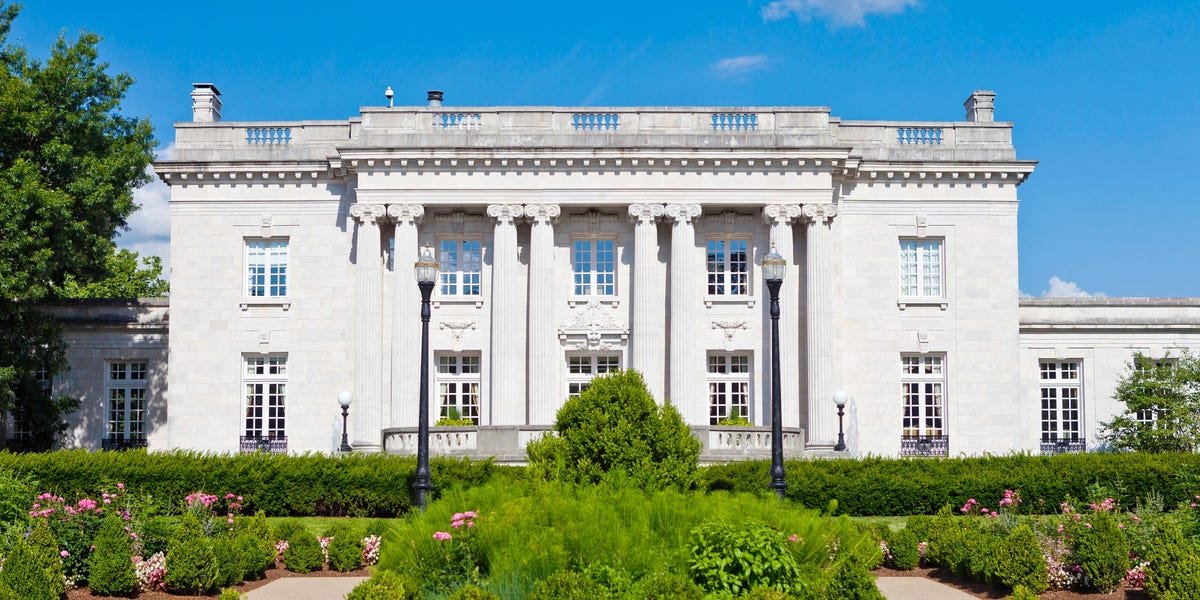
The French Renaissance mansion, called the “Kearns Mansion,” was built in 1902 and became the official residence in 1937, according to the state of Utah’s official website. It has 28 rooms including six bathrooms, 10 fireplaces, a ballroom, a billiards room, two dining rooms, and three vaults for wine and other valuables, Deseret News reported.

The interior is decorated in bronze, iron, Russian mahogany, and oak from France and England. The mansion has a bowling alley in the basement, and used to have a large metal safe to keep candy guarded.

In 1993, a fire damaged the building and almost $8 million was spent restoring the residence, according to Salt Lake City’s City Hall.


Source link

I-frequently-travel-with-my-godkids-Whenever-we-travel-out.jpeg

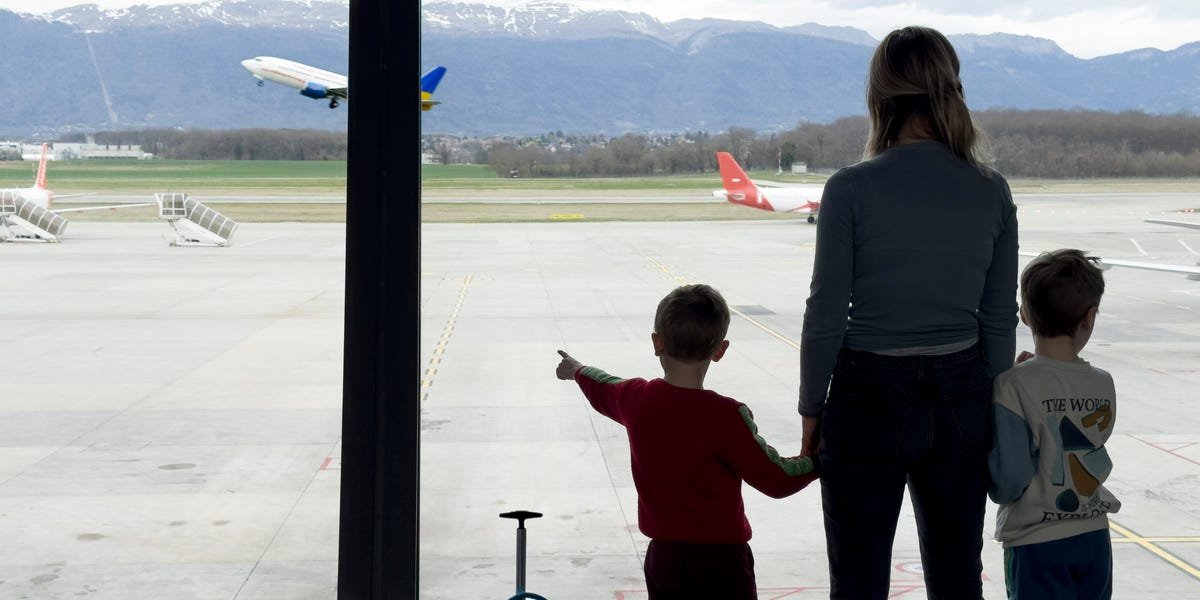
I frequently travel with my godkids. Whenever we travel out of state, I bring these 3 documents with me.

I don’t have kids, and therefore, I take a lot of trips with my godsons.

Throughout the year, we take easy day trips around South Florida that don’t require too much planning, and we also take weekend trips to other parts of the state, like Key West and Orlando.

The boys have busy high school schedules, and I’m pretty busy, too, since I work full-time as a teacher.

Despite our time constraints, I really try to be intentional about making memories as a family. Whether big or small, we usually go on a few trips each year.

I bring 3 specific travel documents with me whenever we travel

Now that we’ve been traveling together for a while and are taking trips to other states, I’ve started bringing specific documents for each kid: a copy of their birth certificate, notarized travel consent forms from each parent, and their passports.

I don’t always bring these documents if we’re going on a road trip around Florida. However, I bring them whenever we travel by plane or go to a different state.

Before I started taking the kids on trips, I usually traveled solo and flew a lot. During those years, I didn’t have to think about which travel documents minors need to bring on planes.

However, this past December, I took the kids on a trip to Philadelphia and New York City. This was our first big flight together. During my trip preparations, I learned that minors aren’t required to have IDs when traveling with adults.

Even though IDs weren’t technically required, this wasn’t a risk I was willing to take

I made sure each of the boys took their passports on this trip, which was a good call because the TSA agents asked to see their IDs each time we went through security.

I don’t know what would have happened if they didn’t have their documents with them, but I’m glad we didn’t find out.

I’m super Type A and like to be prepared for worst-case scenarios, which is why I prioritized bringing these documents with me on our trip.

Before we went on our holiday, I found a generic travel consent form online and had each kid’s parent fill one out for their child. Then we went to get the documents notarized.

These documents outlined our travel dates and destinations, so if any officials ever asked to see them, they’re clear.

I brought the birth certificate copies as a double layer of security to prove that the people who filled out the consent forms are actually the kids’ parents.

Some people might think this is excessive. I think it’s wise.

Thankfully, nobody asked to see these documents

I can’t imagine a scenario when a flight attendant or TSA agent would want to see such detailed proof of our travel plans, but it’s not a chance I’m willing to take.

We’re taking a family cruise later this year, and the agent I spoke with during booking told me I’d need to fill out a travel consent form for each child before we board.

They emailed the form to me before we finished our call, which I really appreciated. I’ve worked in the cruise industry before, so I know major cruise lines have their own versions of these documents.

If you cruise with minors you don’t have legal custody over, you have to fill out and submit these consent forms before embarkation.

I love my godkids and am so blessed to take them on trips. I want our vacations to be unforgettable — but not because they were ruined because I didn’t have the right documentation.


Source link

The-most-iconic-breakfast-food-in-every-state.jpeg

The most iconic breakfast food in every state

  • Every state has its own iconic breakfast food, whether it was invented or popularized there.
  • Multiple Southern states are huge fans of biscuits and gravy, while pancakes rule up north.
  • New Jerseyians will debate whether their most iconic breakfast is called pork roll or Taylor ham.

Nothing starts the day quite like a plate of steaming pancakes or spicy chilaquiles, but every state has its own unique way of doing breakfast.

We found the most iconic breakfast foods in every state, based on local favorites and dishes invented or popularized there. While opinions may vary on which dish deserves the top spot, every item on this list is worth trying on your next road trip.

From apple cider doughnuts in Connecticut and avocado toast in California to fried chicken and waffles in Georgia, these iconic breakfast foods will ensure you start the day right on your next vacation.

Here’s the most famous breakfast food in every state.

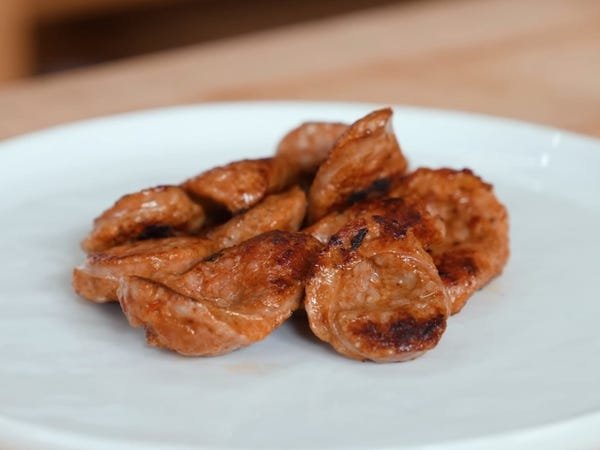
ALABAMA: Conecuh sausage

Sliced Conecuh sausage.

Syed Hasan Faraz/Shutterstock

Conecuh sausage is a hickory-smoked, peppery pork sausage beloved across Alabama, especially as a breakfast protein alongside eggs, grits, and other classic Southern side dishes.

Invented in Evergreen, Alabama, this breakfast meat takes its name from Conecuh County, where local smokehouses perfected the recipe.

ALASKA: Reindeer sausage


Reindeer sausage breakfast plate

Reindeer sausage breakfast plate.

Mo M/Shutterstock

Reindeer sausage, a delicacy in Alaska, blends indigenous cooking traditions with European sausage-making culture and can be found in breakfast joints and diners across the state paired with eggs, toast, and other breakfast staples.

ARIZONA: Chilaquiles


chilaquiles on a white and blue plate on a wood tray

Chilaquiles.

David Sahad/Shutterstock

Chilaquiles originated in Mexico as a resourceful breakfast dish made with leftover fried tortilla pieces, simmered in red or green salsa and topped with cheese, crema, or eggs.

As Mexican cuisine spread into the American Southwest, chilaquiles have become a beloved breakfast choice in Arizona and beyond, melding Mexican-American food traditions with popular local ingredients.

ARKANSAS: Chocolate gravy with biscuits


Chocolate gravy with biscuits

Chocolate gravy with biscuits.

Elzbieta Sekowska/Shutterstock

Chocolate gravy is a uniquely Southern breakfast treat, especially in Arkansas and the Ozark region. Made from cocoa powder, sugar, milk, and flour, this sweet sauce is poured over warm buttermilk biscuits instead of pancakes or waffles, as you might find in other parts of the country.

The origins of this unique dish are debated, but it’s a staple at many Arkansas breakfast spots.

CALIFORNIA: Avocado toast


Avocado toast and a side of diced tomatoes

Avocado toast.

GEOLEE/Getty Images

California is famous for its avocados, so it should come as no surprise that avocado toast is one of the most popular and famous local dishes in the Golden State. The San Francisco Chronicle reported that California residents have been making avocado toast for over 130 years.

An issue of The Daily Alta California from 1885 lists a recipe that suggests spreading avocado “on slices of bread, and season with salt and pepper.”

COLORADO: Denver omelette


Denver omelette

Denver omelette.

Brent Hofacker/Shutterstock

The Denver omelette, a diner classic, likely emerged around 1900 as an alternative to the Denver sandwich, which is served between two pieces of bread, for early Western travelers.

Made with ham, onions, and bell peppers, the Denver omelette was possibly designed to mask the taste of spoiled eggs from long wagon journeys taken by miners and settlers across the American frontier, according to Colorado Public Radio.

CONNECTICUT: Apple cider doughnuts


Apple cider doughnuts

Apple cider doughnuts.

Elena Veselova/Shutterstock

Nothing says New England in the fall quite like a fluffy, crispy apple cider doughnut covered in sugar.

They became popular in the early 20th century in multiple Northeastern states, combining the region’s abundant apple production with emerging doughnut-making technology, Tasting Table reported.

While they’re still popular each fall across multiple New England states, Connecticut is one of the best places to grab one alongside a coffee on a chilly autumn day.

DELAWARE: Scrapple


Scrapple

Scrapple.

Jaclyn Vernace/Shutterstock

Scrapple is a pan-fried loaf of pork scraps, cornmeal, and spices with origins in Pennsylvania Dutch cooking.

In Delaware, scrapple has become a beloved breakfast side, often replacing sausage or bacon and served pan-fried with eggs or in breakfast sandwiches.

FLORIDA: Shrimp and grits


Shrimp and grits

Shrimp and grits.

RFondren Photography/Shutterstock

Shrimp and grits is a popular breakfast originating in the coastal South, including northern Florida.

Ground corn grits — which were first made by Native Americans — paired with the state’s abundance of fresh-caught shrimp became a hearty, flavorful morning meal for fishermen and communities across the Sunshine State.

GEORGIA: Chicken and waffles


Fried chicken and waffles breakfast

Chicken and waffles.

lilik ferri yanto/Shutterstock

Fried chicken and waffles blend two beloved breakfast foods into one iconic Southern breakfast dish.

Even though its early roots trace back to the Pennsylvania Dutch in the 1600s, where waffles and stewed chicken were served together, the combination has since become practically synonymous with Southern soul food, PBS reported.

HAWAII: Spam and eggs


Spam and eggs

Spam and eggs.

Brent Hofacker/Shutterstock

Spam became a Hawaiian staple during World War II, when military rations introduced the canned meat to the islands. With fresh meat scarce, locals incorporated Spam, which has a lengthy shelf life, into everyday cooking, pairing it with rice and eggs for a salty, filling breakfast.

Hawaii now consumes more Spam per capita than any other state, according to National Geographic.

IDAHO: Home fries


home fries

Home fries.


Dima Aslanian/Shutterstock


As America’s leading potato producer, Idaho naturally claims home fries as a breakfast staple.

Pan-fried diced potatoes became common in 19th-century American kitchens as a practical way to use leftover potatoes, often served alongside other breakfast staples like sausage, eggs, and toast.

ILLINOIS: Apple pancakes


Apple pancakes

Apple pancakes.

Monika_1/Shutterstock

German immigrants heavily influenced Illinois’ cooking traditions, bringing apple-based dishes that evolved into Chicago-style apple pancakes.

Popularized over 100 years ago by restaurants like The Original Pancake House, the thick, caramelized pancakes are a distinctly Midwestern dish that is enjoyed across the state, the Chicago Tribune reported.

INDIANA: Biscuits and gravy


biscuits and gravy

Biscuits and gravy.

Aimee M Lee/Shutterstock

Early forms of biscuits and gravy date back to the American Revolutionary War, but the dish as it’s known today took shape in the Southern Appalachian region in the late 1800s, The Columbian reported.

From there, it spread north and became a hearty farm breakfast staple in states like Indiana.

The sausage-based “sawmill gravy” was inexpensive and filling enough to fuel long agricultural workdays, making it a Midwestern diner staple, although it’s also a hugely popular breakfast dish in the South.

IOWA: Breakfast pizza


Breakfast pizza

Breakfast pizza.

Brent Hofacker/Shutterstock

This isn’t your typical pizza.

Breakfast pizza, topped with eggs, sausage, cheese, and sometimes even gravy, rose to fame in Iowa in the 1980s, particularly through the convenience-store chain Casey’s General Store.

KANSAS: Chili and cinnamon rolls


Chili and cinnamon rolls

Chili and cinnamon rolls.

Brent Hofacker/Shutterstock

While it may sound like an unlikely pairing to some, savory chili with sweet cinnamon rolls became a beloved Midwestern school lunch in the mid-20th century.

Food historians trace the combination to the Plains states, such as Kansas and Nebraska, where school cafeteria menus popularized the comforting contrast of flavors, Smithsonian Magazine reported.

KENTUCKY: Biscuits and gravy


biscuits and gravy

Biscuits and gravy.


Charles Brutlag/Shutterstock


Like much of the South and Appalachian states, Kentucky embraces biscuits and gravy as a go-to breakfast food.

A stick-to-your-bones kind of meal, it’s no wonder that this dish was once popular with miners as well as tobacco and horse farm laborers.

LOUISIANA: Beignets


Beignets and chicory coffee at Café du Monde

Café du Monde opened in 1862 in the French Market.

Shanna Baker/robertharding/Getty Images

Visit New Orleans reported that French colonists brought beignets to Louisiana in the 18th century when they settled in the area.

In New Orleans, especially, the deep-fried dough squares dusted in powdered sugar have become a breakfast café staple, especially once the iconic Café du Monde began serving them in 1862.

Paired with coffee and doused in powdered sugar, beignets remain a defining Louisiana breakfast treat.

MAINE: Blueberry pancakes


mason jar cafe

Blueberry pancakes.


Kristy L./Yelp


According to Visit Maine, Maine produces nearly all of the US’ wild blueberries, so it’s no surprise that the state leans into including them in its breakfast traditions.

Topped with maple syrup or powdered sugar, blueberry pancakes are an iconic Maine dish you don’t want to skip the next time you’re in this northern state.

MARYLAND: Crab cake eggs Benedict


Crab cake eggs Benedict

Crab cake eggs Benedict.

RFondren Photography/Shutterstock

Maryland blue crab has shaped the state’s cuisine for centuries, and it’s even found its way into local breakfast dishes.

Often referred to as “Chesapeake eggs Benedict” or “Maryland crab cake Benedict,” this regional twist on classic eggs Benedict replaces the traditional English muffin and Canadian bacon with a crispy fried crab cake smothered in hollandaise sauce and often topped with Old Bay seasoning.

MASSACHUSETTS: Dunkin’ breakfast sandwich


dunkin breakfast sandwich

Dunkin’ breakfast sandwich.

Erin McDowell/Business Insider

Founded in Quincy, Massachusetts, in 1950, Dunkin’ — formerly Dunkin’ Donuts — helped popularize the grab-and-go breakfast sandwich nationwide.

Its egg-and-cheese sandwiches may not be anything fancy, but they’re quintessentially Massachusetts.

MICHIGAN: Pasties


Pasties

Pasties.

smspsy/Shutterstock

Cornish miners brought pasties — handheld meat pies — to Michigan’s Upper Peninsula in the early 1800s, NPR reported.

Designed as portable, hearty meals for long shifts underground, pasties became a regional staple often eaten for breakfast in mining communities.

MINNESOTA: Egg bake


Egg bake

Egg bake.

Nahhana/Shutterstock

Like many other types of casseroles, breakfast casseroles are popular throughout the Midwest.

“Egg bake,” a casserole similar to a quiche made with eggs, cheese, meat, and vegetables, rose to prominence in church cookbooks and at community potlucks during the 20th century as a way to “stretch the meat” during times of rationing.

MISSISSIPPI: Fried catfish and grits


Fried catfish and grits

Fried catfish and grits.

JMT Photography and Media/Shutterstock

Catfish farming flourished in the Mississippi Delta during the 20th century, building on long-standing Southern fishing traditions, and the state is still the largest supplier of catfish to the rest of the country, according to Mississippi State University.

Fried catfish is still a local favorite and is often served alongside grits for breakfast, providing a salty, filling start to the day.

MISSOURI: St. Louis Slinger


St. Louis Slinger

St. Louis Slinger.

Brent Hofacker/Shutterstock

The St. Louis Slinger — typically consisting of eggs, hash browns, a hamburger patty, and chili topped with plenty of cheese — emerged from local diners in the city around the 1950s.

It soon became a beloved working-class and late-night breakfast staple in Missouri and remains popular today.

MONTANA: Huckleberry crepes


Huckleberry crepes

Huckleberry crepes.

Wollertz/Shutterstock

Wild huckleberries have long grown in the Rocky Mountains and were traditionally gathered by Native American tribes in the region.

As French culinary techniques spread across the American West, delicate crepes filled with the sweet yet tart huckleberries became a popular way to showcase the state’s most famous fruit.

NEBRASKA: Kolaches


Kolaches

Kolaches.

Leena Robinson/Shutterstock

Kolaches — sweet, risen pastries filled with fruit or sweet cheese — were brought to Nebraska by Czech immigrants who settled across the state in the late 19th century.

The baked goods became staples at church gatherings and in local bakeries, particularly in towns like Wilber, known as the “Czech Capital of the USA.”

NEVADA: Steak and eggs


Steak and eggs on a plate

Steak and eggs.

rebeccafondren/Getty Images

Steak is one of the most popular foods in Las Vegas, so it’s no surprise that locals and tourists indulge in the meat as soon as the sun comes up.

Taste of Home reported that steak and eggs rose to prominence in the 1950s at Las Vegas casinos, where operators promoted the hearty, affordable meal to keep gamblers playing late into the night — and into the next morning.

NEW HAMPSHIRE: Pancakes with maple syrup


Pancakes maple syrup

Pancakes with maple syrup.

Larry Crowe/AP

While Vermont produces more maple syrup than any other state, New Hampshire is also known for its syrup production.

True Granite State natives are known to douse their pancakes in 100% New Hampshire syrup.

NEW JERSEY: Pork roll or Taylor ham


Taylor ham, egg, and cheese breakfast sandwich

Taylor ham, egg, and cheese breakfast sandwich.

Ezume Images/Shutterstock

Pork roll — famously called “Taylor ham” in North Jersey — was developed in 1856 by Trenton businessman John Taylor, who created a processed pork product designed to last without refrigeration.

Sliced and fried in a pan or on a griddle, it became a Garden State breakfast staple, especially on breakfast sandwiches with eggs and cheese, in place of other meats like sausage or bacon.

The ongoing North-versus-South naming debate has only cemented its place as one of New Jersey’s most iconic foods, no matter what you call it.

NEW MEXICO: Breakfast burrito


Breakfast burrito at Rosewood Miramar Beach

Breakfast burrito.

Anneta Konstantinides/Business Insider

The modern breakfast burrito — made from a tortilla stuffed with eggs, potatoes, cheese, and green or red chile peppers — was invented in Santa Fe, New Mexico.

It has since spread nationwide as a popular breakfast food.

NEW YORK: Bagel with cream cheese and lox


A bagel with cream cheese and lox.

Bagel with lox and cream cheese.


iStock/Getty Images


Popularized by Eastern European Jewish immigrants on New York’s Lower East Side in the late 19th century, bagels of any kind are the most quintessentially New York food there is.

When it comes to a classic New York bagel, few would argue there’s anything more iconic than an everything bagel with lox (smoked salmon), cream cheese, capers, and onions.

NORTH CAROLINA: Krispy Kreme doughnuts


Three glazed donuts are pictured on top of a Krispy Kreme box.

Glazed Krispy Kreme doughnuts.

Joe Raedle/Getty Images

Krispy Kreme began operating in Winston-Salem, North Carolina, on July 13, 1937. At the time, the owner, Vernon Rudolph, was only selling his doughnuts to local grocery stores.

However, after people passing by the bakery asked about the heavenly scent, he cut a hole in the outside wall and began selling glazed doughnuts to people on the sidewalk.

NORTH DAKOTA: Monkey bread


Monkey bread

Monkey bread.

Brent Hofacker/Shutterstock

Monkey bread — bite-sized pieces of dough coated in butter, sugar, and cinnamon — became popular in mid-20th-century America after appearing in community cookbooks and women’s magazines.

While not necessarily originating in North Dakota, the sweet breakfast dish is popular statewide at fairs and festivals.

OHIO: Goetta sausage


Goetta sausage

Goetta sausage.

ducu59us/Shutterstock

German immigrants who settled in Cincinnati in the 1800s created goetta as a way to stretch pork further by mixing it with oats and spices, similar to the sausages they made in Europe.

The mixture is formed into a loaf, sliced, and pan-fried until crispy, and is a popular breakfast meat throughout southwestern Ohio.

OKLAHOMA: Chicken-fried steak


Country-fried steak from Ruth's Diner

Country-fried steak from Ruth’s Diner.

Katie W./Yelp

Chicken-fried steak is often served with mashed potatoes and gravy or eggs and is popular throughout the South for both breakfast and dinner.

However, one state loves the dish so much that it has made it official. In 1988, Oklahomans named chicken-fried steak one of their state meals, the Oklahoma Historical Society reported.

OREGON: Smoked salmon eggs Benedict


Smoked salmon eggs Benedict

Smoked salmon eggs Benedict.

Jane Vershinin/Shutterstock

Oregon has long embraced smoked salmon as a breakfast staple.

Also called Eggs Royale, the dish features smoked fish, poached eggs, and hollandaise sauce for a Pacific Northwest spin on eggs Benedict that capitalizes on local ingredients.

PENNSYLVANIA: Dutch baby


Dutch baby

Dutch baby with peaches.

Orspapa/Shutterstock

Despite its name, the Dutch baby pancake likely originated in early 20th-century Seattle, but draws inspiration from German “pfannkuchen” brought over by Pennsylvania Dutch settlers, according to Southern Kitchen.

The oven-baked, custardy pancake is often topped with seasonal fruits and reflects the region’s strong German culinary roots.

RHODE ISLAND: Jonnycakes


Jonnycakes

Jonnycakes.

Liudmyla Chuhunova/Shutterstock

“Jonnycakes,” which resemble pancakes but are made with cornmeal, date back to traditional Native American flatbread recipes adopted by early colonists in New England.

In Rhode Island, the thin, griddled pancakes have become a breakfast tradition, particularly in coastal communities where corn was once a staple crop for early settlers.

SOUTH CAROLINA: Shrimp and grits


Shrimp and grits

Shrimp and grits.

MSPhotographic/Shutterstock

Though it’s popular in other states, shrimp and grits originated in the South Carolina Lowcountry — most specifically, Charleston — as a simple fisherman’s breakfast meant to power workers through their days.

Made with ground corn grits and fresh coastal shrimp, the dish has also been influenced by Cajun cooking.

SOUTH DAKOTA: Kuchen


Kuchen

Kuchen.

Juan Alberto Galli/Shutterstock

While kuchen can be enjoyed any time of day, the official state dessert of South Dakota is also a breakfast food for many people.

Made with custard filling, pie crust, and fruit, this dessert is quintessentially South Dakotan.

TENNESSEE: Fried chicken biscuit


Fried chicken biscuit

Fried chicken biscuit.

James Andrews1/Shutterstock

Fried chicken is popular in Tennessee — it’s where Nashville hot chicken got its name, after all — so it’s no surprise that fried chicken is even popular at breakfast time.

Paired with fluffy buttermilk biscuits, a fried chicken breakfast sandwich is an ideal way to start the day.

TEXAS: Breakfast tacos


Breakfast tacos

Breakfast tacos.

Nicholas J Klein/Shutterstock

Breakfast tacos emerged from Tex-Mex cuisine, which grew along the Texas-Mexico border, by blending Mexican tortillas with popular American breakfast fillings like eggs, bacon, and potatoes.

Popularized in cities like Austin and San Antonio and at Texas chains like Torchy’s Tacos, they reflect the state’s multifaceted food identity.

UTAH: Deep-fried scones


Deep-fried scones

Deep-fried scones.

Brent Hofacker/Shutterstock

Utah “scones” are deep-fried pieces of dough, similar to what you’d call fried dough in many northeastern states.

Unlike British scones, this dessert or breakfast food is topped with powdered sugar or served with honey butter.

VERMONT: Pancakes with maple syrup


Pancakes with maple syrup

Pancakes with maple syrup.

New Africa/Shutterstock

Vermont is one of the nation’s top maple syrup producers, so it’s no surprise that pancakes with maple syrup are a must-try for tourists and locals dining in the state.

VIRGINIA: Country ham


Country ham with red eye gravy

Country ham with red eye gravy.

Warren Price Photography/Shutterstock

Virginia country ham has roots dating back to the Jamestown colony, when indigenous peoples taught the settlers how to preserve the meat using salt, smoke, and natural aging, according to Visit Virginia.

It’s still a popular breakfast meat today and is often served with eggs, grits, and other traditional breakfast sides.

WASHINGTON: Smoked salmon scramble


Smoked salmon scramble

Smoked salmon scramble.

BBA Photography/Shutterstock

Salmon is a huge resource in Washington thanks to its local fishing communities, and locals are known to incorporate the protein into a variety of breakfast dishes, including scrambled eggs with smoked salmon.

WEST VIRGINIA: Biscuits and gravy


Biscuits and gravy

Biscuits and gravy.

Lew Robertson/Getty Images

The roots of biscuits and gravy can be traced back to the Southern Appalachian region of the United States in the late 1800s. The Washington Post reported that the earliest version of this Southern food used sausage gravy, which was also called “sawmill gravy” at the time.

Historians believe that the food was hearty enough to sustain sawmill workers through their long days of lifting heavy logs and also thick and flavorful enough to make biscuits of that era “more palatable.”

WISCONSIN: Pancakes


Pancakes

Pancakes.

Girl with red hat/Shutterstock

Topped with maple syrup or local gooseberries, pancakes are a sweet way to start the day in Wisconsin.

While Wisconsin doesn’t have many breakfast foods unique to the state, pancakes are a popular choice due to its rich German history.

WYOMING: Traditional breakfast plate


Traditional breakfast plate

Traditional breakfast plate.

Mesve79/Shutterstock

Wyoming’s ranching heritage is preserved through authentic “cowboy breakfasts” that often feature meat, such as bison or elk, along with eggs, toast, and other traditional breakfast side dishes.


Source link

The-State-Department-says-its-boosting-flights-across-the-Middle.jpeg

The State Department says it’s boosting flights across the Middle East to get Americans home

US embassies in the Middle East are changing their language about helping US citizens evacuate from the region.

Previously, multiple embassies said they were unable to assist citizens in leaving, urging them to evacuate by commercial means. The embassy in Jerusalem said in a notice on Tuesday: “The US Embassy is not in a position at this time to evacuate or directly assist Americans in departing Israel.”

However, they are now issuing notices telling Americans that government assistance is available.

In an X post late on Wednesday, the US Department of State said, “Today, a Department of State charter flight of American citizens departed the Middle East in route to the United States, as part of our ongoing efforts to assist Americans return home.”

It added that “additional flights will be surged across the region.”

The post did not say which Middle Eastern country the charter flight on Wednesday had departed from. The State Department post included photos showing consular staff standing next to US Embassy banners at an airport, with the country’s name blurred on the signage.

The embassy in Jerusalem said in a late Wednesday notice that the US government is “ready to help Americans leave the Middle East if you choose to take advantage of the options available.”

A security alert by the US embassy in Kuwait communicated the same message.

In the notice, the embassy added a link to a crisis intake form, which included the option, “I am seeking U.S. government departure assistance.”

The US embassy in Riyadh, Saudi Arabia, said in an X post on Wednesday that “Americans trying to get home from Israel, Saudi Arabia, the United Arab Emirates, or Qatar,” should fill out the crisis intake form.

The Wednesday notice from the embassy in Doha, Qatar, however, said it’s “currently exploring options to assist U.S. citizens in reaching a safe destination,” but did not provide a link to the crisis intake form.

The State Department said on Monday that Americans in the following countries should vacate: Bahrain, Egypt, Iran, Iraq, Israel, the West Bank and Gaza, Jordan, Kuwait, Lebanon, Oman, Qatar, Saudi Arabia, Syria, the United Arab Emirates, and Yemen.

In a Monday X post, the US Department of State Consular Affairs shared three steps for US citizens in the region to follow:

1) Enroll in http://step.state.gov for security updates from the nearest US Embassy.

2) Follow @travelgov on social media or the WhatsApp channel “U.S. Department of State – Security Updates for U.S. Citizens.”

3) For emergency assistance, call:

  • +1-202-501-4444 from overseas
  • +1-888-407-4747 from the US and Canada

Air travel remains disrupted

Meanwhile, commercial air travel remains disrupted. Most airports in the region, such as Dubai International Airport and Zayed International Airport in Abu Dhabi, are telling customers not to come unless their airlines have confirmed their flights. Travellers in the region spoke to Business Insider about feeling stranded and terrified.

Some Emirates flights have resumed, prioritizing travelers with earlier bookings. The airline said in a Wednesday X post that it continues to operate a “limited flight schedule,” and data from FlightRadar24 shows that Emirates has scheduled flights on Thursday to Warsaw, San Francisco, Chicago, Tokyo, and other destinations.

Representatives for the State Department did not respond to a request for comment from Business Insider.

Source link

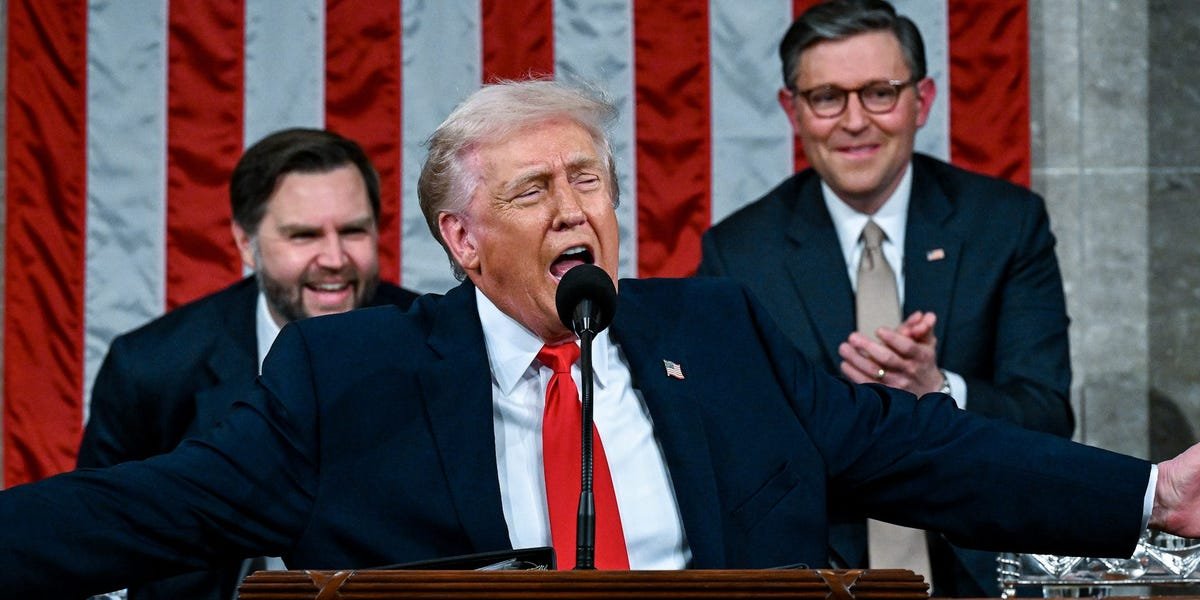
I-went-to-Trumps-State-of-the-Union-This-was.jpeg

I went to Trump’s State of the Union. This was the moment when the room’s mood shifted.

In the House, the chamber is evenly divided between the Republican side and the Democratic side. But you wouldn’t know it from Tuesday night’s speech.

There were noticeably fewer Democrats on hand, with several seats appearing to be empty on their side of the aisle. Several Republicans, apparently taking advantage of the open space, even sat on the Democratic side.

Many of the Democratic women who did attend could be seen wearing white, a color associated with the suffragette movement.

Ahead of the speech, House Minority Leader Hakeem Jeffries encouraged Democrats to either boycott the speech or sit in silent protest, an apparent effort to avoid the disruptions that marked last year’s speech.

Rep. Becca Balint of Vermont was among dozens of Democrats who opted to attend the “People’s State of the Union” — a rally sponsored by the liberal groups MeidasTouch and MoveOn that was held on the National Mall — instead of the speech.

“I want to be surrounded by positive people who are really thinking about how to bring this country together,” Balint told me. “I cannot normalize this anymore. I just can’t.”

One Democrat who chose to attend, Rep. Gabe Vasquez of New Mexico, told me before the speech that he believes it’s “important for me to be there to see what the president has to say.”

“People can choose to do what they want, but I feel like it’s part of my job to show up,” Vasquez said.


Source link

Trump-kicks-off-State-of-the-Union-touting-his-economic.jpeg

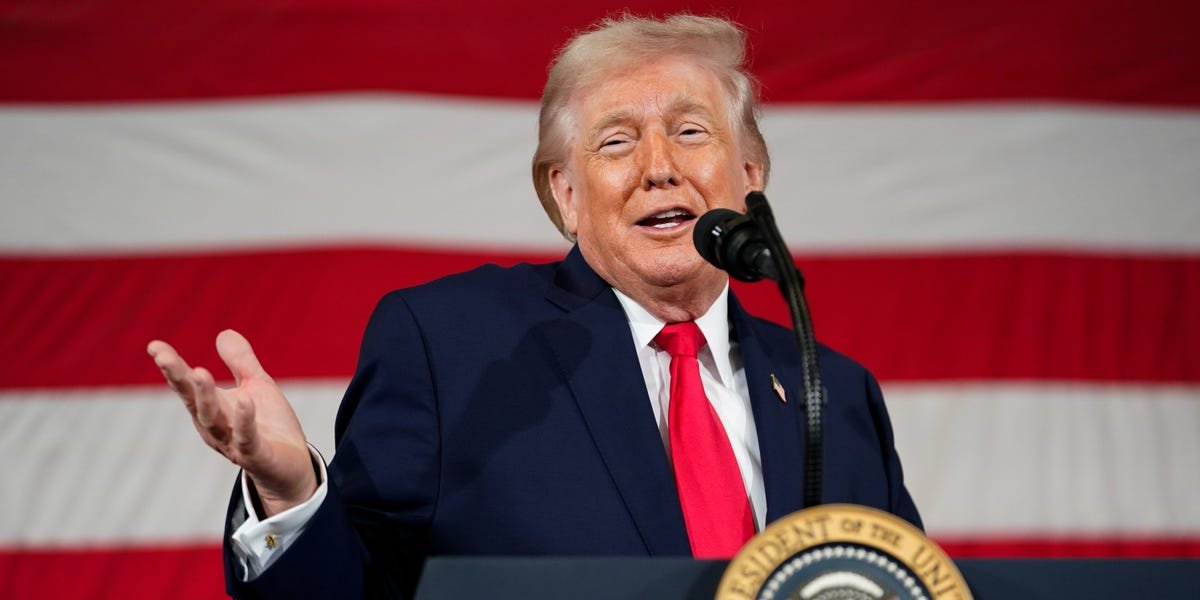
Trump kicks off State of the Union touting his economic agenda

President Donald Trump is zeroing in on what he calls America’s “roaring economy.”

The president is giving his annual speech to a joint session of Congress. He opened the event focused on his administration’s economic agenda, especially inflation rates and consumer prices.

“I inherited a nation in crisis with a stagnant economy,” Trump told lawmakers, adding that his administration has driven down inflation and mortgage rates, along with energy prices. He touted an increase in jobs in the construction sector, the strong stock market, and how the administration “lifted a record number of Americans off food stamps” with their updated SNAP rules.

The president added that he and Republican allies delivered the “largest tax cuts in American history” in their latest budget bill, alongside promises to end taxes on tips, overtime, and Social Security. And he mentioned Trump Accounts, a newly-launched federal investment account for children that will be available in July.

“A short time ago, we were a dead country,” he said. “Now we are the hottest country anywhere in the world.”

Throughout his second term, the Trump administration has leaned into affordability issues, especially high prices on consumer goods. The White House has touted budget changes in the One Big Beautiful Bill Act, tax breaks for middle- and higher-income Americans, and a recently-launched TrumpRx prescription platform. In some cases, the president has reached across the aisle for economic priorities, like a long-time Democrat-backed policy to rein in credit card rates.

As for the job market, growth has been the lowest in decades aside from recessions, and Trump’s Department of Government Efficiency took a sizable swing at the federal workforce. The administration hopes the pending appointment of former Wall Streeter Kevin Warsh to replace Federal Reserve Chair Jerome Powell will be a path toward lower interest rates in 2026, which could juice hiring — at the risk of growing inflation.

A YouGov and MarketWatch poll published February 24 found that 83% of Americans believe affordability has worsened or remained stagnant under Trump’s second term.

Trump is expected to speak for at least two hours this evening, covering topics like the Supreme Court tariff ruling, AI investment, immigration, and foreign policy.

This is a developing story. Check back here for updates.


Source link

The-longest-State-of-the-Union-addresses-in-history-ranked.jpeg

The longest State of the Union addresses in history, ranked

  • The American Presidency Project tracks the length of presidents’ State of the Union speeches.
  • Donald Trump holds the record for the longest address at 1:39:32 in 2025.
  • Trump and Bill Clinton have given eight of the top 10 longest State of the Union speeches.

Some US presidents have more of the gift of the gab than others.

The American Presidency Project has tracked the length of every president’s State of the Union address since 1964, with the timer beginning when the president opens with “Mr. Speaker” or “Madam Speaker.”

In the State of the Union, which is mandated by the Constitution, presidents typically highlight their administration’s accomplishments and lay out their legislative agenda in a speech before a joint session of Congress.

Presidents usually also introduce their legislative priorities in a joint address during their first year in office, a tradition started by President Ronald Reagan. Though this speech doesn’t technically qualify as a State of the Union, it is widely regarded as such and is included in the American Presidency Project’s dataset.

On average, State of the Union speeches from 1964 onwards have lasted 56 minutes and 24 seconds, according to the American Presidency Project. President Richard Nixon gave the shortest-ever State of the Union speech in 1972 at 28 minutes and 55 seconds.

President Donald Trump and President Bill Clinton have given eight of the top 10 longest State of the Union speeches in history. In 2025, Trump broke Clinton’s record when his joint address to Congress clocked in at 1 hour, 39 minutes, and 32 seconds.

It’s a record Trump could break again when he delivers the State of the Union on February 24 at 9 p.m. ET.

Here’s how the top 10 longest State of the Union addresses stack up.

10. In 1967, President Lyndon B. Johnson’s State of the Union address lasted 1 hour, 11 minutes, and 16 seconds.

President Lyndon B. Johnson’s 1967 State of the Union address.

Warren K. Leffler/Library of Congress

9. President Joe Biden spoke for 1 hour and 13 minutes at his 2023 State of the Union address.


Joe Biden at the 2023 State of the Union.

President Joe Biden’s 2023 State of the Union address.

Kent Nishimura/Los Angeles Times via Getty Images

8. President Bill Clinton’s 1998 State of the Union address spanned 1 hour, 16 minutes, and 43 seconds.


President Bill Clinton's 1998 State of the Union address.

President Bill Clinton’s 1998 State of the Union address.

Douglas Graham/Congressional Quarterly/Getty Images

7. In 2020, Trump gave a 1-hour, 18-minute, and 4-second State of the Union address the night before the Senate voted in his impeachment trial.


President Donald Trump at the 2020 State of the Union address.

President Donald Trump’s 2020 State of the Union address.

Mark Wilson/Getty Images

6. Clinton’s 1999 State of the Union speech clocked in at 1 hour, 18 minutes, and 40 seconds.


President Bill Clinton's 1999 State of the Union address.

President Bill Clinton’s 1999 State of the Union address.

David Hume Kennerly/Getty Images

5. In 2018, Trump’s first State of the Union address ran for 1 hour, 20 minutes, and 32 seconds.


President Donald Trump's 2018 State of the Union address.

President Donald Trump’s 2018 State of the Union address.

Win McNamee/Getty Images

4. Trump spoke for 1 hour, 22 minutes, and 25 seconds at the 2019 State of the Union.


President Donald Trump's 2019 State of the Union address.

President Donald Trump’s 2019 State of the Union address.

Alex Wong/Getty Images

3. Clinton’s State of the Union address in 1995 lasted 1 hour, 24 minutes, and 58 seconds, making it the third-longest in history.


President Bill Clinton's 1995 State of the Union address.

President Bill Clinton’s 1995 State of the Union address.

Mark Reinstein/Corbis via Getty Images

2. Clinton’s final State of the Union address in 2000 was also the second-longest at 1 hour, 28 minutes, and 49 seconds.


President Bill Clinton's 2000 State of the Union address.

President Bill Clinton’s 2000 State of the Union address.

Douglas Graham/Congressional Quarterly/Getty Images

1. Trump’s address to a joint session of Congress in 2025 was the longest on record at 1 hour, 39 minutes, and 32 seconds.


President Donald Trump addressed a joint session of Congress.

President Donald Trump’s 2025 address to a joint session of Congress.

Bill Clark/CQ-Roll Call, Inc via Getty Images


Source link