How-one-factory-supplies-NYCs-corner-store-delis.jpeg

How one factory supplies NYC’s corner store delis

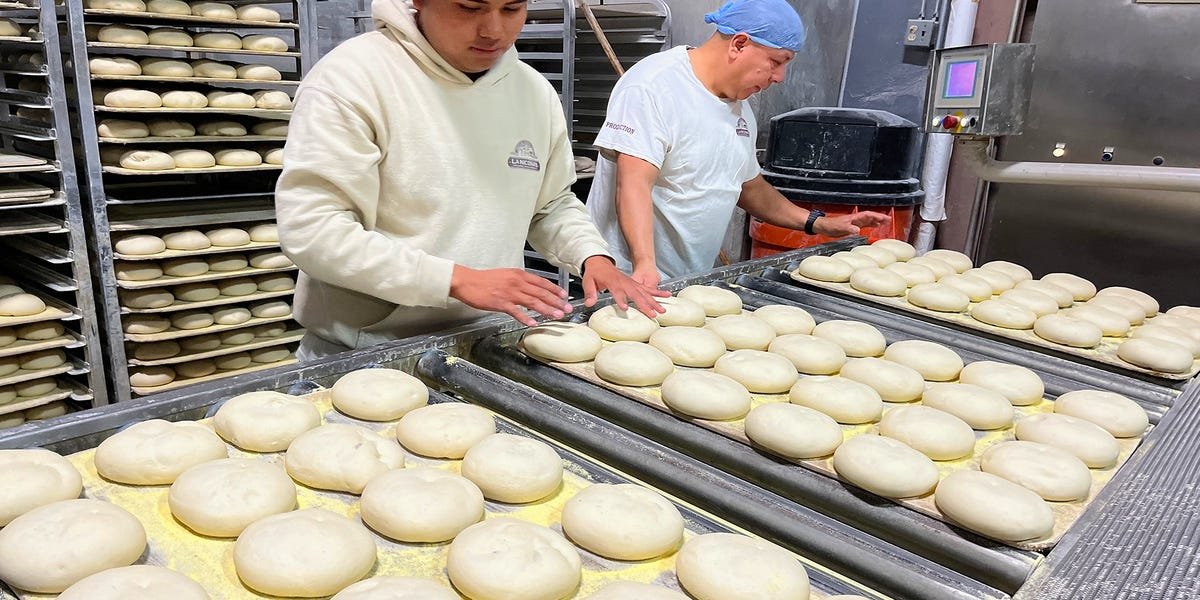
Bodegas are one of New York City’s oldest and largest neighborhood institutions, with more than 10,000 spread across the city’s five boroughs. But this century-old industry is fighting to stay alive under rising rents, cutthroat competition, and Zohran Mamdani’s city-run grocery initiative. Behind the scenes, mom-and-pop businesses are hustling to stay in the game, whether it’s a fourth-generation bakery supplying New York corner stores or a family-run bodega cooking up the next hit sandwich. In a city run and built by immigrants, bodegas aren’t just another sandwich shop on the block; they’re a community staple.


Source link

Only-13-Saks-Fifth-Avenue-locations-will-remain-after-the.jpeg

Only 13 Saks Fifth Avenue locations will remain after the latest wave of store closures

Saks Global, the bankrupt company behind Saks Fifth Avenue, Neiman Marcus, and Bergdorf Goodman, is continuing to close stores.

On March 6, the company announced it will close another 12 Saks Fifth Avenue and three Neiman Marcus locations. The news came after a February announcement that it would close eight Saks Fifth Avenue stores and one Neiman Marcus, as well as nearly all of its Saks Off Fifth and Neiman Marcus Last Call locations.

Following the closures, only 13 Saks Fifth Avenue locations will remain open, according to a Friday release. Thirty-two Neiman Marcus stores will continue operating, the company said.

“Our go-forward store portfolio will comprise the best performing and most desirable locations in markets with the highest concentration of luxury customers,” Geoffroy van Raemdonck, Saks Global’s new CEO, said in a statement announcing the closures.

The announcement of the latest wave of closures came with some good news for the company: More than 500 brands have resumed shipping to Saks’ retailers after the company had struggled with inventory for months.

“The Company has reached or nearly reached agreements with more than 175 brands across all categories,” the statement said.

In January, Saks Global filed for Chapter 11 bankruptcy protection following a year marked by missed payments and restructuring. The company owes hundreds of millions of dollars to brands like Chanel and LVMH.

As part of its turnaround plan, Saks said it was “sharpening its focus on luxury” and closing the majority of its discount store, it sais in January.

Saks Off 5th’s website, a separate legal entity from Saks Global, is hosting a liquidation sale and will shut down.

Earlier in January, Saks shut down a facility in Florida and said it would lay off at least 74 positions.

Here is the full list of Saks Fifth Avenue, Saks Off 5th, Neiman Marcus, and Last Call locations closing:

Saks Fifth Avenue locations closing:

1. The Summit (Birmingham, AL)

2. Polaris Fashion Place (Columbus, OH)

3. American Dream (East Rutherford, NJ)

4. Shops at Canal Place (New Orleans, LA)

5. Bala Plaza (Philadelphia, PA)

6. Biltmore Fashion Park (Phoenix, AZ)

7. Stony Point Fashion Park (Richmond, VA)

8. Utica Square (Tulsa, OK)

9. Beachwood Place (Beachwood, OH)

10. Wisconsin Avenue (Chevy Chase, MD)

11. Michigan Avenue (Chicago, IL)

12. South Coast Plaza (Costa Mesa, CA)

13. Las Vegas Boulevard (Las Vegas, NV)

14. Long Island (Huntington Station, NY)

15. The Gardens on El Paseo (Palm Desert, CA)

16. Triangle Town Center (Raleigh, NC)

17. North Star Mall (San Antonio, TX)

18. The Mall at University Town Center (Sarasota, FL)

19. Plaza Frontenac (St. Louis, MO)

20. Tysons Galleria (Tysons, VA)

Neiman Marcus locations closing:

1. Copley Place (Boston, MA)

2. Ala Moana (Honolulu, HI)

3. Topanga (Canyon Park, CA)

4. Westchester (White Plains, NY)

Saks Off 5th locations closing

1. Mebane (Mebane, NC)

2. Charleston (Charleston, SC)

3. Grand Prairie (Grand Prairie, TX)

4. Ala Moana (Honolulu, HI)

5. Petaluma (Petaluma, CA)

6. Glendale (Glendale, AZ)

7. Tucson (Tucson, AZ)

8. Merrimack (Merrimack, NH)

9. Riverhead (Riverhead, NY)

10. Clinton (Clinton, CT)

11. North Atlanta (Woodstock, GA)

12. Aurora Chicago (Aurora, IL)

13. Dallas Park (Dallas, TX)

14. Northbrook (Northbrook, IL)

15. Eagan (Eagan, MN)

16. Columbus (Columbus, OH)

17. San Diego (San Diego, CA)

18. Camarillo (Camarillo, CA)

19. Ontario (Ontario, CA)

20. Milpitas (Milpitas, CA) 21. State Street (Chicago, IL)

22. Stamford High Ridge (Stamford, CT)

23. Greenburgh (Greenburgh, NY)

24. Arundel (Hanover, MD)

25. Hawaii (Honolulu, HI)

26. Palm Desert (Palm Desert, CA)

27. Scottsdale (Scottsdale, AZ)

28. Phoenix (Chandler, AZ)

29. Eastchester (Eastchester, NY)

30. Bridgewater (Bridgewater, NJ)

31. Clarksburg (Clarksburg, MD)

32. Deer Park (Deer Park, NY)

33. Shrewsbury (Shrewsbury, NJ)

34. Elizabeth (Elizabeth, NJ)

35. Boston (Somerville, MA)

36. Wrentham (Wrentham, MA)

37. Orlando Vineland (Vineland, FL)

38. Naples Park Shore (Naples, FL)

39. Orlando (Orlando, FL)

40. Tampa (Lutz, FL)

41. Ellenton (Ellenton (Tampa), FL)

42. Destin (Destin, FL)

43. Charlotte (Charlotte, NC)

44. Atlanta (Woodstock, GA)

45. Hilton Head (Bluffton, SC)

46. Rosemont (Rosemont, IL)

47. Cypress (Cypress, TX)

48. Sugarland (Sugarland, TX)

49. Katy (Katy, TX)

50. Costa Mesa (Costa Mesa, CA)

51. Beverly Connection (Los Angeles, CA)

52. Woodland Hills (Woodland Hills, CA)

53. Las Vegas N (Las Vegas, NV)

54. Livermore (Livermore, CA)

55. San Antonio (San Antonio, TX)

56. Cabazon (Cabazon, CA)

57. Las Vegas S (Las Vegas, NV)

Last Call locations closing:

1. Sawgrass Mills (Sunrise, FL)

2. Desert Hills Premium Outlets (Cabazon, CA)

3. Grapevine Mills (Grapevine, TX)

4. San Marcos Premium Outlets (San Marcos, TX)

5. The Outlets at Orange (Orange, CA)



Source link

Target-shifts-away-from-being-an-everything-store-in-new.jpeg

Target shifts away from being an ‘everything store’ in new strategy focused on ‘busy families’

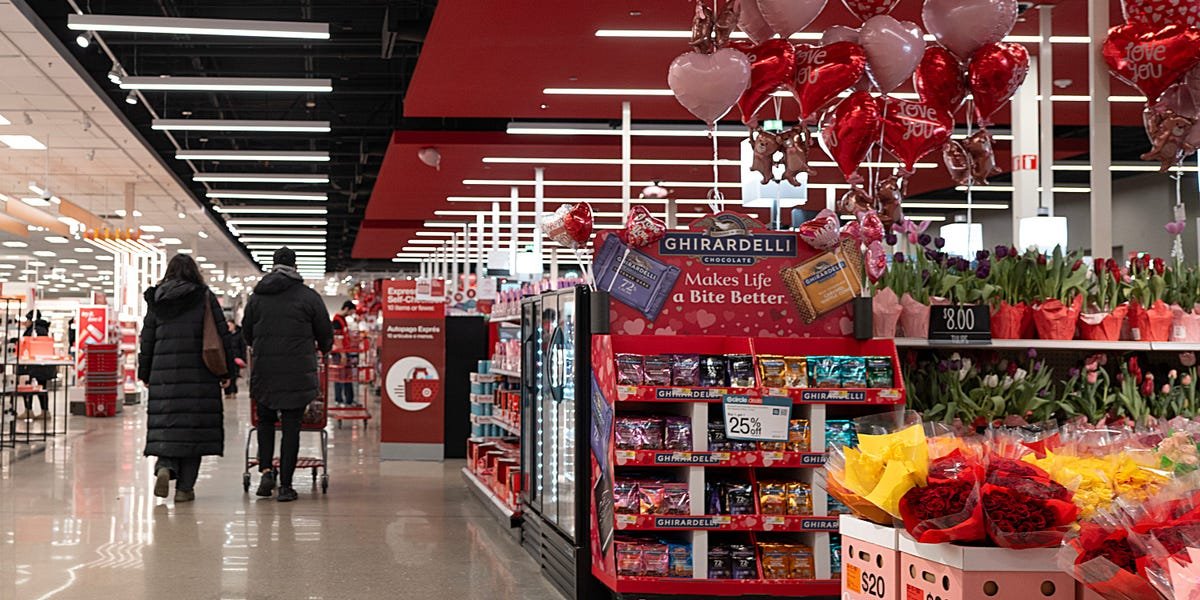
Target is betting on “busy families” to drive its turnaround.

On Tuesday, the retailers’ executives outlined changes to Target’s stores, app, and product selection that they said will improve financial results. At the center of it all are the needs of time-crunched moms and dads, they said.

The plan involves bolstering product selection and customer service in specific product categories, such as baby clothing and care, executives said Tuesday during a presentation at Target’s Minneapolis headquarters.

“Target is not an everything store,” CEO Michael Fiddelke said at the company’s annual financial meeting in Minneapolis. “That’s not what guests want from us.”

Funding many of the changes is an additional $1 billion in investments that Target plans to make this year, including “hundreds of millions” for store staffing and training, CFO Jim Lee said. That’s in addition to $1 billion in capital expenditures that Target announced last year.

The bullseye retailer is in critical need of a return to growth after coming off more than three years of flat or declining sales, Fiddelke said.

Target said on Tuesday that it expects to report net sales growth in each quarter of 2026 after posting a 1.7% decline for its fiscal year that ended on January 31.

Target bets on baby, grocery to get its groove back

The additional investments are meant to free up store employees to provide better customer service, Fiddelke said.

In baby care, Target is expanding its Cloud Island clothing brand and testing “baby concierges” helping customers shop, said Cara Sylvester, Target’s chief merchandising officer said at the meeting.

“This is about earning trust early and strengthening relationships that extend well beyond the baby aisle and beyond the baby life stage,” Sylvester said.

Groceries will also get more investment and floor space in Target’s stores, executives said.

John Conlin, Target’s SVP of food and beverage, told Business Insider that half of the retailer’s shoppers have food in their shopping baskets. That share rises during seasonal occasions and celebrations. The company is also plowing cash into a fresh supply chain to improve its offering of those products.

Target plans to open 30 new stores and fully remodel 130 existing ones in 2026, Lee said.

Those changes are meant to be an inflection point in Target’s strategy. “There will be more newness across the assortment in those stores in the next year than we’ve seen in any year in the last decade,” Fiddelke said.

It’s not the first time that Target has tried to differentiate itself from rivals, including Walmart, by offering a more curated offering.

Over the past few decades, Target partnered with big names in fashion to design some of its clothing and home decor. It also introduced snacks and groceries with sleek packaging that bucked the reputation of store-brand food as budget-focused.

In the last few years, though, some Target customers told Business Insider that the chain lost its reputation as a “nicer Walmart.” Foot traffic declined, and some stores started to look disheveled.

Executives acknowledged many of those shortcomings in Minneapolis on Tuesday — and said their investments are designed to reclaim Target’s old position in retail.

“We used to be strong in a pacesetter in a category like home,” Fiddelke said. “We haven’t been for the last few years.”

Fiddelke, who joined Target as a finance intern in 2003, is a company insider — a potential issue as he tries to execute a new strategy, some analysts who were expecting an outsider to execute the turnaround have said.

On Tuesday, the CEO aimed to sell his decades of experience at Target —and his own lived experience — as an asset.

“Having been in the shoes of a busy-parent household myself, sometimes you just need the very best of Target right to your doorstep,” Fiddelke said.


Source link

Image of Lakshmi Varanasi

Claude hits No. 1 on App Store as ChatGPT users defect in show of support for Anthropic’s Pentagon stance

While OpenAI locks down Washington, Anthropic is locking down users and rocketing to the top of the App Store.

Anthropic has been sidelined in Washington following a public dispute with the Department of Defense over how its AI models would be deployed. President Donald Trump ordered federal agencies to phase out its technology.

Meanwhile, OpenAI has secured new ground, with CEO Sam Altman announcing in a Friday night post on X that it had reached an agreement with the Department of War to deploy AI models in its classified network.

OpenAI’s agreement has left some loyal ChatGPT users uneasy about OpenAI’s ambitions, prompting online debates about the ethical implications — and some saying they were defecting to its rival Claude.

As of 6:38 p.m. ET on Saturday, Claude ranked number one among the most downloaded productivity apps on Apple’s App Store, trailing ChatGPT.


A screencap of the app store

BI


Converts have taken to social media to share screenshots documenting their switch.

Pop musician Katy Perry wrote that she was “done” on X, alongside a screenshot of Claude’s pricing page, with a red heart around the $20-per-month “Pro” plan.

Another X user, Adam Lyttle, wrote “Made the switch,” alongside a screenshot of his email inbox with a receipt from Anthropic and cancellation confirmation from OpenAI.

On Reddit’s ChatGPT subreddit, dozens of users say they’ve deleted their accounts and are urging others to do the same.

“Cancel ChatGPT” has become a common refrain online, while some users have taken a more personal tone, saying Altman’s move “crossed the line.”

The agreement hasn’t polarized all AI users, however.

In one Reddit thread, several commenters said the news does not affect their choice of AI model, arguing that Anthropic’s work with Palantir raises similar concerns. In November 2024, Anthropic, Palantir, and Amazon Web Services struck an agreement to provide US intelligence and defense agencies access to Claude models.

After Secretary of War Pete Hegseth said he would designate Anthropic as a “supply chain risk to national security,” Anthropic said it would “challenge any supply chain risk designation in court.”

In his Friday post, Altman said the Department of War had agreed with two of OpenAI’s safety principles.

“Two of our most important safety principles are prohibitions on domestic mass surveillance and human responsibility for the use of force, including for autonomous weapon systems,” Altman wrote on X. “The DoW agrees with these principles, reflects them in law and policy, and we put them into our agreement.”

By Saturday afternoon, OpenAI published a more detailed description of its contract with the DoW, including the specific language it used surrounding the use of its models for surveillance and autonomous weapons.

On the topic of autonomous weapons, OpenAI said:

The AI System will not be used to independently direct autonomous weapons in any case where law, regulation, or Department policy requires human control, nor will it be used to assume other high-stakes decisions that require approval by a human decisionmaker under the same authorities.

On the topic of mass surveillance, OpenAI said:

The AI System shall not be used for unconstrained monitoring of U.S. persons’ private information as consistent with these authorities.

While some chatbot users suggested it’s all fair in business, war, and federal procurement, others suggested the Pentagon’s stance may have handed Anthropic a public relations win.

X user Tae Kim joked that Hegseth might need a new title: “Secretary Hegseth Chief of Claude Marketing.”


Source link

I-used-to-save-nice-things-for-special-occasions-Now.jpeg

I used to save nice things for special occasions. Now I wear them to the grocery store.

I used to save my favorite clothes for a version of my life that never showed up.

The blazer stayed in my closet because it felt “too professional” for a normal day. The heels were waiting for a dinner I’d yet to be invited to. The earrings were longing for an occasion that felt important enough to justify wearing them. Meanwhile, I wore the same outfits on repeat — to work, to run errands, to all the places where my actual life was happening.

I wasn’t saving them for a rainy day. I was saving them for the perfect one. The problem was that “special occasion” never came.

It wasn’t just about clothes

This habit wasn’t limited to clothes. I treated everything the same way. A Sephora gift card sat untouched in my drawer, waiting for something “really worth it.” I rationed my favorite lip gloss as if it were a limited resource. I refused to light my favorite candle unless the night felt special enough to deserve it. I even held onto the last spritz of my discontinued One Direction perfume for years, as if saving it could somehow make more.


Woman posing for selfie

The author started to feel like she was saving her life for later.

Courtesy of the author


The special occasion is always vague — an imaginary fancy dinner, a future milestone, a celebration that exists only in theory. So I wait. Years pass. The things I loved enough to save start to feel untouchable. By the time I consider using it, we’ve waited so long that it feels wrong to start now.

Looking back, it sounds dramatic, but at the time, it felt practical. Why waste something nice on an ordinary day?

Then one day, the thought hit me: why am I living my life like a waiting room?

It felt like I was saving my life for later

That mindset didn’t stop at my closet. Saving a jacket for the right moment slowly turned into saving fun for the weekends, saving joy for later, saving happiness for a version of life that felt more legitimate than the one I was already living.

I realized I was treating weekdays like something to get through instead of something to participate in. When I did the math on how many days I was mentally skipping, it felt less like discipline and more like quietly wasting my life away.

So I stopped waiting.

I started wearing my favorite pieces on regular days

The shift was small at first. I wore blazers to the bars. I strutted in my nice heels to run errands. I put on the earrings just to go to the grocery store. Not for compliments, not for Instagram, not to prove anything to anyone, but because I liked how it made me feel.

The clothes didn’t lose their value because I wore them. They gained it. Each piece started collecting moments and memories instead of dust. Now, when I reach for something I love, it reminds me of a workday that felt a little lighter or a Trader Joe’s run where I found my new favorite snack.


Woman shopping

The author says clothes are meant to be worn more than once.

Courtesy of the author


That’s the part people tend to dismiss as “romanticizing your life,” a phrase that’s been flattened into internet fluff. But this wasn’t about pretending my errands were glamorous or turning my Mondays into Fridays. It was about presence. About intention. About letting regular days count instead of treating them like placeholders.

If I’m being honest, it changed more than my outfits. Work felt less like something I had to endure. Errands felt less like chores. I stopped waiting for permission to enjoy my life. I started dressing for myself instead of an imaginary audience or a hypothetical future. I even started liking Mondays.

I realized the dinner counts. The errand counts. The workday counts. And if the opportunity does truly come? I’ll wear those pieces again. Clothes are meant to be worn more than once.

The special occasion didn’t disappear. I just stopped waiting for it to arrive.


Source link

I-visited-Polymarkets-free-grocery-store-It-was-more-impressive.jpeg

I visited Polymarket’s free grocery store. It was more impressive than Kalshi’s similar stunt.

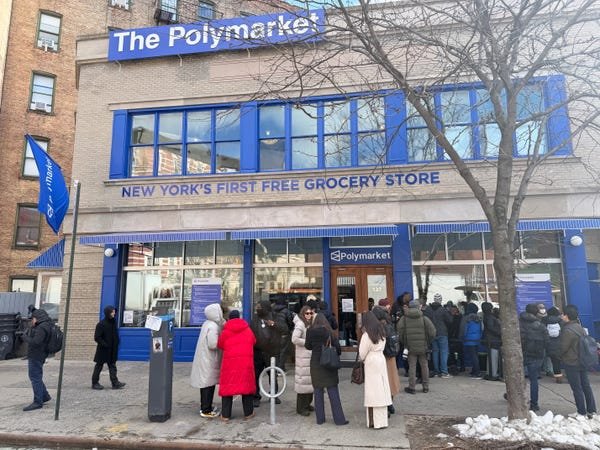
  • Polymarket launched a limited time grocery store pop-up in the West Village. I checked it out.
  • Attendees could take as many groceries as they could fit in a Polymarket tote bag.
  • Compared to Kalshi’s grocery pop-up, Polymarket’s seemed more planned out and polished.

Free groceries in New York? It feels like an impossibility — and yet, I saw it twice in two weeks.

It’s all thanks to a good old-fashioned marketing battle.

Prediction markets Polymarket and Kalshi are in a two-week grocery war, both propping up short-term free supermarket stunts in New York. Last week, Kalshi took over a Westside Market for a day. On Thursday, Polymarket debuted its own store.

I stepped inside the store two hours before it officially opened as part of a press preview. The store was pristine, unmarked by the what I assume would be the rampant foot traffic that would soon occupy it.

It looked like a miniaturized Trader Joe’s.

The experience also seemed more planned out than Kalshi’s similar marketing stunt. While Kalshi took over an existing supermarket for one day, offering $50 in free groceries, Polymarket designed its own pop-up scheduled to be open for five days (though free groceries will only be available on three of those days — more on that later).

Polymarket is also accepting community donations for local charities, and donated $1 million to Food Bank for NYC.

I came out impressed — even if it was a week behind its competitor. Here’s what I saw.

The West Village has a new pop-up.

The Polymarket flag waved in the wind of a warm(ish) winter day.

Henry Chandonnet/Business Insider

I arrived at The Polymarket (get it?) at 11:30 a.m., a half hour before the originally planned opening time of noon. (The company later pushed it back to 2 p.m., confusing some attendees.) The front of the shop was a circus of organizers, media, and everyday rubberneckers.

New York establishments love to call themselves the “first” or the “best.” Is The Polymarket really New York’s “first free grocery store”? Likely not, especially if you count the hundreds of food pantries across the city.

One attendee, Milla Jackson, arrived at 7:30 a.m.


Milla Jackson is pictured waiting in line for the Polymarket

“I looked through the window, and I saw they had some good products,” Jackson said.

Henry Chandonnet/Business Insider

I chatted with some folks in line, including Milla Jackson, a school aide from Staten Island. On hour four of her wait, she was grateful for her warm winter jacket.

Jackson heard about the pop-up in the newsletter “NYC for Free.” She spotted some olive oil inside that she was excited to pick up.

“I just found out about Polymarket,” she said. “I looked it up last night. I’m like, ‘Oh, I definitely want to show up.'”

Victoria Plaza arrived at 11 a.m.


Victoria Plaza is pictured in line for the Polymarket.

“I can’t imagine it will be sustainable for more than four days,” Plaza said.

Henry Chandonnet/Business Insider

Victoria Plaza was around Grand Central Terminal when Polymarket announced the location on social media. She expected that those ahead of her had been in the neighborhood.

The financial planning advisor came mostly out of curiosity. What would she take inside? “Whatever I can carry,” she said.

The Polymarket team was keeping everyone warm.


A staffer hands out cups of hot chocolate to those waiting in line for the Polymarket.

Polymarket staff handed out hot chocolate and coffee.

Henry Chandonnet/Business Insider

At 34° and sunny, Polymarket got lucky with a nicer opening day than Kalshi. They also handed out hot drinks (which Kalshi had) and put up heat lamps (which Kalshi did not have).

One of the day’s oddities: a painted-over sign.


A man is pictured painting over the Polymarket logo.

Why were they painting over the Polymarket logo?

Henry Chandonnet/Business Insider

A few minutes before making it inside, a man stationed his ladder on the front door and began painting over one of the Polymarket signs. No one seemed to know why.

The store’s schedule was pasted on a window.


A schedule for the Polymarket is pictured.

The Polymarket’s schedule included a Valentine’s Day celebration.

Henry Chandonnet/Business Insider

For those seeking out free groceries, Polymarket will offer them up on Thursday, Friday, and Sunday. Those days also have community donation hours.

Saturday is Valentine’s Day, when The Polymarket will have a “community celebration” with free flowers and cards. Monday is the final day for donations.

Inside, the first thing I noticed was a disclaimer.


A sign at the Polymarket demonstrating that we are being recorded is pictured.

Nestled behind a basket of Kind bars was a reminder that we were being filmed.

Henry Chandonnet/Business Insider

Inside the store, there were several framed notices that our movements would be filmed. It was a reminder: as much as The Polymarket is about free groceries, it’s also about a marketing stunt.

“Take what you need” (that can fit in a tote bag).


Free tote bags are pictured at the Polymarket.

How much can you take from The Polymarket? As much as fits in a tote bag.

Henry Chandonnet/Business Insider

No, you can’t roll up to The Polymarket with a huge trash bag and clear off all the shelves. There are unsurprisingly some limits.

At Kalshi’s pop-up, it was a cost ceiling: no more than $50 worth of goods. At the expensive Westside Market, $50 meant only a few items.

At The Polymarket, it’s a constraint of physical space. Attendees get one branded tote bag and can leave with as much as it will fit.

Offerings were limited but classic.


Boxes of pasta and jars of tomato sauce are pictured at the Polymarket.

The Polymarket had both regular and gluten-free pasta.

Henry Chandonnet/Business Insider

The Polymarket focused on pantry staples. Oil, rice, seasonings, peanut butter, beans, the list goes on. There were no fancy premade meals, like at the Kalshi pop-up.

I also noticed more branding at Polymarket’s pop-up than at Kalshi’s. Here’s a digital sign advertising Polymarket above the gluten-free pasta. The flowers were wrapped in Polymarket-branded tissue.

There was a lot of fresh produce.


Produce is pictured at the Polymarket.

Produce filled bins on the floor and fridges in the back.

Henry Chandonnet/Business Insider

Carrots, avocados, bell peppers, you name it. The Polymarket put produce front and center. They looked idyllic in their wooden crates — though I’m not sure how long that sheen will last after the public opening.

Polymarket can’t escape the hype bro reputation.


Prime energy drinks are pictured at the Polymarket.

Spotted: Logan Paul’s energy drink.

Henry Chandonnet/Business Insider

The Kalshi grocery store was swarmed with crypto influencers and online betters. While that crowd hadn’t yet arrived at The Polymarket from what I could see, there were some signs of an overly online presence. The fridges were stocked with Logan Paul’s Prime Energy, for example.

Kerrygold? In this economy?


Kerrygold butter is pictured at the Polymarket.

Polymarket shelled out for their butter choice.

Henry Chandonnet/Business Insider.

Most of the items in The Polymarket were fairly low-cost, though they all had name brands. One exception: the butter. Kerrygold is expensive! I was surprised to see a fridge full of them, ready for the taking.

One thoughtful touch: socks.


Socks are pictured at the Polymarket.

The Polymarket had cleaning products and tampons.

Henry Chandonnet/Business Insider

Socks are often the most requested items at homeless shelters. That’s especially true in the cold, cold winter. It was a nice touch to see a shelf full of them.

Why The Polymarket felt more thoughtfully designed than Kalshi’s grocery pop-up.


A sign on the Polymarket is pictured.

“This one’s on us!” a sign at The Polymarket promised.

Henry Chandonnet/Business Insider

Leaving The Polymarket, I thought it was better planned out than Kalshi’s pop-up.

Where Kalshi had unlimited options but a tight overall budget of $50, I felt The Polymarket was more tailored to what people might want from a free-grocery stunt in the winter months. I found the staff was generally friendlier, and the whole thing was a bit less confusing. The emphasis on donation also made it feel less like a shiny corporate branding exercise.

Even Mayor Zohran Mamdani, a fan of affordability but not prediction markets, seemed to begrudgingly applaud Polymarket’s move.

Who knows what will happen over the next few days, as The Polymarket opens. Maybe the shelves will run dry. Either way, Polymarket seemed to know what it was doing at the jump.

Plus, the heating lamps were a nice touch.


Source link

I-found-a-Bottega-Veneta-bag-at-the-thrift-store.jpeg

I found a Bottega Veneta bag at the thrift store. I paid $8, and it’s worth $3,000.

This as-told-to essay is based on a conversation with Kristen Boelen, the founder of Lunch Break Vintage. It has been edited for length and clarity.

I have been thrifting since the moment I could drive. Back then, I was into higher-end things that were out of my budget, and I’d go thrift shopping to find similar items that I could afford. That habit carried on through college and beyond, including when I was most recently working as an art director for a wine and spirits company. While working there, I’d thrift on my lunch breaks.

I’d find stuff for myself, as well as one-of-a-kind items that didn’t fit. I wanted someone to take that stuff. So I began selling items on Whatnot.

I’d thrift on my lunch break from work, and then on the weekends I’d go live and sell my pieces. My business grew from there, and I named it Lunch Break Vintage, which I began full time in February 2025.

I scored a luxury designer bag during a recent shopping trip

In December 2025, I was at a thrift store in the San Francisco Bay Area. It was a normal Wednesday, which is the day this particular thrift store opens for the week, and when I always try to go. It was very empty that day.


Woman posing for photo on mirror

Kristen Boelen thrifts three times a week every week.

Courtesy of Kristen Boelen


Two woven leather bags caught my eye. You see woven leather bags all the time. There are so many Bottega Veneta dupes. I didn’t really think much about it, just that one of them looked exceptionally nice.

I first noticed the hardware, then the leather slouching and hanging. I could tell it was soft leather. When I picked it up, it was heavy — designer leather bags have a weight to them because of the hardware. I opened it up and saw the logo. You can see in the video that I posted that’s the moment my jaw drops. The leather inside was really soft and buttery too; that’s always a sign a bag is legitimate.

I know they sort through and send a lot of the higher-end pieces to an online audience. It seemed unrealistic that someone wouldn’t have set it aside. I thought, if they had put it out there, it must not be real.

I used technology to help confirm my suspicions

I took a photo of it and put it into Google Lens, and found on Vestaire Collective there was the exact same bag and color. That clued me into the style name and that it had been retired. There’s a video of me going, “Oh my God, oh my God, oh my God,” once I figured out where the serial tag was. I got out of there as quickly as possible, paying $8 for the bag.


Bottega Veneta purse

Kristen Boelen found a $3,000 purse for $8.

Courtesy of Kristen Boelen


I later had it authenticated through an app I use called Authentic Detective. It will give you a certificate of authenticity. Online research says the bag is valued at around $3,000.

I’m keeping the bag for myself. It’s something that will be passed down for generations. I had so many comments on the video saying that the bag was ugly, but I love it.

Scoring finds at the thrift store takes a little skill — and luck

I thrift all the time because I now do this for a living, but I think consistency is key. I thrift at least three times a week, every week. It’s also important not to just pick up what is trending. A good secondhand item has to check all the boxes for me, and I really care about quality, always looking for natural fibers. I focus on what makes people feel elevated and the kinds of secondhand pieces they can keep in their closets forever.

Don’t believe that middle-of-nowhere places are garbage. Some of my best, coolest, most unique pieces have come from middle-of-nowhere stores.


Source link

I-choose-to-go-to-the-human-cashier-at-the.jpeg

I choose to go to the human cashier at the grocery store. I’m opting for more human interaction.

I was initially resistant to the self-checkout kiosks at my local grocery store when they were introduced a few years ago.

It didn’t take long, however, for me to start choosing those kiosks when the regular check-out lines were long. By that time, New Jersey had banned plastic bags, so I reverted to the “I can do it faster myself” way of thinking, armed with cute bags made from recycled materials.

The way it had become so easy to breeze past the friendly faces of cashiers standing at the end caps of their respective, often empty, check-out lanes waiting to welcome customers might not seem unusual. For me, though, it’s started to feel like a sign of something bigger.

There’s a loneliness epidemic

Not only did I not have to interact with anyone in the case I’d rolled out to the store looking less than my best, but I was also saving time, I reasoned. A recovering dishwasher loading control freak, I’m also pretty specific about the way I think groceries should be bagged — heaviest to lightest, eggs, bread, and chips on top.


Jennifer Cannon headshot

The author decided to change from self-checkout lines to human cashiers for a more personal connection.

Courtesy of the author


Meanwhile, the US is facing a loneliness epidemic, and our culture, especially post-pandemic, is to blame. I’m guilty of leaning into leaving my house and socializing less over the past several years, despite considering myself a social person.

According to a recent report from the American Psychological Association, many teens are turning to AI chatbots for friendship and emotional support. My college-age daughters confirmed this to be true, which should be concerning to everyone. As someone with a lifelong obsession with human behaviors, I also find it thought-provoking. It raises the question, what can we as a society do about it?

I went back to regular cashiers

I decided that the first step for me personally was to prioritize more human interaction at the grocery store. There was a part of me that missed simply saying “Hello” and asking how the person, who was specifically there to help fellow humans, was doing. If my daughters are with me, they often find something to compliment, “I like your nails,” or “Your tattoo is so cool, what does it mean?”

These days, it seems to catch some by surprise, and then to see smiles or share an unexpected laugh with a stranger — there’s something mutually fulfilling in that. In the smallest moments, we remember how others make us feel. That’s humanity, and community.

When we first moved to our little town in South Jersey, just outside Philadelphia, I knew the produce guy by name. Al had also worked on our house, and his granddaughter and our daughters went to the same elementary school. For many years, I looked forward to exchanging a few pleasantries with him and didn’t care, or correct him, when he called me Stephanie instead of Jennifer.

It’s been so nice to interact with other people

We’re officially at a point where too many people are longing for connection and to be seen, to have someone be interested in even the smallest thing about them. I make at least a couple of trips to the grocery store each week (because I’m too indecisive to plan meals in advance) and have been choosing to go to the human cashier over self-checkout whenever possible.

It’s been a breath of fresh air to overhear the chatter between cashiers and customers. I stopped in for a few things recently in anticipation of some bad weather, which people from the northeast will tell you means “milk, bread, and eggs.” The cashier, an older woman, called me “honey” but not in the passive-aggressive way Taylor Swift sings about on her latest “The Life of a Showgirl” album. She told me to be careful driving home as a coworker walked by and handed her a bag of homemade ginger snap cookies. Her face lit up.

In conversation with another cashier, a young woman, I learned she hates the cold. The high temperature that day was 25 degrees. We chatted about how she could move south, but then she’d fear tornadoes, and Florida was out of the question because of snakes. We laughed.

Walking away, I thought about how I’ve been missing the minutiae that are only present when we choose to see and acknowledge each other in person.


Source link

Jordan Hart's face on a gray background.

I visited Target’s newly remodeled SoHo store, designed to showcase its style. It was a whole new experience.

Target is putting its style revamp on full display.

The big-box chain is on a mission to rebuild its reputation for style, and its SoHo location in New York City appears to be the centerpiece of that effort. The store has been reimagined with immersive and interactive displays.

The new look comes as operating chief and incoming CEO Michael Fiddelke has set his action plan to improve sales. It involves redirecting Target toward a “style and design North Star” and enhancing the shopping experience to encourage people to spend more time browsing the aisles.

“To see this Target SoHo store is a punctuation point on that style of design and cultural leadership,” Fiddelke, who’s set to step into the CEO role in February, said at an exclusive preview of the revamped store. “It could not be more of a point of pride for me and, I know, the whole team.”

Members of the press got a preview of the remodel in December, and I returned a week later to see what it looked like on a typical day during the hectic holiday shopping season.

Target introduced apparel at the SoHo store for the first time. Although the location is on the corner of a block that also houses brands like The North Face and Abercrombie & Fitch, Cara Sylvester, chief guest experience officer, told Business Insider that the location was previously tailored for locals and tourists to drop in for essentials like snacks or makeup. It didn’t carry Target’s clothing lines, such as Wild Fable, until now.

The retailer hopes clothes, showcased amid towering red displays, will help it make a bigger splash in the fashion-forward New York City neighborhood.

I browsed the bustling location to see the glow-up firsthand.

It was like walking into a literal bull’s-eye


Target store interior

The entrance of the SoHo Target was a wash of red.

Jordan Hart/Business Insider


The immersion started as soon as I walked into the store. I stepped into what looked like an actual bull’s-eye, mirroring Target’s logo. Red arches towered overhead with built-in racks lining the walls. Since I visited the store in December, it had a holiday theme with gift boxes and Christmas knickknacks in the center of the floor.

“We have a new look! There’s more where that came from,” a sign at the door read.

Gifts and apparel were on display


composite image of stanley tumblers and a deer print jacket

There were clearly trendy items on display at the front.

Jordan Hart/Business Insider


In the center of the store, Target advertised potential holiday gifts, including ever-popular Stanley tumblers for $50. The clothing racks featured on-trend styles, including glittering dresses in time for New Year’s and a deer-print fur coat.

The beauty section reminded me of a spaceship


Target store display

The beauty section was unique, in my opinion.

Jordan Hart/Business Insider


Finally, it was time to visit my favorite section in every Target: the beauty department. This beauty section, however, looked totally new. It reminded me of a spaceship, with its gray tone and the circular displays, on which the products were arranged.

I appreciated the design of the layout, but it was a bit closed off, making it a tight fit to truly shop for whatever products you’re looking for.

There was a small photo booth


Interactive photo booth at target

There were a few photo opportunities throughout the store.

Jordan Hart/Business Insider


Tucked into the corner of the beauty section was an interactive feature that I hadn’t seen at Target before. It was a place to take and download a selfie. First, you snap a picture, then it prints a digital receipt for you to scan with your phone to download the image.

When I tried it during my visit, however, the machine was out of paper.

The lower level looked like any other Target store


Target aisle

The lower level looked more familiar.

Jordan Hart/Business Insider


I took the escalator downstairs, and it was business as usual. It looked like the aisles of your neighborhood Target, with snacks, produce, and a small home goods section.

Target’s Alpine holiday theme was present throughout the 2-story store


Target store display

I came across a gondola that reminded me of another Target location.

Jordan Hart/Business Insider


Target’s holiday branding this year features an Alpine theme, designed to make the stores more welcoming and inviting.

I noticed a display not unlike a gondola I came across in another Target location this holiday season. Several people, including myself, stopped to snap photos of the gondola overflowing with silver globes and lined with plush toys.

I appreciated this thread connecting the different locations, and it felt like the right touch for this Target store, which also had unique touches. Sylvester told me the red arches wouldn’t be replicated the same way elsewhere.

Overall, I loved the immersive experience this store offered, and I think it gave Target a refreshed vibe that reminded me more of a niche apparel store than a big-box retailer.


Source link