These-companies-want-their-tariff-money-back-from-the-Trump.jpeg

These companies want their tariff money back from the Trump administration, and they’re suing

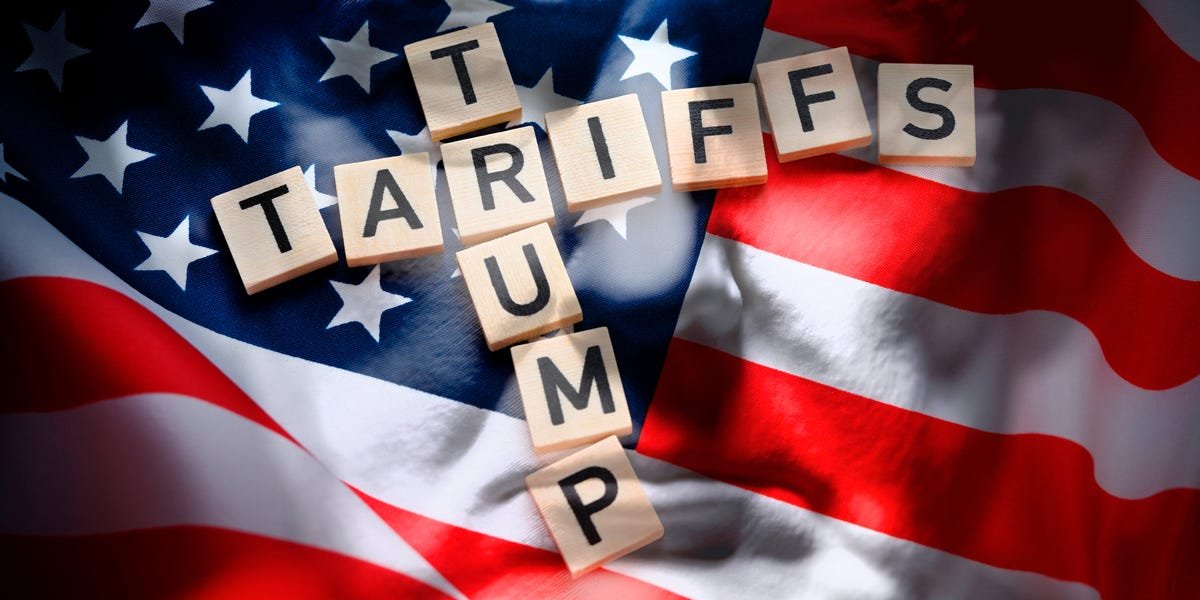
BYD’s lawsuit marks the first from a Chinese carmaker against Trump’s tariffs.

The EV giant filed the suit on February 9 and detailed nine executive orders related to trade that affected the company, including tariffs on cars, auto parts, aluminum, steel, and exports from China.

In the complaint, BYD wrote that it is seeking a refund of “all IEEPA tariffs paid to date” and “all IEEPA tariffs that may be paid in the future.”

The company also said that aside from China, its imports into the US from Canada, Germany, Mexico, and Poland were also affected.

The Chinese carmaker does not sell passenger cars in the US, but its business here includes buses, commercial vehicles, batteries, energy storage systems, and solar panels. According to its website, the company’s truck plant in Lancaster, California, employs 750 workers.


Source link

NBCUniversal-is-suing-Group-Black-alleging-breach-of-contract-and.jpeg

NBCUniversal is suing Group Black, alleging breach of contract and seeking nearly $36 million

Comcast’s NBCUniversal has sued Group Black, a firm created to direct ad dollars to Black-owned and Black-led media, alleging it owes the media giant $35.8 million in unpaid invoices and guaranteed payments.

The suit, filed February 11 in New York Supreme Court, stems from a partnership that gave Group Black exclusive rights to sell ads in Black-led shows on NBCU’s streamer, Peacock, with Group Black and NBCU sharing the revenue.

“We dispute the claims made by NBCUniversal and intend to respond through the appropriate legal process,” Group Black said in a statement. “Group Black remains focused on its mission and serving its partners.”

NBCU has said that more than 30 brands signed on to the partnership in its first year, which began in September 2023. Group Black had predicted that NBCU would be its largest source of revenue in 2024, according to a board document dated November of that year, which was submitted in a separate court case.

NBCU’s lawsuit alleged that Group Black failed to fulfill the terms of the contract in the months after it began in September 2023, despite selling more than $30 million worth of advertising.

The suit alleged that in 2024, Group Black agreed ​​to shift its revenue share to zero to pay down the shortfall. NBCU says in the lawsuit that it repeatedly demanded payment, and that Group Black cofounder Bonin Bough had acknowledged the company’s liability multiple times, emailing at one point that he took it “very seriously.”

The partnership ended in September 2025.

Group Black has faced internal and market challenges

Group Black was launched in 2021 after the George Floyd protests that led to a national reckoning and prompted big advertisers like Coca-Cola and Walmart to increase their spending on Black-owned media. In the years that followed, the company faced a mix of internal struggles, executive departures, and broader market challenges. It pivoted last summer to focus on a wider audience with the launch of a new venture, Portrait Media Group.

Group Black has faced other legal action alleging nonpayment. Two companies owned by Essence Ventures, part of a venture led by a second Group Black cofounder, Richelieu Dennis, sued Group Black in 2024, alleging it owed them about $20 million. Group Black said in a court filing that Essence loaned it money but otherwise denied the allegations in the suit. The suit is ongoing.

In another case, Audiomob, an ad agency that provided mobile app advertising inventory for Group Black to sell to its clients, demanded about $181,000 from Group Black for invoices it alleged the company had failed to pay. The suit was terminated in August after Audiomob sought dismissal, saying Group Black had made a “partial payment” of the money owed, per court filings.


Source link

San-Francisco-is-suing-food-brands-like-Kraft-Heinz-and.jpeg

San Francisco is suing food brands like Kraft Heinz and Coca-Cola, accusing them of selling processed foods

San Francisco is going after food brands that produce “ultra-processed foods,” accusing the companies of fueling a public health crisis.

The 64-page lawsuit, filed on December 2 by San Francisco City Attorney David Chiu, accused some of the country’s biggest food brands of selling dangerous, ultra-processed foods to residents of San Francisco.

It named 11 brands as defendants: The Kraft Heinz Company, Mondelez International, Post Holdings, The Coca-Cola Company, Pepsico Inc., General Mills, Nestlé, Kellanova, WK Kellogg Co., Mars Inc., and Conagra Brands.

The city attorney said the brands had profited from selling ultra-processed foods, which make people crave what they otherwise would not. The attorney accused the brands of failing to include health warnings, making fraudulent claims about the products being healthy, and of targeted marketing at children.

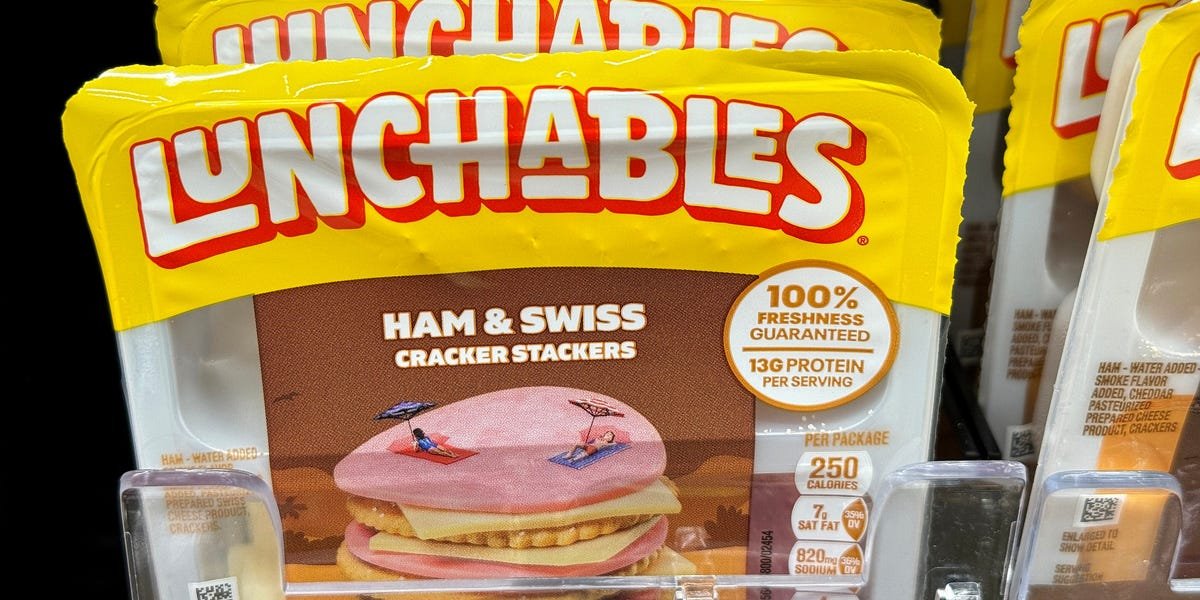
Products from these brands include cereals, candies, soft drinks, and ready-to-eat meals.

“They designed food to be addictive, they knew the addictive food they were engineering was making their customers sick, and they hid the truth from the public,” the attorney wrote, adding that taxpayers were left to foot the bill of a resulting public health crisis.

It said that ultra-processed foods majorly contribute to obesity, type 2 diabetes, cardiovascular disease, and other chronic illnesses.

Chiu called for the brands to cease further deceptive marketing and pay civil penalties to the city of San Francisco.

Representatives for the 11 brands did not respond to requests for comment from Business Insider.

The lawsuit comes as the US is clamping down on processed foods, a result of Health Secretary Robert F. Kennedy Jr.’s “Make America Healthy Again” movement.

In April, Kennedy said he would phase out eight petroleum-based food dyes in the US by 2027. And in July, President Donald Trump said that Coca-Cola had agreed to use real cane sugar in its products in the US, instead of corn syrup that it now uses.


Source link