A-trip-to-Colombia-in-my-20s-turned-into-8.jpeg

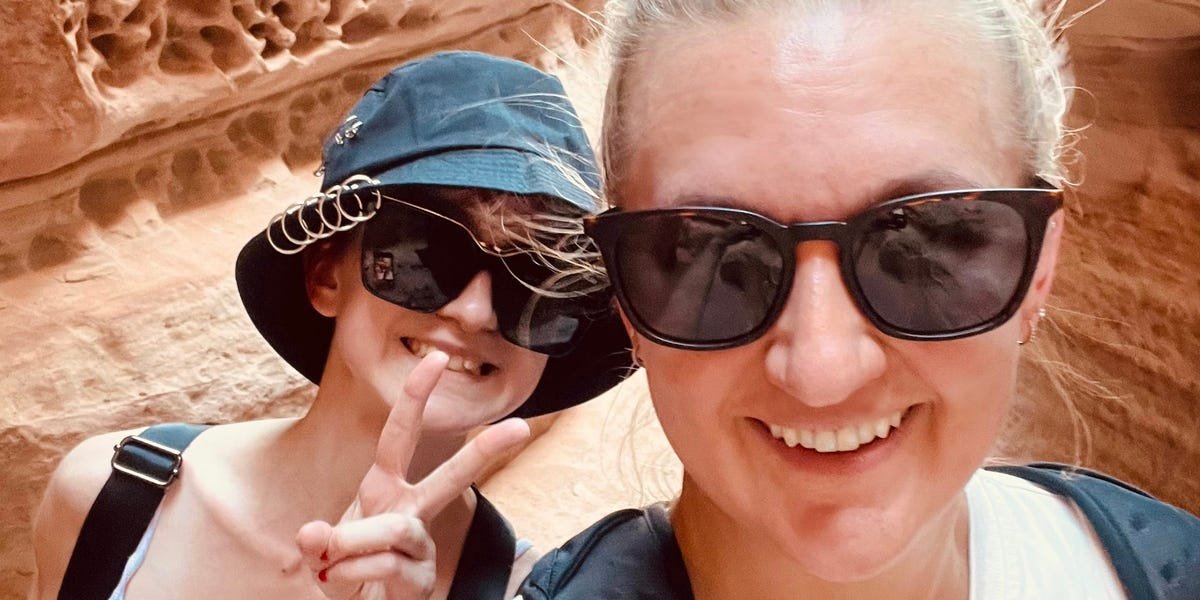
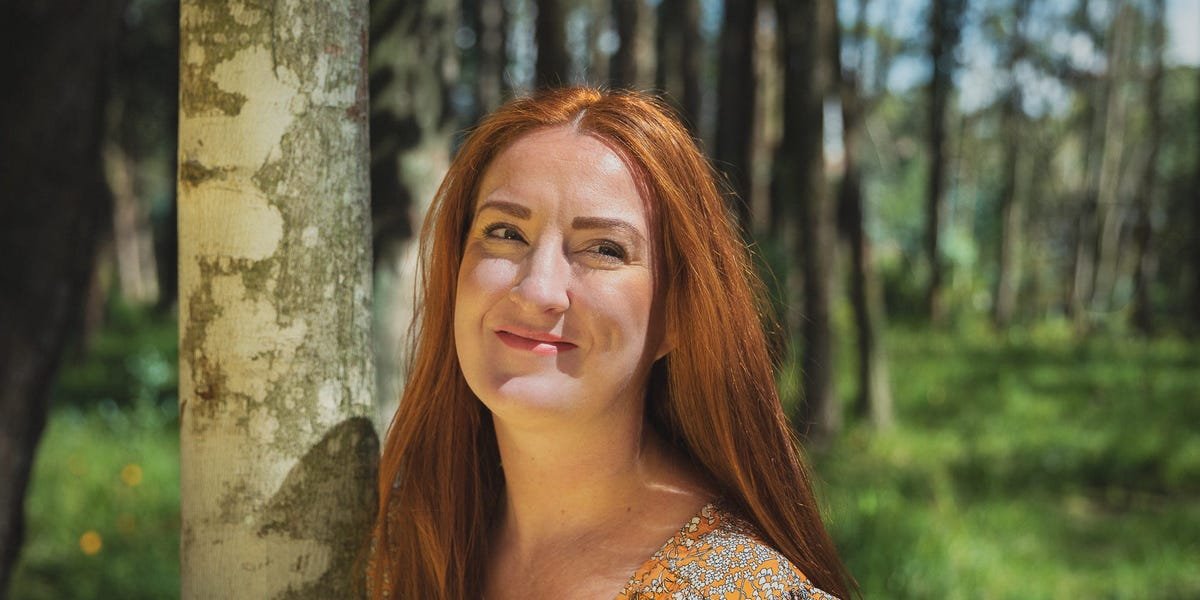
A trip to Colombia in my 20s turned into 8 years freelancing in South America. Here’s what I’d do differently.

In 2016, I spent two weeks in Medellín, Colombia — and it changed the course of my life.

I explored the city and hiked to a waterfall hidden in the mountains, but it was the small details that stayed with me: Latin music I’d never heard before, tropical fruits, and locals socializing in a neighborhood barbershop.

Back in Canada, I couldn’t shake Colombia’s beauty. I hatched a far-fetched plan: become a freelance writer and move there.

At the time, I was in my mid-20s, living in Toronto, and working in magazines. With no deep roots in the city and a sense I’d soon be changing jobs anyway, the timing felt as good as it would ever be.

Over the next two years, I built up contacts, clients, and savings. Then I returned to Colombia to go freelance. I wanted to immerse myself in the culture and learn the language.

Eight years later, I live in Ecuador and still work as a freelance writer. The move worked out — but there are a few things I’d do differently.


A woman working on a laptop and a dog cuddling up.

She started off in Colombia and settled down in Ecuador. 

Provided by Sinead Mulhern


Here’s what worked

I researched the monthly cost of living and saved for a year

Creative industries like mine can be unstable, and there’s always a new hurdle. Right now, it’s AI.

The instability and oversaturated market can keep people like me from giving it an honest shot. Knowing I had my work cut out for me, I saved enough to cover my living expenses for a year, about $8,850.

I was halfway there already and saved the rest by freelance writing in the evenings and on weekends and by simplifying my lifestyle. I’d been working full-time for a few years as an editor at a running magazine in Toronto. The savings goal was pretty straightforward: 1,000 Canadian dollars a month for the time I planned to be away.

When I got to Colombia, I was fortunate to work while exploring the rolling green coffee region. Oftentimes, I hiked through fields after meeting morning deadlines. I was slowly figuring out how to lean into work that felt satisfying and valuable. It didn’t take long to come up with the three client green flags I still stand by.

Those are: a client that’s enjoyable to work with; work that’s meaningful and engaging; projects that pay well. In deciding whether to accept new work or continue with existing contracts, it has to be all three.

In hindsight, there are things I’d do differently

Of course, hindsight is 20-20. For anyone on a similar trajectory, this is what I’d do differently.


A group of women having drinks at a table in South America.

She would have taken more time to become fluent in Spanish. 

Provided by Sinead Mulhern


1. Dedicate time to learning Spanish and nothing else

I now speak Spanish at an intermediate level, and my second language has been crucial to my work. Because I write travel stories largely set in Ecuador, most of the pieces I’ve published have either been inspired by a conversation I had or required interviews in Spanish. Oftentimes, it’s both.

When I arrived in South America, I didn’t expect to stay this long. I enrolled in Spanish classes right away — and I’m still studying — but in hindsight, I would have learned faster if I’d paused everything else and focused solely on the language for a while.

2. Give back to my community more

Remote workers like me are part of a relatively new and deeply privileged group that can work in one economy while spending in another. That reality has never sat comfortably with me. It’s my opinion that those of us in this position — myself included — owe more to the communities we live in.

After all, in the absence of an office, my neighborhood has become my workplace. Though I’ve given back in small ways, one thing I’d do differently is commit to supporting local causes close to my heart on an ongoing basis, whether through my time or money, or both.

3. Put myself out there

Last year, I realized I’d been standing in my own way. For years, I’d refused to put together a proper online portfolio. When I finally did, several opportunities came up — including a large travel writing project.

That editor had been on my radar but when she came to me, I realized I’d underestimated myself by not making the introduction first.

So, in retrospect, I’d put myself out there by launching the website, sharing my work, or getting in touch with goal publications without hesitating.


A woman in black posing uner palm trees in South America

Looking back, she’d tell her younger self to take solo work trips. 

Jake VDVF


4. Take advantage of freelancer flexibility

There’s a lot that freelance work and entrepreneurship don’t offer: stability, paid sick days, benefits, the safety net of HR — I could go on.

What it has offered me is freedom and flexibility — and that’s what has made it worth it. Nobody can tell me when, where, or how to work.

Looking back, I value how hard I hustled, especially during the six months when I lived in Medellin. I’d tell that younger version of myself to lean into that flexibility a little more and travel solo.

That trip I took 10 years ago inspired a dream that eventually became a plan. That plan was shaky at best, but a decade later, I’m now in my mid-30s, living in a part of the world I love with a writing career I’m happy with.

Do you have a story to share about living abroad? Contact the editor at akarplus@businessinsider.com.
Source link

My-husband-and-I-are-empty-nesters-celebrating-our-25th.jpeg

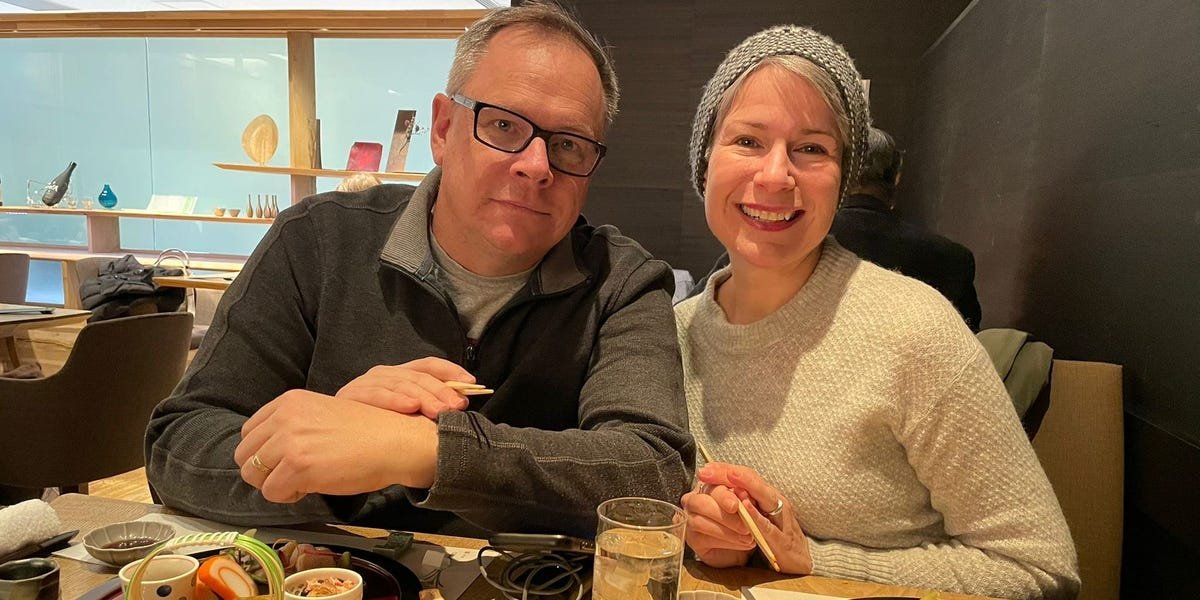
My husband and I are empty nesters, celebrating our 25th anniversary. A trip to Japan was exactly what we needed to reconnect.

As is the case for many couples, travel has always been the magic ingredient that bonds my husband and me. We are both seekers, curious sorts bordering on downright nosy, so delving into a new destination is a shared passion.

During our honeymoon — my first-ever international trip — we traipsed through Rome, Florence, and Venice. I was absolutely smitten. In the years since, my husband and I criss-crossed the world together, with our son often in tow. But our globetrotting ways took a back seat when our kid started high school. Gone were the days we could simply pull him from classes for a jet-setting adventure, and he was still too young to be left home alone.

That son is now a college sophomore. He’s settled into campus life, while we’ve navigated our empty nest. As we approached our 25th wedding anniversary, my husband and I knew it was time to get back out there in a big way, together.

We first had a big decision to make

The first thing we needed to do was decide on our travel itinerary. This became an exercise in compromise.

I lobbied for Morocco: visions of dreamy riads, the desert’s golden light, and romantic scenes from the film “Casablanca” filled my imagination.

My husband had another plan, a complete 180 from what I had in mind. Japan topped his list, and for all the great reasons you’d expect: the food, the history, the art, and of course, the culture. The good news is all of those things interest me as well, so it didn’t take much to shift my mindset.

We immediately booked our plane tickets to Tokyo and planned a side trip to Kyoto. Morocco can wait; we’ll get there eventually.

Japan was everything we expected it to be

We marveled at the immersive, trippy art in Azabudai Hills, respectfully offered prayers at historic temples, and strolled through immaculate gardens. We savored an incredible 14-course omakase dinner. We survived the famed Shibuya Scramble and sipped green-hued matcha-infused beer at the top of Tokyo City View. We fumbled through buying our Shinkansen tickets at a busy kiosk, marveling at the views aboard the famed bullet train.


Erika Ebsworth-Goold in front of a temple arch in japan

The author and her husband loved traveling throughout Japan.

Courtesy of Erika Ebsworth-Goold


Neither of us speaks Japanese. Throughout our trip, we relied on each other and solved problems together.

We were most gratified to realize we still enjoyed each other’s company.

We loved trying new experiences as empty nesters

While an empty nest might make for a quieter existence, it doesn’t necessarily change everyday household stress or schedules. Let’s face it: the daily grind can become tedious even for the most committed couples. But our holiday restored the shine that day-to-day routines tend to dull.

The drastic change of scenery Japan provided was a welcome jolt, giving me the confidence to step far outside my own comfort zone on our final day. When I discovered our Kyoto hotel had an on-site onsen, I decided to take a dip. For the record: my husband declined the chance to hit up the men’s facilities, but told me to go for it.

As is tradition, bathing suits are not allowed in the mineral spring spas. I had to take the waters just like anyone else, in the buff. I’d successfully navigated temples, shrines, mysterious foods, and massive crowds.

And guess what? I survived the onsen, too, in the nude. No regrets.

Being empty nesters redefined our relationship

I’ve come to realize that our empty nest is actually a wonderful opportunity. My husband and I have the time and freedom to redefine ourselves. The primary focus is no longer raising our child: that heavy lifting is pretty much done. We can now redirect a lot of that energy back to our relationship.

Travel has always connected us and refilled our collective tank; our journey to Japan was proof that it still does. It reminded me of all the reasons I was drawn to my husband in the first place. We remain a great team, especially on the go, half a world away.

Experiencing a new place with my best friend is a thrill, one that allows us to keep creating new life chapters and memories together.

I’m already itching to pack my bags again. Where to next?


Source link

I-saw-11-national-parks-in-one-30-day-trip-Using.jpeg

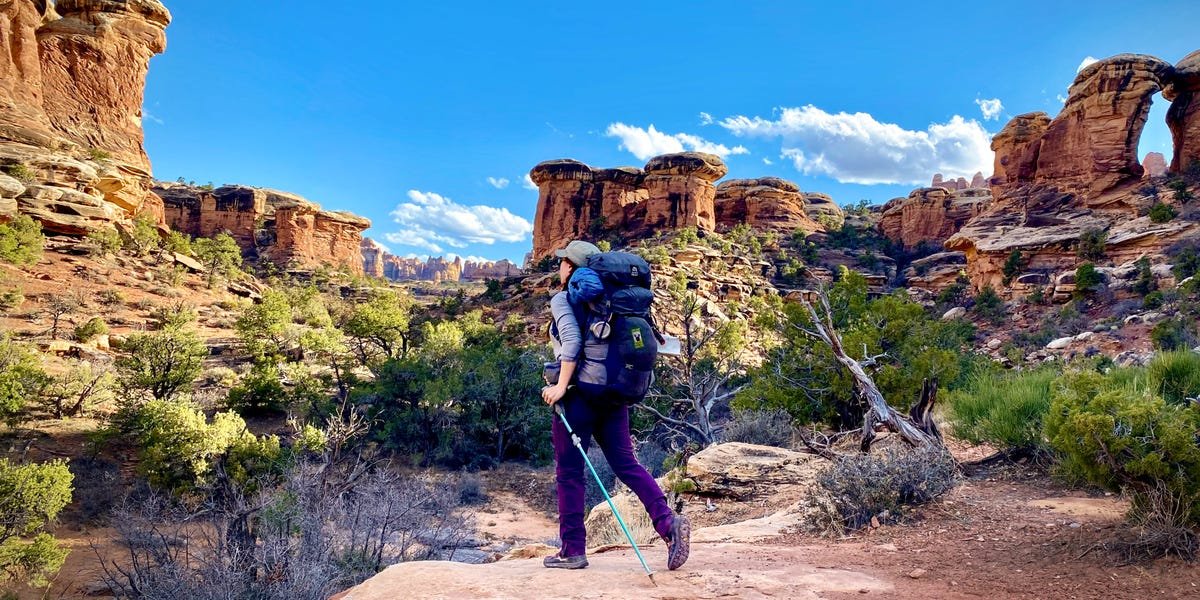
I saw 11 national parks in one 30-day trip. Using a few smart strategies and helpful apps, it only cost me $1,500.

America’s national parks are as magnificent as they are diverse, and in a single road trip, it’s easy to marvel at arid desert mountains one day and sky-high conifer forests the next.

I’ve visited all 63 national parks within the US, all on a shoestring budget, and I can attest that exploring “America’s best idea” is well worth the effort and drive time.

For those hoping to take an extended (and wallet-friendly) vacation, the national parks are a great place to look.

With my van and some careful budgeting, I was able to travel to Joshua Tree, Grand Canyon, Petrified Forest, Carlsbad Caverns, Guadalupe Mountains, Big Bend, Zion, Bryce Canyon, Capitol Reef, Arches, and Canyonlands over the course of 30 days and only spend about $1,500.

Here are a few strategies and resources that helped me pull this 11-park trip off without a hitch, plus the one thing I’d do differently next time.

The key to this trip was planning far in advance


Van parked near Teepees Petrified Forest

Teepees Petrified Forest was one of many stops on my trip.

Emily Pennington


Going on a trip of this magnitude took loads of research and preparation, and I started planning several months before I headed out.

First of all, many reservations and permits within the US national parks open up six months in advance and are available on a first-come, first-served basis.

This means you’ll want to have a clear picture of where you’ll be hiking, camping, or backpacking on every day of your journey at least six months before your trip, so you can take advantage of subsidized park campgrounds.

Sure, websites like Hipcamp make it easy to book a last-minute campsite near natural wonders, but you’ll often pay double or triple the price on bookings. For example, I’ve seen campsites listed for $50 or $60 a night that national parks and forests initially charged $20 for.

Oh, and don’t forget to nab an annual America the Beautiful Pass before starting your grand adventure.

For just $80, the pass gives access to all national parks, forests, and federal recreational lands for a calendar year — it’s an easy way to avoid entrance and standard amenities fees.

Groceries and homemade meals helped me stick to my budget


Joshua Tree at night with full moon, purple skies

I spent some time enjoying Joshua Tree on my trip.

Emily Pennington


One of the strictest cost-cutting measures I implemented was a $100 a week grocery budget. I slept inside my kitchenless minivan each night, meaning that I’d have to get up and go outside to boil water or cook evening meals.

Since I didn’t have a fridge or much in the way of electricity, I ate a lot of simple meals, like peanut butter and jelly sandwiches, mac and cheese, and carrot sticks with hummus.

As a treat, I gave myself a $50 a week restaurant budget so I could enjoy quirky roadside cafés and food trucks along the way.

Some of my favorite memories from the trip were discovering DB’s Rustic Iron BBQ, a tiny hole-in-the-wall near Big Bend, and Sweet Cravings Bakery, just outside of Arches, in Moab.

A few apps helped me save money on gas, overnight stays, and entertainment


Tent and table with benches in Bright Angel Campground - Grand Canyon

I stayed at a campground in the Grand Canyon.

Emily Pennington


Gas and lodging are likely to be your biggest expenses, and I definitely used the GasBuddy app every day to plan where I could fill up for the best price.

I also made sure to drive a fuel-efficient vehicle for the entire road trip, which saved me hundreds of dollars in gas alone.

As much as I could, I tried to camp in free campsites and sleep in Walmart parking lots for the duration of my monthlong road trip.

I used apps like AllStays and Campendium to find free, legal places to bed down in my minivan. Sometimes this meant I was sleeping an hour’s drive away from any given national park, but that seemed worth it to me at the time to skip the $20 to $30 park campgrounds typically charge.

The National Park Service app is also worth downloading before any trip. It’s filled with things like free guided audio tours, maps, ranger program schedules, and top attractions. In addition, popular parks, such as Zion and the Grand Canyon, offer free in-person ranger talks and activities that are open to all visitors.

These proved to be invaluable assets to my trip when I couldn’t afford guided hikes and bus trips.

Looking back, though, I wish I’d stayed at a few more campgrounds


Author Emily Pennington standing wih backpack in GRand Canyon

I learned a lot about myself on this epic trip through US national parks.

Emily Pennington


Even though I had the time of my life exploring America’s national parks for a month straight, there’s one thing I’d do differently next time.

In the interest of saving money, I slept in the parking lots of many truck stops and Cracker Barrels, rather than driving a bit farther to sleep on federal lands or spending $20 to camp closer to a park.

As a solo female traveler, I tended to feel safer when I was camping outside cities. I slept better, too, because the woodsy environments always proved to be quieter and more soothing.

If I had a tiny bit more in my budget, I would’ve happily booked more national park and national forest campgrounds during the planning phase of my trip.

Still, I learned so much about my own ability to do more with less on this epic journey across the US national parks, and I can’t wait for my next long road trip into the wilderness.


Source link

I-took-my-teen-out-of-school-for-a-trip.jpeg

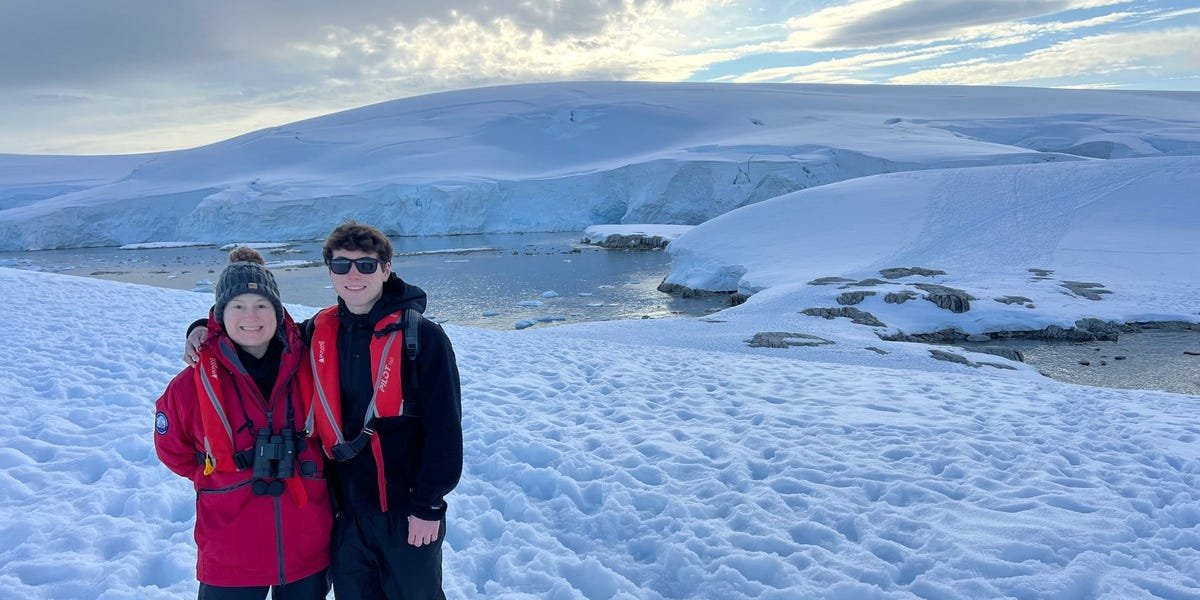
I took my teen out of school for a trip to Antarctica. It brought us closer together.

My high school son, Jack, was overwhelmed with college anxiety — SAT prep, AP classes, acceptance rates, and all the pressure that comes with being a New York student.

It was hard to quiet the noise, so I decided to make a radical — and unconventional decision: I pulled him out of school and took him to Antarctica for three weeks over winter break.

Everyone told me it was a terrible idea, but I thought it was exactly what he needed.

We’ve been traveling since he was a baby

Jack and I have been traveling together since he was 3 months old. I’m a huge traveler, and when I had my first son, I decided to take him along for the ride.

In elementary school, I didn’t think twice about pulling him out in order to explore the world (Costa Rica, Mexico, Nevis, Finland). Against the judgment of some parents (and some school officials), I thought it was important to expose him to travel — different cultures, different ways of doing things, different ways of thinking. He quickly became my favorite travel companion, and I often thought travel Jack was the best version of himself.


Mom and son posing with penguis

The author and her son have been traveling together since he was a baby.

Courtesy of the author


It became more difficult to pull him out in middle school (but I still did — he missed eighth-grade graduation — to go on a trip to Sri Lanka). Once he entered high school (where, according to him, grades matter), it became really difficult to make up the work if I pulled him out.

Then came junior year and all the stress that comes with college prep settled upon us. Not only was he balancing a bunch of AP classes, but he was also studying for the SAT and doing all the college prep work. Basically, he (and therefore I) became slightly unhinged.

I booked a 3-week cruise to Antarctica

So when I floated the idea of going on a trip — just the two of us — Jack was instantly in, but I got tons of pushback from everyone else. Junior year is the most important year for college prep; he’s in AP classes, and it’s super hard to make up the work. Did I have my priorities straight? Now is the time to lock in, not travel.

But I ignored the noise and booked us on a three-week cruise to Antarctica — he had two weeks off for the holiday break and would miss one week of school. I had him talk to all his teachers about missed work and make-up, and, surprisingly, while a lot of parents thought I was nuts, the teachers were supportive of this once-in-a-lifetime trip.


Mother and son kayaking

The author says people told her not to take her son out of school as he was preparing to apply for college.

Courtesy of the author


And off we went on a three-week trip to Antarctica, South Georgia, and the Falkland Islands. I purposefully chose this cruise itinerary because it included South Georgia, which everyone says is a must if going to the white continent. It definitely made the trip long (by a week), but it turned out South Georgia was both Jack and my favorite part of the cruise (we saw thousands of king penguins in their beautiful orange plumage, alongside their baby chicks, which looked like they were wearing lush fur coats).

His perspective started to shift during the trip

Every day was a different adventure: hiking up snow-capped peaks; kayaking among icebergs looking for whales and seals; getting face-to-face with several types of penguins (we quickly learned the difference between rockhopper, macaroni, gentoo, Adelie, and chinstrap varieties).

Far from GPAs and college chatter, surrounded instead by penguins, elephant seals, and endless ice, Jack’s perspective started to shift. College stopped feeling like the entire world — and started looking like just one chapter.

One night we had dinner with Rich Pagen a naturalist and Kristen Wornson the Young Explorers guide. When Jack asked them how they knew what they wanted to do with their lives, they shared their experience of trying to find the right college and then moving into different career circles. It was great for Jack to hear that their path wasn’t always straightforward, but they ultimately found jobs they loved.

For Jack to see people loving their jobs — and to realize that no one thought they’d end up where they did, leading expeditions in Antarctica — was a great wake-up call.

Also, because this was the family holiday cruise, several other families with teens were on board. It was great for Jack to get out of his comfort zone and talk to teens from all over the world. One was taking a gap year before college, and it really got him realizing that there are so many paths out there.

The trip brought us closer together

The trip also brought Jack and me closer together; away from the distractions of everyday life, we connected in a way that’s rare during the teenage years.

On this trip, Jack and I always did the excursions together, and we ate dinner together every night. But on sea days, I attended every lecture, and he opted to go to the gym or sleep. By giving each other space, we really enjoyed the time we did spend together. I didn’t nag him, and he, in turn, didn’t give me an attitude.

It was one of our favorite trips together.


Source link

I-took-my-first-solo-trip-to-Iceland-It-didnt.jpeg

I took my first solo trip to Iceland. It didn’t transform me, but it did wonders for my anxiety levels and confidence.

As I drove through Iceland’s dramatic landscape alone this past June, listening to Bon Iver’s “Holocene,” I started to cry.

I was crying in sheer awe at my surroundings and the lyrics of a favorite song, one about a man pondering his significance. Most of all, though, I was crying because I was proud of myself.

I had faced a fear of mine head-on, and it brought me to an emotional, yet blissful moment that I’ll never forget.

Taking my first solo trip showed me that what I perceived as a threat wasn’t really one after all — and it gave me the confidence to continue traveling alone.

After years of my anxiety holding me back, I planned a solo trip


View of waterfall on green mountains

For a long time, solo travel didn’t feel like an option.

Lily Voss


To rewind a bit, I’ve always been an anxious person, but it really manifested in my mid-20s when I started listening to true-crime podcasts.

Huge mistake. I know too much now about what horrific acts people are capable of. My mind would conjure scenarios in which something I’d just listened to could happen to me or a loved one.

This started to impact my life in different ways — if my boyfriend was on a work trip, I was scared to leave our apartment. When my mom moved into her new home, and we didn’t have an alarm system set up, I insisted I couldn’t stay the night there.

Anxiety had a tight grip on me at home, so the thought of solo traveling by myself? Absolutely not.


Lavendar field with hills in distance

As I began researching where to go, Iceland often came up.

Lily Voss


Then, last January, I found myself freshly laid off, about to turn 30 in six months, with a long list of places I wanted to travel to that year.

I’m not sure what changed in me — maybe it was hitting a milestone age — but after many internal battles, I decided I’d visit at least one of them solo.

I settled on Iceland, which is regarded as one of the safest countries in the world. This made following through on my decision a bit easier.

I also told everyone — my family, friends, even my esthetician— about my travel plans because the more people who knew, the harder it would be for me to back out.

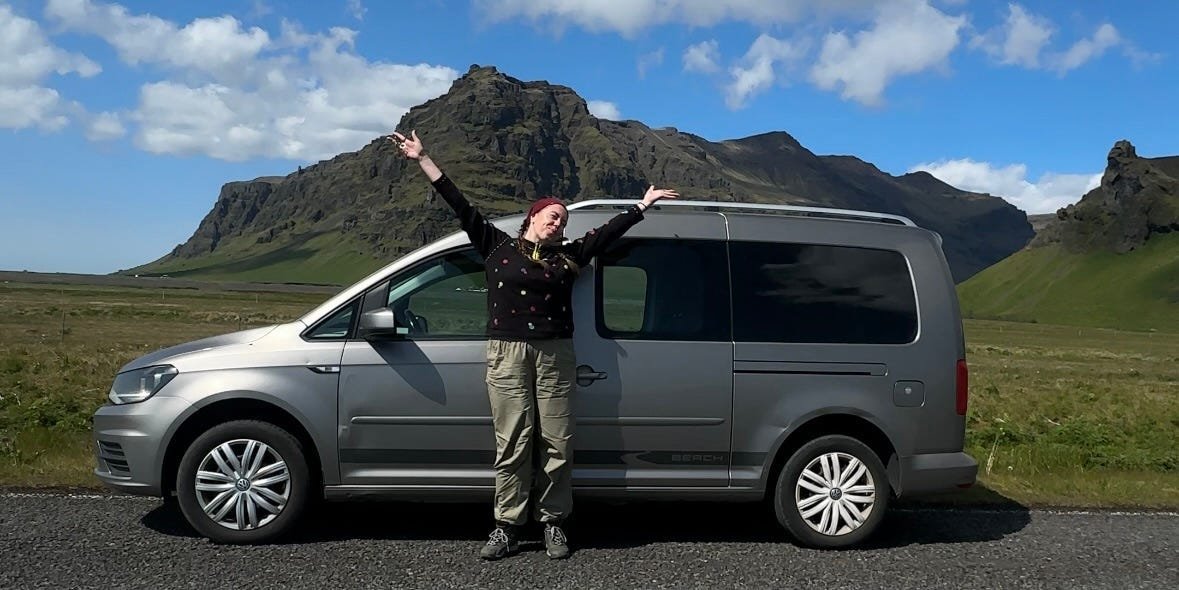
Then, I rented a campervan for three days, with a plan to explore Iceland’s Ring Road.

This trip didn’t entirely change me, but it gave me the confidence to keep solo traveling


Woman with arms up in front of car in Iceland

Seemingly small experiences on my trip helped me build confidence and overcome anxiety.

Lily Voss


No, I didn’t return from Iceland as an entirely different person, nor did I have a transformative “Eat, Pray, Love” experience that changed the fabric of who I am.

Rather, I found that seemingly small experiences on my trip helped me build confidence and overcome so much of the anxiety I’d been struggling with.

I was able to go on my first hike alone and actually enjoy myself. I drove in Iceland’s notoriously high winds solo, staying calm as they shook my van.

Even just being able to sleep (soundly, I might add) in my van at campsites — something I wouldn’t have imagined happening a few years ago — made me feel stronger.

Facing my fears head-on may have even rewired my brain a bit.

After that three-day adventure, I booked another solo trip to Annecy, France, later that summer. I’m still looking forward to going on even more adventures by myself.

Is my anxiety still there? Definitely. However, taking that trip did help me deal with it in a healthier way.

Above all, facing this fear taught me that seeing what’s on the other side of my worries might actually lead me to some of life’s best experiences.


Source link

How-we-spent-1600-on-a-2-day-trip-to-Disney.jpeg

How we spent $1,600 on a 2-day trip to Disney World — and what we’d do differently next time

I’ve been to Disney World many times, and I like to think I know how to do it on a “budget” … at least, a loose one.

Recently, my partner and I planned a last-minute trip to the theme park on our way to visit family in Southern Florida for the holidays.

Between flights, transportation to and from the airport, lodging, park tickets, food, and souvenirs, we spent about $1,600, or $800 each … for about 48 hours in the Disney bubble.

Here’s a look at what we spent, ways we saved, and what we might do differently next time.

We stuck with a value resort since we wouldn’t be spending much time in our room


Author and their partner with suitcases in front of All-Star music hotel

All-Star Music is a value resort at Disney.

Jordyn Bradley


We spent $237 on our flights from Fort Myers, Florida, to Orlando and landed a few hours before we planned to visit Disney World.

By the time we arrived at our value resort, All-Star Music, our room was ready for check-in ($319 for two nights).

We tend to choose value resorts because they are the cheapest hotels on Disney property. Plus, stays come with complimentary bus transportation to the parks and Disney Springs.

All-Star Music was the cheapest of the five Disney value resorts when we booked, and our room provided us with enough space for our short stay.

After grabbing some snacks at the hotel food court ($25), we took a much-needed nap and got ready to visit Magic Kingdom.

Since we attended a seasonal event, we didn’t need buy separate park tickets


Author and their partner smiling with Mickey and Minnie in festive outfits

Mickey’s Very Merry Christmas Party was fun.

Jordyn Bradley


Fortunately, past me unknowingly helped me save during the trip.

I had two unused tickets to last year’s Mickey’s Very Merry Christmas Party — an additional ticketed event held at Magic Kingdom — that I was able to put toward a new party date. I just had to pay the difference, which was $21 for both tickets.

These tickets typically run $169 to $209 per person, and they felt virtually free since I’d already paid for them in the past.

We also didn’t need to buy a park ticket because we were able to enter Magic Kingdom at 4 p.m. on our event day — and we could stay until midnight.

Several drinks and treats were included with our ticket


Author Jordyn Bradley and partner at magic kingdom at night

Our Mickey’s Very Merry Christmas Party tickets came with some freebies.

Jordyn Bradley


When we arrived at Mickey’s Very Merry Christmas Party, we each got an ornament and a Mickey-shaped peppermint marshmallow.

Our ticket also included festive treats and drinks, like cookies and hot chocolate, that we picked up throughout the evening. I’d estimate we consumed at least $30 worth of treats.

We got our sugar fill with those and purchased a few savory bites, like my favorite meal at Magic Kingdom, the ham-and-Gruyère croissant sandwich with chips ($11) at Gaston’s Tavern.

We also got popcorn for only $2.50 because we got a refill in our reusable popcorn bucket — it’s a must-pack item for every Disney trip.

I kept my souvenir purchases to a pair of mix-and-match character ears ($46 for a headband and two characters to go on it) and a commemorative event pin ($23).

The party also included performances, a holiday parade, fireworks, character meet and greets, and access to classic rides (which sometimes have shorter waits than a normal park day).

We got to ride all the Magic Kingdom rides we wanted to (some multiple times) without having to pay extra for line-skipping Lightning Lane passes.

A Magic Kingdom ticket on its own can run upwards of $200 depending on the day, so the special event add-ons, like unique character meet and greets and complimentary snacks, definitely make the ticket price worth it.

These events are my hack to a cheaper Disney day if you’re down to have a late night and stay in one park instead of opting for a flexible-but-pricier park-hopper pass.

If it’s your first time at Magic Kingdom and you can get a one-day ticket for the same price or less than the party ticket, I’d stick with the former so you can go at your own pace.

Our second day was focused on eating around the world at Epcot, and we didn’t spare any expense


piece of carrot cake on plate

I don’t regret buying the carrot cake.

Jordyn Bradley


We purchased two single-day tickets to Epcot for our second day, which cost us $381.

On longer trips, we normally opt for the flexibility of park-hoppers, but we didn’t want to spend our limited time traveling between parks. Plus, the flexible multi-park ticket would’ve cost over $70 more per person.

Since we were staying in Epcot, we didn’t buy Lightning Lane passes.

I don’t think they’re worth it here because the park doesn’t have many rides — plus, we could use single-rider lanes to skip large waits at both Remy’s Ratatouille Adventure and Test Track.

Most of our money was spent at on food and drinks from booths at Epcot International Food and Wine Festival.


Flauta de Barbacoa and Strawberry-Pomegranate in Epcot

We got a lot of drinks and bites during the Epcot International Food and Wine Festival.

Jordyn Bradley


We revisited festival classics, like the filet mignon with mashed potatoes ($20 for two orders) from the Canada pavilion, and tried some new favorites, like the flauta de barbacoa ($9) from the booth in Mexico. We loved the latter so much we got it twice.

Other favorites included the warm carrot cake with cream-cheese icing ($5), which I get every year, and my favorite drink, the Ottawa Apple ($16.50).


Drink and chicken and dumplings in Epcot

The chicken dumplings we had were just OK.

Jordyn Bradley


Some bites were just OK, like the chicken dumplings ($6) in the China pavilion.

However, I’m glad we looked into festival menus in advance to plan which booths we wanted to prioritize. This helped us save time and money while getting me more excited about our trip.

I shelled out the most money on collectible pins


Author and their parter with Rafiki at Disney

I often meet characters and trade pins when I visit Disney.

Jordyn Bradley


Every time I go to Disney, I know I’m going to put most of my souvenir budget toward collectible enamel pins, and this trip was no exception.

Many of these pins can only be purchased at Disney parks, and collecting and trading them is a popular hobby.

On this trip, I was trying to complete a set and only needed one more pin, so I bought multiple mystery two-packs at about $23 each.

Ultimately, I spent $165 on mystery packs, which is more than my share of the hotel. I didn’t complete my set and I ended up with way more pins than I wanted (or needed).

Next time, I’ll buy one or two pins that I can pick out myself instead of mystery packs. I also plan to hold off on buying more until I can swap the ones I don’t want at one of the trading stations in the parks.

We ended our trip with a free activity

After our full Epcot day, our last afternoon was spent walking around Disney Springs.

The shopping and dining spot has free parking and is a nice place to wander if you’re wanting to be part of the Disney bubble without forking over hundreds for tickets.

Then, we headed to the airport for our flights home ($197).

All in all, we enjoyed ourselves and made the most of our 48 hours


Author Jordyn Bradley hugging  Donald Duck

I didn’t calculate what I spent until I got home, but I didn’t shy away from lots of snacks and mystery pin packs, so it’s not surprising how we got there.

Jordyn Bradley


Many people could spend what we did on our two-day trip and stay at resorts with nicer amenities or have more park days and sit-down meals.

However, because this trip was last-minute, we were happy with anything we made the time for, and since it was shorter, we felt better about having a higher food and souvenir budget.

Those were our priorities, especially since we never spend enough time at our hotel to justify booking a nicer one at a higher nightly rate.

We could’ve made the trip more affordable by spending less on souvenirs, which we will likely do next time. However, now I have more pins to trade for my next trip — and a way to remember one of our favorites.


Source link

Ive-visited-Las-Vegas-several-times-—-the-best-part.jpeg

I’ve visited Las Vegas several times — the best part of every trip is less than an hour outside the city

“One time is enough.”

That’s what I’d heard countless times about visiting Las Vegas before making the trip myself. I’d always wanted to go, if only to have that once-in-a-lifetime experience.

Turns out, one time wasn’t enough. I’ve been five times now, and I have no doubt there will be a sixth. The nightlife and gambling aren’t what keep me coming back, though.

These days, I skip the casinos and explore nature instead — and one of my favorite places is about 45 minutes outside the city: Valley of Fire State Park.

There was no turning back once I found a side of Vegas I didn’t know I was missing


Atlatl Rock in Valley of Fire

Valley of Fire has some incredible sandstone formations.

Erin Sanchez


In 2013, I went to Vegas to celebrate surviving grad school with a couple of friends.

Being first-timers, we wanted to see everything the Las Vegas Strip had to offer. About 28,000 steps and a midday shoe change later, we felt we’d seen all we could in a single day.

That first trip was a whirlwind of neon lights and shirtless men dancing on tabletops (they don’t call it “Sin City” for nothing). It was fun, but I wondered if there was even more to experience in the area beyond the sensory overload of the Strip.

Flying into Las Vegas from Seattle, I’d noticed the rugged, desert mountains surrounding the city. Those same mountain ranges also caught my eye from the mayhem of the Strip.

A couple of years later, when I returned to the city with my husband, I’d finally get to see them up close.


Arch rock in  Valley of Fire

Valley of Fire State Park looks otherworldly.

Erin Sanchez


After a day on the Strip, the two of us decided to get out of the city and visit the Valley of Fire. We didn’t know much about the park, but the impressive Google images and proximity were enough to convince us to check it out.

We rented a car, then headed northeast of Las Vegas and found ourselves in a sea of sand and rocky red outcroppings within an hour.

After paying a small entry fee, the booth attendant gave us a detailed map and tips for avoiding heatstroke. Then, we spent the entire day exploring the geologic wonders of the Mojave Desert.


Petroglyphs on Atlatl Rock

We even spotted markings on some of the rocks in Valley of Fire State Park.

Erin Sanchez


The 40,000-acre recreation area had awe-inspiring sandstone formations, ancient petroglyphs, and hiking trails with Instagram-worthy photo ops around every corner.

Besides roaming the richly saturated — often gravity-defying — petrified sand dunes, we also spotted lizards scurrying across the trails and hordes of adorable ground squirrels in the picnic areas.

Out here, I didn’t hear the constant dinging from slot machines, the mashup of strangers’ conversations, or the evangelists along the Strip admonishing passersby through megaphones.

I found everything I was looking for in a weekend getaway: sun, serenity, and spectacular scenery. Now I make it a point to escape to the Valley of Fire whenever I visit Las Vegas.

Vegas can be the perfect getaway, though maybe not in the way you might expect


Author Erin Sanchez standing among red rocks in Valley of. Fire

I’ve now visited the Valley of Fire State Park several times.

Erin Sanchez


One time in Vegas might be enough for some people, but not for me.

In addition to offering endless food and entertainment options, the city has no shortage of beautiful nearby spots for nature lovers and outdoor adventurers.

For those of us on the West Coast, Vegas is the perfect destination for a quick trip. It’s just a short flight away, and you can find great deals on resorts, especially when you travel during the less crowded summer and winter months.

If you’re looking to add more than Valley of Fire State Park to your desert itinerary, you can also easily make day trips to places like the Hoover Dam and Red Rock Canyon.

And as for whether I’m already planning my next trip — you can bet on it.


Source link