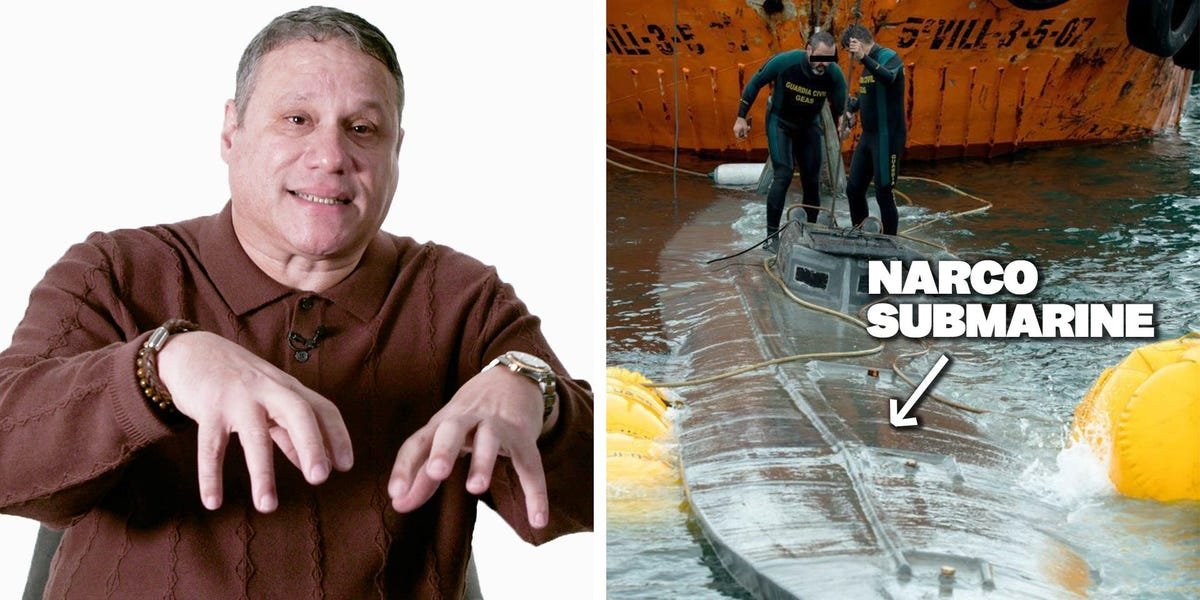
Andrew Pritchard was arrested for smuggling $130 million dollars worth of cocaine through the Caribbean to Europe using shipping containers in the 1990s and 2000s.
Pritchard initially smuggled cocaine for the UK club scene using hard-sided suitcases packed with concealed drugs and decoy luggage to evade airport security. He then began smuggling from Guyana to the Caribbean to the UK, shipping in containers packed with legal goods such as fruit.
In 2004, he went to meet a shipment of cocaine disguised as counterfeit cigars, which was seized by a Customs task force. Following two trials and 18 months on remand, Pritchard was acquitted. In 2013, he was arrested in a dramatic high-speed chase and later sentenced to 15 years for intent to supply and perverting the course of justice. He served his sentence in Belmarsh prison in the UK.
Pritchard has published two biographies: “Urban Smuggler” in 2008 and “Empire of Dirt” in 2026. He runs an ex-offender charity, the AP Foundation, to discourage young people in the UK from crime
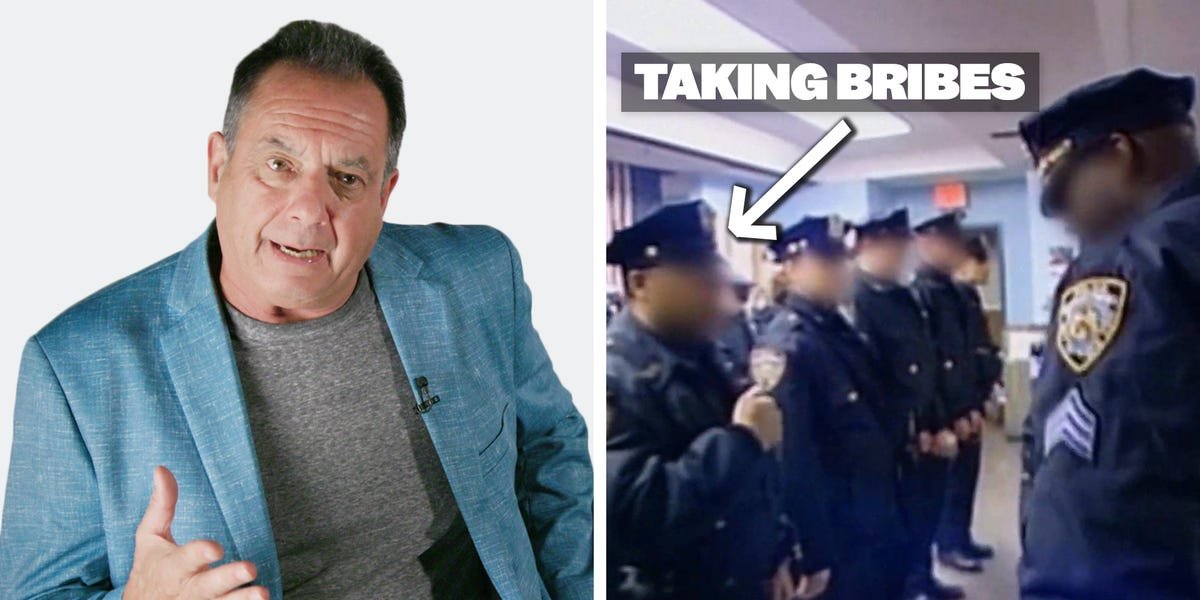
Mike Dowd is a former New York City Police Department officer who became involved in drug dealing while on the force. He was arrested in 1992 and later convicted of racketeering and conspiracy to distribute narcotics, serving 12 years in federal prison.
He speaks to Business Insider about how police corruption starts and spreads inside a precinct. He breaks down why some officers turn corrupt, how the NYPD investigates its own, the risks officers take when they cross the line, and how much money is involved in drug-related corruption. He also outlines what could be done to improve police accountability and prevent similar cases.
Dowd now works on podcasts, books, and courses with the New Solutions Network, and is developing a premium cigar line with Adam Diaz.
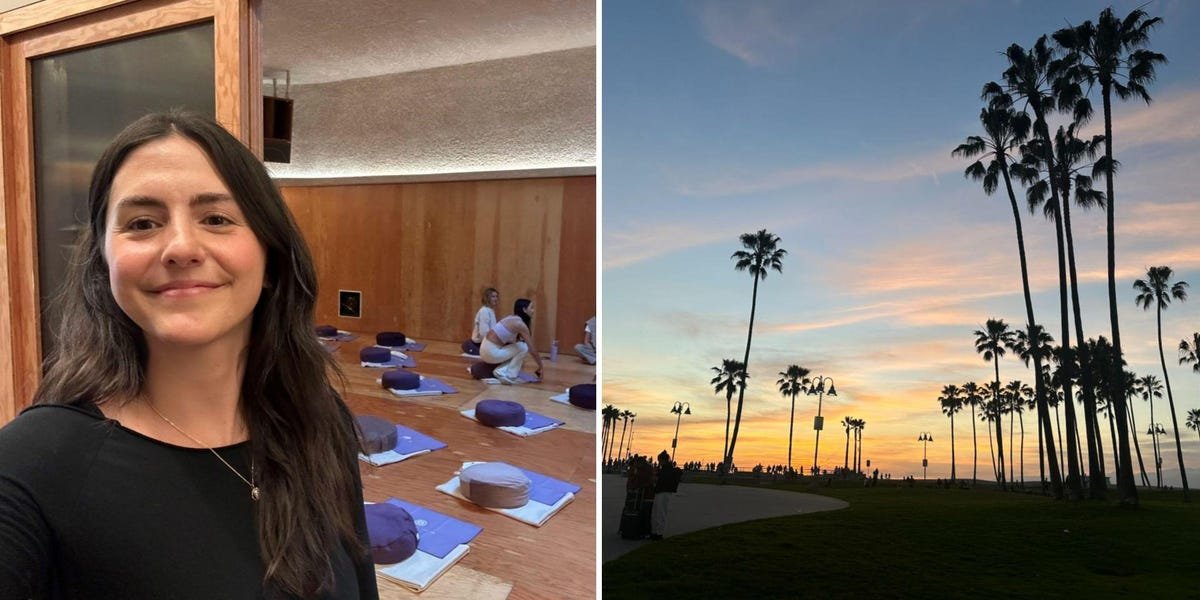
It was a scene you’d expect at a Wednesday afternoon wellness class in Los Angeles. About 40 people with matching athleisure sets, iced matcha lattes, Salomon sneakers, and at least one Fendi baguette filed into a meditation studio tucked in an alley just off the Venice boardwalk.
Toryo Ito, a Japanese Zen Buddhist monk, was already seated at the front of the room. A sculptural, oblong skylight cut into the ceiling, casting a beam of sunlight onto the floor. He sat cross-legged, wearing a black robe, with a set of small tools laid out before him: an incense holder, a spray bottle, and various blocks and mallets made with metal or wood.
Ito is the vice abbot of Ryosokuin Temple in Kyoto, which dates back over 600 years. His modern approach to Zen has made him something of an ambassador for mindfulness in the corporate world, leading meditation workshops for companies like Meta and Salesforce.
Marc Benioff, Jack Dorsey, Alex Karp, and other business and tech leaders have embraced mindfulness practice. Meditation apps have raised hundreds of millions in funding, and companies are increasingly offering programs to employees to combat burnout and improve performance.
As a business reporter living in California, the wellness capital of the US, my prior experience with meditation mostly consisted of adding it to the list of habits I’d like to start each new year, and then proceeding to complete a handful of five-minute sessions sporadically, primarily as a means to squeeze in a little sun time before a full day at my desk. Maybe a class with a real-life Zen monk would be just the motivation I needed.
What I’d actually find was that my concept of meditation was way off and that it’s a lot simpler — and more attainable — than I’d made it out to be.
Meditation does not mean thinking about nothing
The class was held at the Venice studio of Open, a mindfulness startup, and organized by Tatcha, a luxury skincare brand whose founder has her own corporate-to-mindfulness origin story. Vicky Tsai worked on Wall Street as a credit derivatives trader before quitting to start Tatcha. She met Ito in 2016 during a class at his temple in Japan. He became the company’s first-ever “global well-being mentor” in 2021.
Toryo Ito sat still and at ease while most of us fiddled with our phones.
Kelsey Vlamis
Attendees — Tatcha fans who had signed up for the class through their socials — took photos of the room and spoke quietly to one another. Some set up cameras to record themselves. One attendee took an especially aesthetic flat-lay shot of her Tatcha-branded mat and towel alongside her purple shoulder bag, which matched perfectly.
I was immediately struck by the contrast between Ito and the rest of us.
Ito sat erect but calm, doing nothing. Sometimes he looked around the room and smiled. Other times, he looked ahead or softly closed his eyes. He didn’t fidget. Meanwhile, the rest of us were on our phones, taking photos, scrolling, anything but simply sitting still.
After about 10 minutes, the room quieted, and all attention shifted to him.
He welcomed us and asked if anyone had been to Kyoto, seeming surprised when a good chunk of the room raised their hands. He said Zen emphasizes two concepts: mindfulness and expanding the boundary of the self in order to dissolve it.
Ambitious, I thought, but intriguing.
Ito said that while there’s no perfect meditative state, we should focus on paying attention. The class was broken into three rounds of meditation, each lasting 10 minutes, give or take, during which we sat in silence with our eyes closed.
For the first session, he told us to pay attention to what we heard and smelled: the chime he rang to start the session, the birds chirping on the nature soundtrack playing in the studio, the air conditioner kicking on, the sound of a spray bottle, and the earthy smell that followed. He rang another chime at the end of the session, which felt like it flew by as I tried to focus on my senses.
For the second session, he told us to focus on the sensations in our bodies and had us lift one arm, hold it in place, then the other. Lastly, he asked us to meditate on a series of questions related to self-love: What color do you associate with self-love? “Light pink,” I thought. What drink? “Sparkling water.”
It was more involved than I expected. I thought the point of meditation was not to think about anything. What Ito taught me was that it’s actually about noticing.
“Intentionally disrupt that autopilot,” Ito told me after the class, adding that he prefers dynamic meditation, like walking, where you can feel the grass beneath your feet.He said he’d spent time earlier that day walking through Venice Beach.
The Open studio was a short walk away from the Venice boardwalk.
Walter Cicchetti/Getty Images
For people with high-stress jobs, Ito said meditation can be practiced in small moments throughout the day, for 10 minutes or even just one. He recommends lighting incense and actually paying attention to the smell. When you drink coffee, notice the taste.
Doing these little practices of just noticing things you previously missed can bring the benefits of mindfulness, which he said include stress management, increased creativity, and openness to new ways of thinking.
Small moments of noticing
When the class ended, the first thing I noticed was how different the attendees seemed.
There was a newfound stillness that had previously been missing, and very few immediately reached for their phones. We sat in silence, no one rushing to get up, as several people shared how they felt with the whole class.One busy mom said she felt “at peace.”
I did not become a perfect meditator that day — although Ito would likely say there’s no such thing — but what I learned was that I actually meditate, or practice mindfulness, more than I realized.
Each time I take a walk without headphones and notice the smell of jasmine. Or when I’m camping and zone out in front of the fire, doing nothing but observing the movement, warmth, and sound of the flames.
Which also might explain why, after each of these experiences, I feel some of the benefits that ancient wisdom and modern science have associated with meditation: lower stress, better sleep, and an overall sense of calm.
Since the class, I’ve been a bit more lenient with myself about what counts as meditation, which has helped me prioritize and appreciate these small moments of noticing.
The idea of noticing the taste of your coffee as a mindfulness practice might feel a bit silly. Then again, it’s a bit silly that I’ll weigh and grind my own beans, pull espresso in my expensive machine, and drink it in front of my computer, without even noticing once I’ve finished.
This story is available exclusively to Business Insider
subscribers. Become an Insider
and start reading now. Have an account? .
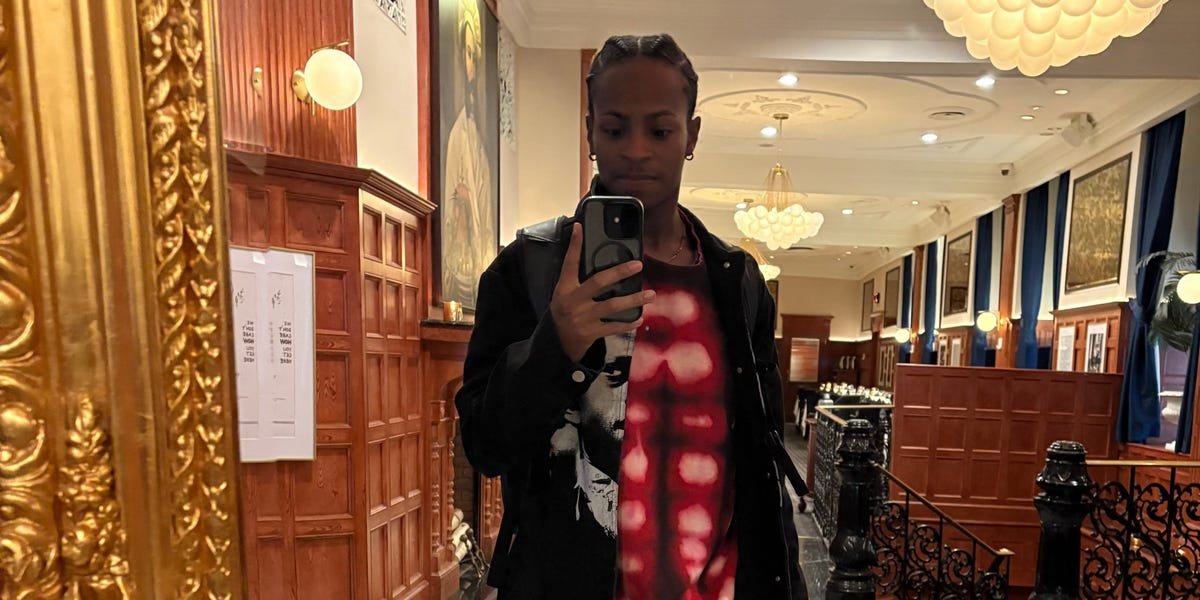
Demarre Johnson, 23, appeared in a viral photo shoot published by Interview magazine last week.
PwC on Friday confirmed Johnson had left the company, saying he departed in mid-February.
A person familiar with the matter told Business Insider his exit wasn’t related to the magazine pictorial.
One of the “finest boys in finance” — whose splashy magazine spread last week was the talk of Wall Street — is no longer with his firm.
In a statement to Business Insider, PwC confirmed that former associate Demarre Johnson is “no longer an employee and left the firm in mid-February.”
Johnson went viral last week after he and three junior bankers were featured in designer clothing in an Interview magazine photo shoot published March 4. A person familiar with the matter said his departure was not related to his magazine appearance.
The 23-year-old, who spoke with Business Insider twice after the magazine story, didn’t comment when a reporter reached him on Friday.
The Babson College graduate talked to Business Insider last week about being chosen for the spread, saying he knew it would make headlines because “controversy sells.”
“My initial reaction was, ‘Oh, they’re going to clown us because we think we’re pretty,'” Johnson said. “That’s exactly what happened.”
The photo shoot generated instant discourse among Wall Street insiders who took to social media to vent about the stereotypes they said it portrayed and the unofficial rules it broke — including not outshining your bosses.
Bankers buzzed about whether the participants — who also worked at Goldman Sachs and Barclays — got approval from their employers before going in front of the cameras. Goldman said that “media relations did not approve these interviews.” The other firms didn’t comment at the time.
Johnson, who has a vibrant social media presence, said on Monday that he’s been careful about social media posts he’s made about his job. “If I built the multibillion-dollar bank business, I would hate if one of my associates formed my company’s image with one video,” he told Business Insider.
Other participants in the shoot have avoided the spotlight since its release, but Johnson reposted feedback about the story on his social channels.
“I’m viral on twitter,” he said in one post, with four crying emojis.
Joaquin “Jack” Garcia is a retired FBI agent who worked 24 of his 26 years in the bureau undercover. He spent three years infiltrating the Gambino crime family under the alias “Jack Falcone.”
Garcia talks to Business Insider about his unconventional entry into the FBI, including challenges with his weight and Cuban background. He discusses the “mob school” he attended to learn about the mannerisms and foods of New York’s Italian mafia.
Garcia’s close relationship with the Gambino captain Greg DePalma and key events such as a violent assault in a Bloomingdale’s led to the indictment of 32 mobsters.
He recounts being proposed for membership in the family before the FBI prematurely ended the investigation. He contrasts the romanticized Italian mob with the greater brutality of drug cartels and discusses other major cases he worked, including police corruption in Hollywood, Florida, and Boston.
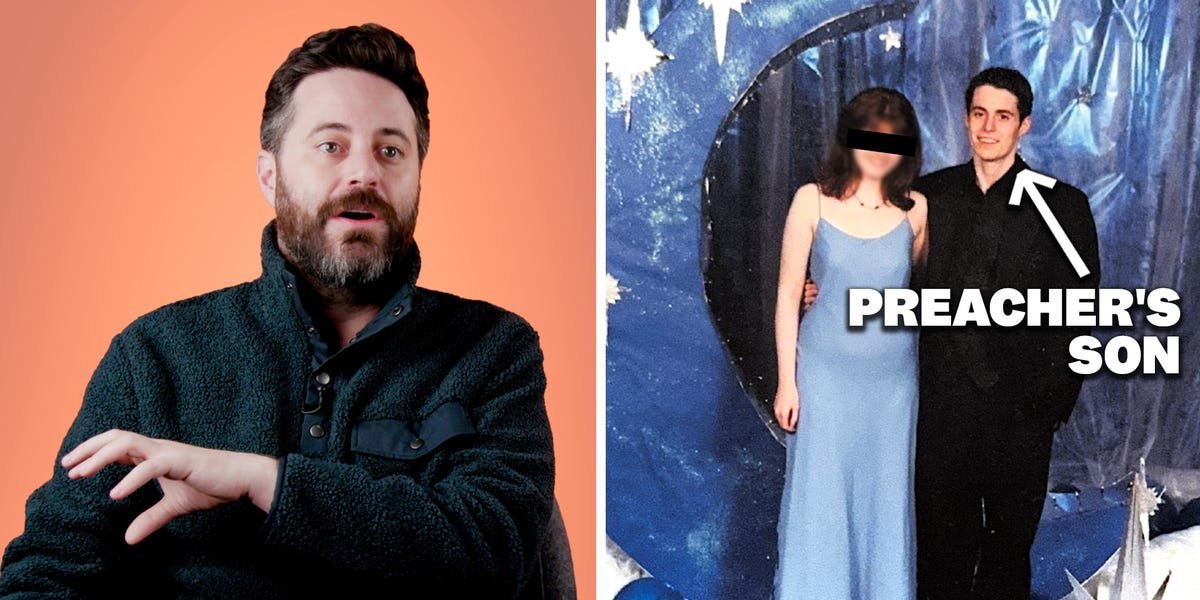
Garrard Conley was enrolled in the now defunct Love in Action conversion therapy program in Memphis, Tennessee, at age 19. He was sent there by his parents after a classmate disclosed his sexual orientation to them following an assault. Conley grew up in a deeply religious family in rural Arkansas. He says he had to attend the program or face rejection from his family, and he ultimately agreed to enter the program.
Conley talks to Business Insider about the long-term harms of the practice, how it remains legal in much of the US, and how a new Supreme Court case threatens to strip away the few protections that currently exist.
In 2016, years after leaving the program, Conley published a memoir titled “Boy Erased,” which was later adapted into a film. He’s since reconciled with his parents and has dedicated much of his work to educating the public on the dangers of conversion therapy. His educational podcast, “Unerased,” traces the history of the conversion therapy movement. The final episode features John Smid, the former director of Love in Action, who has since disavowed the practice and come out as gay.
If you are a survivor of sexual assault, you can call the National Sexual Assault Hotline (1-800-656-4673) or visit its website to receive confidential support.
Jacob Skidmore was diagnosed with narcissistic personality disorder, or NPD, in 2022. He’s known online as the Nameless Narcissist.
Skidmore uses his platform to explain how narcissism actually feels from the inside — a constant calibration of admiration, shame, control, and image. He speaks to Business Insider about what drives narcissistic behavior, the difference between confidence and pathology, and what recovery and responsibility look like for someone who knows they hurt others and still wants to change.
Awareness of NPD is at an unprecedented level. Increasingly, people who identify with NPD are sharing their experiences through social media and public interviews.
If you or someone you know is dealing with substance misuse or mental illness, call the Substance Abuse and Mental Health Services Administration’s National Helpline (1-800-662-4357) for 24/7, free, confidential treatment referral and information.
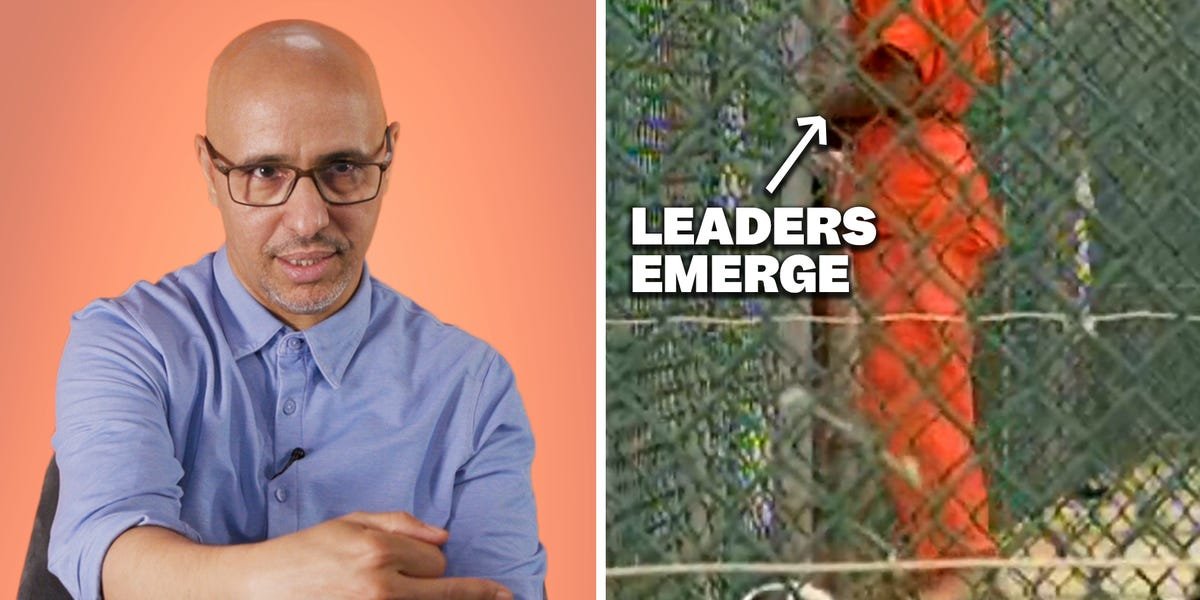
Mohamedou Ould Slahi was imprisoned without charge at Guantanamo Bay for nearly 15 years.
Ould Slahi speaks to Business Insider about the prison layout, the facilities, the food, and yard time. He reveals what torture methods were used and how guards interacted with detained people.
Arrested in 2001 and transferred through various prisons before arriving at Guantanamo, Slahi endured years of torture and harsh interrogation under the US government’s post-9/11 counterterrorism efforts. He was detained on suspicion of terrorism, but no charges were ever filed against him.
His memoir, “Guantánamo Diary,” was released in 2015. It was adapted into a feature film, “The Mauritanian,” starring Jodie Foster and Tahar Rahim. Slahi now writes and speaks about human rights, justice, and reconciliation.