
Tanker ships are sailing through the Strait of Hormuz. Here’s what ‘completely open’ looks like right now.
Read the original article on Business Insider
Source link
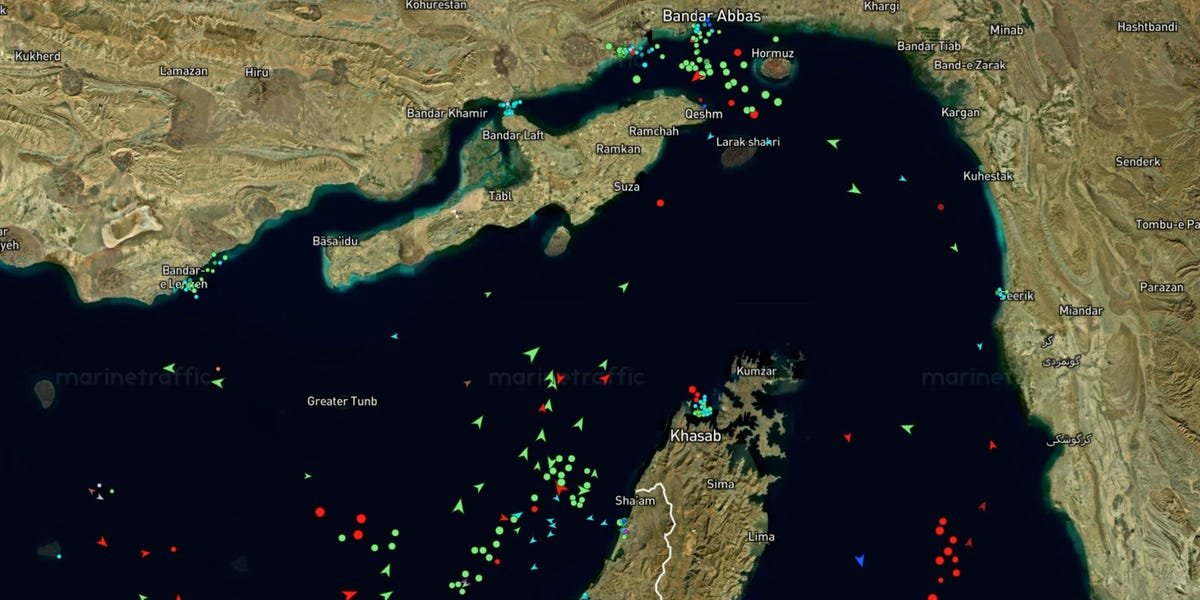
Tanker ships are sailing through the Strait of Hormuz. Here’s what ‘completely open’ looks like right now.
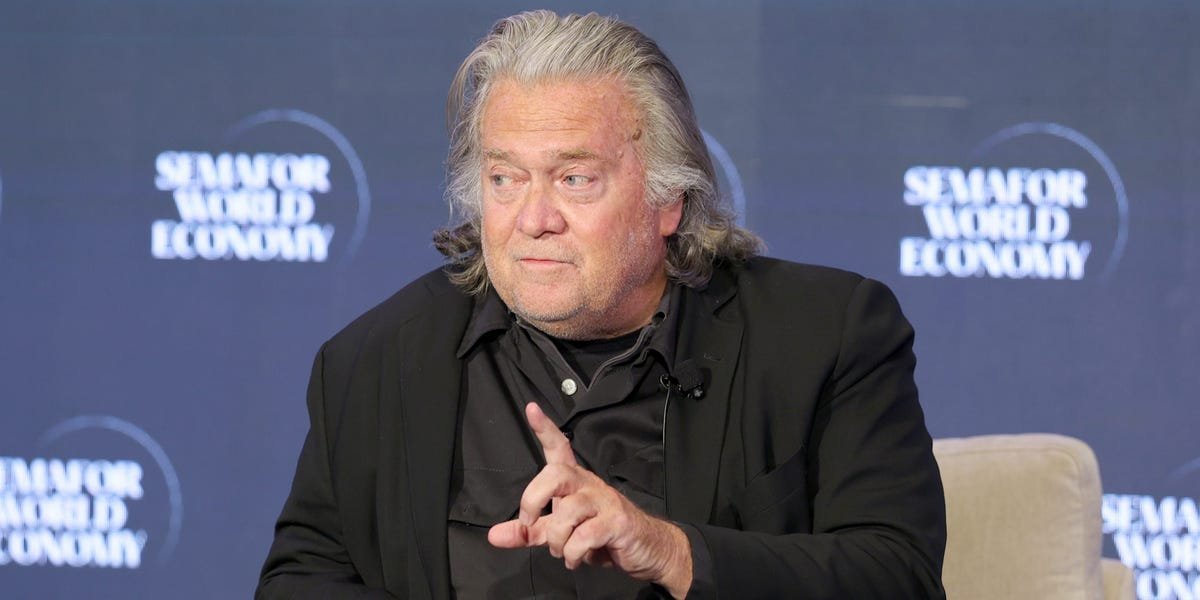
At least one person in Trump world believes Anthropic was correct to reject a deal with the Pentagon.
“I think Anthropic had it right,” former White House chief strategist Steve Bannon said during the Semafor World Economy Summit in Washington, D.C., on Thursday.
Bannon said allowing the Pentagon to operate Anthropic’s frontier model — Claude — with little guardrails is “too dangerous.”
Bannon, who’s criticized the development of superintelligent AI, said there needs to be greater transparency about how weapons manufacturers will use AI.
“The central thing is what is happening in the weapons lab with AI,” Bannon said. “We have no earthly idea.”
The clash between Anthropic and the Pentagon began in February amid negotiations about the military using Claude. Defense Secretary Pete Hegseth pressed the company to accept its terms of use or risk losing its contract with the military.
In a blog post, Anthropic CEO Dario Amodei said the company “cannot in good conscience accede” to the Pentagon’s requests. Specifically, Amodei said the company had concerns over two issues: mass domestic surveillance and fully autonomous weapons.
Anthropic’s refusal drew a swift response from the Pentagon, which effectively blacklisted the company by labeling it a supply chain risk and barring federal agencies from using the tech. Anthropic filed a lawsuit in March against Hegseth, the Pentagon, the Executive Office of the President, and other federal agencies over the blacklist efforts.
The Pentagon, meanwhile, quickly made a deal with Sam Altman’s OpenAI.
Despite the legal and business fallout, Anthropic won big in the court of public opinion. Claude temporarily overtook ChatGPT in the App Store, and the company garnered praise for standing its ground.
More recently, Anthropic made headlines with the announcement of its new model, Mythos. The company said it paused the model’s release due to cybersecurity concerns.
“Claude Mythos Preview’s large increase in capabilities has led us to decide not to make it generally available,” the company wrote in the preview’s system card. “Instead, we are using it as part of a defensive cybersecurity program with a limited set of partners.”
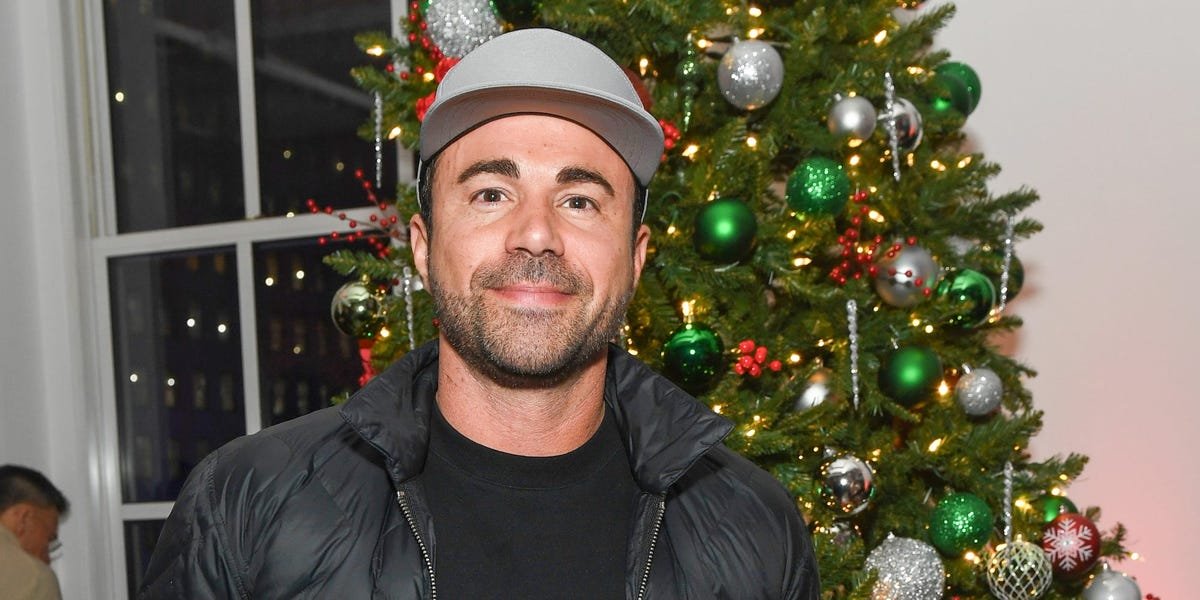
Netflix co-CEO Ted Sarandos says the streamer’s push into podcasting and YouTube-born content is bearing fruit.
Sarandos specifically called out science educator Mark Rober’s show as an early success. He stressed that Netflix was both allowing the YouTube star to reach a larger audience and also sell more of his science kits.
“What he saw was a big increase in his consumer product sales after this first week on Netflix, even though he reaches an enormous audience around the world,” Sarandos said in a new interview with POLITICO, which, like Business Insider, is part of the Axel Springer Global Reporters Network.
On “Mark Rober’s CrunchLabs,” which launched in November, the former NASA engineer stages science experiments and competitions in his backyard.
Sarandos said he was also bullish on Netflix’s Pete Davidson interview show, as well as its official behind-the-scenes podcasts about popular shows like “Bridgerton.”
“I think a video podcast is just the evolution of talk shows,” Sarandos said.
YouTube, already the top US streaming TV service, has solidified its position as the No. 1 destination for podcasts. Netflix has been looking to challenge YouTube by luring some of its star creators like Rober and preschool educator Ms. Rachel. Netflix also rolled out a slate of video podcasts early this year, including Bill Simmons’ show, Charlamagne Tha God’s “The Breakfast Club,” and Barstool Sports fare.
Some creator reps have wondered whether Netflix can turn its viewers into habitual consumers of video podcasts, and whether leaving YouTube will cost creators in audience and revenue. Netflix has sought video exclusivity with many of its podcast deals, while some YouTube creators’ deals, like Rober’s and Ms. Rachel’s, have been nonexclusive.
Sarandos said Netflix was seeing “promising numbers” from its podcasts, which focus on subjects like comedy, sports, and true crime, areas that already do well on the platform. He didn’t share specific figures.
As broadcast TV audiences have shrunk, viewership for traditional talk shows has declined, and Sarandos acknowledged the difficulty of porting the format to streaming services. Netflix has had some growing pains with talk shows, which often haven’t drawn huge audiences.
“We have tried to and failed at many talk shows over the years,” Sarandos said. “Much smaller audiences tune into multiple shows in the form of a podcast every day. It’s a deeper relationship than it is a broad one. So, instead of trying to make one show for the world, you might have to make hundreds or thousands of shows for the whole world.”