
Meta-releases-Muse-Spark-the-first-model-from-Alexandr-Wangs.jpeg

Meta releases Muse Spark, the first model from Alexandr Wang’s AI team

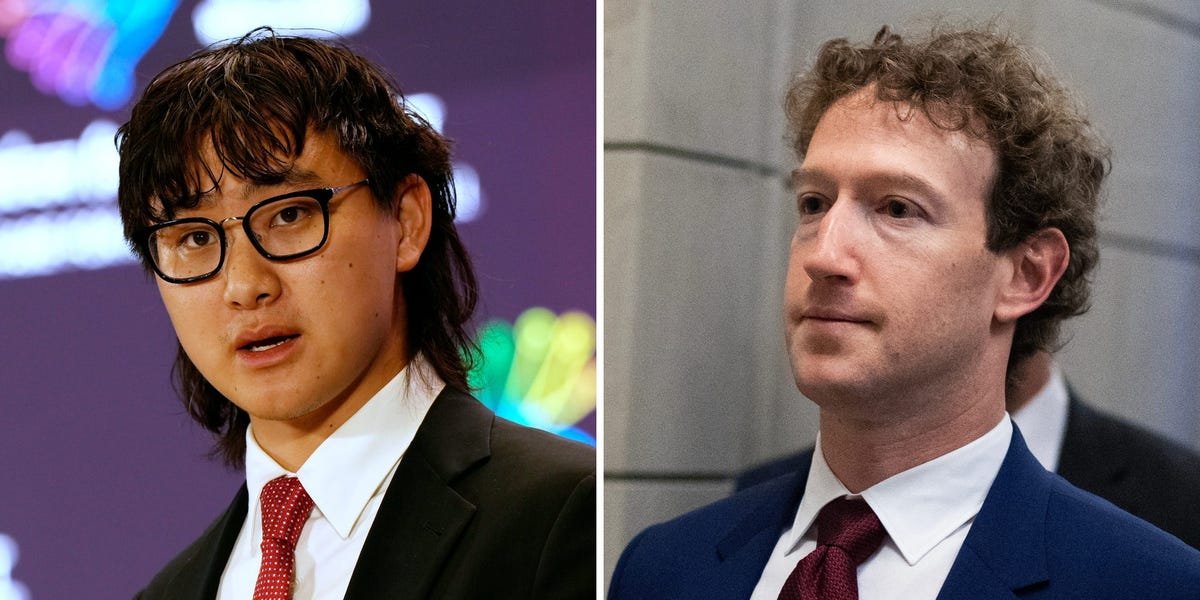
We finally have our first glimpse at what Mark Zuckerberg paid $14 billion for.

Zuckerberg spent months staffing up its Superintelligence Labs division after he determined Meta needed an AI overhaul. It invested billions in Scale AI to bring Alexandr Wang in-house to lead the unit and engaged in a pricey talent war, poaching employees from its competitors with eye-watering pay packages.

Now, the AI model Wang’s team has been working on is here: Muse Spark.

In a blog post, Meta announced that it was the first in the Muse family of AI models developed by Meta Superintelligence Labs.

“Nine months ago we rebuilt our AI stack from scratch,” Wang wrote on X. “New infrastructure, new architecture, new data pipelines. Muse Spark is the result of that work.”

Meta says Muse Spark includes a “contemplating mode” to orchestrate multiple agents simultaneously, improved health responses in collaboration with 1,000 physicians, and a shopping feature that turns creator and brand content across Meta platforms into recommendations.


Meta compared its

Meta compared its “contemplating mode” to Gemini 3.1’s “deep think” and GPT 5.4 Pro. 

Screenshot via Meta


Meta’s stock jumped 8% after the announcement. Muse Spark is available on the Meta AI site and in the app.

Nicknamed “avocado” internally, previous reports indicated that the new model would be better at coding. In its blog post, Meta referred to coding workflows as an area with “current performance gaps” that it would continue to invest in.

Meta says that it conducted “extensive safety evaluations” on Muse Spark. The model shows “strong refusal behavior” for questions about high-risk subjects like chemical weaponry.

The company also conducted a third-party evaluation with Apollo Research, which found that it had “the highest rate of evaluation awareness of models they have observed,” per the blog post.

Wang wrote that his team has more models on the way, some of which will be open-source. “This is step one,” he wrote.

Zuckerberg posted on Threads that the model was the “first milestone” toward giving everyone personal superintelligence.

“We are building products that don’t just answer your questions but act as agents that do things for you,” Zuckerberg wrote. “I am optimistic that this will support a wave of creativity, entrepreneurship, growth, and health.”



Source link

Meta-CTO-shares-7-traits-he-likes-to-see-in.jpeg

Meta CTO shares 7 traits he likes to see in an employee

Want to work at Meta? Boz just gave you a guide.

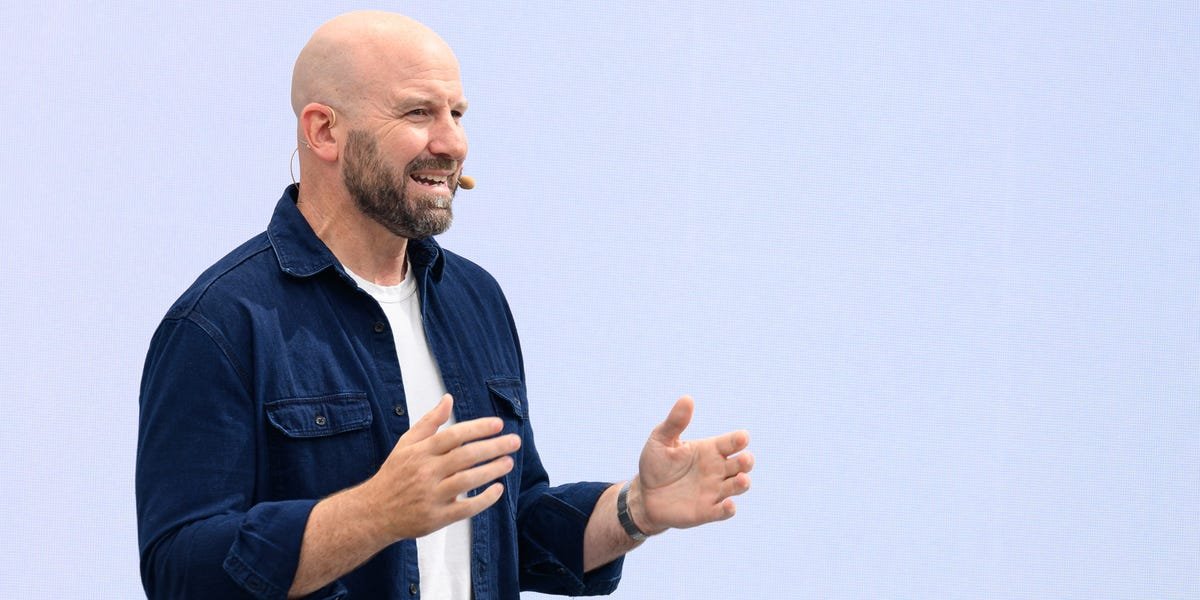
Andrew Bosworth — also known as “Boz” — is Meta’s chief technology officer, overseeing divisions from the metaverse and gaming to AI glasses. On Monday, a respondent to his Instagram AMA asked what “type of person” thrived at Meta.

“It’s a good question,” Bosworth said. “You should probably ask my org.”

Bosworth went on to share seven traits that he liked in an employee.

First, they have to be “relentless in pursuit of doing great work.” Meta employees take “pride and ownership” in their work, he said. They also “take it personally.”

Two of Bosworth’s tips were based on communication. Good Meta employees are both direct and appreciate directness in return.

Employees should take direct communication “in the spirit it’s intended and turn it into progress,” Bosworth said.

Direct communication can cause conflict. Luckily, Bosworth has a solution there, too. In a September blog post, he shared four steps for resolving workplace disputes, something that he has done “so many times” that he sometimes uses the same tools on himself.

Another trait Bosworth valued was the ability to roll with the punches. Bosworth called this being “adaptable.”

“When plans change, their first reaction isn’t a knee-jerk fear of change, but rather a tremendous curiosity and enthusiasm about what that might mean for them,” he said.

Indeed, things often change at Meta — including in Bosworth’s divisions. In his last AMA, he explained the company’s stance on VR after recent cuts. Bosworth said the company was still “bullish,” but its investment had to “match the size of growth.”

The final trait Bosworth said he looked for?

“Just a good person,” he said.


Source link

Pranav Dixit

Meta is forming a new AI engineering org for its superintelligence push, with teams as large as 50 people per manager

Meta is establishing a new applied AI engineering organization designed to accelerate the company’s push toward superintelligence, according to two employees familiar with the matter.

The new organization will be headed by Maher Saba, a vice president at Reality Labs, the division responsible for Meta’s metaverse products and AI-powered smart glasses. Saba’s new group will report directly to Chief Technology Officer Andrew Bosworth. Teams within the organization will have manager-to-employee ratios of up to 1:50, the people said.

Meta declined to comment.

The group will work in close partnership with Meta Superintelligence Labs, the organization that Meta created last summer and is led by former Scale AI chief Alexandr Wang, to oversee the development of Meta’s frontier AI models. Saba’s team will build “the data engine that helps our models get better, faster,” according to an internal memo, sources said. The Wall Street Journal first reported about the memo.

The new organization will have two distinct teams: one focused on building interfaces and internal tooling, and another dedicated to helping feed the AI with data.

Saba wrote in the memo that “building great models isn’t just about researchers and compute,” according to the employees.

Saba added that the group aims to turn capable AI models into market-leading ones. He pointed to recent AI research gains in reinforcement learning and post-training as evidence that Meta has an opening to accelerate if it invests more aggressively in this area, the people said.

The unusually flat structure reflects a broader organizational philosophy that CEO Mark Zuckerberg outlined during Meta’s most recent earnings call. Zuckerberg told investors that Meta is “elevating individual contributors and flattening teams” and said the company is already seeing “projects that used to require big teams now be accomplished by a single, very talented person.”

Another Big Tech company, Nvidia, is also known for its flat structure, with CEO Jensen Huang having over 30 direct reports.

Have a tip? Contact Pranav Dixit via email at pranavdixit@protonmail.com or Signal at 1-408-905-9124. Use a personal email address and a nonwork device; here’s our guide to sharing information securely.


Source link