
My-husband-and-I-started-doing-adult-paint-by-numbers-to-get.jpeg

My husband and I started doing adult paint-by-numbers to get off our phones. The hobby’s benefited us more than we expected.

I’m stuck in a doomscrolling loop again.

My algorithm drags me down the rabbit hole of videos people posted to social media to declare 2026 as the year they … get off social media.

I see more and more videos with mass declarations to “go analog” and focus on screen-free activites. The irony is thick, but with the world on fire around me the sentiment has appeal.

I’m not naive enough to think this movement is new or will last in any meaningful way, but participating seems like a nice way to take a breath and find some good in the rubble.

As I watch another video and then one more, an idea starts to take root. What if I start a new hobby to get off my phone, even if just for a little while each day?

And what if my husband joins me?

Although it felt out of our comfort zone, we bought paint-by-number kits


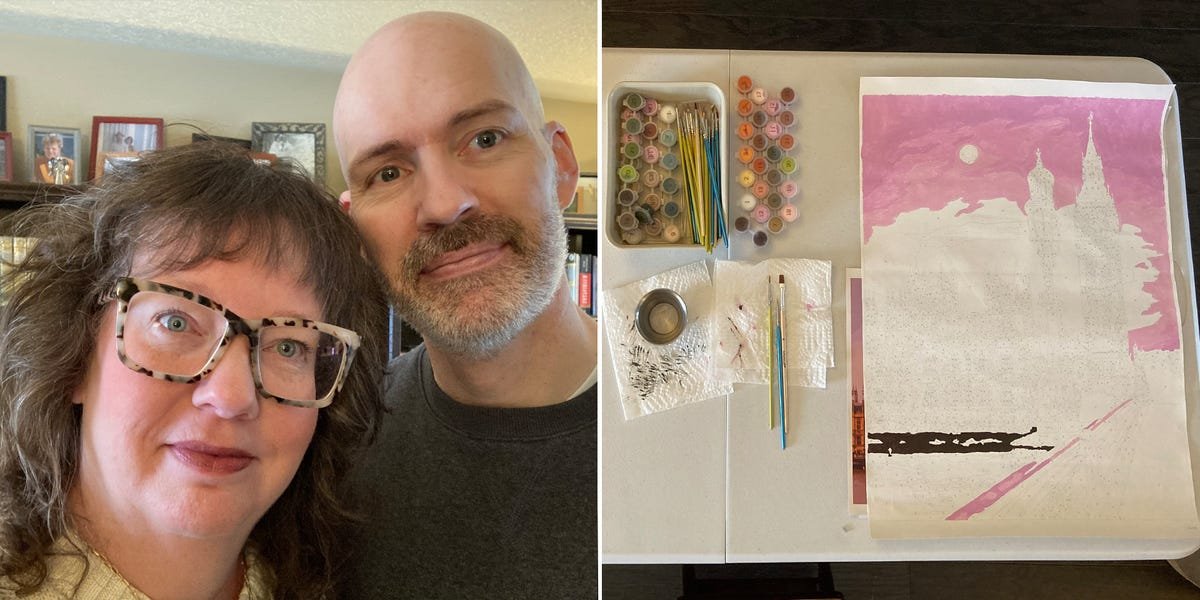
Table with paints, papers with partially painted artwork

I started doing paint-by-number canvases with my husband.

Tawnya Gibson


When I share this idea with my husband, he brings up the idea of buying paint-by-number kits that are designed for adults.

It’s far out of our comfort zone. But before either of us have a chance to talk ourselves out of this, we pop into an art store.

We both decide to buy larger canvases mostly to have a longer-term project, not because we are certain we have the right abilities. About $30 later, we’re still wondering what we are thinking.

When we get home, we bring down a folding table from our office. It’s just the right height to share as we sit on our loveseat, water, brushes, and paper towels between us.

Keeping our paints separated, we turn on reruns of “New Girl,” grab our reading glasses and glob the colors on our canvases — him a streetscape of Brooklyn, me a skyscape of London — both quietly hoping they’ll be nice enough to hang on our bedroom wall when we’re done.

These nights off our phone become our lifeline to feeling lighter, like when we were first married


Man and woman wearing hats, smiling

It’s nice that a simple hobby has helped us talk and laugh more.

Tawnya Gibson


Several things soon become clear. First, we may have overestimated our abilities and how difficult an adult paint-by-number could be.

Next, we are taking vastly different approaches to the task. I am starting with the larger areas, swirling my brush and not coming close to the canvas edge until the very last minute, desperate to not make a mistake.

My husband goes for the smaller details in the darkest color. He has read all the instructions. I’ve tossed mine straight into the recycle bin.

Our personalities are similar until they aren’t. I have a need to catastrophize before I build a plan. My husband is logical with a more black-and-white way of thinking. I feel these differences highlighted as we paint.

Over the span of two or three episodes of “New Girl,” I’ve delayed starting, given up, and restarted a dozen times. My sky looks terrible, punctuating my lack of artistic talents.

I declare total disaster in between every laugh, fret about running out of pink sky No. 12, and stop long before the last episode of the night comes to an end.

Still, we continue painting night after night.

The progress is slow and neither of us are sure when we’ll be done. But something happens on the nights we choose painting over retreating with phones in hands: Our home is kinder. We talk. We laugh.

The stress of getting the strokes within the lines is the lighter type of stress we used to have when our marriage was young.

On our way to bed, we stand up. Assess. Comment on our progress and sleep a little easier.

We’re remembering what it’s like to do something with no goal or agenda. We’re enjoying our time together less online.

Maybe when we’re all done, I’ll post a picture in a hazy filter and show off my pink-skyed London, mistakes on full display — a little analog badge to celebrating remembering how to live.


Source link

I-started-a-list-of-Black-owned-businesses-in-Maine-6.jpeg

I started a list of Black-owned businesses in Maine 6 years ago. I took it down when ICE showed up.

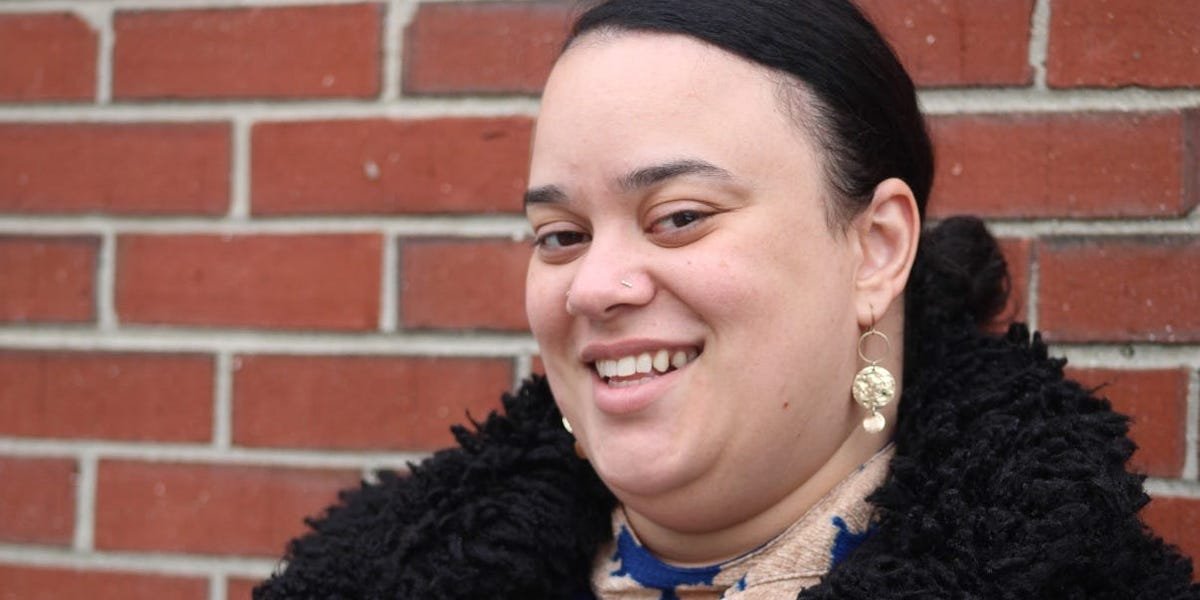
This as-told-to essay is based on a conversation with Rose Barboza, founder of Black Owned Maine. It has been edited for length and clarity.

In the summer of 2020, I started a directory of Black-owned businesses in Maine. I was looking for a way to support the Black community for people who couldn’t attend protests. I also wanted to make a longer-term economic impact.

It immediately took off. These were my neighbors and local businesses that I just hadn’t heard about. That’s the thing: People joke about Maine being the whitest state, but there are actually plenty of Black-owned businesses here. They’re just not in Maine’s heritage industries, so they don’t necessarily get a lot of attention.

The directory took off like a rocket ship. Black Owned Maine now has four employees, including me, and an annual operating budget of about $250,000. In addition to the directory, we host events and business advising to support Black Business owners. As of late 2025, we had 423 businesses on the list, including a gym, beauty salons, restaurants, translation services, and more. About half of them were owned by immigrants.

I felt the directory became too dangerous when ICE arrived in Maine

I’ve always worried about what could happen if the list got into the wrong hands. My concern grew as there were rumors of ICE coming to Maine to do a large-scale raid. I was worried about agents being able to scrape our website and target the businesses that were listed.

My community was hesitant to bring the list down. Many businesses rely on us for free advertising. One beauty salon owner recently told me she got four new clients in one week after we featured her on our social media. I didn’t want to take that away if I didn’t need to.

When ICE arrived in Maine in January, I decided it was too unsafe to have a public-facing list of Black businesses. We took down the directory in late January.

We’re considering putting the list behind a paywall

Creating Black Owned Maine is the biggest thing I’ve ever done, aside from having children. Taking it down felt like a defeat of my life’s work.

When I feel discouraged — which is often these days — I have to remind myself we’re not at the end. There’s a path forward from here, and we just have to see what it is.

One option we’re looking at is putting the directory behind a paywall. It’s expensive to run this nonprofit, and in recent years, grants for this type of work have been hard to come by. We believe people should be compensated for doing social justice work, and charging to access the directory feels like a way to practice what we preach about economic empowerment.

It would take about $100,000 to rebuild the website in a way that can keep information secure. That includes the cost of staff needed to operate it for about two to three years. Still, it’s a lot of money to ask for. Right now, we’re encouraging people who have used our list to donate.

Despite everything, I’m still hopeful

Maine is such an accepting place. And yet, I’ve had business owners reach out to ask me to take down social media posts featuring them. People are scared. It feels like they’re being forced into hiding.

I’m hoping people will continue to support Black and immigrant communities in Maine. Recently, I booked an appointment with a new dentist, an immigrant from Southeast Asia. Her clinic is a little further away, but I want to support her. If we’re all more intentional about where we spend our money, we can make a difference.

Sometimes I think, “Why are we even doing this?” But underneath the difficulties, I’m still hopeful.

Editor’s note: Business Insider reached out to ICE for comment.


Source link