
Meta-delays-release-of-new-mixed-reality-glasses-code-named-Phoenix.jpeg

Meta delays release of new mixed reality glasses code-named ‘Phoenix’ in order to ‘get the details right’

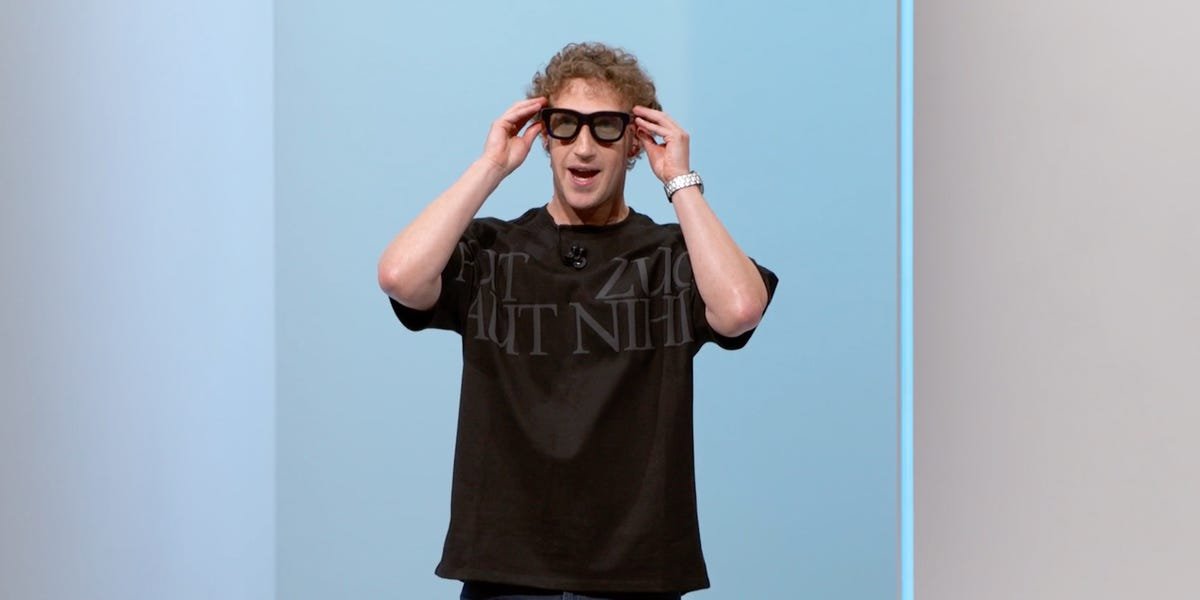
Meta is delaying the release of new mixed reality glasses code-named “Phoenix.”

The company planned to release the new device in the second half of 2026, but it is pushing back its timeline to the first half of 2027, Maher Saba, VP of Reality Labs Foundation, wrote in a Thursday memo to employees, which was seen by Business Insider.

In a separate memo, also viewed by Business Insider, metaverse leaders Gabriel Aul and Ryan Cairns said moving the release date back is “going to give us a lot more breathing room to get the details right.”

They added, “There’s a lot coming in hot with tight bring-up schedules and big changes to our core UX, and we won’t compromise on landing a fully polished and reliable experience.”

Meta declined to comment.

The “Phoenix” mixed reality glasses, which were previously reported on by The Information, have a goggle-like form factor and are connected to a puck to help power them, according to two employees who have seen the device and spoke anonymously as they are not authorized to talk to the press.

The two employees said the model looks similar to Apple’s mixed reality glasses Vision Pro. There was some skepticism among leaders about the puck, but they chose to keep it to help keep the glasses lighter and more comfortable, and to prevent it from overheating, they said.

Saba said in the memo that at a recent meeting with CEO Mark Zuckerberg, Reality Labs (RL) leaders received feedback on their plans for 2026, which he said “focused on making the business sustainable and taking extra time to deliver our experiences with higher quality.”

“Based on that, many teams in RL will need to adjust their plans and timelines,” he added. “Extending timelines is not an opportunity for us to add more features or take on additional work.”

Meta also plans to release a new “limited edition” wearable device code-named “Malibu 2” in 2026, according to Saba.

Meta is starting work on its next-generation Quest device, a product that Aul and Cairns wrote will be focused on immersive gaming, and represent a “large upgrade” in capabilities from its existing devices, and “significantly improve unit economics.”

In October, Meta reorganized its metaverse unit and tapped Aul, who led products for Meta Horizon, and Cairns, who was previously in charge of virtual reality hardware, to co-lead its efforts, Business Insider previously reported. The company is now considering budget cuts of up to 30% within its Reality Labs division, which could impact employees working on its virtual spaces platform, Horizon Worlds.

The company has also expanded its AI hardware push by acquiring Limitless, a startup that makes AI-powered pendant devices, the company announced Friday.

Have a tip? Contact this reporter via email at jmann@businessinsider.com or Signal at jyotimann.11. Use a personal email address and a nonwork device; here’s our guide to sharing information securely.


Source link

Meta-hires-longtime-Apple-design-leader-Alan-Dye-to-run.jpeg

Meta hires longtime Apple design leader Alan Dye to run a new Reality Labs creative studio

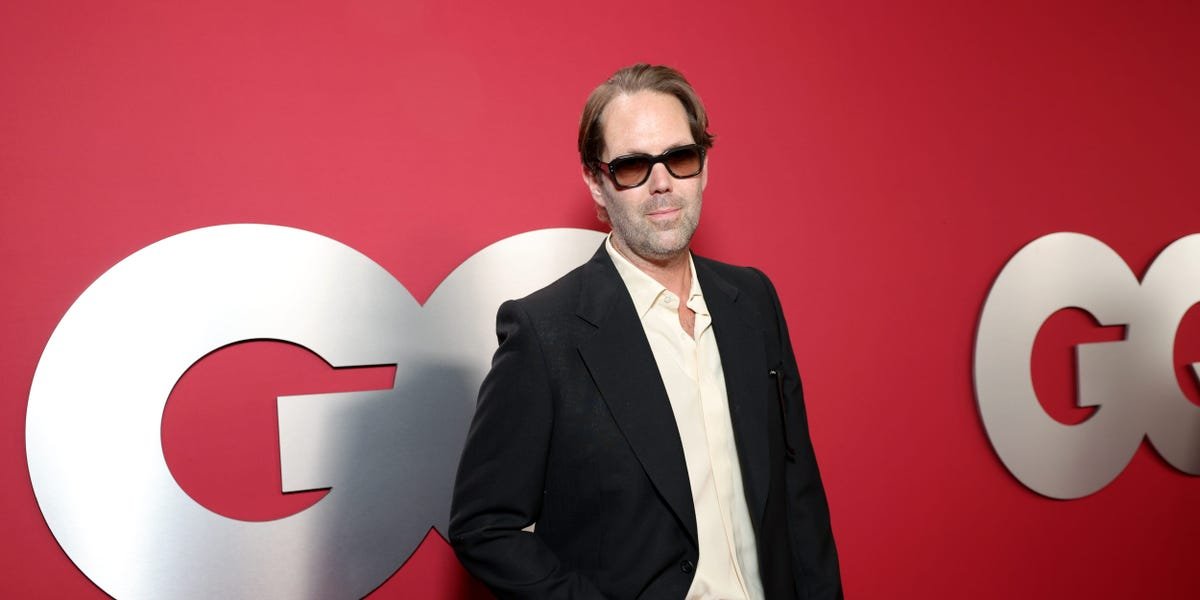
Meta has hired longtime Apple design leader Alan Dye to run a new creative studio inside its Reality Labs division, CEO Mark Zuckerberg announced in a series of posts on Threads on Tuesday.

“Today we’re establishing a new creative studio in Reality Labs led by Alan Dye, who has spent nearly 20 years leading design at Apple,” Zuckerberg wrote on Threads, saying the group will help define “the next generation of our products and experiences.”

Zuckerberg said the studio will bring together “design, fashion, and technology” and that Meta wants to “treat intelligence as a new design material and imagine what becomes possible when it is abundant, capable, and human-centered.”

The goal, he added, is to “elevate design within Meta” by assembling a team with “craft, creative vision, systems thinking, and deep experience building iconic products that bridge hardware and software.”

Dye will work alongside several high-profile design leaders. He will report to Meta’s chief technology officer and Reality Labs head Andrew Bosworth.

Dye is one of the most prominent figures in Apple’s modern design history. He has led Apple’s design studio since 2015 and has played a key role in shaping the company’s software and the look and feel of many of its devices, including the interfaces for products such as the Apple Watch, iPhone X, and Vision Pro headset.

Most recently, Dye was responsible for Liquid Glass, Apple’s new design across its devices that makes elements of the user interface look transparent.

His team has also worked on a slate of new smart home hardware, according to Bloomberg, which first reported his move to Meta.

Zuckerberg said that Dye will be joined by “another acclaimed design lead from Apple,” Billy Sorrentino, as well as Joshua To, who leads interface design across Reality Labs; industrial design lead Pete Bristol; and metaverse design and art teams led by Jason Rubin.

The CEO framed the move as part of Meta’s push into AI-powered devices such as smart glasses.

“We’re entering a new era where AI glasses and other devices will change how we connect with technology and each other,” Zuckerberg wrote.

While the potential is “enormous,” he said the new studio will focus on making every interaction “thoughtful, intuitive, and built to serve people.”

Earlier this year, Meta hired another Apple engineer, Ruoming Pang, to its new Superintelligence Labs organization. Pang led Apple’s AI models team.

Apple did not respond to a request for comment from Business Insider. A Meta spokesperson pointed to Zuckerberg’s posts on Threads.

Have a tip? Contact Pranav Dixit via email at pranavdixit@protonmail.com or Signal at 1-408-905-9124. Use a personal email address, a nonwork WiFi network, and a nonwork device; here’s our guide to sharing information securely.


Source link