I-moved-from-Southern-California-to-Michigan-so-I-could.jpeg

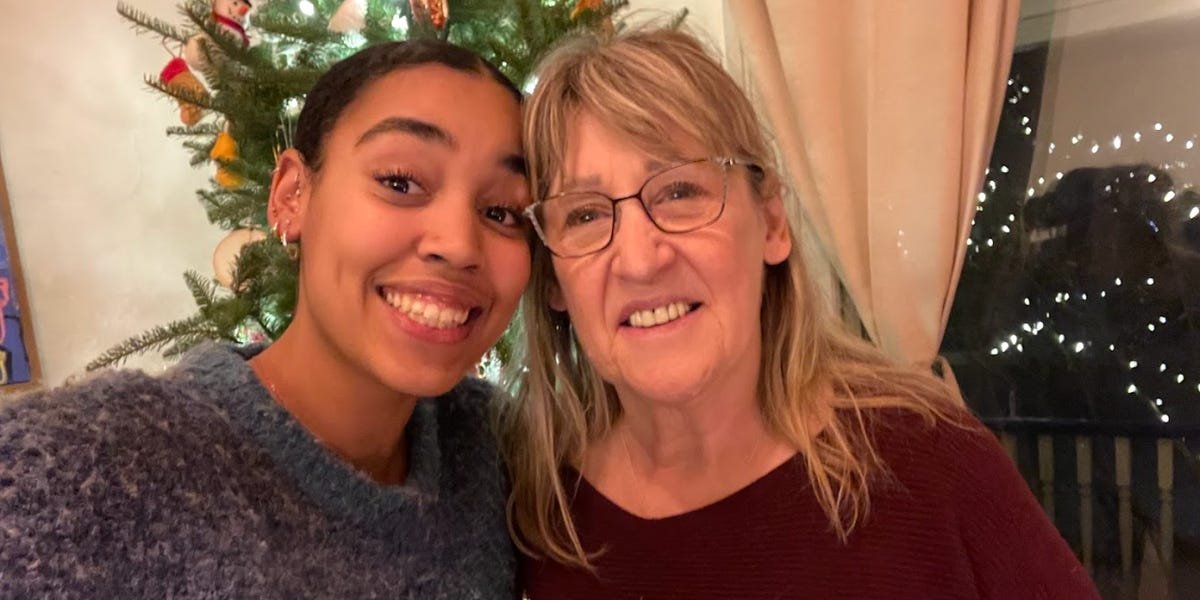
I moved from Southern California to Michigan so I could afford to buy a home. Living here changed me in surprising ways.

Born and raised in Orange County, I never considered leaving California until I got married.

We wanted to buy a house and start a family, but generally, the ones we could afford were fixer-uppers in neighborhoods we didn’t love.

So, we began looking at other states where we had family. My husband, who moved from Michigan to Los Angeles in middle school, swore he would never go back — and I couldn’t identify Michigan on a map or tell you one fact about it.

We didn’t want to be beholden to a big mortgage, though, and in Michigan, we could purchase an affordable home in a town known for having some of the state’s top public schools. Even better, we’d be welcomed by my husband’s big Italian family, who lived nearby.

When we told our friends we were moving to Michigan, they were shocked. All any Californian knew about Michigan was that it was cold and snowy — why would anyone choose that?

Now, 20 years later, I can confidently say it was a great decision.

When I first moved to Michigan, I experienced some culture shock


Fresh produce at a farmers market in Michigan.

At first, I had to adjust to the feeling of making small talk at markets and shops.

Kristi Valentini


In Orange County, I was the kind of person who would bury my nose in a magazine to avoid chatting with a hairdresser. I rushed through the checkout line and never said, “How are you doing?” to someone I didn’t know.

If small talk was ever forced upon me, I gave away as little about myself as possible. I never understood the point in discussing my life — or even something as simple as the weather — with someone I didn’t know.

In Michigan, though, small talk is unavoidable. I quickly learned that there’s no getting around friendly cashiers and shop owners. I was begrudgingly polite, but it initially took some effort to hide my impatience.

Chatting with neighbors feels much more commonplace here, too, especially because my subdivision doesn’t allow fences.

I was shocked to go from Orange County’s 6-foot cinder-block backyard walls to wide-open lawns and zero privacy, practically forcing me to interact with my new neighbors any time I gardened or enjoyed a glass of wine on the patio.

Over time, I noticed that having friendly neighbors and being a part of a community made me feel safer and more relaxed


A green backyard in Michigan with several trees.

My new neighborhood has less privacy than my old home did, but I’m glad I’ve gotten to know my neighbors.

Kristi Valentini


The kindness of Michiganders started to change me.

In my first year of living in Michigan, our mailbox got hit by a car while my husband and I were at the gym. Our neighbors had cleaned up the mess and gotten the driver’s info for us by the time we got home.

I was so surprised they would do that for us; it struck me as something that probably wouldn’t have happened back in California.

Then, when we had a baby three years into living here, another neighbor further down the street — one I hadn’t even met yet — brought us dinner just because she saw a baby announcement sign in our yard. I was touched that a stranger would go out of their way to do that for us.

When we started taking our kids trick-or-treating for Halloween, I discovered that Midwesterners do that differently, too. They didn’t just spoil the kids. They set up tables of spiked hot chocolate and Jell-O shots for the adults and invited people to warm up by their driveway bonfires. It became a community event.

Eventually, I found myself initiating connections with neighbors, too — and even starting up some small talk. It began with other dog-walkers in my neighborhood as our pups sniffed each other, and at the grocery store as a pleasant way to pass the time while being rung up.

Living in Michigan has changed what I value in a hometown


The writer posing with her two children in costumes on Halloween.

Living in Michigan has made me appreciate community in a new way.

Kristi Valentini


When I visited California to see friends and family a few years after living in Michigan, I could tell how much I’d changed already. It seemed rude to me when people didn’t say hi when passing me on a sidewalk, or when cashiers didn’t make chit-chat.

Because now, I’m the kind of person who makes caramel apples for my neighbors. I chat with fellow shoppers about candle scents in Crate and Barrel and know about my hairdresser’s children and chickens.

I even decorate my front porch — something I’ve noticed that nearly everyone in my neighborhood does. Seasonal wreaths and flowerpots, chairs with pillows and throw blankets, encourage people passing by to come on up and say hi.

I do sometimes miss California’s backyard privacy, and I’ll never stop using SoCal slang like “cool” and “dude.” Still, I’m glad I moved to a place that helped me become a friendlier person and taught me the value of community. I couldn’t imagine raising my children anywhere else.


Source link

I-moved-to-Coral-Gables-for-my-dogs-Im-spending.jpeg

I moved to Coral Gables for my dogs. I’m spending almost $2,000 more in rent, but we get to walk everywhere.

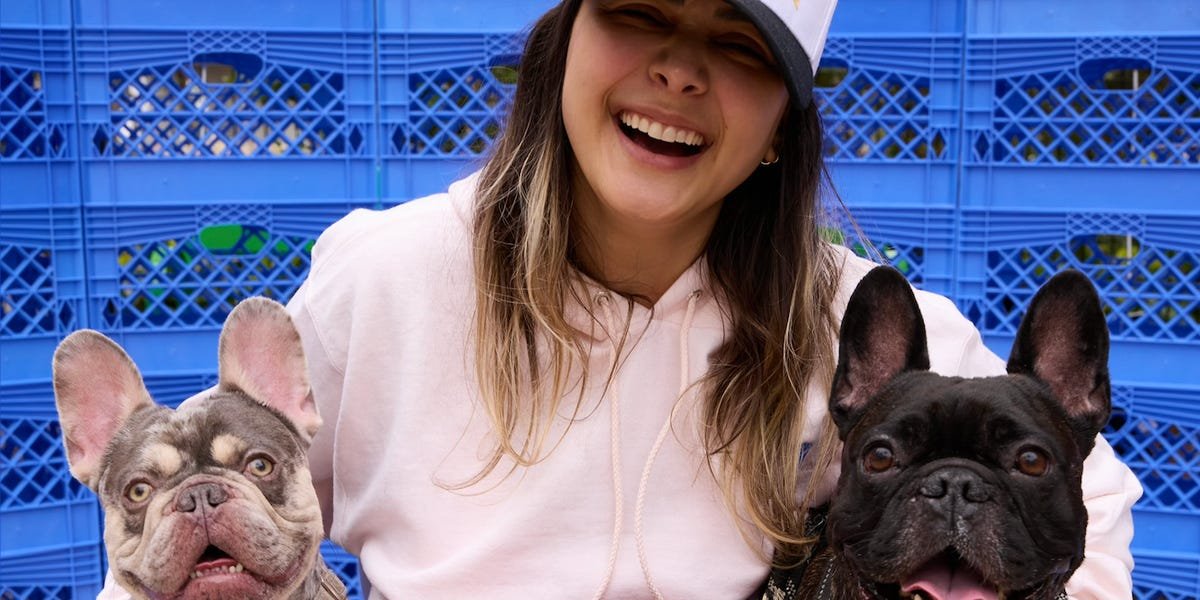
I’ve learned that there are three types of dog owners in the world: those who have dogs but treat them like pets with basic needs, those who absolutely love their dogs and spoil them, and those who treat their dogs like children.

I’m proudly in the third category.

I grocery shop for my dogs so I can home-cook their meals. I buy them Christmas presents, post photos of them on their Instagram account to more than 12,000 followers (whom I reply to on their behalf), take them to photoshoots and brand partnerships, and got them European passports so I can take them on vacation with me.

Not only that, but I play Bluey, SpongeBob SquarePants, and meditation music for them while I’m busy working to keep them entertained. I let them lick my vanilla ice-cream cone, and they sleep in my bed, cuddled under the covers at night.

But all of those things directly align with my lifestyle and the tasks I already do regularly; however, six months ago, I did the most drastic thing in my life for their benefit. I moved zip codes, prioritizing their well-being.

I chose a neighborhood where I could walk with them everywhere

Last year, while deciding where to move, I focused on finding a neighborhood where I could walk almost everywhere and bring them with me, while feeling safe walking at any hour of the day or night. After researching the best neighborhoods in the city for dog parents, all signs pointed to Coral Gables — one of the most expensive and also most dog-friendly areas in Miami.


French bulldogs on bed

The author is paying almost $2,000 more in rent for her dogs to have a better lifestyle.

Courtesy of the author


Moving to Coral Gables from Doral meant switching from an apartment with a $2,500 monthly rent to one with a $4,700 a month rent. While that is a drastic shift in rent pricing I’m choosing to make, given my current priorities and the lifestyle I want my dogs to have, it makes sense. People always say, “You’re paying for the location,” and quite frankly, that’s never felt more true to me.

Many of the residential buildings in Coral Gables allow pets, which takes the stress off people who need to move but can’t find dog-friendly places. Since the dog culture is so pronounced in this part of Miami, many buildings make it acceptable to have more than one dog.

I moved from Europe to Florida with my dogs

I lived in Europe for nearly five years — three of them in London, then the South of France, and finally Rome — before moving back to Florida in 2022. While in London, I became a dog mom after someone gifted me Bentley for Christmas.


Woman in Rome with dogs

The author moved from Europe back to Miami with her two dogs.

Courtesy of the author


During my time in Europe, I never owned a car because public transportation made getting around effortless. When I moved to Miami, that was what I missed most. Since moving back, I’ve been eager for something that comes as close as possible to the life I lived in Europe, with the dog-friendly energy that comes with it.

My French Bulldogs have many special needs. Being brachycephalic, they can only walk at certain temperatures, which means our walks have to happen during specific hours of the day so it’s not too hot. They also need to maintain a healthy weight, since excess weight can affect their backs and ligaments. Frenchies are prone to skin allergies as well, which I’ve never seen manifest in mine — and I credit that to their fully home-cooked diet.


Dog in the alps

The author wanted a lifestyle that allowed her to take her dogs with her.

Courtesy of the author


While we often get compliments at the vet for being among “the healthiest Frenchies” they’ve ever seen, that level of care comes with real responsibility and sacrifice. Owning a French Bulldog means shaping your lifestyle around its health and wellness needs. I never planned to have this breed, but life had other plans, and I ended up with two that I love with my whole heart.

They’re my buddies, my besties, and I’m grateful I found a place in Miami that makes me miss Europe a little less — while giving me more time to simply be with them and involve them in my daily activities.


Source link

I-moved-from-the-US-to-Brazil-after-losing-my.jpeg

I moved from the US to Brazil after losing my job. Despite the intense culture shock, I couldn’t be happier with my decision.

After an incredible three weeks traveling around Brazil, I was on the first leg of my flight home to Chicago when I received a message from my director at work — a 15-minute “check-in” with an HR representative.

Worried I might receive news of a layoff, I frantically deboarded the plane after landing in Rio de Janeiro and joined the call in a quiet corner of the duty-free section of the airport. There, I was informed that my role had been eliminated.

Faced with the reality of returning home to the frigid Chicago temperatures with no job, I quickly changed my connecting flight and decided to hostel-hop around Brazil for another month.

However, even that extra month didn’t feel like long enough in the country I’d fallen in love with. Exploring beautiful destinations while practicing a new language every day was incredibly fulfilling for me.

Once I went back to the US, I realized I was looking for ways to push myself out of my comfort zone. I had always wanted to live abroad, and my unemployment seemed like the perfect alignment to make that move to another part of the world.

So, a few months after my original trip, I relocated from Chicago to São Paulo and was greeted by lots of surprises along the way.

Coming from Chicago, I didn’t expect to feel chilly in São Paulo


The cityscape of São Paulo.

The temperatures in São Paulo caught me by surprise.

Cristian Lourenço/Getty Images


Growing up in the Midwest, I’ve endured my fair share of snowstorms and wind chills so cold that I felt as though my eyelids would freeze together. So, I felt well-equipped for any kind of cold weather Mother Nature could ever throw my way.

Even so, I wasn’t prepared for just how chilly Brazil could feel — especially during a springtime cold front while living in an area without access to central heating.

Although Brazil’s springtime temperatures (which last from September through November) are similar to what I experienced during the Chicago fall, it was difficult to adjust to the lack of central heating. So, I found myself wearing multiple layers of T-shirts and the only hoodie I brought with me.

Before I moved, I’d only visited Brazil during its smoldering summer months, so I had naively assumed the subtropical temperatures in São Paulo would be pleasant year-round.

The food is different — and that’s not a bad thing


A plate of acarajé with shrimp.

I’ve grown to love acarajé: stuffed black-eyed-pea fritters

Isaiah Reynolds


Between seeing unrefrigerated milk in grocery stores to trying vegetables I’ve never heard of, the day-to-day food in Brazil is a lot different than what I was used to in the States.

For example, contrary to the common American adage, breakfast doesn’t seem to be the most important meal of the day here; many Brazilians opt for bread or fruit instead of the hefty pancakes or sausage links I was accustomed to.

For lunch and dinner, many locals seem to rely on a tried-and-true formula: arroz (rice), feijão (beans), some meat, and salad.

Classic dishes like stroganoff (a creamy chicken or beef dish topped with crispy shoestring potatoes) or feijoada (pork and black bean stew) may enter the rotation. Still, the aforementioned combo is a popular default dish that I’ve grown to love.

Although tavern-style Chicago pizza still holds a special place in my heart, my new Brazilian favorites include acarajé (stuffed black-eyed pea fritters fried in dendé oil), acerola (a sweet cherry fruit), and doce de leite (sweet caramelized milk used as a topping or filling).

Plus, there’s a pretty great international food scene here, too. While wandering around the city, I’ve come across a wide range of cuisines, from Lebanese and West African restaurants to Colombian and Venezuelan spots.

Although I was initially worried about feeling welcomed, I can see myself putting down roots here

One thing I’ve noticed since my first visit to the country is that Brazilians are very proud to be Brazilian.

From football matches to the celebrations that occur when Brazilian films are nominated for Academy Awards, the people here seem to be the loudest and proudest fans in the room.

Because of this, I was worried I might not feel as welcome as an outsider. Instead, I’ve found an endearing level of curiosity among many Brazilians I’ve met, who either want to practice English or ask how I’m enjoying their beloved country.

This openness to connect has softened a lot of the original culture shock during my move. Although very different from my life in Chicago, I’m excited to continue building a life for myself in São Paulo.


Source link

Amanda Goh

They moved to China for a new adventure. Their 3 kids gained independence — and mom has time for hobbies.

After five years in Qatar, Elisa Orsi and her husband, David Sleight, knew they were ready to leave the desert behind.

They had moved from Australia to the Middle Eastern country in 2019 with their three kids — all under 6 — after Sleight accepted a job there.

Already big travelers before they had kids, the couple used school holidays to see the world after starting a family, before later leveraging Sleight’s teaching career to travel even more.


A family posing with their car in the sand dunes of Qatar.

The family moved to Qatar from Australia because they wanted to experience more of the world.


Provided by Elisa Orsi.


“Usually when people have children, it deters them from travel, but we went completely the other way,” Orsi, 37, a stay-at-home mom, told Business Insider.

Life in Qatar felt safe and comfortable, and it served as a base from which they could explore the region, traveling to places like Jordan, Turkey, and Egypt.

Gradually, the couple found themselves looking for something new.

“By the time we came back from our summer holiday in 2024, we said, ‘OK, we’re done. We need a change,'” Orsi said.

In August 2024, the family packed up their bags and moved to Hangzhou, a bustling city in eastern China.

Moving to China

China had been on their radar for a long time, though neither of them had visited before.

It wasn’t until Sleight came across an online job ad for a teaching role in Hangzhou that they began looking into the city.


A couple in front of a temple in Shanghai.

The family had traveled through other parts of Asia and always wondered what life in China was like.


Provided by Elisa Orsi.


“I was impressed with the natural beauty and how modern the city appeared. I knew China was very well connected by the railway infrastructure, so I wasn’t overly concerned about the location,” Sleight, 45, told Business Insider.

The couple looped their kids, who are now 11, 9, and 7, into the conversation about moving to China early. “We wanted to give them lots of time to process and to get an understanding of what was happening,” she said.

“We have a philosophy that we talk to our children, and we keep them informed about the decisions we make,” Orsi said.


A woman and her three kids in China.

The couple involved their three young children in conversations about the move early on.


Provided by Elisa Orsi.


To ease the transition, they showed their kids YouTube videos about China and the school they would attend.

When they arrived in Hangzhou, Orsi said their first impressions quickly put any lingering nerves at ease.

“We were actually quite shocked to see how clean, how modern, how organized, and how convenient everything is,” Orsi said. “Sometimes you watch videos, but unless you’re actually in it, you can’t really understand it to that degree until it affects your life.”

Their children attend an international school, and Sleight teaches English in the school’s bilingual program.

House-hunting was a breeze because the school put them in contact with a real-estate agent ahead of their move.


The living room.

They live in an apartment about five minutes away from the school.


Provided by Elisa Orsi.


“We wanted to have a bedroom for each of the kids, and we were looking for amenities,” she said. “Most importantly, we wanted to be close to the school.”

Within 10 days of arriving in China, the family moved into a four-bedroom apartment. It’s about a five-minute drive from the school and roughly 50 minutes outside the city center, in a neighborhood dominated by local Chinese families.

Rent is 5,500 Chinese yuan, or about $790 a month, and is covered by the school as part of Sleight’s employment contract.

Life in Hangzhou

Moves like the couple’s have become more common in recent years. China’s latest national census shows that 845,697 foreigners were living in the country in 2020, up from 593,832 a decade earlier.

Even with a growing foreign community, the transition isn’t always easy.

The biggest challenge has been the language barrier, though translation apps have helped. Orsi is learning Mandarin through online apps, while the children learn it at school.

Sleight relies on support from bilingual teachers and staff, and many parents at the school speak English.

“During staff meetings and presentations, I wear an earpiece and listen to a live translation provided by the school’s professional translator,” he said. Sleight added that parents and staff also communicate through a messaging app with built-in translation.

In China, the family also had to get used to a system in which nearly everything, including payments, is done on a smartphone.

Despite those adjustments, Orsi said safety has been one of the most striking aspects of life in China. She said she’s often asked about the presence of surveillance cameras, but sees them as a positive.


A man and his three kids eating their first meal in their new neighborhood in China.

Orsi said the level of safety in China has given her children more freedom to move about on their own.


Provided by Elisa Orsi.


“If anything were to go wrong, the issue would be resolved very, very quickly. So the children, they can be outside on their own,” Orsi said. She added that she probably wouldn’t feel comfortable giving her kids the same level of freedom even in Townsville, a city in North Queensland, where they lived before moving to Qatar.

It’s also common to see children wearing kid-friendly smartwatches, which let them be more independent.

“You can see their location, they can call you, they can pay for things, and so they can go anywhere. They’ll organize their own play dates and go and meet their friends,” she said.

As a woman, Orsi also feels safe walking alone, including from the train station late at night. “I have not thought about it twice. I wouldn’t do it in Australia. And I wouldn’t do it in Argentina, where I’m from,” she said. Orsi moved to Australia in her teens and later met Sleight while working at a telecommunications company.


Two kids along the Great Wall of China.

The family has been using school holidays to travel around China, including to the Great Wall.


Provided by Eliza Orsi.


It took a year, but Orsi says the family finally feels settled in their new home. Most of their social circle has grown out of the school community, including other parents and foreign teachers.

The longer school days have also given Orsi more time for herself. She said she’s picked up new hobbies, including learning to play the piano, going to the gym, and focusing on content creation for their YouTube channel, where she and Sleight document their family life in China.

Sleight is on a three-year contract at the school. As for what comes next, Orsi said the family hasn’t made any firm decisions.

“I think we would probably like to move elsewhere and go to another country when our contract is up, but that could change,” she said. “We may very well decide to stay in China and move to another school or experience a different city.”

Do you have a story to share about relocating to a new city? Contact this reporter at agoh@businessinsider.com.


Source link

My-husband-and-I-moved-in-with-my-grandparents-to.jpeg

My husband and I moved in with my grandparents to save money. The temporary adjustment period was worth it.

I grew up spending weekends, school breaks, and holidays in my grandparents’ home, but moving into it years later with a husband wasn’t something I ever pictured.

We moved into my grandparents’ basement not long after we got married in spring 2025. We both traveled as kids and have gone on a few short adventures as a couple, but we’d never done any long-term.

With our lease ending in the fall, it felt like the perfect time to make a big change, and we started looking at flights to Japan.

I eventually came across a deal on December plane tickets that we couldn’t pass up, but the opportunity left us with a two-month gap to fill before moving away.

Short-term rentals and Airbnbs were too expensive to commit to, especially with a big move ahead. So, when my grandparents suggested we stay in their basement, only 40 minutes away from where we’d been living, it was easily the most practical option.

Being back in my grandparents’ home reminded me how much of my childhood still lives here


Decorations at the writer's grandparents' house, including a fan from Japan, painted handprints, and Polaroids of the writer.

Moving in with my grandparents as an adult brought me right back to my childhood.

Alessa Hickman


Even before we started unpacking, the house instantly brought me back to my childhood. My grandparents have moved a few times over the years, but no matter the location, their home always feels the same.

The dishes and teacups I grew up using are still in the cupboards. The same family photos and decorations are on the fridge and walls, with new additions that have been layered in over the years.

Then there’s Crash, my grandparents’ herb-loving budgie bird, who has a habit of landing on people (and plates) without warning. They’ve only had him for a few years, but their home has always included animals, so even a new bird felt completely natural.

Being surrounded by the memories, familiar faces, and sense of home that shaped my childhood felt grounding during this period of change.

Moving here as an adult meant learning how to fit our lives together differently


The writer's husband with a blue bird on his shoulder.

We had to adjust to new routines, boundaries … and my grandparents’ budgie bird, Crash.

Alessa Hickman


Living with my grandparents came with a series of practical adjustments.

As my husband and I prepared to move abroad, we packed up or sold almost everything we owned, and now found ourselves living outside the city, setting up temporary workstations, and cooking for four instead of two.

Before long, the basement had boxes tucked into corners, the kitchen cabinets were full of our spices and small appliances, and my plant collection had completely taken over the front entrance table.

Moving in also meant navigating new boundaries and having conversations about topics that didn’t come up when I was younger — like finances, household responsibilities, and how much space to give each other.

One of the first conversations we had was about food. Cooking is one of my love languages, so even before we moved in, I told my grandparents that I wanted to take on the family meals.

After so many years of being cared for in their home, it felt important to give something back in a way that came naturally to me.

Because I work remotely, we also had to have conversations about my work-from-home schedule. I had work deadlines to meet and calls to take, which meant setting expectations around when I would be working and when I would be free.

That adjustment took some time on all sides, but those early conversations ultimately helped us find common ground.

This time with my grandparents gave me a chance to appreciate family in a new way


The writer and her grandmother posing for a selfie and smiling in her grandparents' house.

The experience turned into a meaningful chapter of my life.

Alessa Hickman


As I’ve grown older and gotten busier, my time with family has naturally become shorter and much more spread out.

Between work, different homes, relationships, and planning a move abroad, so many visits have been quick moments squeezed in on birthdays, holidays, or weekend check-ins.

Having a stretch of time with family like this isn’t something that comes up often, and it made the simple moments with my grandparents feel more meaningful — sitting down for dinner together, cooking a meal we used to eat when I was little, or laughing at the stories we’ve all heard a thousand times.

This in-between season has been filled with memories, lessons, and changes that taught me how much growth can happen in familiar spaces.

As we start this new chapter abroad, I’m grateful that this time with my grandparents was part of our journey. It reminded me to embrace the unexpected moments, make the most of every experience, and start our next adventure with an open mind.


Source link

I-moved-to-the-US-when-I-was-14-and.jpeg

I moved to the US when I was 14 and launched my own business in 2020. Now, Kim Kardashian is one of my clients.

This as-told-to essay is based on a conversation with Senada Greca, founder of WeRise and cofounder of Aonic. It has been edited for length and clarity.

At least four times a week, I meet with Kim Kardashian for a personal training session. Today, we’re focused on the upper body and core. Over our hour-and-a-half session, we’ll do assisted pull-ups, hollow-body chest presses, face-pulls, and more. Kim likes to end most training sessions with a dead hang on the bar.

I’ve been training Kim for three years now. I also help millions of other people (mostly women) through my training platform WeRise, and the fitness and nutrition videos I post on social media.

Strength training is powerful, especially for women. Once you know the strength your body possesses, you’ll understand how to feel good in your body, rather than feeling like you need to shrink or punish it. I know, because that’s a change I’ve made myself.

Immigrating to the US from Albania at 14 was difficult

I’m the oldest of three girls, born in Albania. After the communist government was overthrown in the early 1990s, there was a lot of civil unrest. I remember the first time we heard gunshots. We hid under the bed, staying down for a long time.

Luckily, my family won the green card lottery (editor’s note: the green card lottery is formally called the Diversity Visa Program), and we were able to immigrate to America in 1997 when I was 14. That helped set up a safer, more prosperous future for my sisters and me.

At the time, it was very challenging. I spoke with a heavy accent and dressed differently from my classmates in upstate New York, which led to a lot of bullying. Since I was the only one in the family who spoke English, I had to help my parents with legal documents, doctors’ appointments, and getting my sisters into school. It was a lot.

I developed an eating disorder that took years to recover from

Everything in my life felt out of control. The one thing I could control was my eating, and not long after immigrating, I developed anorexia. Within a few years, I was also struggling with depression and anxiety. I was exercising, but only to punish my body.

In college, I connected with counseling and medication that helped me start getting healthy. The real turning point came when I was in my mid-20s and met a new primary care doctor. She was in her 50s, but running marathons every quarter. She taught me to think about exercise as a way to support mental health. I started running and became more physically and mentally stable.


personal trainer Senada Greca in a sports bra and shorts holds dumbbell weights in a gym

Courtesy of Senada Greca


About 10 years ago, in my mid-30s, I started strength training. It changed my life, as I started using exercise to nourish myself.

I left my corporate job when I realized I had stability in fitness

In my immigrant family, financial security was always very important. I had a corporate job, and had never considered building something on my own — it just wasn’t done.

I started teaching yoga at night, and loved how my classes made people feel. In 2019, I began posting videos of my workouts, at first for myself. I was extremely consistent, which helped me grow a big following. When the pandemic happened, my following grew exponentially as people looked for workouts they could do at home.


personal trainer Senada Greca in a white sports bra, black suit jacket and black pants

Greca built up her business by getting fitness certifications and training clients, then sharing her own workouts on Instagram.

Courtesy of Senada Greca


In 2020, I launched my website and began charging for memberships. I quickly saw that my fitness business could be stable and successful. That gave me the courage to quit my corporate job to follow my passion. In the years since, my audience has only grown, and I’ve had amazing opportunities, like training Kim.

Today, I’m in the best shape of my life — physically and mentally — at 43. I don’t often talk about my age, because I feel ageless and don’t want to define myself by a number. At the same time, I want to show that getting older doesn’t have to mean winding down.


Source link

I-moved-to-France-after-falling-in-love-with-it.jpeg

I moved to France after falling in love with it during summer visits. Nothing could’ve prepared me for living here full-time.

I’m originally from the Bahamas, but my love for France began while working there as an English language camp counselor every summer from 2011 to 2014.

Year after year, I fell more in love with the country — and, soon, the seed of a plan to live here began to sprout its roots. In August 2015, I finally packed my bags and made my dream of living in France a reality.

However, no amount of prior experience coming here for short spurts could’ve prepared me for moving to France and actually living there.

I underestimated how tough navigating the language barrier would be


Woman with hands in air smiling on stone path with flowers, building behid her

I wish I’d learned more French before I moved.

Nicole Bedford


Living in a foreign country can be a daunting shock to the system when you don’t speak the native language.

I knew my French being limited to phrases like “hello” and “thank you” would put me at a disadvantage — but I still wasn’t prepared for the frustration I’d feel and the judgment I’d get for being no better than a toddler trying to communicate.

Once I arrived in Rennes, where I’d chosen to move, it became clear to me English was not prevalent, and that I would need to navigate all my administrative procedures with limited French.

To navigate day-to-day transactions, such as opening a bank account, I used Google Translate to create a script. It was challenging, but I managed to get things done.

This experience taught me to never underestimate a language barrier or assume you can rely on English abroad — not even in big cities.

As a word of advice, if you plan to move to France or any country where you do not speak the native tongue, be sure to take classes in that language for six months to a year before you go.

Doing so will help you navigate day-to-day life and ensure a more seamless integration — especially when navigating the paperwork and administrative tasks that come with moving.

The slower pace of life has been nice, but it took me a bit to adjust to shops’ limited hours


Woman smiling at vineyard

It’s been nice getting to relax more often.

Nicole Bedford


Europe is known for having a slower-paced lifestyle than much of North America. However, I still couldn’t believe how relaxed my day-to-day life became after I moved — or how quickly I was able to get used to it.

My first summer living in France without having to work the whole time was the most surprising. During August, entire businesses close for summer holidays and cities feel emptier as locals go on vacation for two or three weeks at a time. It was refreshing.

I’ve grown to really appreciate how the French know how to relax and enjoy life. However, it did take me a little longer to get used to shops here having limited hours.

Businesses like pharmacies, grocery stores, clothing shops, and even private clinics often close before or just after sunset throughout France — even in many major cities.


Woman sipping from mug in front of Le Scoop

I’ve learned to check the hours on a business before I check it out.

Nicole Bedford


A lot of businesses are also closed on Sundays, as it’s meant to be a countrywide day of rest.

This was a bit jarring since I come from a country where many stores are open late for convenience — some are open 24/7, seven days a week.

However, I’ve since learned how to plan accordingly and mark which errands are time-sensitive on my to-do list.

Ultimately, though, this experience reminded me that no amount of research can prepare you for moving to a new country. There will always be surprises around the corner — but, for me, moving here has been worth it.


Source link

When-I-moved-my-family-from-the-US-to-the.jpeg

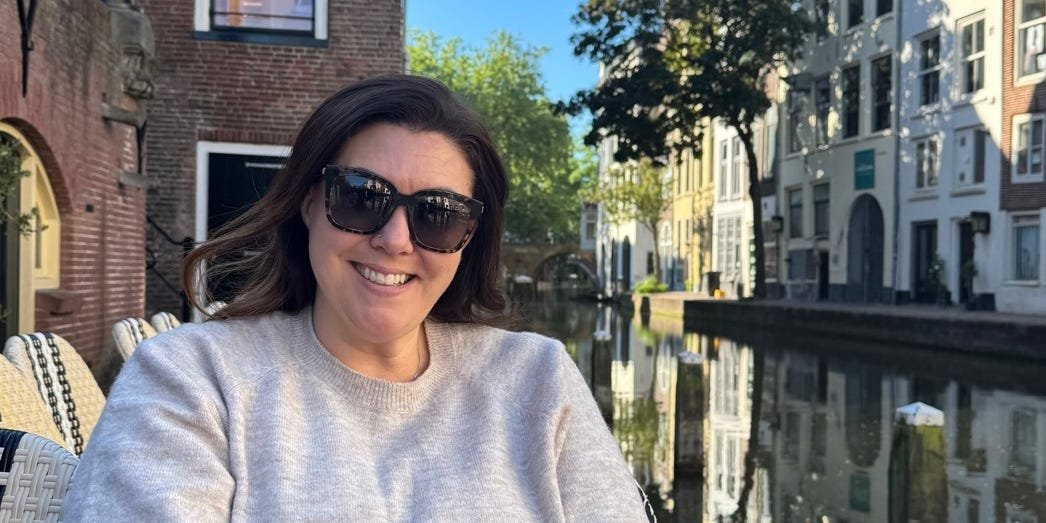
When I moved my family from the US to the Netherlands over a year ago, I wish I’d avoided these 5 mistakes

The day my son burst into tears at our kitchen table in Utrecht, I realized my meticulous spreadsheets and research hadn’t prepared us for everything.

“Mom, I’m the only one who doesn’t understand anything,” he said, pushing away his untouched dinner. “Everyone else is so far ahead, and I can’t follow anything.”

That moment, hearing him talk about feeling behind in school, crystallized my first major mistake in our move from Atlanta to the Netherlands in May 2024.

Although our relocation has transformed our lives in incredible ways — offering everything from better healthcare to true work-life balance — there were several costly missteps I wish someone had warned me about.

For one, I hadn’t anticipated how challenging it would be for my kids in the first six months as they adjusted to everything in their lives being new.

Here’s what I learned the hard way, hoping to save other American families from the same expensive and stressful situations.

Assuming we didn’t need to rush learning Dutch was a mistake


Houses along water in the netherlands

Learning Dutch has helped us feel more at home in the Netherlands.

Alexander Spatari/Getty Images


“Je spreekt Nederlands?” (“Do you speak Dutch?”) became a daily reminder of my biggest oversight.

Yes, more than 90% of the Dutch people speak English, but that comfort led me to postpone our family’s learning Dutch. Big mistake.

Those casual chats at early honkbal (baseball) games or neighborhood parties just weren’t the same when we couldn’t participate in Dutch conversations.

My teenager also spent extra months in taalschool (immersive language school), missing out on crucial social connections. Had we started learning before our move, he could’ve completed language school in one year instead of the extended period he needed.

I learned an expensive lesson about taxes and timing

In the Netherlands, the 30% ruling is a tax advantage that allows eligible highly skilled immigrants to receive up to 30% of their salary tax-free for five years.

The catch? You must apply within four months of starting work. Now picture my face when I realized I’d missed the deadline, thus leaving over 30,000 euros on the table.

Though I eventually secured this retroactively, those six months without the full benefits taught me an expensive lesson about Dutch bureaucracy timing.

Not fully understanding the Dutch healthcare system also cost me

Back home in the US, I was used to navigating complex insurance systems and retroactive claims. The Dutch healthcare system operates with different rules, though, and my failure to understand them has cost us unnecessarily.

My American insurance mindset hit a wall when my son needed to have a cavity filled.

In the Netherlands, basic healthcare is universally accessible. I pay 156 euros a month for my policy, which includes my kids at no extra cost and a 385-euro yearly deductible.

However, you have to connect your child’s BSN (Dutch Social Security number) to your insurance for them to be covered, which I didn’t know I had to do at the time.

This meant I paid out of pocket for my son’s procedure — I couldn’t get reimbursed, even after calling my insurance company.

It took too long to ditch my American work mentality


Boats in the netherland in canals at night

It took me a bit to embrace the local attitude toward work-life balance.

Amith Nag Photography/Getty Images


While my Dutch neighbors enjoyed long family dinners and evening bike rides along the canals, I was still chained to my laptop at 10 p.m., taking calls with US colleagues.

My American work habits followed me across the Atlantic like an unwanted houseguest. The stress and burnout I’d hoped to escape caught up with me within months.

It took retiring from corporate America and starting my own business to finally embrace the Dutch approach to work-life balance — and my health has thanked me for it.

Not properly planning when to exchange currency got expensive

Watching the dollar-euro exchange rate swing from about 0.98 euros per dollar highs to 0.83 euros per dollar lows over the past year and a half taught me an expensive lesson about timing.

Each major transfer — housing deposits, US credit-card payments, moving expenses — became a gamble because I hadn’t developed a proper currency strategy.

Instead of planning strategic exchanges when rates were favorable, I made last-minute transfers whenever bills came due, often at the worst possible rates and with hefty fees tacked on.

Our missteps have become valuable lessons that shaped our successful integration into Dutch life


Lauren McDonnell smiling

I’m glad I moved my family to the Netherlands.

Lauren McDonnell


Despite our early mistakes, the Netherlands has given us exactly what we hoped for: a better quality of life, true work-life balance, and a fresh perspective on what’s possible for an American family abroad.

Now, a year and a half later, my sons can easily switch between Dutch and English, and those tearful kitchen moments are just memories that remind us how far we’ve come.

Moving abroad is complex, but having the right guidance can help you avoid these common pitfalls and create a smoother transition for your family.

So, if you’re considering a move to the Netherlands, learn from my mistakes.

Start preparing early (especially with language learning), understand the tax benefits available to you, research the healthcare system thoroughly, be ready to adapt your work mindset, and plan your currency exchanges strategically.

Your future self — and your bank account — will thank you.


Source link

I-moved-back-to-Australia-after-decades-in-the-US.jpeg

I moved back to Australia after decades in the US. The culture shock stunned me

When I was in my early 30s, I went for a three-week holiday to my home in Sydney and never left.

For years, I had toyed with the idea of moving back home, a place I had not lived since I was 7 years old. I’d even made a couple of attempts at it, but the comfortable pull of family and more than 25 years of life in the US always lured me back.

When extending my trip week by week turned into deciding to stay, I assumed slotting back into life in Australia would be the easiest move of my life. After all, I was used to adjusting to a new environment. My father’s job in the film industry meant I spent my childhood moving frequently (13 different schools in multiple cities and countries).

Surely moving back home would feel as comforting as slipping on a well-worn, much-loved cardigan. I was wrong.

The unexpected culture shock of coming home

I never thought I would experience culture shock moving back to Australia, but that was exactly what happened. All my years overseas meant I had missed large parts of general knowledge, I didn’t understand cultural references or sayings, and I found Australian politics completely befuddling.

Although I still sounded Australian, a quick conversation, which inexplicably always started with “where did you go to high school?” quickly established I was not from here. After being viewed as a foreigner my whole life in the US, I was now viewed as a foreigner in Australia, too.

What’s more, I realized with surprise that I was culturally very American. All the things I had taken for granted in the US (convenience, customer service, and affordability) just didn’t exist in Australia.

I had to do some life adjustments

There were the daily frustrations of not being able to get a coffee past 3 p.m. (or before 7 a.m.), no salad bars or real Mexican food, and the expense of absolutely everything (Sydney is Australia’s most expensive city).

Cultural norms were an even bigger adjustment. Handshakes for acquaintances and bear hugs for friends (standard etiquette in the US) were replaced with one or two kisses to the side of (not on) the cheek.

Making friends with Sydney-siders felt hard, so I initially gravitated toward foreigners who were generally open and friendly. When I’d meet Americans, I felt an innate level of comfort and familiarity unlike anything else.

I had expected it to be easy to move back

In my first year back home, I thought a lot about the phrase “you can never go home again.” I’d always been pretty dismissive of it, believing I could return to Australia at any time and it would feel like home. Finally, I came to understand the truth in the phrase. We just can’t return to a previous place or point in life and recapture our original experience.

Just like I adjusted to the culture shock of moving to the US as a little girl (hello, mayo on sandwiches, ice in water, and excessive air conditioning), I needed to acclimatize to Australia. I had been making the move so much harder than it needed to be because I expected it to be easy and familiar.

As I started to let go of the expectation that I’d fit right in, I started to feel more at home, back home. I built up experiences and connections that grounded me, and as I got older, my American background became less noticeable and less relevant. It’s taken a long time, but I now feel entirely at home here. In the end, the key was to start from scratch and get to know my hometown as an adult, rediscovering my Australian identity along the way.


Source link

I-moved-to-Thailand-to-recover-from-burnout-Living-here.jpeg

I moved to Thailand to recover from burnout. Living here has been harder — and better — than I expected.

As a frequent traveler, I fell in love with Thailand’s diverse landscapes, rich culture, and — best of all — the food. So when I experienced career burnout in 2024 after five years in Hong Kong and needed a soft landing, Thailand felt like an instant safe haven.

I knew it like the back of my hand (or so I thought), and with the introduction of the digital nomad DTV visa that same year, the leap felt like a no-brainer.

Living here has largely lived up to my expectations. Still, the shift from enthusiastic visitor to long-term resident came with challenges I hadn’t anticipated.


A tuk tuk in Bangkok near Sala Deeng station.

Finding silence in Bangkok proved difficult, so he relocated to Phuket.

Provided by Andre Neveling


City buzz versus island serenity

I began my new life with a three-month immersion in Bangkok, my favorite city in the world. I wanted a familiar landing pad and the festive energy. I learned that even favorites have their downsides.

The city’s relentless buzz — thrilling at first — slowly became overwhelming. The constant motion, traffic, and density fueled my anxiety. In a metropolis so vast, finding genuine silence or peace felt nearly impossible. I often wanted to switch it all off, but Bangkok doesn’t come with an off switch.

As a remote freelancer, I had the freedom to chase a different dream by moving to Phuket. For anyone who’s ever wondered what it’s like to live there, it really does feel like paradise with a permanent holiday vibe. Even so, I realized how little I’d truly known it as a tourist. I keep discovering corners I’d never seen before.


A beach with sunbathers in Phuket, Thailand.

Despite Phuket always being packed with people, he found it difficult to make friends.

Provided by Andre Neveling


High season nightmare

Then high season arrived. My peaceful paradise transformed into an overtourism nightmare, especially in December and January. Secret beaches swarmed with festival-like crowds, and daily routines fell apart. Food deliveries took hours, shops ran out of staples, and transport apps like Grab and Bolt were overwhelmed.

On one recent beach day, I couldn’t book a ride home for nearly three hours, leaving me stranded in a roadside meltdown. My Zen mood quickly gave way to frustration.

Ironically, on an island packed with people, making real connections has felt harder than in Bangkok. With tourists constantly coming and going, most interactions are fleeting. Expat communities exist, but they’re scattered and often divided by nationality. Even amid the crowds, island life can feel surprisingly lonely.

Navigating the nuances

Then there’s the bureaucracy. Thailand operates with a certain fluidity that can be confusing. Laws around visas, business, and property don’t change often, but their interpretation can vary wildly between offices, officers, and provinces.

Take the 90-day reporting rule. It requires expats to report to immigration every 90 days, an outdated system that often pushes people to do quick “visa runs” instead of spending a full day in line. Many newcomers don’t learn about it until they’re hit with a hefty fine.

I’ve since joined expat groups just to keep up with the ever-shifting rules.

The constant tourist bubble

Thailand’s sex industry is impossible to ignore in heavy tourist zones. Living here, I’ve had to build a certain emotional distance from it. When I first arrived in Phuket, I stayed in a room next to a tourist who was clearly there for that purpose. For a week straight, I was an unwilling audience to noisy transactions — until I finally complained to management.

And as a foreigner, you’re often placed in the “tourist” box by default. I thought Tinder might be a way to meet people. Instead, half my matches offered a “massage” rather than a conversation.


Woman sending coconuts and drinks in Thailand.

Now that he’s become a regular at local markets, he receives the occasional “special price.”

Provided by Andre Neveling


Finding my footing

Thailand is known for its affordability, but a clear divide still exists between local and foreign pricing. You have to stay vigilant to avoid overpaying. The reward comes with time. As I’ve settled in and become a regular at local markets and shops, I’m now greeted with smiles — and the occasional “special price.”

That, in the end, is what makes all the headaches fade.

For every moment of frustration, there are many more filled with beauty, incredible food, and genuine kindness. The trade-offs are real, and the challenges come with the territory.

But most days, when I look around at the place I now call home, the struggles feel like a small price to pay for living in a real-life paradise.

Do you have a story to share about living abroad? Contact the editor at akarplus@businessinsider.com.


Source link